FEEL IT.STREAM
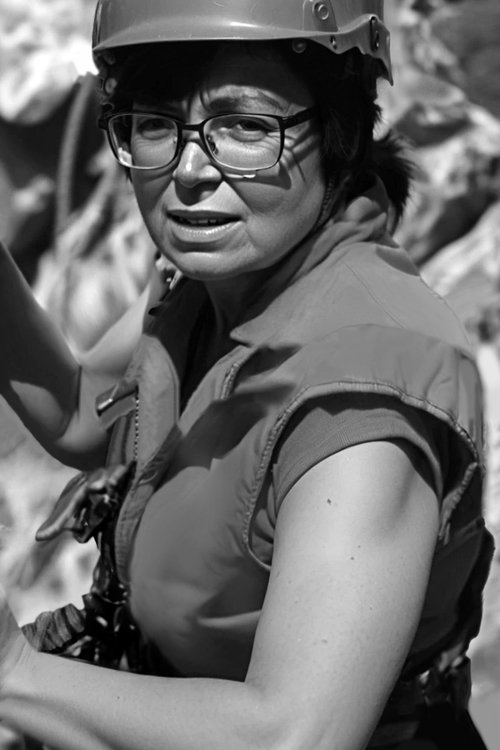
Isabelle Agresti

Isabelle Agresti

Acting

Biography

Isabelle Agresti is a French mountaineer and professor of classical literature who participated in high-altitude expeditions and is recognized for her commitment to promoting the place of women in the history of mountaineering. With her husband, Henri Agresti, they formed a high-level mountaineering team, conquering peaks in the Alps and around the world, achieving numerous firsts in the 1970s. They have four children, including Blaise Agresti, also a mountaineer and mountain advisor to the General Directorate of the Gendarmerie. They traveled to Afghanistan twice, in 1966 with Polish troops, and in 1968 (the first all-French expedition), where they spent more than two months. Two months there, but a total of three and a half months on the expedition, as they traveled there in a 4L, crossing Iran, Iraq, Jordan, Syria, Turkey, Bulgaria, Yugoslavia, and Italy! They made several first ascents, some of which would never be repeated, and their expedition led to a film and a 41-page booklet, "Arid Mountains of the Wakhan." In the 1970s, they developed a passion for the mountains of the Hoggar massif in Algeria and completed several route openings, including the Agresti dihedral, a daring route of the 1970s, opened in about ten days using artificial ascents. The couple published numerous books and mountain guides and gave numerous lectures throughout their lives. Her career also contributed to the memory of women's mountaineering through publications and initiatives aimed at highlighting pioneers who had long remained in the shadows of official historiography, such as the day in 1979 in Chamonix, when she immortalized in a photograph the meeting of the first three women to climb Everest: Junko Tabei, Phanthog, and Wanda Rutkiewicz, an event hailed as symbolic for the recognition of female mountaineers.
Known For

Salt and Rock
10.0

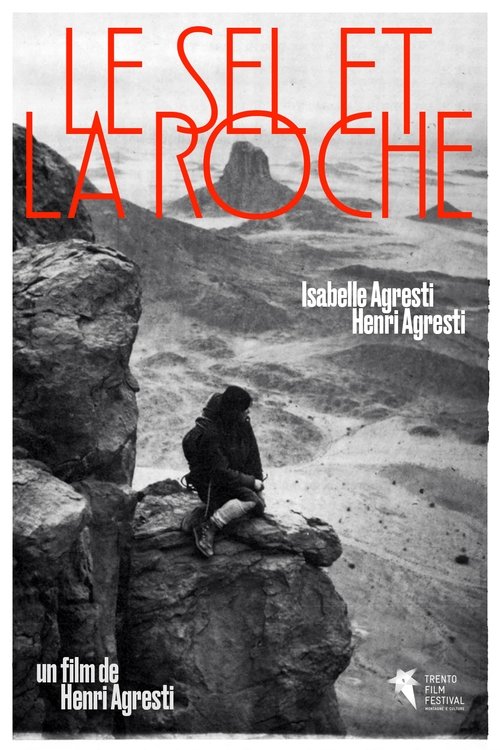
After reading the book "Guide to Hoggar Climbing," guide Pierre Agresti and his wife Isabelle Agresti set off into the Hoggar massif in the Algerian Sahara and tackled the west face of Garet El Djenoun. After a first attempt in 1967, they successfully reached the summit in 1970 and, with an old camera, made a film that remained unused for 25 years. In 1996, they decided to bring the past back to life through the ascent and encounters with the Tuaregs in the rock salt mines of Amadror. The film was shown in competition at the Trento Film Festival in 1997.

Salt and Rock

1996
Denali's Wife
10.0

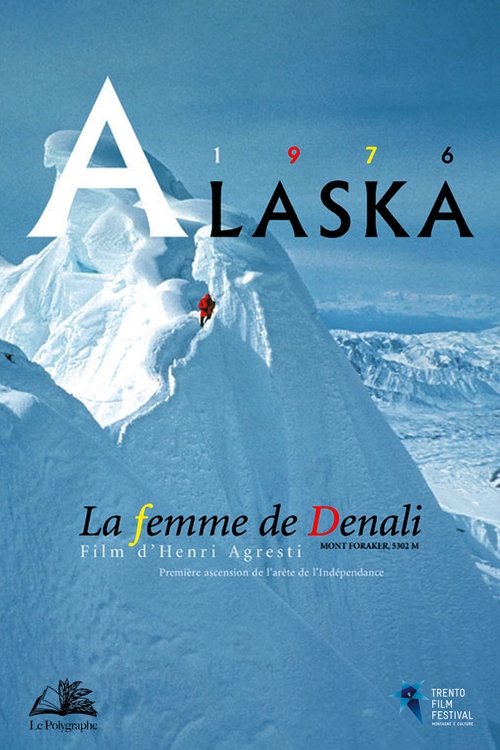
The film of the first ascent of Mont Foraker (5,304 m) in the Denali chain in Alaska, by the southeast ridge of independence in 1976, which remains years after an unequaled sporting and human adventure. The 7 members of the expedition, Henri Agresti, Jean-Paul Bouquier, Jean-Marie Galmiche, Werner Landry, Gérard Creton, Isabelle Agresti, Hervé Thivierge, all came to the top after thirty days of climbing in conditions still limits. Breathtaking images where the grandiose views of the icy desert and the scenes of daily life alternate on a most rough mountains on the planet. The film received the Gentiane d'Or Festival prizes from Thirty 1977, Public Prize Festival des Diablerets 1977, SFP Festival de la Plagne in 1977.

Denali's Wife

1977
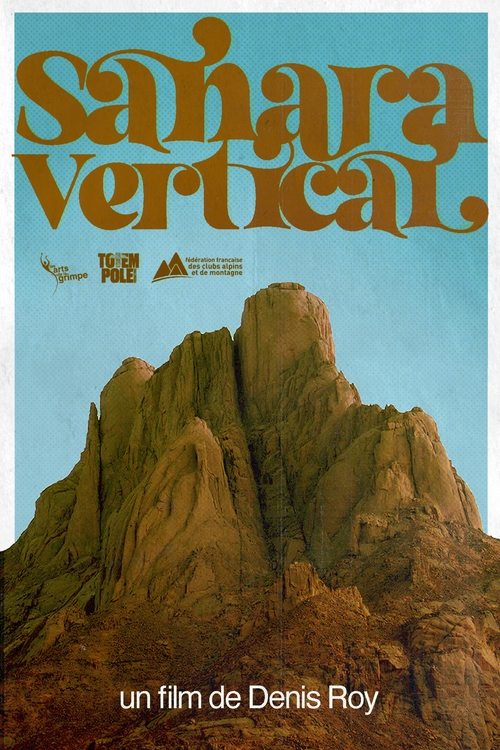
Sahara Vertical
10.0

Following in the footsteps of Frison Roche, 7 climbers explore the main Hoggar massifs in Algeria. Their main objective is the ascent of the Garet El Djenoun summit via the north ridge, a long climb symbolic of a certain difficulty and a significant commitment, due to its location in the desert. They also attempt the Diedre Agresti, a daring route from the 70s, opened in around ten days on artificial, and unequipped; it is a path that has never been repeated; the objective is to do it free and almost only on wedges, with difficulties up to 7b/c in a sometimes very delicate rock... Excerpts from the film shot in 1970 by Henri Agresti on this same route, allow us to compare the technical and material means of the time to those of today. They also discover the beauty of the Algerian desert, its silence, its rock paintings, the customs of the Tuaregs, etc... a fascinating journey.

Sahara Vertical

2006
Hindou-Kouch 68
10.0

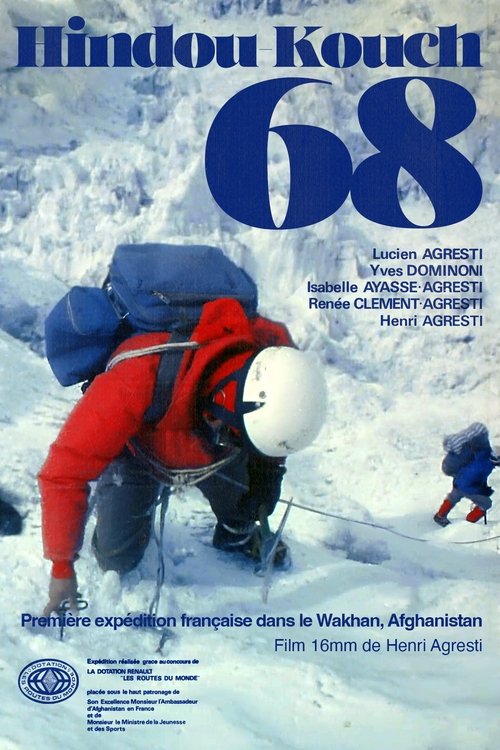
Film about the first French expedition in 1968 in the Wakhan Corridor in Afghanistan. After a long and laborious approach by R4 car in the footsteps of Marco Polo, through Turkey, Iran and Afghanistan, to the high valley of Wakhan, in the heart of the Hindu Kush, Isabelle and Henri Agresti (high mountain guide), accompanied by Yves Dominoni, Renée and Lucien Agresti, more than precious help, explore a little-known valley for 40 days, and climb some virgin peaks of 5000 and 6000 meters. The return to Europe will be by the tracks and roads of the south: Pakistan, Iran, Iraq, Jordan, Syria... A trip of approach to go later to explore the mountains of China, then still closed, and the Tibetan side of Everest... The project of a lifetime.

Hindou-Kouch 68

1969
The Gate of Heaven
10.0

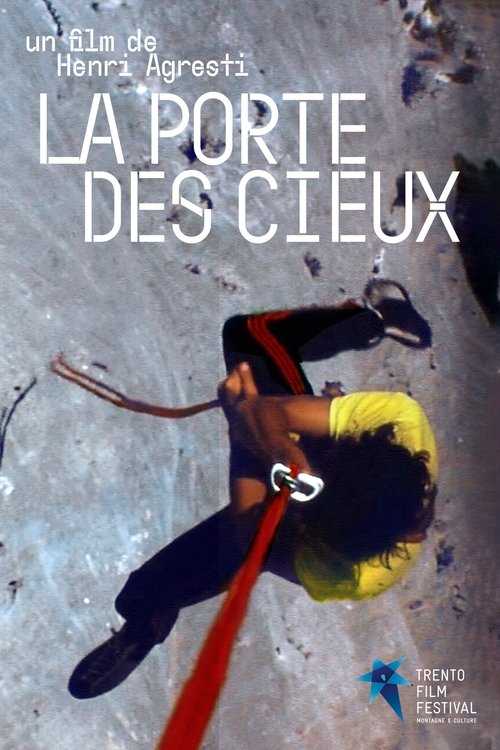
A legendary film in the history of rock climbing in the Verdon Gorges, shot in 16mm between the autumn of 1978 and the spring of 1979 by Henri Agresti, a high mountain guide. For the first time, acrobatic shots were taken on the walls of the Verdon. We rediscover a whole generation of pioneers on routes like Dingomaniaque, Triomphe d'Eros, Péril rouge, Luna Bong, Pichenibule or Necronomicon, routes which, like Dingomanique or Triomphe d'Eros, had just been opened. We witnessed a major turning point in the style and possibilities of rock climbing at the end of the 1970s: anchors sealed by drilling used as belaying and no longer as aids, new equipment: climbing shoes and chalk, harnesses and figure eights. Henri Agresti's unfinished and silent film, lasting around fifty minutes, was presented in the form of a nine-minute fragment at the Trento Film Festival in 1981.

The Gate of Heaven

1980
Shakhaur 7116m, Face Nord
10.0

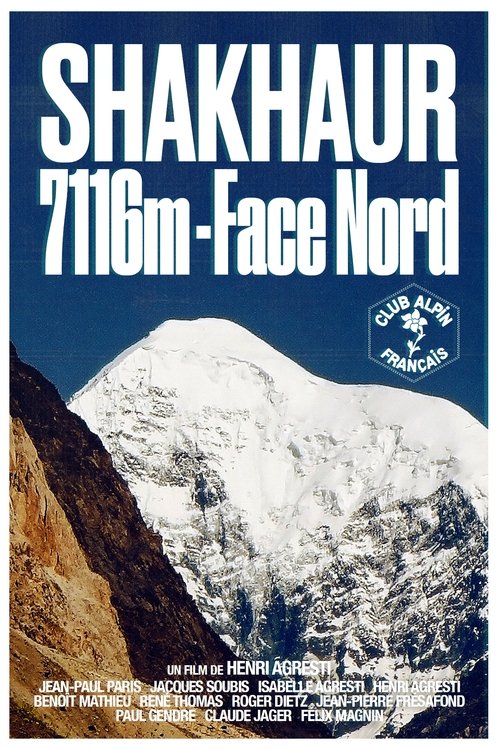
This film - without commentary and simply accompanied by local music - relates the 1969 ascent of the north face of Kohe Shakhawr, a Himalayan peak located on the border with Afghanistan, by mountaineers Benoît Mathieu, Jacques Soubis, René Thomas, Jean-Paul Paris, Isabelle Agresti, Henri Agresti, Roger Dietz, Jean-Pierre Frésafond, Paul Gendre, Claude Jager and Félix Magnin. As is often the case in Henri Agresti's films, there is an encounter with other peoples, other cultures, documented at length in the introduction. Then, after the interminable approach, the ascent begins: distribution of camps, successive assaults on the mountain, walking on steep scree and snowy slopes, climbing on icy walls... The arrival at the summit, without the aid of oxygen devices, seems to take place in slow motion: exhaustion mixes with the joy of the victorious mountaineers who will celebrate their success on their return to base camp on August 24, 1969.

Shakhaur 7116m, Face Nord

1969