Acting
Der Kommissar is a German television series about a group of detectives of the Munich homicide squad. All 97 episodes, which were shot in black-and-white and first broadcast between 1969 and 1976, were written by Herbert Reinecker and starred Erik Ode as Kommissar Herbert Keller. Keller's assistants were Walter Grabert, Robert Heines, and Harry Klein who, in 1974, was replaced by his younger brother Erwin Klein.
No description available.
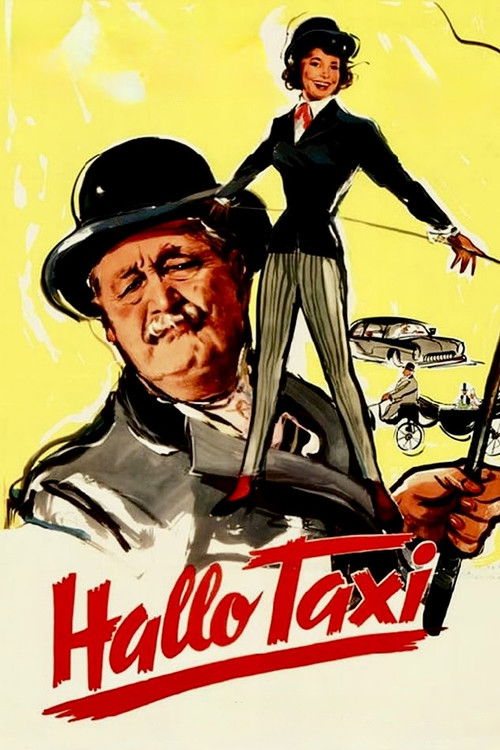
Leopold and Franz are coach drivers and best friends. Their relationship gets strained when Franz decides to modernize by buying a taxi cab. Leopold, grumpy keeper of tradition, is not pleased.
In October 1936, a high official in the Austrian government receives a letter from a German Jewish woman with whom he had an affair in 1925 asking him to help place an 11-year-old, half Jewish boy in a good Austrian school. Is the child his? Should he help? And above all should he help now, at a time when Nazis are becoming powerful in Austria?
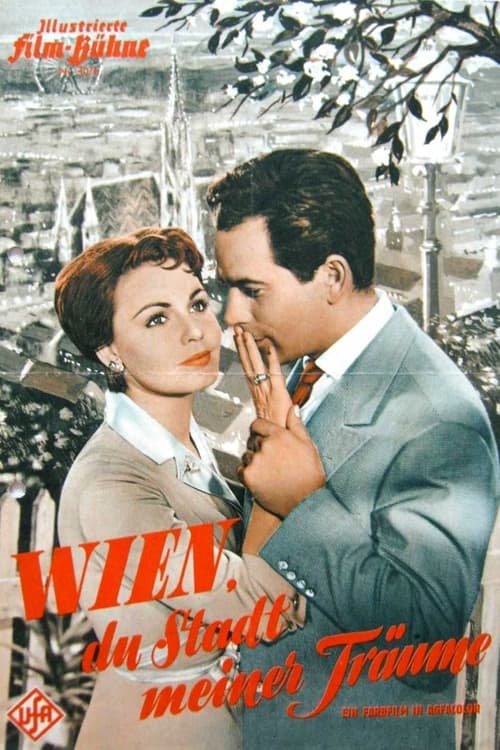
In the made-up country of Alanien, King Alexander I has been overthrown while abroad. Now, he's in Vienna with his daughter, the city of his fondest memories since studying there as a boy. It doesn't take long for the charm of Vienna to work its magic on the former king: he quickly comes to terms with the new situation and is able to enjoy the Austrian capital sans all the ceremony and trappings which would otherwise accompany him on a state visit. The princess is content with preparing herself for a career as a pianist concert, while the former king takes a job as a chauffeur in the embassy of the country he once ruled. The revolutionaries are shocked; and his days in Vienna are numbered.
Vienna, a few days before the shots in Sarajevo which would trigger what was first called the Great, later simply the First World War: Job seekers from the crown lands flock to the capital of the empire in search of a better life, even if it's the factory hell . A new social class is growing faster and faster, the city overflows with the poor, lower-class workers and the unemployed. Labor fighters can be heard louder, better, clearer, every day. The nobility strongly suspects its end.
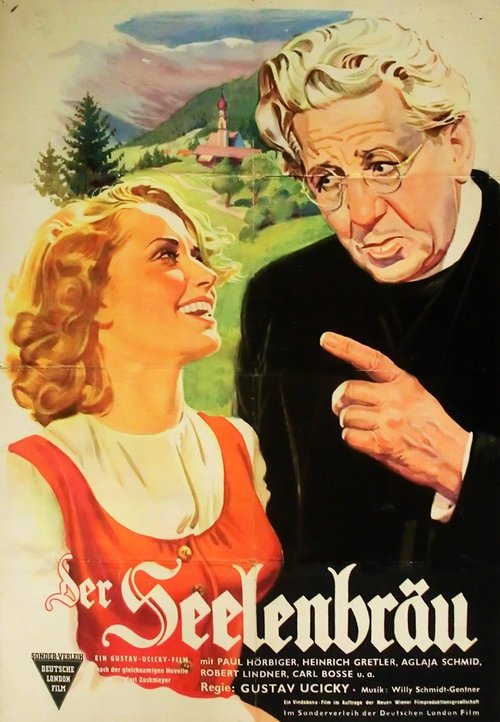
In Alt-Köstendorf in the Salzburg region, the dean, known as Seelenbräu, and the brewer Hochleithner, known in the village as Leibesbräu, are fighting for supremacy. As their nicknames suggest, Leibesbräu is primarily concerned with the physical well-being of the villagers, while Seelenbräu cares deeply about the faith of his congregation. This leads to repeated clashes between the two men, who could perhaps be described as stubborn. When Hochleitner's niece Clementine leaves the convent and wants to stay at home, a new dispute flares up between Seelenbräu and Leibesbräu.
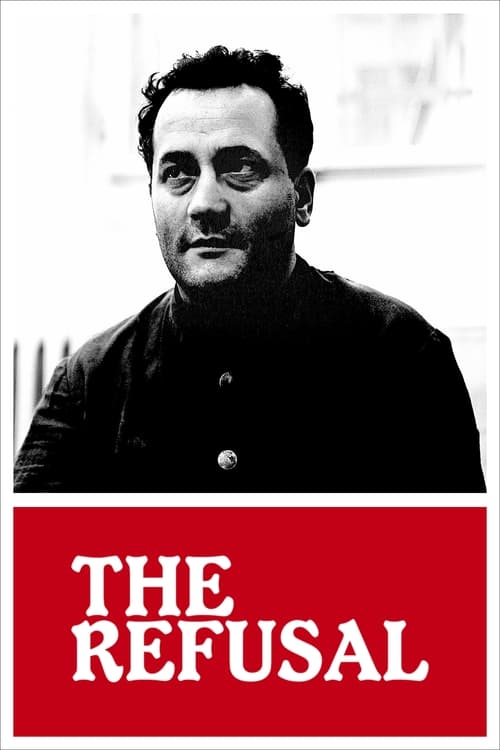
The story of the last days of Austrian farmer Franz Jägerstätter (1907-43), who was executed by the Nazi regime because of his refusal to compromise with a perverse system.
When two Russian captains of cavalry came to a German post station one of them recalls what happened long time ago. He begins to tell the story: Ten years ago a comrade of them made a resting at the post station and fell in love with the station master's daughter. He promised everything to her and finally convinced her to come with him to St. Petersburg. When both arrived there she had to realize that her captain never had the intention to marry her.
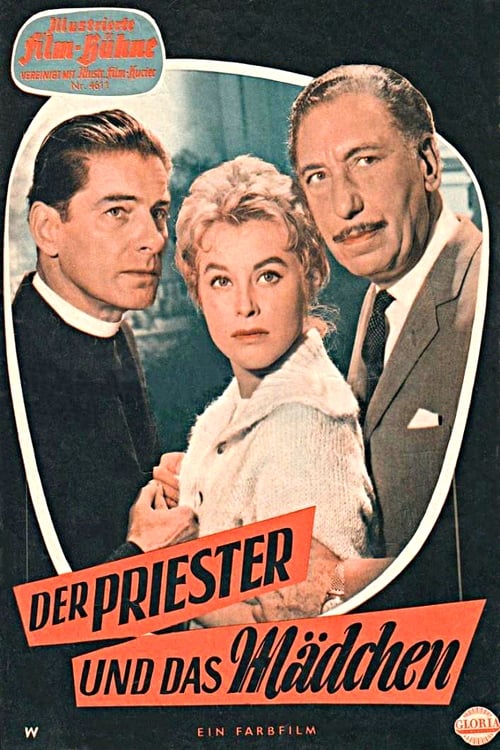
A priest falls in love with a rich man's daughter.
Ever since Rappelkopf was once deceived by a con man, he has become the epitome of a suspicious, stubborn misanthrope and a family nuisance. His wife and daughter, as well as his servants, suffer from his bad moods, accusations, and insinuations. The kind, alpine mountain spirit Astragalus, the King of the Alps, wants to rescue the grumpy man from his constant discontent and misanthropy. He promises to remedy his situation and makes Rappelkopf an offer he cannot refuse: he is to become his alter ego, to slip into another, better form. In the guise of his brother-in-law, the tyrant is to visit his family to convince himself of their loyalty and love. The King of the Alps, in turn, wants to appear as Rappelkopf, the living mirror of the true family despot, in order to morally purify him through self-knowledge.
Shortly before the First World War, the son of a Prague butcher is called up for military service in the Austro-Hungarian Army of Emperor Franz Joseph, proving to be a very incompetent recruit.
A woman (Maria Emo) cares for her older husband (Hugo Gottschlich) who makes his living smuggling things across the Tyrolian Mountains in this tragic drama. The police know the husband is up to no good but have been unable to catch him in the act. A young policeman (Sieghardt Rupp) is assigned in hopes of cracking the case, and the wife falls in love with the cop. When the husband discovers the two are in love, he picks up a knife and goes to fight the policeman for the woman he loves.
After marrying Hofrat Geiger, Marianne moves to Vienna to be with her husband. She runs the household while her daughter attends the music academy. But Mariandl is heartbroken. She constantly catches her Peter in strange situations with other women. Marianne, on the other hand, constantly has to listen to the innuendo of Franzi, Geiger's long-time housekeeper, who would have loved to be a Hofrat herself. Frustrated, mother and daughter decide to leave Vienna and visit their grandfather. He has inherited a dilapidated farm in the Wachau region, where horses are kept, awaiting shipment to Italian slaughterhouses. Through two benefit concerts, the talented music student Mariandl is able to raise enough money to buy the horses' freedom.
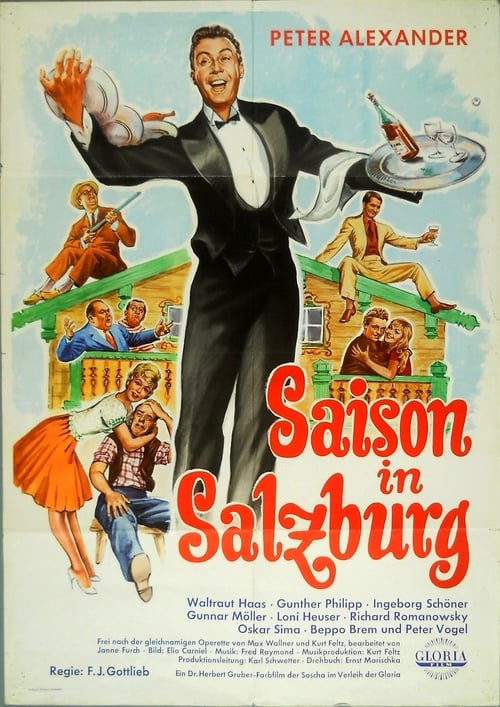
The actors Heinz Doll, Hans Stiegler and Werner Mack have failed to look after the end of the last season in time for a new commitment and are now unemployed. Since they are just right that the Salzburg mountain hotel "Zum Blaue Enzian" staff looking for.