Acting
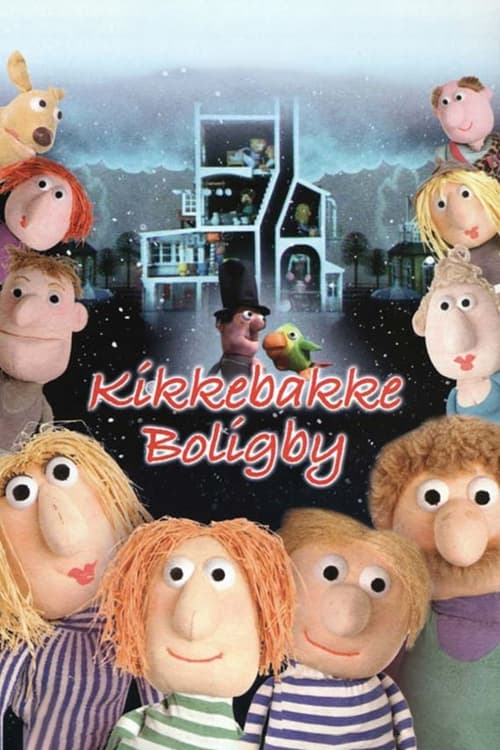
In the residential area stands the apartment building Kikkebakke, home to a motley crew of residents. Among them are the grumpy Gniske and Mrs. Vivaldi with her spaghetti machine. At Father Alfred's house, the kitchen is a hive of activity when it's time to do the dishes—so why not invent a clever machine that can do it? Kikkebakke Boligby is also home to Freddy, Carla, Skorstens-Per, Mrs. Brand, Mr. Matrikelhys, and businessman Sommer, who behind closed blinds becomes the muscle man Mr. Pølzenmuskel!
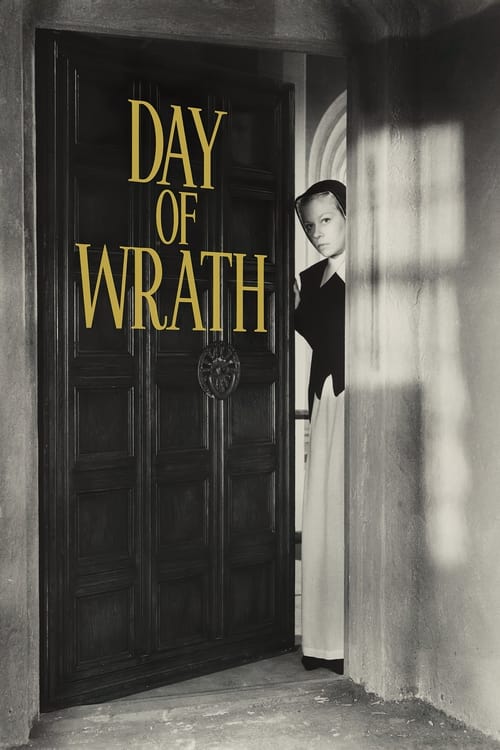
In a Danish village in the early 1600s, a young woman named Anne, whose mother was thought to be a witch, develops sympathy toward an old woman, Marte, who is accused of witchcraft. The intervention of Anne's older but kindly husband, Pastor Absalon saved her mother -- but now, urged on by his overbearing mother, he refuses to help Marte. When Absalon's son returns home and is attracted to Anne, it's a matter of time before her family destiny catches up with her.
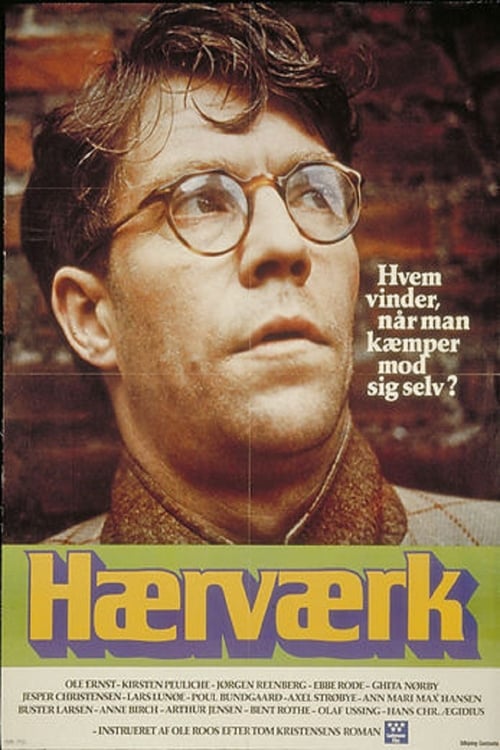
Based upon the novel "Hærværk" by Tom Kristensen about the self destructive person. The literary reviewer Ole Jastrau chooses to free himself from his well-ordered middle class life. He allow the seriously left-wing writer Steffensen move in with himself which soon causes disintegration of his home an marriage.
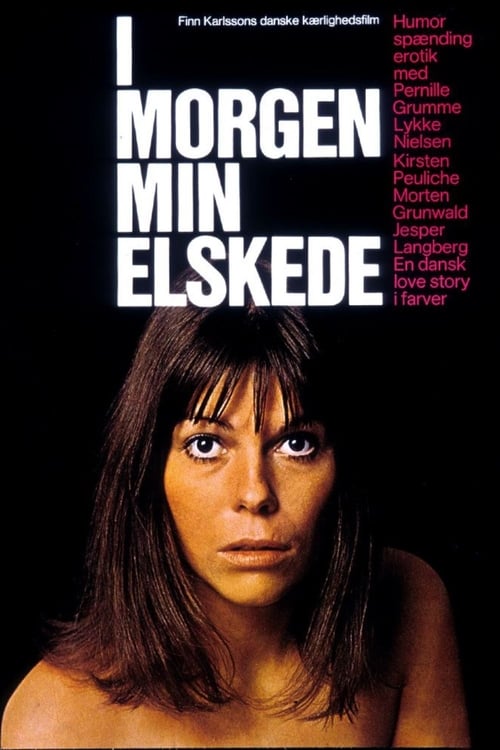
Joey is a struggling writer with no money. His roommate Carl is a charming stud with a taste for young girls. Together, these two insatiable dreamers will laugh, love and screw their way through a decadent Paris paved with wanton women, wild orgies and outrageous erotic adventures.
No description available.
A director and screenwriter pen a script and, in the process, blur the line between fiction and reality.
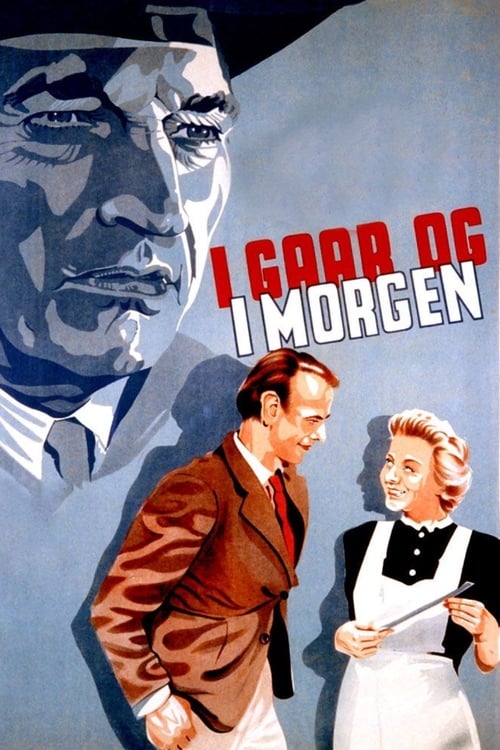
Director Albrechtsen, who heads a large construction company, is a tough and ruthless businessman. He does not shy away from dubious transactions when they serve his interests, and it is precisely on this basis that he comes into sharp conflict with his employee of many years, civil engineer Humlegaard, and the conflict leads to Humlegaard leaving the company. In the film, we now follow the far-reaching consequences of Albrechtsen's brutal actions.
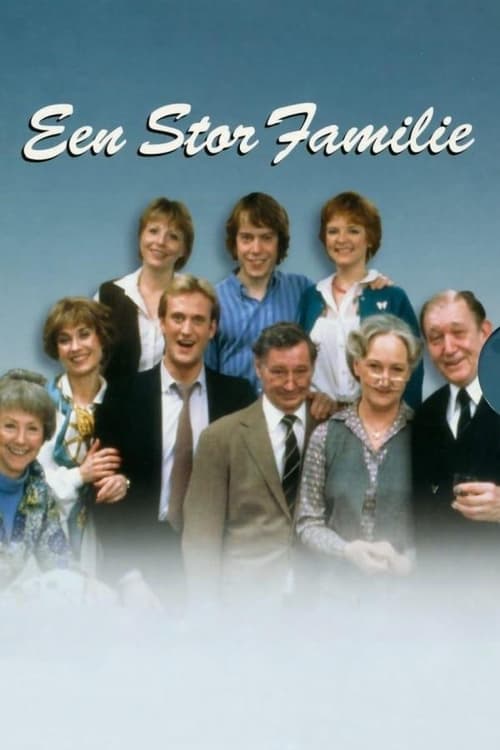
One Big Family is a Danish television series in 12 episodes, first broadcast in 1982-1983. The series was directed by Bent Mejding, while the script was written in turns by Lise Nørgaard, Paul Hammerich and Jane Aamund. The series is produced by Nordisk Film for Danmarks Radio.
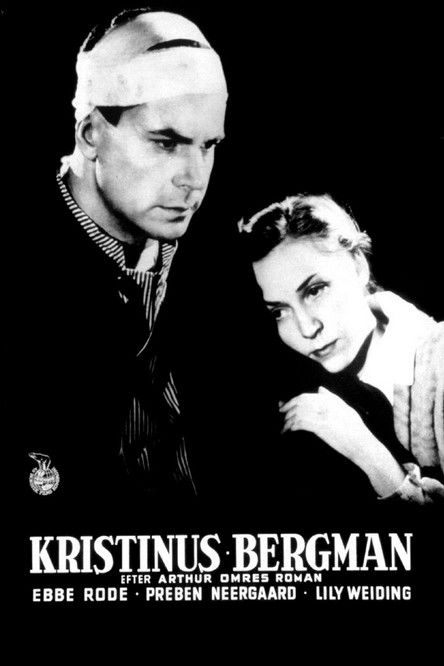
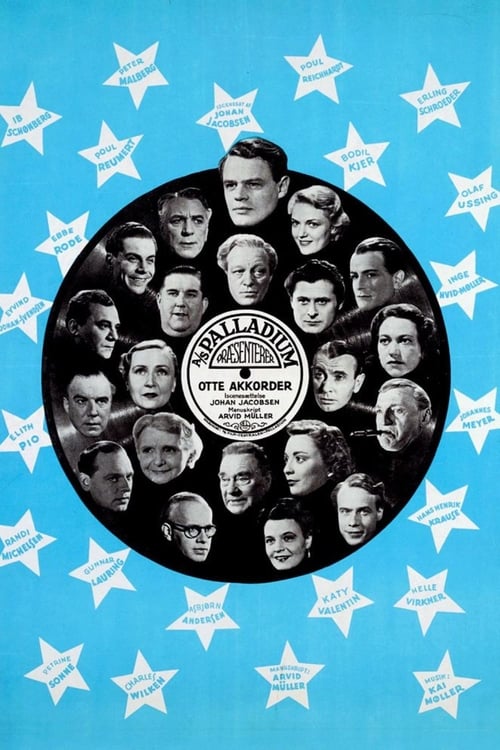
Danish noir crime drama with a poetic nerve. Two boys, Kristinus and Jakob (Rode and Neergaard) experienced a loveless and abusive childhood. Now as grown-ups, they are acting outside the law.
Olaf Ussing is the old chamberlain who lives in the castle with his three unmarried daughters – Malene Schwartz, Lone Hertz and Mimi Heinrich. On the neighbouring estate lives Poul Reichhardt, a wealthy bachelor with a butler – festively played by Ole Monty. A couple of dubious suitors for the lovely young ladies are Preben Neergaard and Preben Mahrt – and a former admirer is Henning Palner.
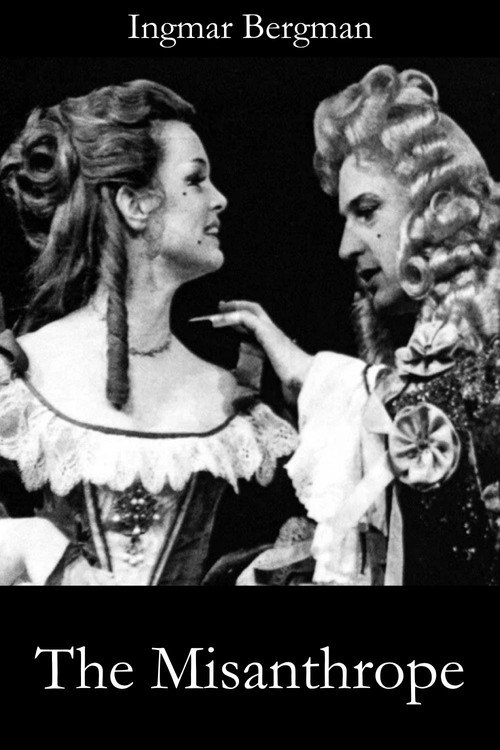
This television film records Ingmar Bergman’s Copenhagen stage production of Molière’s The Misanthrope, presented as a guest performance at the Royal Danish Theatre. The play centers on Alceste, a man who rejects social hypocrisy and flattery, whose rigid principles are tested by his love for the socially adept Célimène.
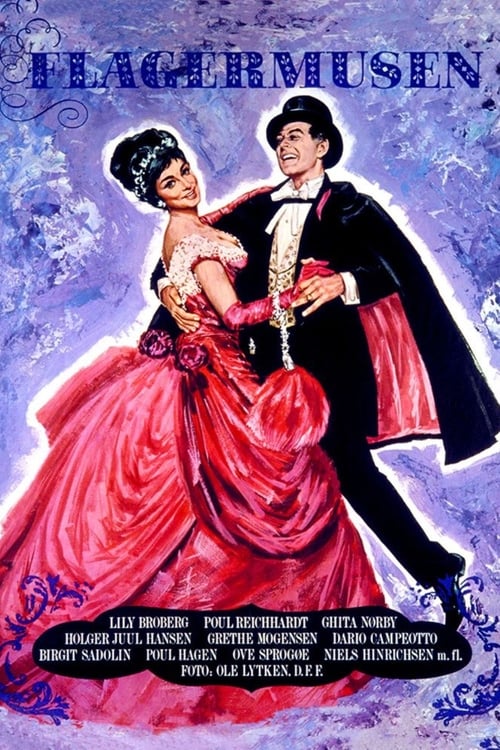
Doctor Falke takes revenge on Gabriel von Eisenstein because, after a carnival, he left him lying in a park, disguised as a bat, so that he would be ridiculed by respectable citizens the next morning. Falke seizes the opportunity for revenge when Eisenstein gets himself into trouble by being sentenced to ten days in prison for disrespectfully mentioning a princely person. The wealthy Russian Prince Orloffsky has asked Doctor Falke to arrange the entertainment for his grand party – and in this lavish setting, Falke carries out his revenge.
With sinister intentions, evil sorcerer Noureddin lures the young Aladdin into a dark cave to retrieve an old lamp that doesn't look like anything special. But: When Aladdin rubs it, the genie of the lamp appears and can grant any of his wishes, whether it's the princess or the entire kingdom.
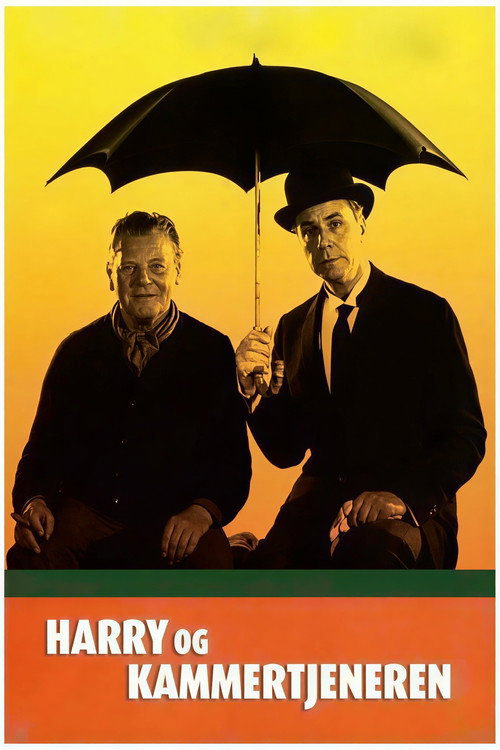
A gentle comedy offering the promise of easy social consensus. Harry (Helmuth) is a simple old-time shop porter offered a chance at self-realisation when he's bequeathed a sum by an unknown relative (via several levels of fiscal blood suckers). He decides to engage a butler to take good care of him for a time. This is a man of distinguished upper class service, but a generous nature which happily integrates with Harry's small but colourful world of drinking buddies and crackpot neighbourhood kids.
About five young people and their complicated love affairs. Isabel, the diplomat's daughter, is training to be an actress, Marca is a ballet dancer, Michael is a theater director, and David has just completed his military service. However, it is Gerd, in particular, whose fate will have an impact on the group. She has fled from East Germany but returns when she feels isolated. Michael and David follow her, but an attempt to bring her back to the West costs her her life.
A satire and fun farce with songs and various sounds and voices, which attempts to give a picture of good and ordinary people as well as journalists, barbers, countable ghosts, aut. gas and water masters, nannies, a single middle court judge, a robot and not forgetting a professional sweat thief and several others, who together live in the small Danish town of Elleskovsleje.
Eight separate family dramas (uncovering many aspects of deceit) are woven together to the sound of a certain Chopin waltz.
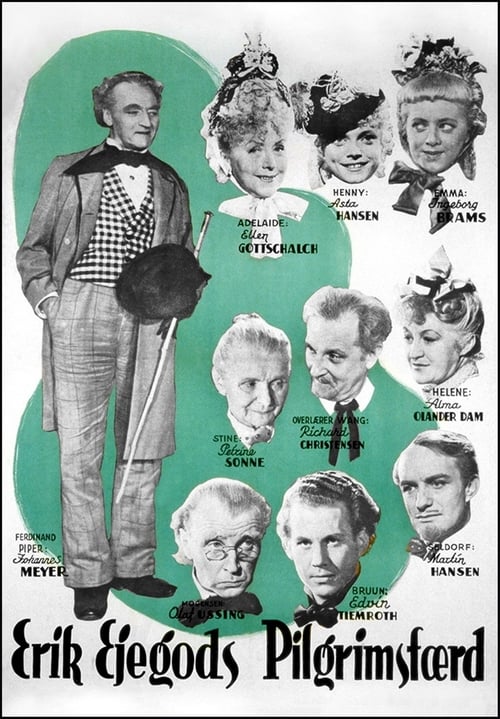
A large Danish provincial town in the year 1888. Headmaster Wang's wife needs recreation, and the kind headmaster sends her and his youngest daughter Emma to Fanø. In his solitude, he delves into his youth memories and invents, among other things, a "Nordic tragedy", which he wrote during his student days and gave the proud title "Erik Ejegod's Pilgrimage". A theatre director encourages the headmaster to have the play performed at the theatre.
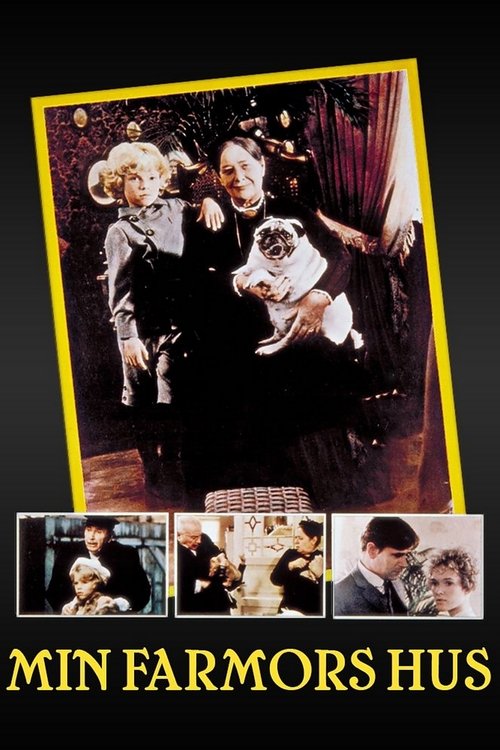
Danish author Soya's acidly funny turn-of-the-century memoir novel turned into a robust black comedy. After his mother's death, tiny tot Søren goes to live with his wilful, rich and stingy Granny, who wants to improve his manners. She also wants to make him sole heir to her fortune, which everybody else covets. Mutual respect, even love, develops between the two. And death by poison enlivens things.