Acting
Leopold Habernal, lives a quiet, modest life as a postman. When he unexpectedly inherits a large sum of money, he suddenly becomes an object of desire for several unmarried woman in the town, leading also to resentment amongst his former male friends. Ultimately he is able to use his money to benefit everyone.
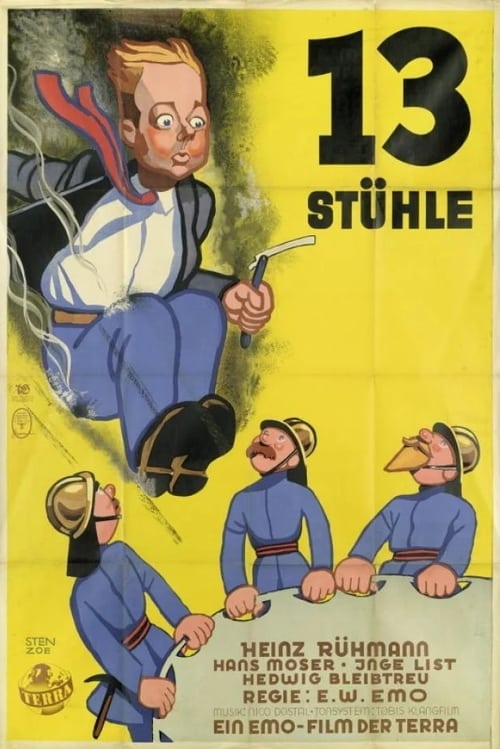
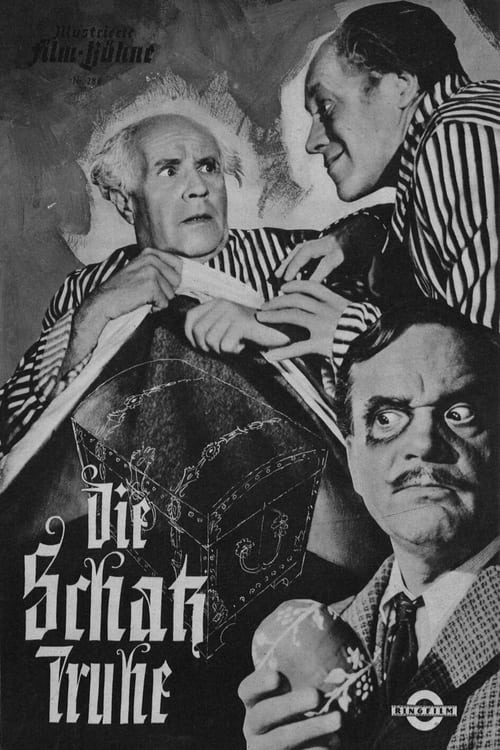
A classical art junk dealer and an almost bankrupt hairdresser who unexpectedly makes an inheritance go hunting behind thirteen chairs from which of a 100,000 DM contains which the rich aunt has hidden there.
No description available.
A film for scatterbrains. Everyone's constantly forgetting something – the daughter the little dog, the father the files, the chauffeur forgetting to close the roof of his taxi when it's pouring rain and his passenger gets soaked. Everyone rushes through life and doesn't even have time for themselves. Then a "young" student (Hans Söhnker) returns to his hometown. He receives a lavish welcome and, at 34, is probably one of the oldest students in German film history. He has three fathers who support him financially and studies on their money. Interminably. Now he has to accept that his fathers have run out of money for his studies. So he rolls up his sleeves, forgets about the expensive degree, and switches to a trade. He does hair, he drives, he assembles film, he shaves, and he pins seams. There he meets a young lady, has time to serenade her, and then learns that his biological father is a millionaire, who now lends him a hand and distributes cash to the other cash-strapped fathers.
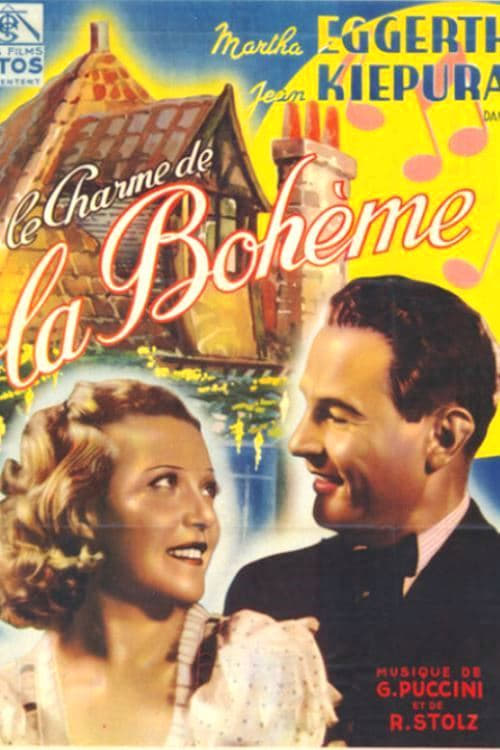
René and his two artist friends lead a meager but careless life in a Parisian small apartment, their main worry being to avoid the housekeeper. Whenever they get some money they call more friends in and celebrate. This is how he meets beautiful but fragile Denise, who wants to be a singer as himself, and they fall in love. Yet when she finds out her real condition she takes a drastic decision which will determine their fates. La Bohème arias, and more.
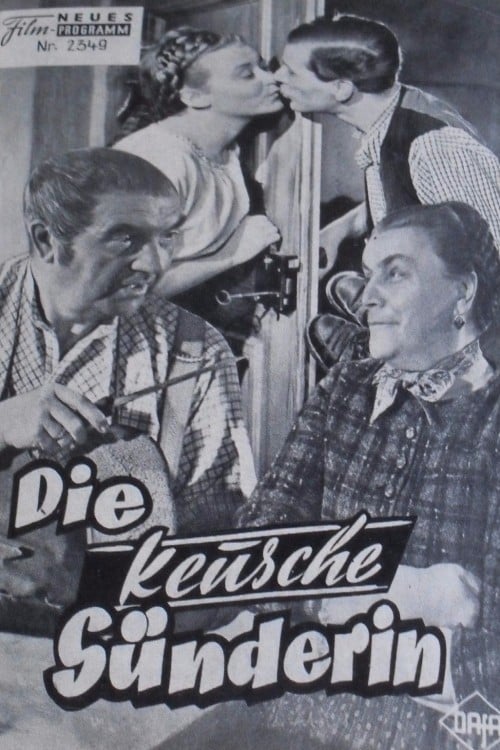
Xaver Bimshofer is the richest peasant in the village; and therefore, his only daughter Lenerl should marry a guy, who is diligent enough to keep the exemplary farm running. But Bimshofer doesn’t know, that Lenerl has long been a couple with the servant Sepp. So he suspects that every young man in the village wants to conquer his poor, innocent daughter. So that Lenerl really resists all these attempts, he gets a stone statue from Thomas Kammerlehner’s barn, “The Chaste Kunigunde”, which is supposed to protect the girl’s chastity and to protect her from sin by its positive energy.
Violanta lives with her parents in a poor cottage in the mountains in Austria. Her family is frowned upon by the local population since her father is a drunk and suspected by the villagers to have caused the death of one of the farmers. One day handsome Marianus Renner comes along. He sees Violanta and immediately starts courting her, They become involved in a relationship, until one day he suddenly does not come to her usual appointment.
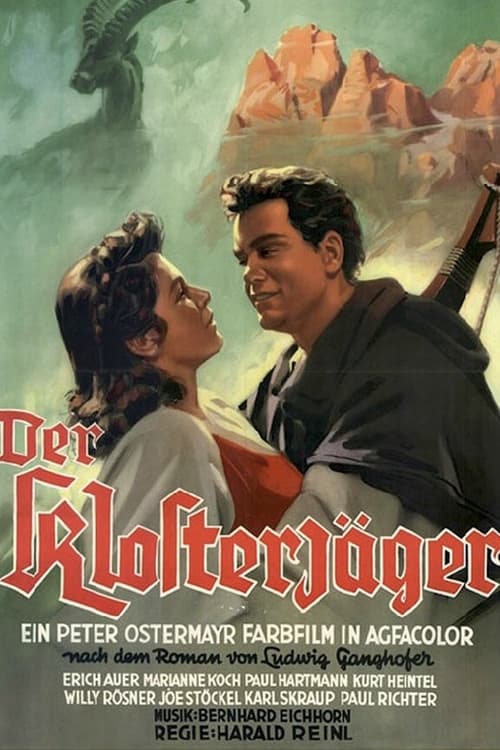
The huntsman of a Bavarian monastery falls in love with a beautiful girl and convinces the provost to make his steward delay her brother's feudal due arrears.
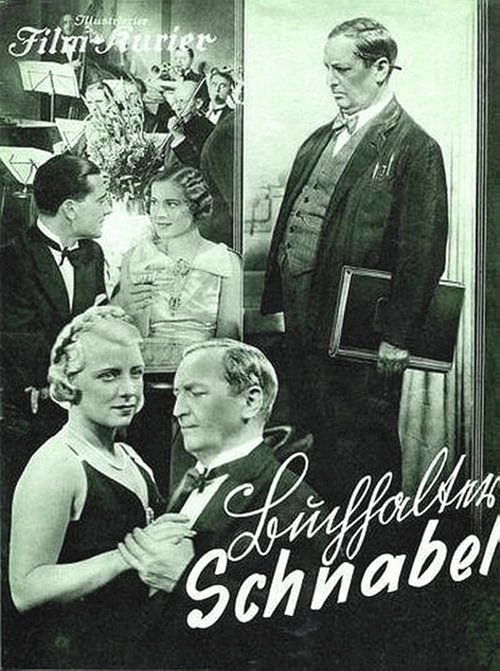
The young man from Oxford originates from Vienna, where he returned after completing his studies to take over his deceased uncle's construction company. To gain a better overview, he joined the company as a junior employee and, of course, immediately fell in love with a young colleague...
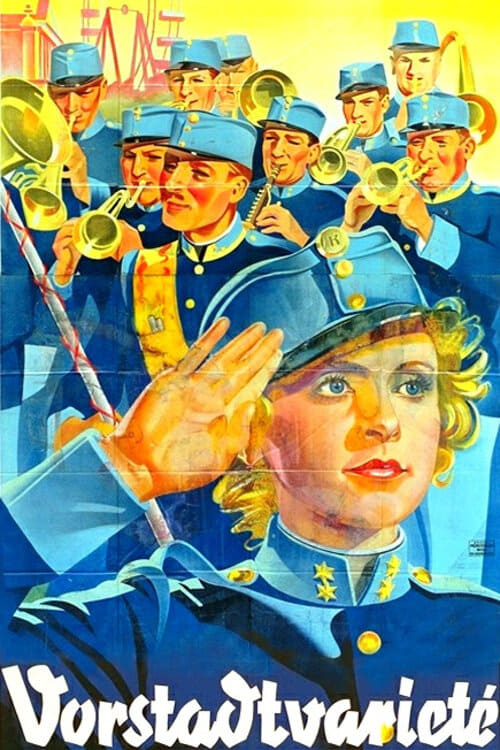
In Vienna of 1913 a young woman coming from vaudeville theatre circles stands before the wedding with a construction draftsman; this must move to the military and sends his bride on the country, so that she cannot be enticed to the stage. However, she does it and gets by an officer's love affair so in confusion that she commits suicide. - This end environment-close and differentiates of produced melodrama was rejected by press and audience vehemently; the new second film end with the rescue of the desperate was supplied later, so that in this version only a bittersweet common melodrama with excellent actors and good photograph was left. In the rental company copy is the second version of the end jointly contain.
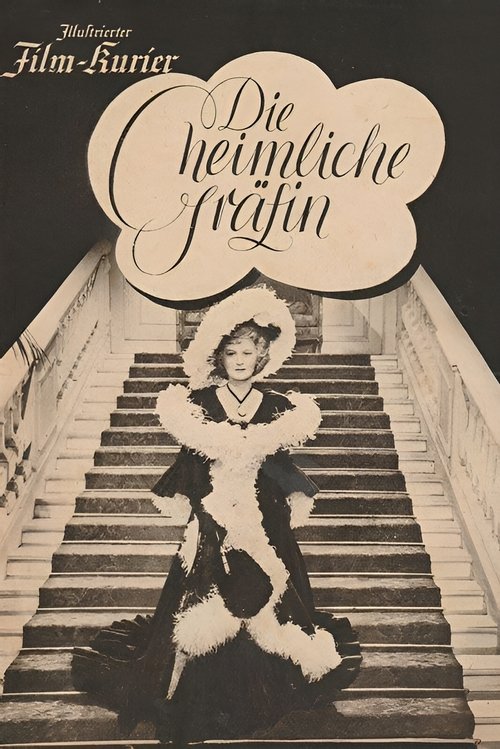
A comedy of confusion in aristocratic Vienna at the turn of the 19th into the 20th Century: The young Bohemian Countess Antschi Dorival trades places with her friend Martina, because she wants to become an actress and applies as such at the city theatre under a false name. And so, Martina attends the Vienna Opera Ball, posing as the countess. Because of their striking similarity to one another, Martina is confused with the impostor Sonja Lubomirska, who shortly before stole a necklace belonging to the wife of Archduke Johann Sylvester.
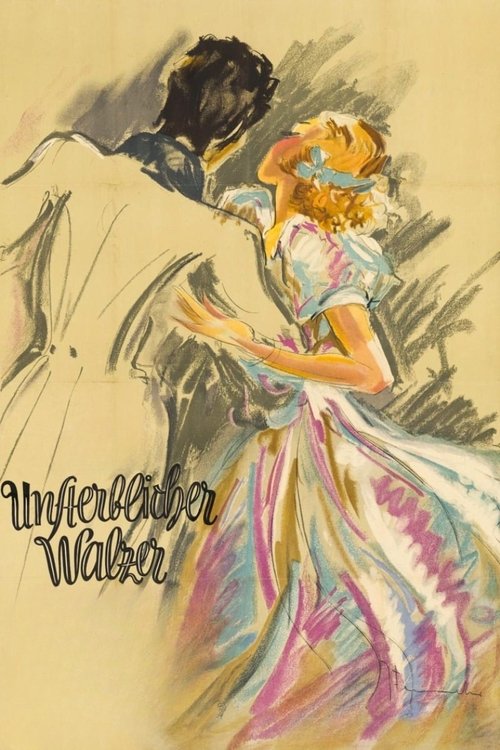
Johann Strauss firmly established himself as the leader of a dance orchestra in Vienna in the 1840s. His sons Johann junior and Josef have clearly inherited their father's talent. Nevertheless, father Johann is strictly opposed to both of them training as composers.
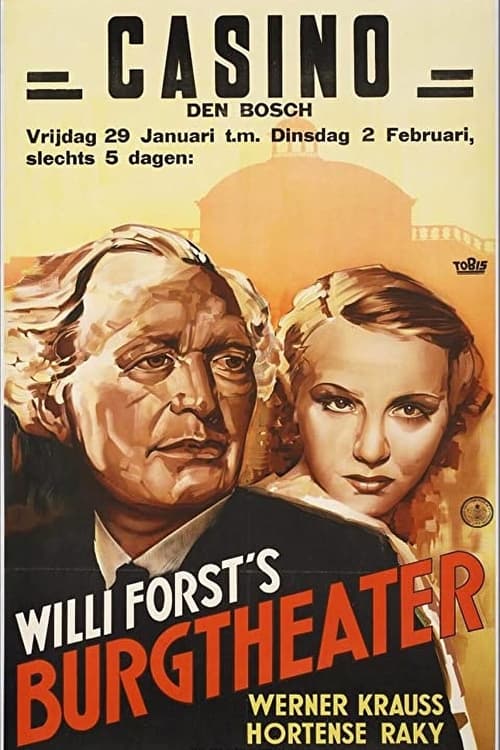
In this convoluted melodrama, an elderly thespian falls for a rising young starlet. He admits his love for her and then announces that he will retire. The young woman pretends she loves him too, but her real motive is to give her struggling lover, also an aspiring actor, a break.
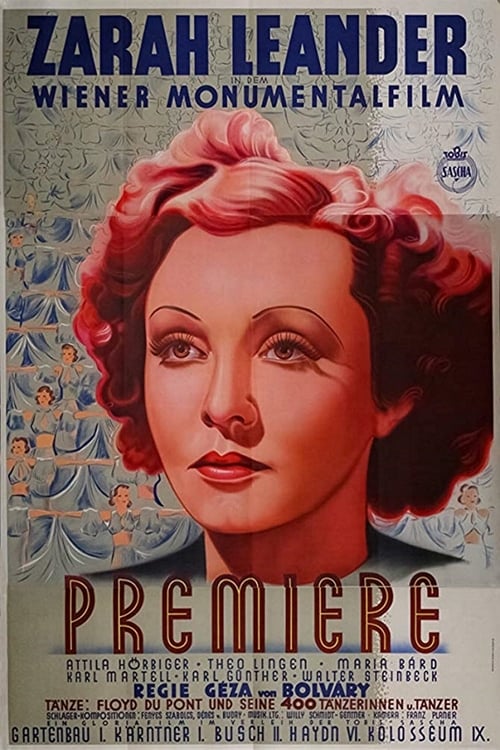
As Fraulein Leander prepares for opening night, her life is thrown into turmoil by a variety of romantic misadventures. But she manages to show up on stage at the appointed time, scoring a huge success.
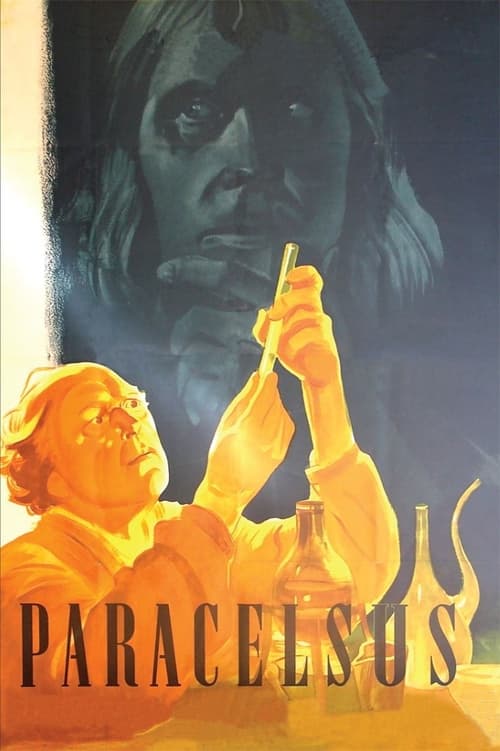
The story of the Renaissance-era Swiss physician, alchemist and astrologer Philippus Aureolus Theophrastus Bombastus von Hohenheim, better known to the world as Paracelsus.
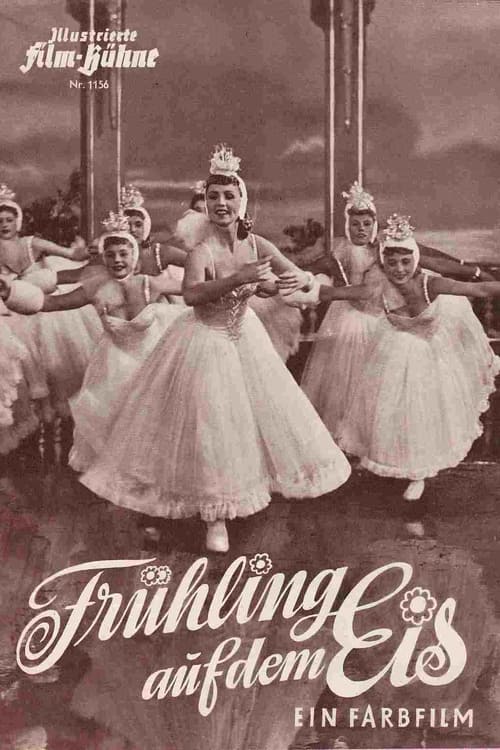
A group of talented young people are dismissed from an ice dancing troupe as a result of the intrigues of Alida, the wife of impresario Gordon. Outraged, the young people leave Gordon's troupe and, having organized their own group, soon achieve success with audiences. Gordon, deprived of his talented performers, suffers a collapse and goes bankrupt.
Four orphaned friends move after the Abitur, supported by the janitor of her school, together in a flat and look for work to be able to finance her study. Two make the acquaintance of a frivolous young baron. One shoots in her outrage at him, nevertheless, is acquitted in court. - Stereotyped Jung's girl's cheap sensationalism, broken up by popular comic. Hans Moser stands out by his delightful character comic. The last in Austria produced film before the invasion of the armed forces ('Wehrmacht').