Herta Staal
Acting
Biography
Herta Staal (born Herta Staly, March 29, 1930, in Vienna, Austria – died October 2, 2021, in Munich, Germany) was an Austrian stage and film actress. She received formal training in dance at the Vienna State Opera and later studied acting at the Academy of Music and Performing Arts and the Vienna Conservatory. In 1948, she made her stage debut at the Vienna City Theatre in the operetta Frühling im Prater by Robert Stolz. Early engagements followed at the Bürgertheater, the Graz State Theatre, and later at the Thalia Theatre in Hamburg. Staal achieved major success in the 1950s as a film actress, appearing frequently in Heimat films, musical comedies, and light entertainment, often in leading or prominent supporting roles. One of her best-known performances was the title role in Die Rosel vom Schwarzwald (1956). Alongside her film career, she appeared extensively in television productions. From the 1960s onward, her work shifted increasingly toward television. She retired from acting in 1993 and lived a private life in Munich, where she passed away at the age of 91.

Known For

No description available.
Dalli Dalli
No description available.
Wie würden Sie entscheiden?
No description available.
Hafenmelodie

No description available.
Die Rosel vom Schwarzwald
Diary of a Disease - prophesied that all psychiatric experience speaks against the described spontaneous healing. The next depression is determined.
Depressionen
No description available.
Umsonst

After an accident, Princess Maria Christine ends up stranded in Rothenburg, where she falls in love with engineer Rudi Becker, but pretends to be a shoe saleswoman. Misunderstandings, mix-ups and intrigues lead to turmoil surrounding her planned wedding to the King of Slovenia.
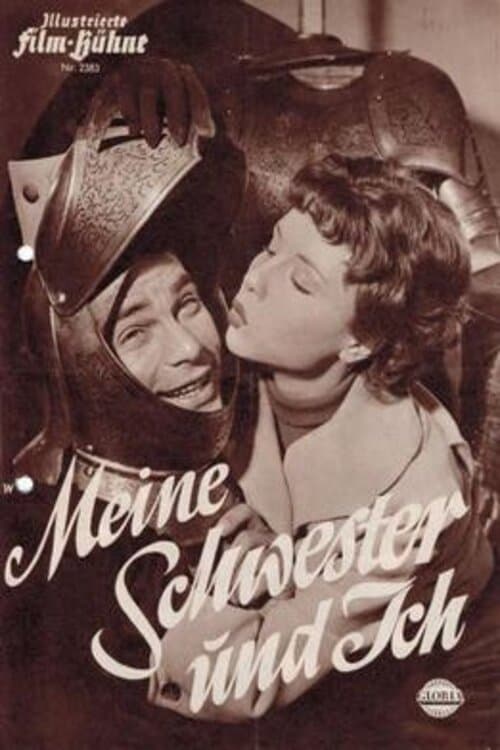
My Sister and I

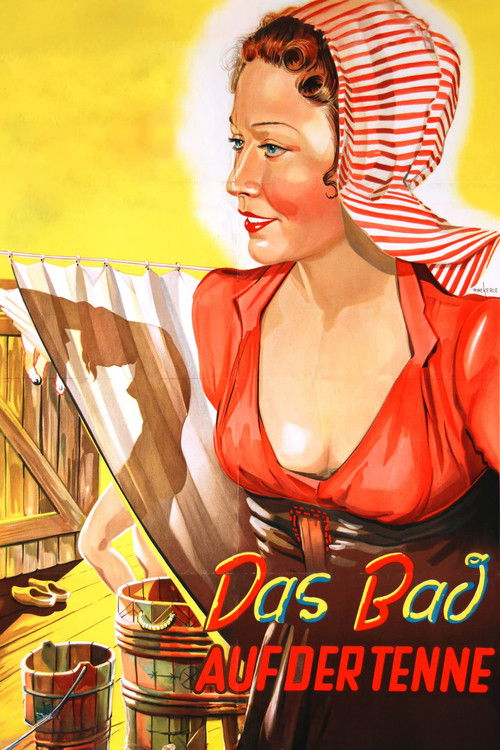
On his journey through the Flemish province, Don Fernando, the king's stadtholder, passes through the small, bourgeois community of Terbrügg. There, he meets Antje, the mayor's wife. To impress the beautiful lady, he gives her his bathtub. It's a sensation in the small town, which has never seen such a tub before. Out of envy and resentment, Antje is pilloried for her "immoral" passion for bathing and becomes the laughingstock of the town...
Das Bad auf der Tenne
No description available.
Italienische Nacht

When seminarian Martin Rufmann arrives in St. Eustachen, idyllically located in the Carinthian mountains, the local choral society is celebrating a joyous festival. Martin is the youngest son of the widowed head forester Thomas Rufmann. Martin's older brother Friedolin has inherited his father's love of hunting and is one of the best hunters in the area. He is also engaged to the pretty innkeeper's daughter Helene Schwarzaug. At the feast, Friedolin and his cronies drink heavily to the black liquor of the charcoal burner Krauthaas. Friedolin and the townspeople Günther have a loud argument in front of everyone. When Günther is found murdered a short time later, suspicion immediately falls on Friedolin. To save his brother, Martin accuses himself of the crime. The two brothers are arrested. The real culprit soon turns himself in, but in the meantime Thomas Rufmann has disappeared without a trace.
Die Försterbuben

No description available.
Die Winzerin von Langenlois
No description available.
Die Ratten
No description available.
Schau heimwärts, Engel
No description available.
Schützenliesel
No description available.
Perichole

No description available.
Jede Nacht in einem anderen Bett

No description available.
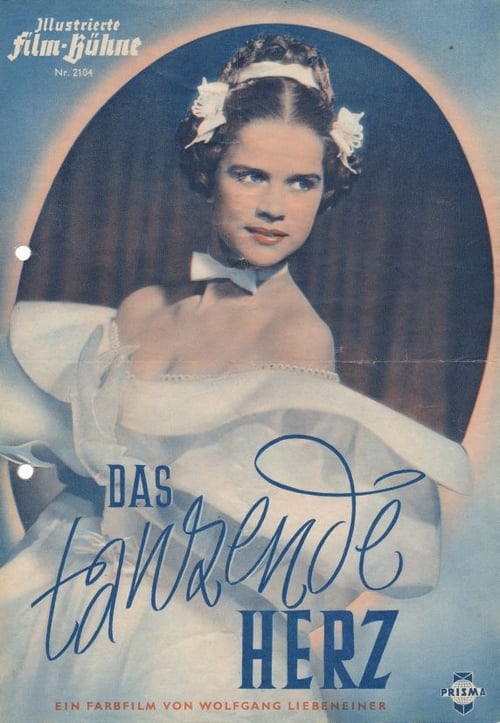
Das tanzende Herz

No description available.
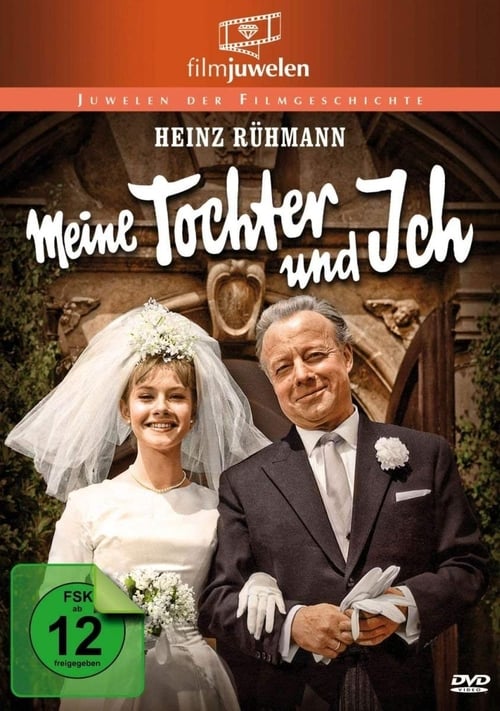
Meine Tochter und ich
No description available.
Zwei Herzen voller Seligkeit

No description available.