Acting
"Millionaires" is an Austrian feature film from 1937, a comedy directed by Karlheinz Martin. The film premiered on July 31, 1937, in Vienna and is based on a story that illuminates life and love in the social milieu of the time.
This Hungarian musical comedy (English title: Spring Parade) was produced by Joseph Pasternak, who later remade the picture in Hollywood as a Deanna Durbin vehicle. The original 1934 version stars Franciska Gaal as a Hungarian serving girl who heads to Vienna to visit a relative. Stopping over at an outdoor carnival, Gaal is told by a fortune teller that she will enjoy a happy marriage with a handsome and wealthy stranger. Later on, she finds herself at a fancy dress ball, where a good-looking aristocrat, assuming that our heroine is a countess masquerading as a peasant, falls in love with her. Delighted that the fortune-teller's prophecy seems to be coming true, Gaal finds herself in a dilemma when she falls in love with poverty-stricken soldier Wolf Albach Retty. But things turn out OK when Retty, the regimental drummer, composes a hit song which brings him fame and fortune, thereby neatly fulfilling that prophecy.
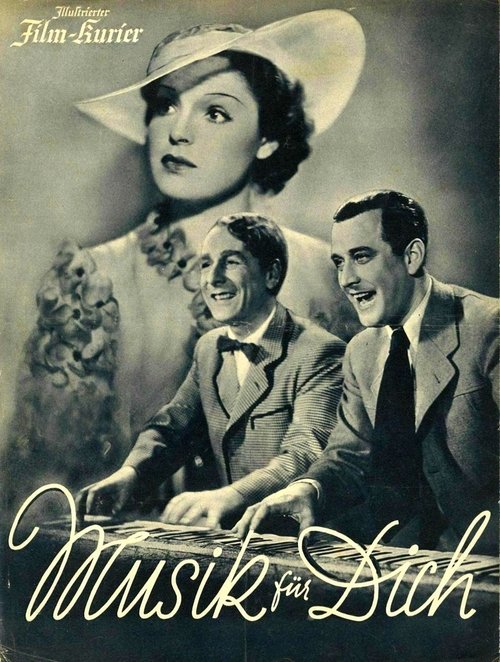
The young ice skating talent, Liesl, lands a part in a new Revue at the Palast Theatre simply because she is confused with someone else. In reality, the roll was to be awarded to Lu Panther, the untalented girlfriend of the theatre's owner, Wildner. After a series of accidents and little disasters, Wildner shuts down the theatre before the Revue can take place. But the Revue's director, Ernst Eder, decides shortly thereafter to present the Revue on an ice skating rink belonging to Liesl's uncle. After a successful run, at first at the Wiener Prater, the performers move on to Spain, Hungary, and a night club with a Jazz orchestra. The Revue becomes a huge success ... and, of course, Ernst and Liesl end up together, too.
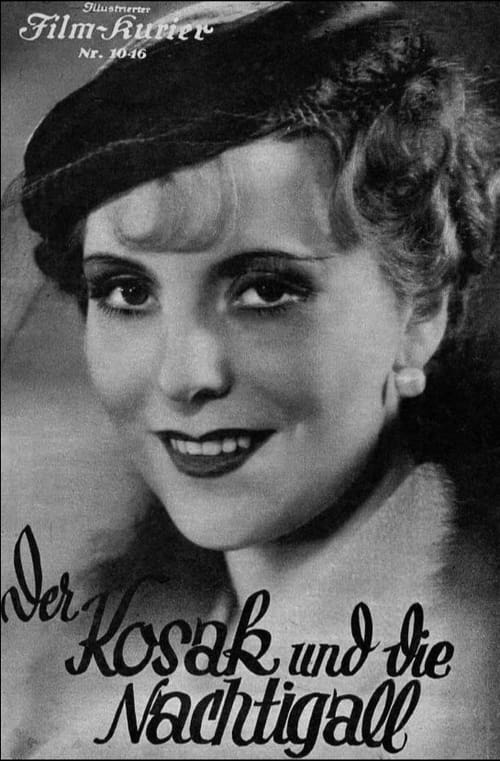
Prince Alexander loves the commoner Vera and defies his uncle the Tzar as well as his peers by arranging his wedding. But Vera leaves him because she does not want to be the cause of him spending the rest of his life as a social outcast.
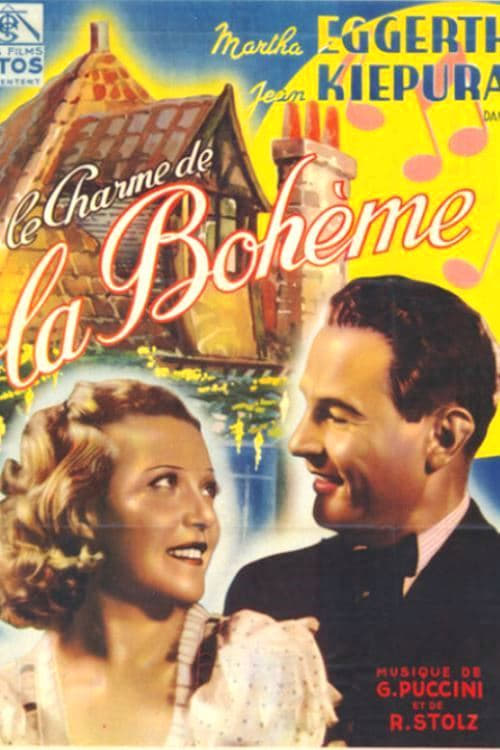
René and his two artist friends lead a meager but careless life in a Parisian small apartment, their main worry being to avoid the housekeeper. Whenever they get some money they call more friends in and celebrate. This is how he meets beautiful but fragile Denise, who wants to be a singer as himself, and they fall in love. Yet when she finds out her real condition she takes a drastic decision which will determine their fates. La Bohème arias, and more.
No description available.
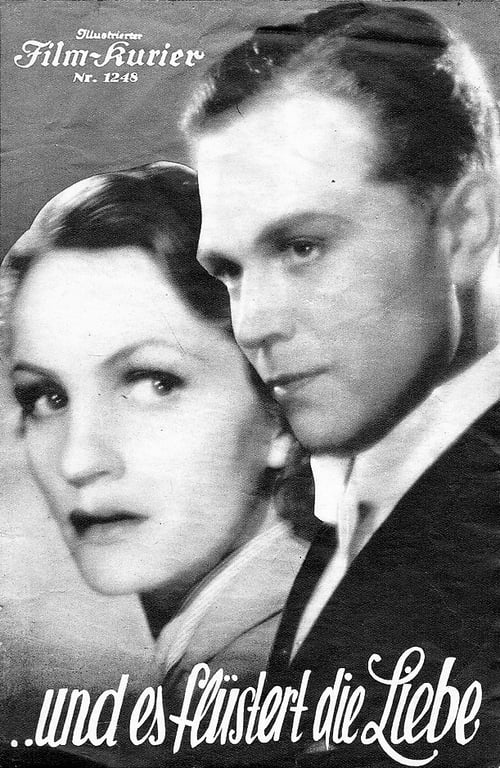
A risque drawing is published and threatens to compromise the model, a doctor's wife. Artist Heideneck protects her and invents a name. But the name exists, and this respectable lady is drawn into the artist's shady affairs.
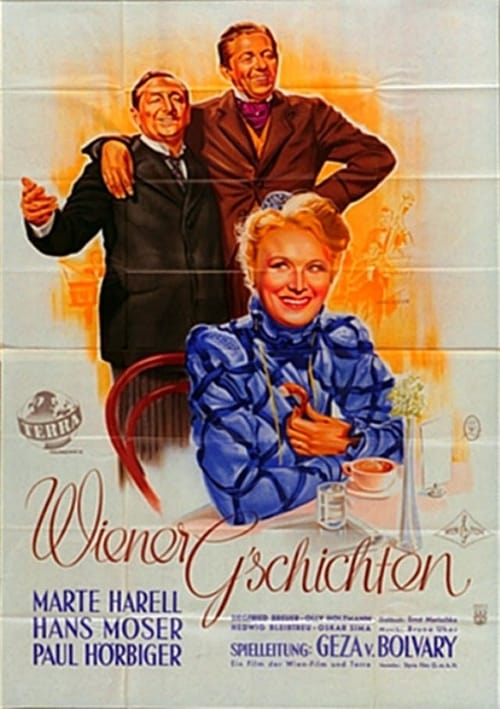
A nostalgic story about life in and around a classic Vienna coffee house. The film is set in Imperial Vienna at the beginning of the twentieth century.
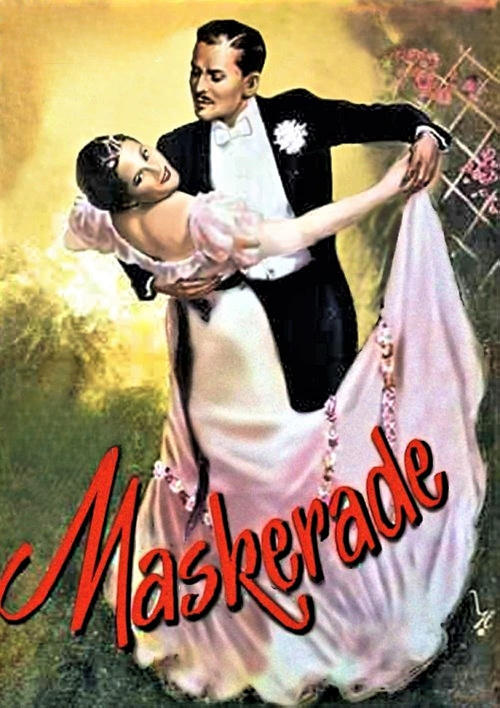
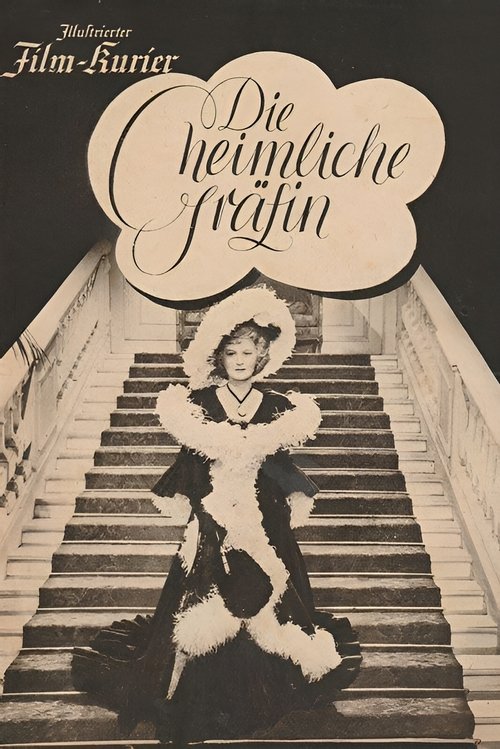
A comedy of confusion in aristocratic Vienna at the turn of the 19th into the 20th Century: The young Bohemian Countess Antschi Dorival trades places with her friend Martina, because she wants to become an actress and applies as such at the city theatre under a false name. And so, Martina attends the Vienna Opera Ball, posing as the countess. Because of their striking similarity to one another, Martina is confused with the impostor Sonja Lubomirska, who shortly before stole a necklace belonging to the wife of Archduke Johann Sylvester.
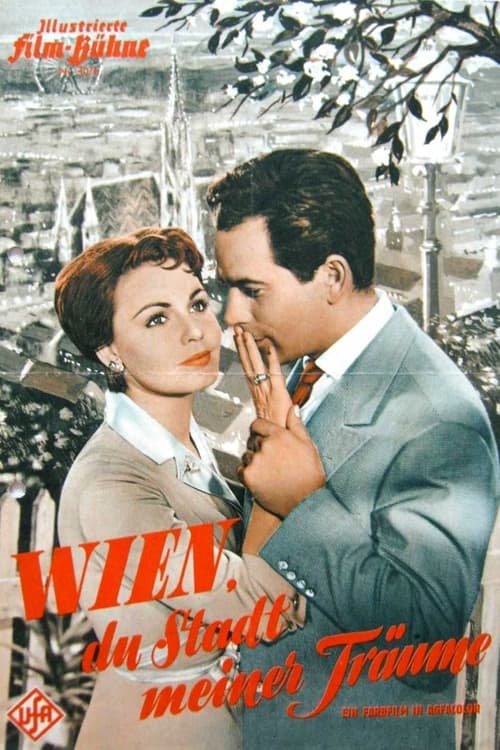
In the made-up country of Alanien, King Alexander I has been overthrown while abroad. Now, he's in Vienna with his daughter, the city of his fondest memories since studying there as a boy. It doesn't take long for the charm of Vienna to work its magic on the former king: he quickly comes to terms with the new situation and is able to enjoy the Austrian capital sans all the ceremony and trappings which would otherwise accompany him on a state visit. The princess is content with preparing herself for a career as a pianist concert, while the former king takes a job as a chauffeur in the embassy of the country he once ruled. The revolutionaries are shocked; and his days in Vienna are numbered.
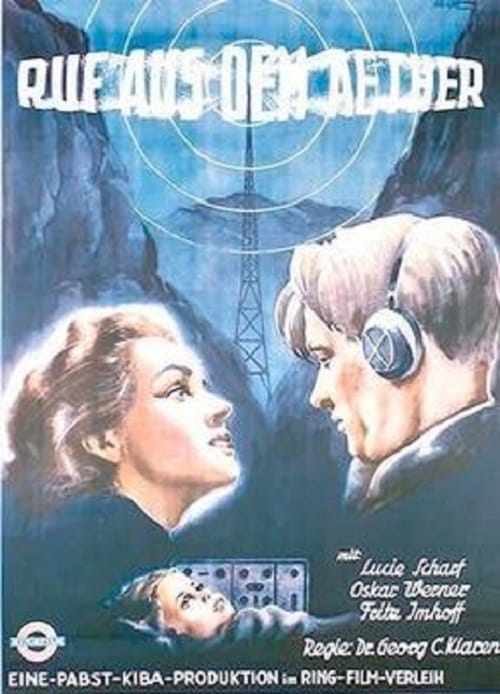
A smugglers gang is active on the Austrian-Swiss border. Until now, no one has come to their attention. But one day a little girl gets seriously ill and needs medical attention; the young operator will forget that he has to be careful and calls for help through the secret channel.
A film for scatterbrains. Everyone's constantly forgetting something – the daughter the little dog, the father the files, the chauffeur forgetting to close the roof of his taxi when it's pouring rain and his passenger gets soaked. Everyone rushes through life and doesn't even have time for themselves. Then a "young" student (Hans Söhnker) returns to his hometown. He receives a lavish welcome and, at 34, is probably one of the oldest students in German film history. He has three fathers who support him financially and studies on their money. Interminably. Now he has to accept that his fathers have run out of money for his studies. So he rolls up his sleeves, forgets about the expensive degree, and switches to a trade. He does hair, he drives, he assembles film, he shaves, and he pins seams. There he meets a young lady, has time to serenade her, and then learns that his biological father is a millionaire, who now lends him a hand and distributes cash to the other cash-strapped fathers.
The story revolves around Vera, a renowned singer constantly evading her possessive Russian husband, Count Ogolenski, who uses cunning tactics to eliminate her potential suitors and refuses to grant her freedom. Seeking refuge and romance, she becomes involved with the wealthy Dschahid Bey, leading to a tense confrontation amid elements of espionage, with settings including Egypt and the Nile. The narrative blends absurd intrigue, thriller aspects, and romantic tension, reflecting Perutz's style of fantastical and mysterious tales.
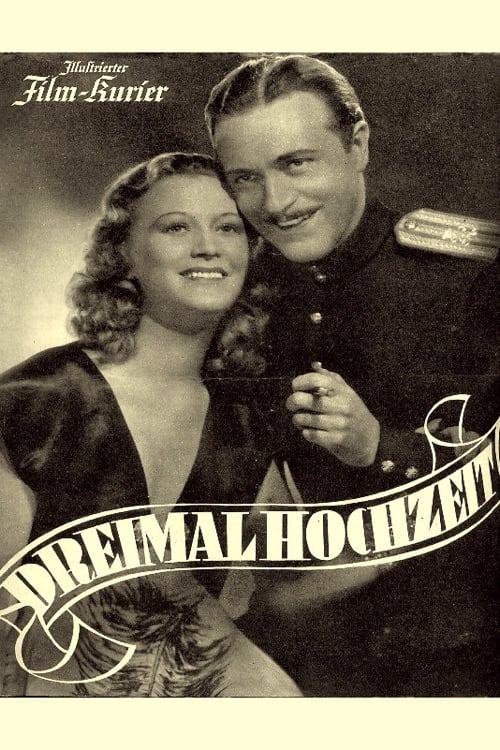
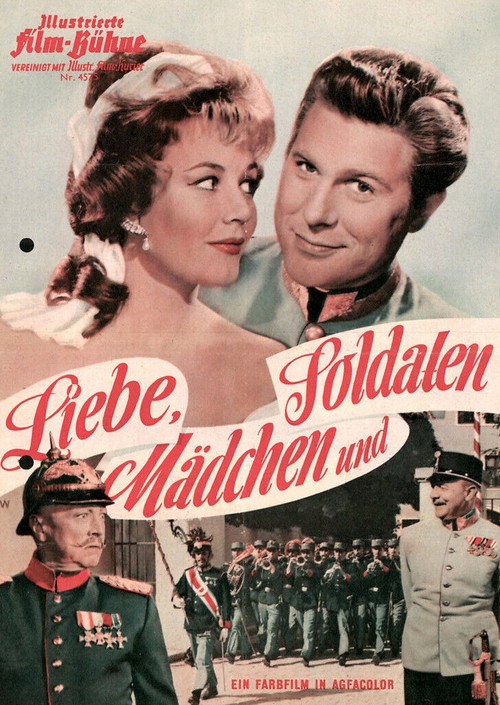
To escape dreary country life, a count travels to Italy with a friend every year. Instead of the alleged purchase of horses, the reason he gives to his mother as to why he needs to travel to Italy, he spends his time chasing after the ladies.
Begun in 1944/45, finished and released in 1949, this is a biography of the composer Carl Michael Ziehrer, who overcomes hypersensitivity in competitive situations which leads initially to failures in both career and romance.
Young Count Georg Wolkersheim is sent to the Congress of Vienna to represent the interests of his country, Reuss-Schleiz-Greiz. Tensions arise between the count, his wife Melanie, and their two chamberlains, and when the four attend a court ball, Melanie leaves Georg, assumes the identity of a famous actress, and attracts the affections of Crown Prince Ludwig of Bavaria.