Writing
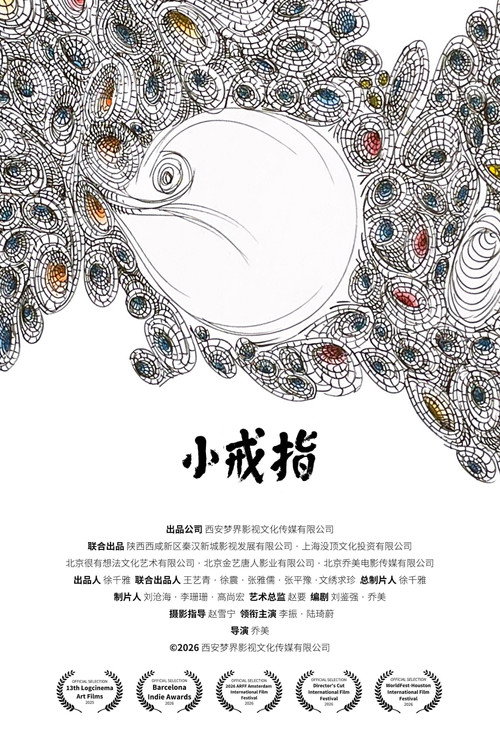
This film is adapted from a true story set in the Tibetan-inhabited areas and centers on the emotional entanglements of urban art practitioners. It follows a suspicious-minded male protagonist who drifts apart from his girlfriend over conflicts surrounding their artistic careers, forcing him to put his marriage proposal on hold indefinitely. After the pair travels to the Tibetan regions together, their relationship crumbles completely, culminating in an unexpected ending.The production features numerous leading contemporary Chinese artists and inheritors of intangible cultural heritage from Tibetan areas, seamlessly merging avant-garde art with traditional indigenous culture. Through an intimate emotional narrative exploring the full spectrum of human nature, the movie draws on Eastern philosophical thinking to help viewers break free from worldly obsessions.
No description available.
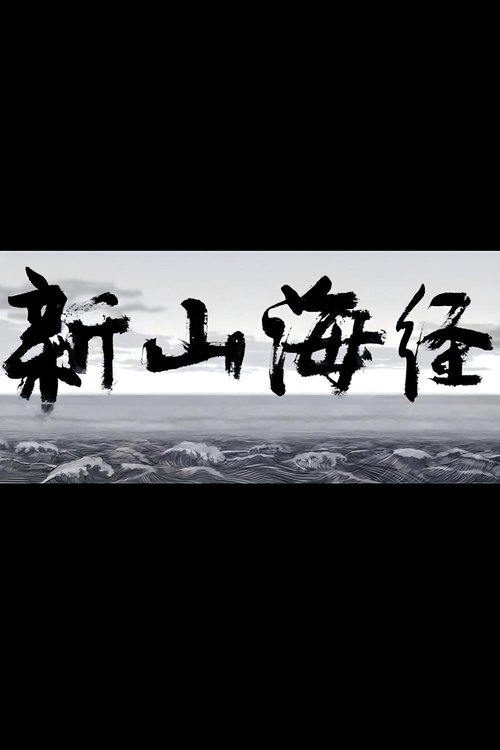
"The New Book of Mountains and Seas" is composed of a large number of ink paintings, which are finally produced into animation form. The title of the work is taken from the ancient Chinese mythology classic "Shan Hai Jing". In addition to studying the interaction of ancient and modern Chinese culture, the "New Mountain and Sea Classic" and similar works have a dreamlike effect: the clearly depicted images composed of incredible narrative techniques faithfully present the illusion of the world around people. The work strongly condemns environmental degradation, social collapse, and large-scale urbanization. The connection with reality strengthens its political significance.