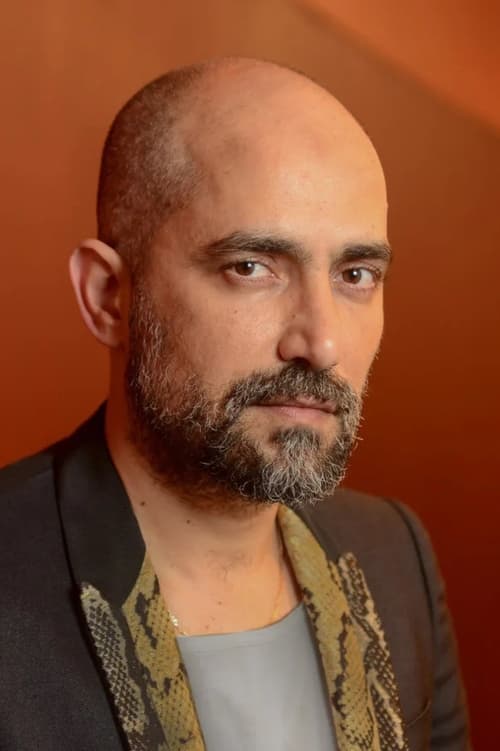
Shlomi Elkabetz
Directing
Biography
Shlomi Elkabetz (Hebrew: שלומי אלקבץ; born 5 December 1972) is an Israeli actor, writer and director. Elkabetz is best known for his Vivian Amsalem trilogy comprising the films, To Take a Wife, Shiva and Gett: The Trial of Viviane Amsalem. Elkabetz co-wrote and co-directed the films with his older sister, Ronit Elkabetz, who also starred in the films as Viviane Amsalem, an unhappy Israeli housewife trapped in a marriage with a pious man she cannot stand. The films were loosely based on the relationship between the Elkabetz's parents. Description above from the Wikipedia article Shlomi Elkabetz, licensed under CC-BY-SA, full list of contributors on Wikipedia.
Known For
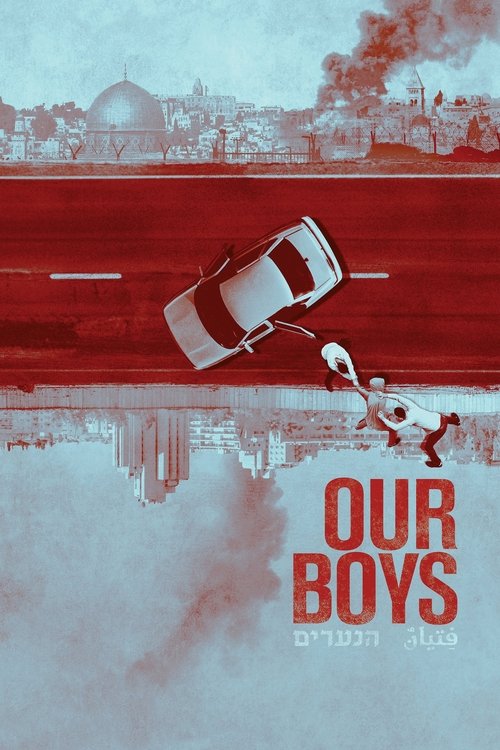
Three Jewish teenagers are kidnapped and murdered by Hamas militants in the summer of 2014, leading to the retaliatory killing of 16-year-old Palestinian Muhammad Abu Khdeir and a conflict that forever changes the lives of Jews and Arabs alike.
Our Boys

The trial story of Viviane Amsalem's five year fight to obtain her divorce in front of the only legal authority competent for divorce cases in Israel, the Rabbinical Court.
Gett: The Trial of Viviane Amsalem
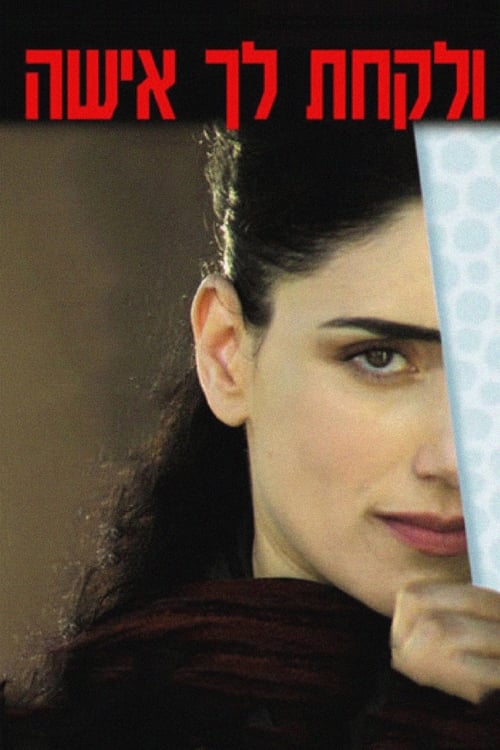
The story takes place in Haifa, Israel, in 1979, during three days before the Shabbat. A young woman trying to raise three children, work from home, and observe the strict Moroccan traditions of her family finds herself at constant odds with her husband and her brothers, who want her to stay married and leave behind the notions of being loved and free.
To Take A Wife
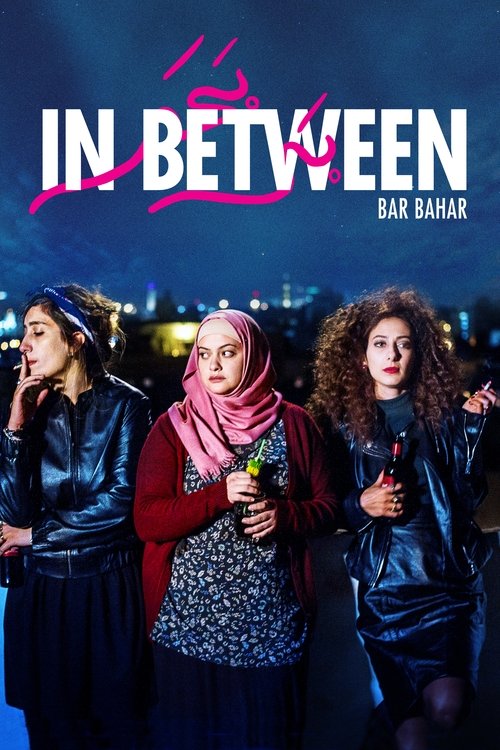
The film captures the daily duality of three young Palestinian women in Tel Aviv, caught between hometown tradition and big city abandon, and the price they must pay for a lifestyle that seems obvious to many: the freedom to work, party, have sex, and choose.
In Between

The final part of a family trilogy by Ronit and Shlomi Elkabetz. It follows Viviane Amsalem's grueling legal marathon to obtain a divorce.
Il était une fois... « Le procès de Viviane Amsalem »
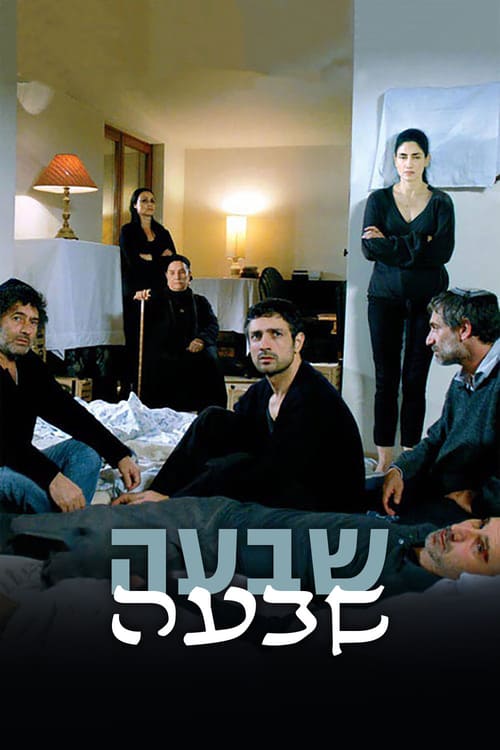
The Ohaion family is mourning the death of one of their relatives. In keeping with tradition, they gather together in the home of the deceased and stay there for seven days. Forced to put up with one another day and night, the brothers and sisters soon let their bitterness and arguments override the sense of communal reverence. The atmosphere becomes unbearable and long-buried truths finally surface.
The Seven Days
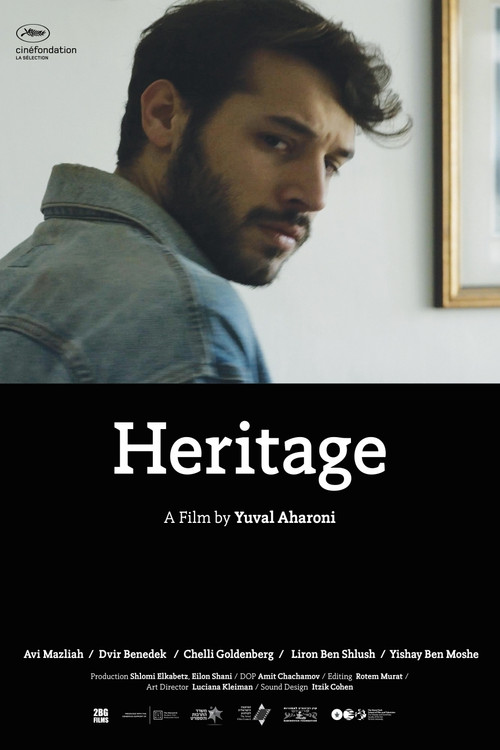
Noam, a young gay man, discovers that his father, who just died, had a secret affair with a married man. He follows and meets that man. He now holds his father’s secret.
Heritage
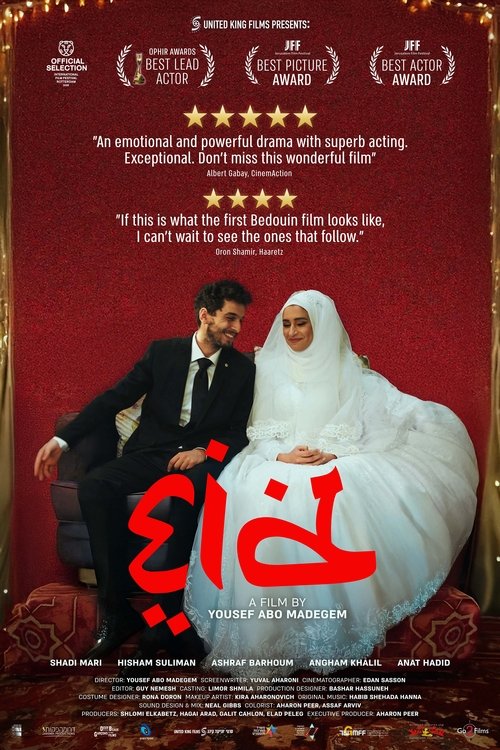
Eid, a young Bedouin from Rahat, spends his nights in Skype calls with Dounia, a married Arab actress living in Paris. Dounia is both his audience and his muse for a play he is writing about his life. When his parents force him to marry a woman he doesn’t know, Eid fears he will not be able to complete his dream. Eid will try to change his fate, determine the ending of his play himself, and tell his story—even if no one is there to listen.
Eid
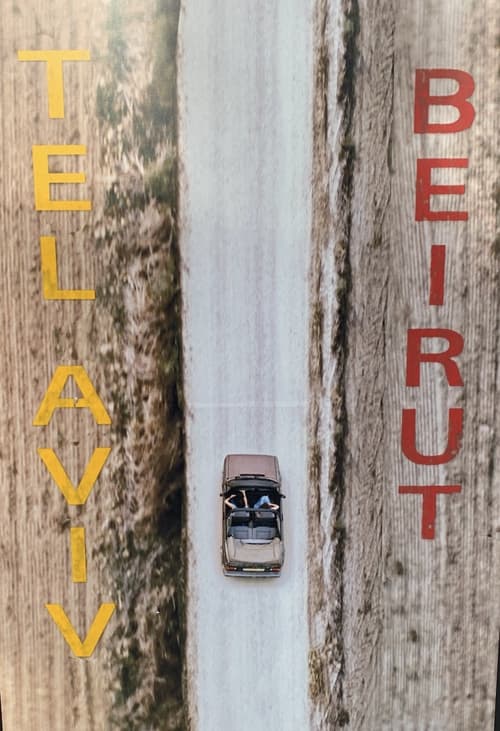
In 2000, as the Hezbollah organization takes over Lebanon, Yossi, a Lebanese soldier, helps his friend Fouad to flee the country in order to avoid punishment, as he’s been working against them for 16 years. Fouad takes refuge in Israel with his daughter, Tanya. A few years later, a new war breaks out in Lebanon, causing tensions at the Israeli border. Yossi’s wife, Myriam, decides to go there and asks for Tanya’s help to look for their soldier son, who hasn’t given sign of life since then. This journey will allow the two women to share their sorrows and heal together.
Tel Aviv Beirut
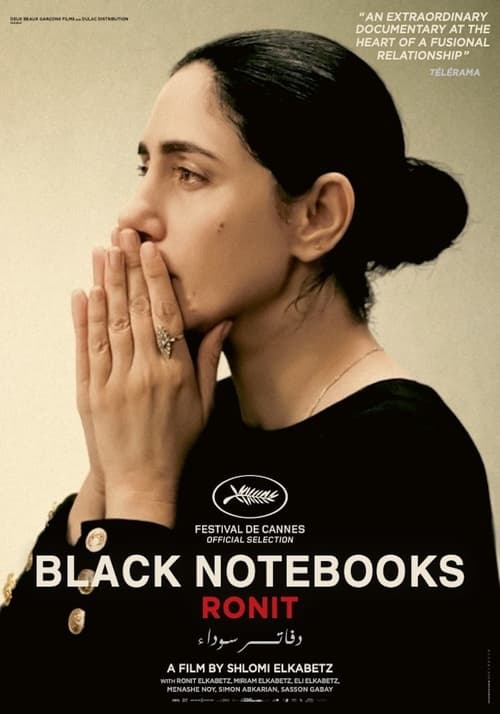
With this two-part feature documentary, Shlomi Elkabetz shares a poignant love letter to his sister, the late actress and director Ronit Elkabetz, and delivers a rare cinematic experience.
Black Notebooks
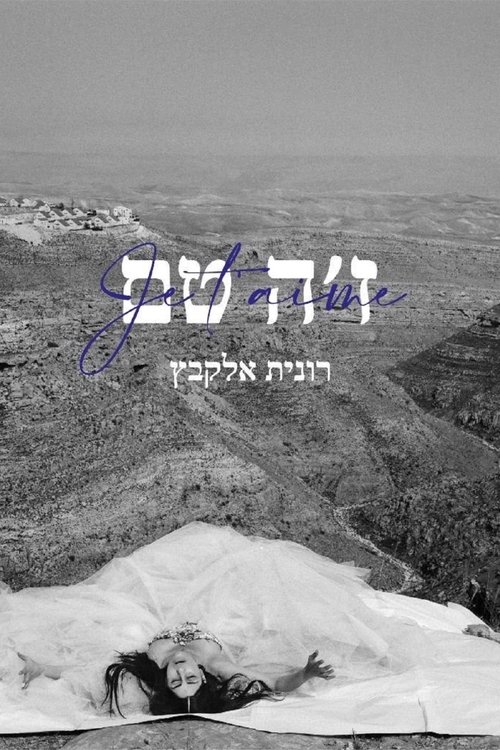
An archival montage of late Israeli director and actress Ronit Elkabetz, as told through the radical collection of her extraordinary wardrobe. A cinematic essay about the power of cinema, the power of clothes, and one unforgettable woman standing for and embodying the deepest human desire for freedom and liberty.
Je t’aime Ronit Elkabetz
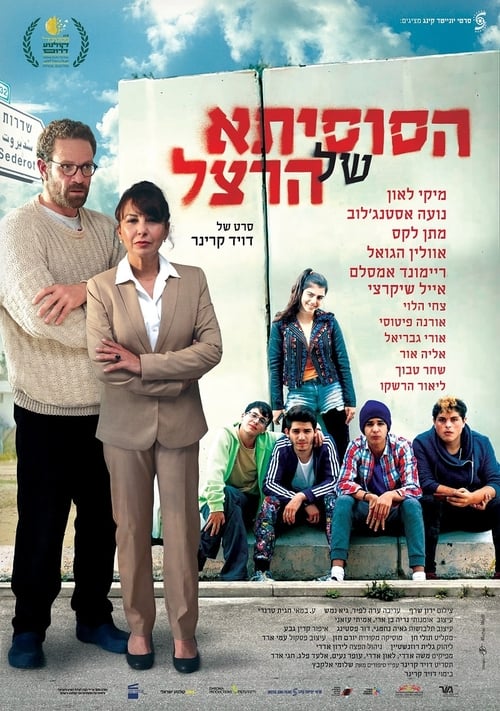
A film teacher has to teach in Sderot and change the lives of his students.
Shooting Life
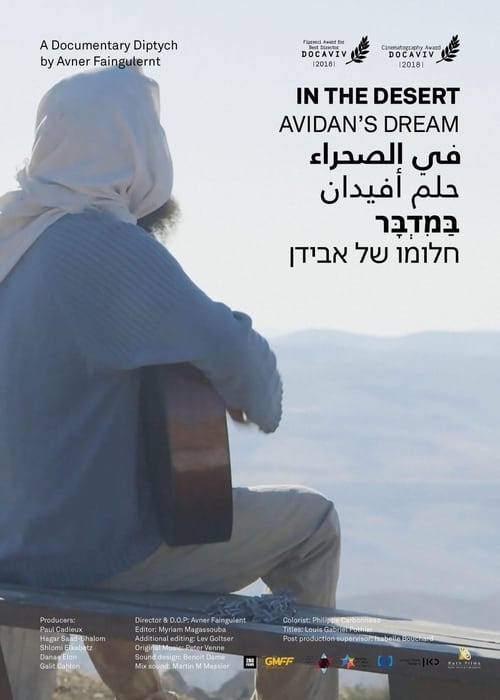
In close proximity and yet without any points of contact: In the West Bank, Israeli settlers and Palestinian farmers live next door to each other - and yet in separate worlds. Omar takes his Palestinian family from their town house to the barren slopes of Mount Hebron, where they are supposed to help look after his sheep farm. The Jewish settler Avidan has settled in the immediate vicinity with a group of like-minded people in order to raise sheep in the desolate land. Avner Faingulernt documents these hermetic worlds in a radical but logical form: as two separate films that only unfold their full effect when viewed as a diptych.
In the Desert: A Documentary Diptych

Israeli street-artist Addam Yekutieli kept his anonymity and signed his works with the pseudonym "Know Hope". He began drawing human-like characters that rapidly gained attention and granted him the title the "Israeli Banksy". But when he experiences an eruption of autoimmune arthritis, he is forced to rethink his artwork in light of his new physical disability. The film documents moments in which a personal human drama generates art and political action. The anonymity of the hit-and-run street artist is replaced with intensive and intimate social interactions, exploring how painful memories and experiences may be alleviated through art.
Know Hope

Palestinian testimonies collected after the second Intifada revealed a harsh daily life reality that, for Israelis, had always belonged to the "others" - the Palestinians - and hence was denied. A few years later, trespassing what had been taboo until then, Israeli officers who served during the Intifada told of their memories. Memories of violence, of suffering, of humiliation. The stories from both sides matched. Against the backdrop of local empty landscapes, an Israeli officer remembers... a Palestinian civilian remembers as well. A journey into the collective memory of Palestine and Israel takes place.