Acting
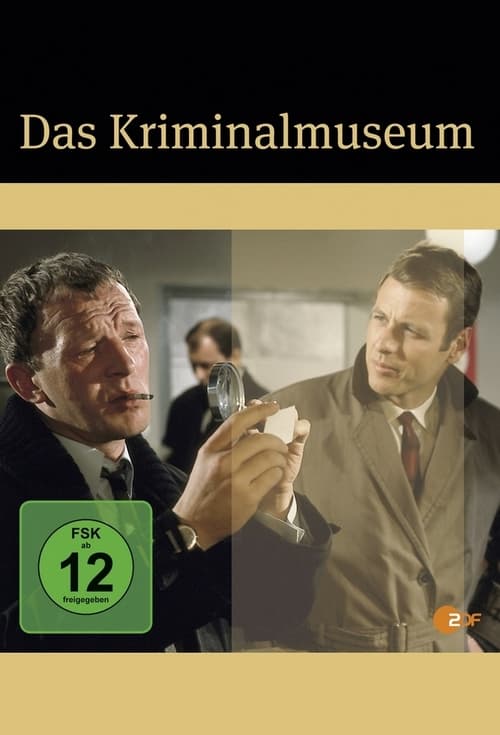
Das Kriminalmuseum was a German television series. It ran from 1963 to 1970 on ZDF and was one of its first programs. Each episode began with a tracking shot through an unspecified crime museum, stopping at one of the displays, whose story was then told. Each episode was between 60 and 75 minutes long and featured different actors as the criminal commissioner. The best known was Erik Ode, who in 1969 moved to Der Kommissar, appearing in 97 episodes. The theme music of the series was written by German composer Martin Böttcher, who also composed the complete scores for five episodes.
No description available.
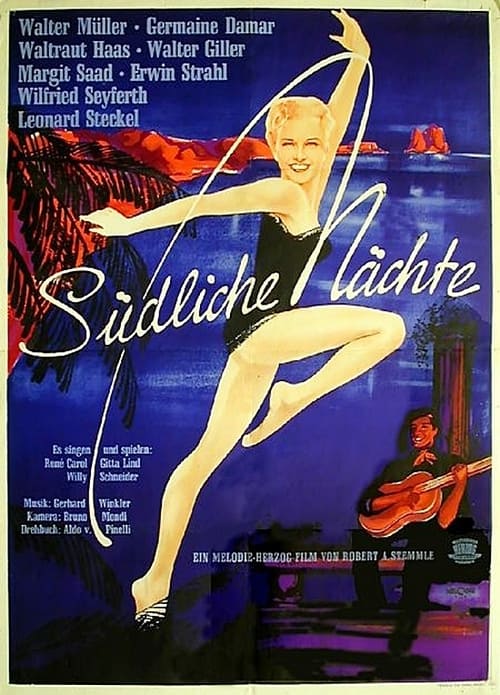
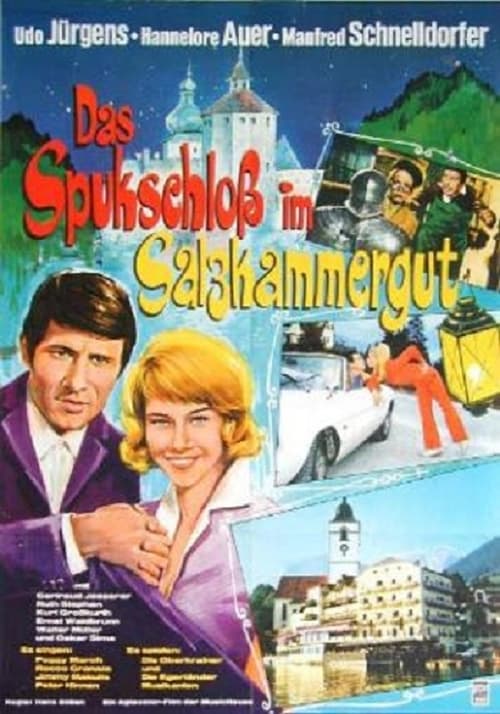
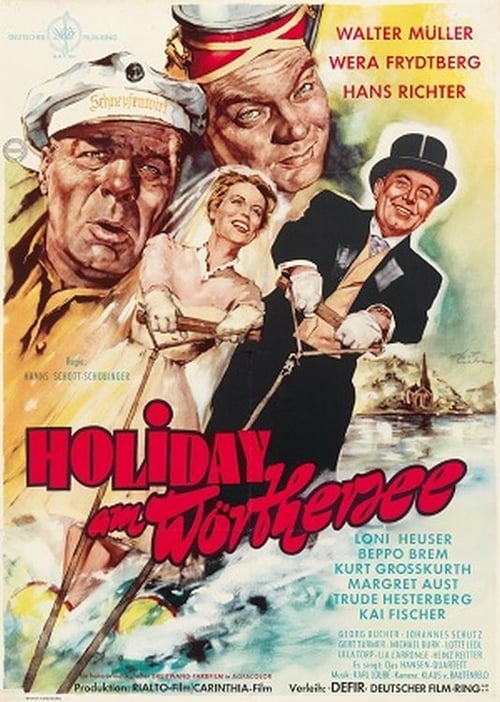
On a trip through the Salzkammergut, a couple singing pop songs tell the story of another duo and their difficult path to marriage: he was into light entertainment, while she was into serious art.
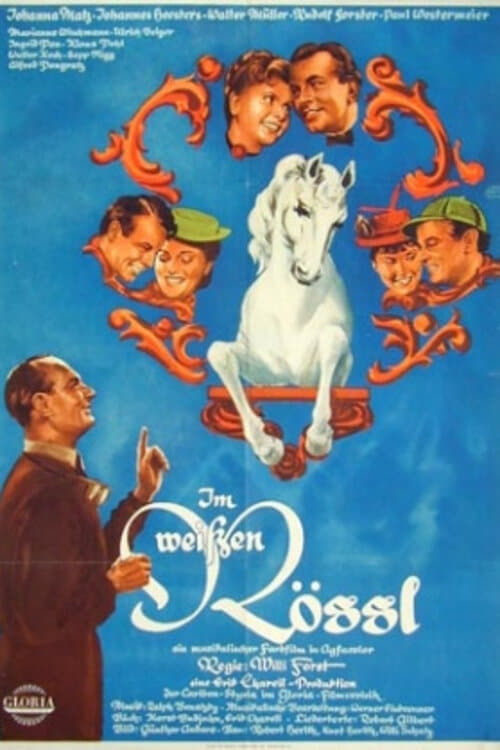
Head waiter Leopold has been secretly in love with the hostess Josepha for a long time, but she only has eyes for Dr. Siedler, a guest in the White Horse Inn. Leopold tries to get Dr. Siedler interested in the daughter of Industrialist Giesecke, who would rather see his daughter married to Sigismund.
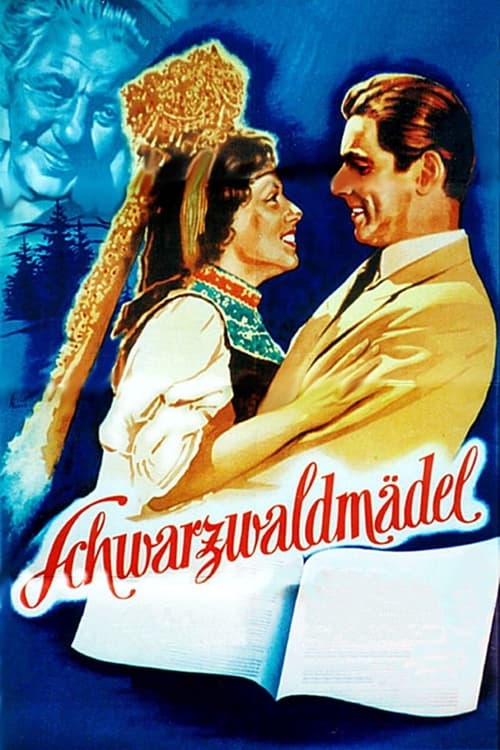
The painter Hans Hauser falls head over heels in love with the "Black Forest girl" Bärbele Riederle. He travels to her home village and soon the two realize that they are made for each other.
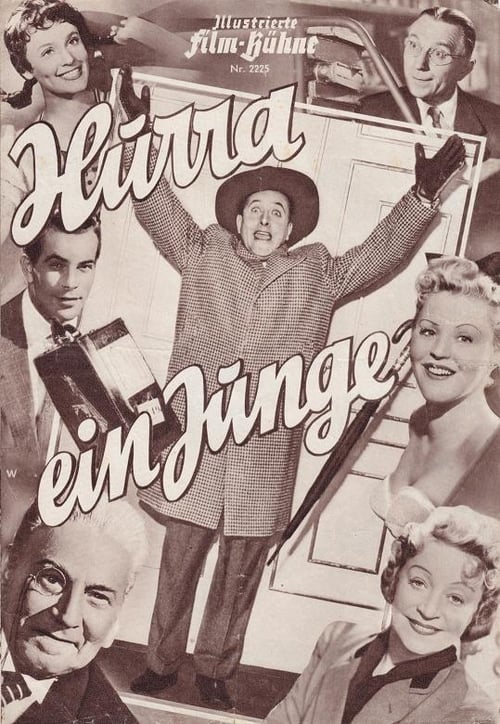
The honest Professor Weber sees his happy family life at risk when a young man appears.
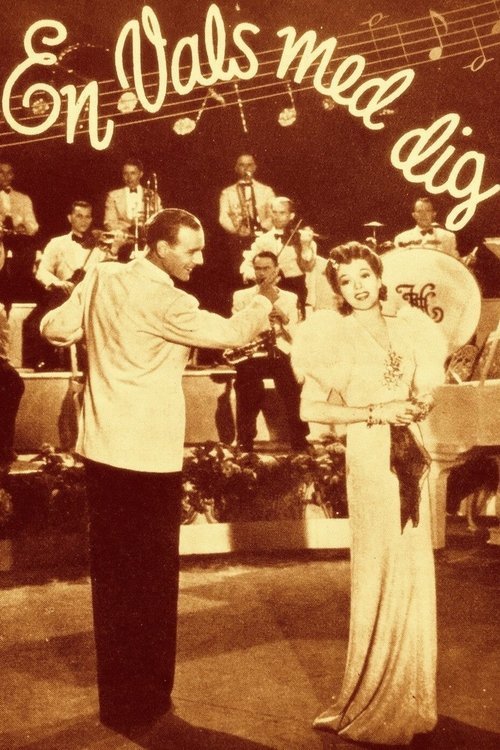
The composer Hans Helmer can really count his happy blessings: he is married to a wonderful woman, who also happens to be a celebrated operetta star. But Hans is suffering from the success of his wife and is constantly in her shadow. He also doesn't want to profit from her reputation when he tries to get his play, "Husband of the Famous Singer" published. Hans wants to be recognized for his own achievements. So he decides to submit his latest composition under the name of his best friend, the painter Willi Kenter. The director is thrilled with the work, but there are some unforseen complications. Hans' wife Maria hears about the operetta and is likewise very impressed; but also sees through her husband's little deception. She tells him that she is determined to play a part in the performance of the work. That's something Hans wants to prevent at any price.
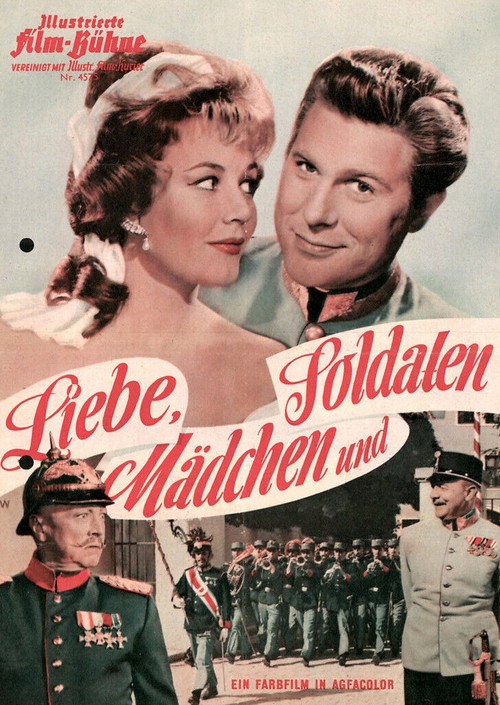
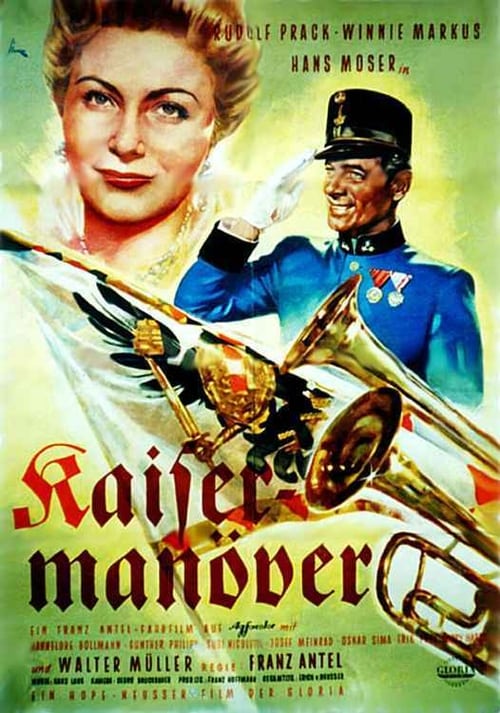
In Franz Joseph I's Vienna, Captain Eichfeld publishes a witty satire on imperial Austrian army abuses, using the pseudonym "Spectator." It's popular, but Eichfeld dares not reveal his identity, as he wants the hand of conservative General von Trattenbach's daughter. His race rival blackmails both lovers.
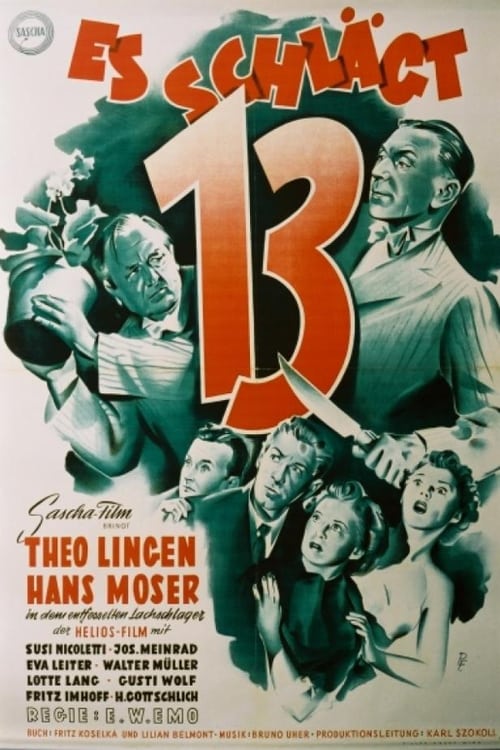
A powerful storm is brewing at Villa Sonnenschein. Mr. and Mrs. Jaconis have declared total marital war on each other. Jealous Hedy insists on the dismissal of her longtime servant Max, who is too adept at covering up her husband's amorous past, the successful author Dr. Jaconis. Max leaves, and the newly hired servant Ferdinand arrives. When the two meet one night, a fateful mix-up of suitcases occurs. Max suspects that his successor must be a criminal and feels obligated to protect his former employer from harm. He secretly returns to the villa. When Hedy's friend Lilly and the publisher Dr. Ravestyn also arrive, the house becomes a battle arena. Everyone suspects everyone else, and adultery and breach of trust, murder, and manslaughter are just some of the accusations that are leveled...
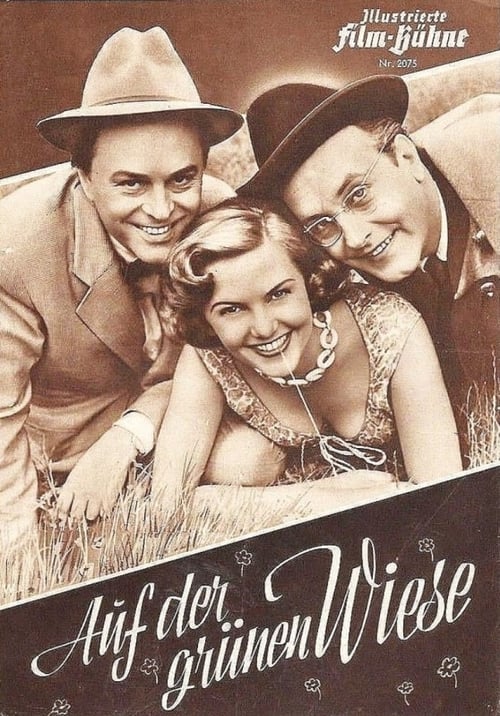
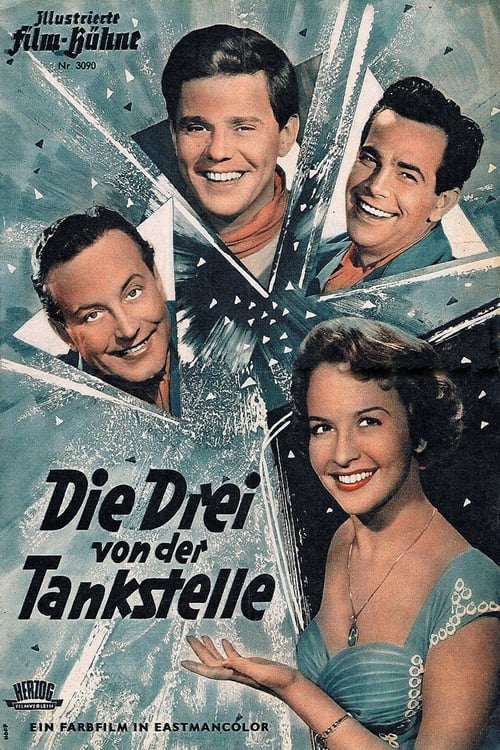
Robert, Peter and Fritz are the best of friends ... and hopelessly broke. But they don't let that stop them and in short order, they end up renting a deserted gas station. With just a little bit of wit and some elan, they'll bring the old girl back to life and all will look rosy ... until all three of them fall in love with the same dame: Gabi, the daughter of the director of a large gasoline firm. Thanks to her, their eternal friendship is really going to be put to the test.
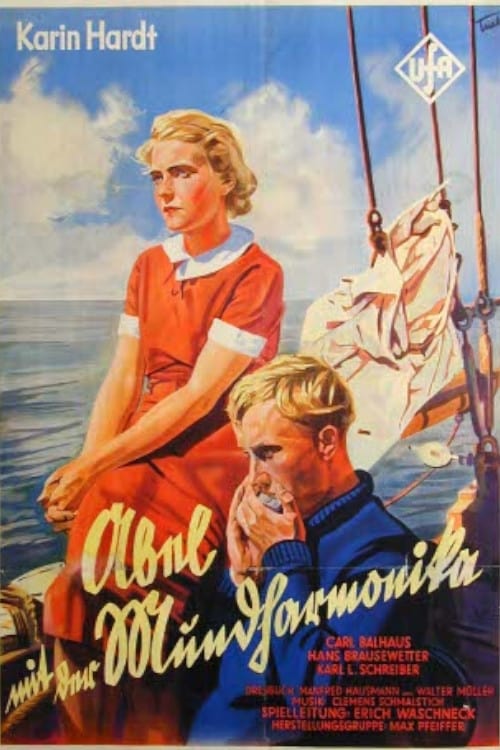
Film by Waschneck.
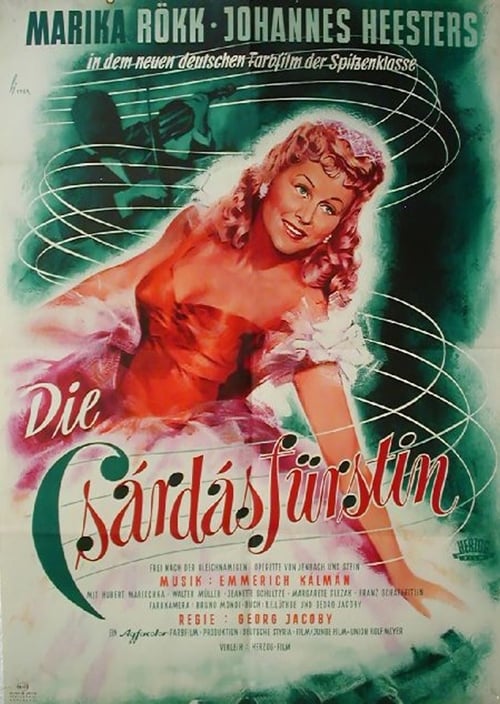
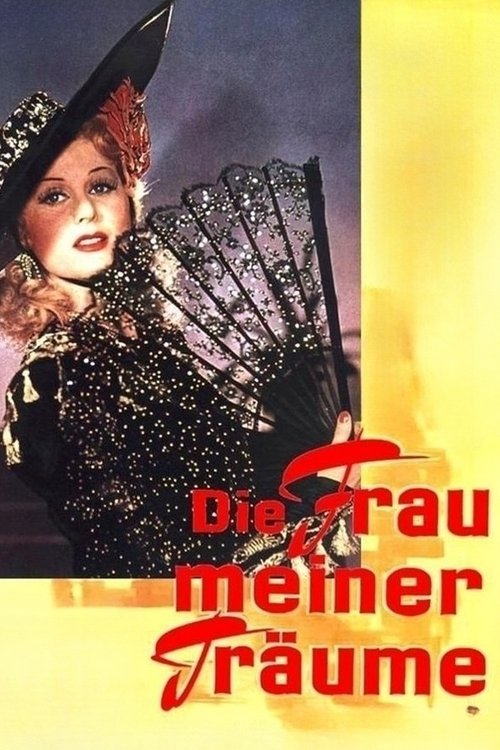
Blonde goddess Marika Rökk plays Julia Koster, a ravishing red-headed musical revue star and her opening number, "At Night It Isn't Right To Be Alone", playing to a packed theater, is both an eye-popper and a jaw-dropper.