Writing
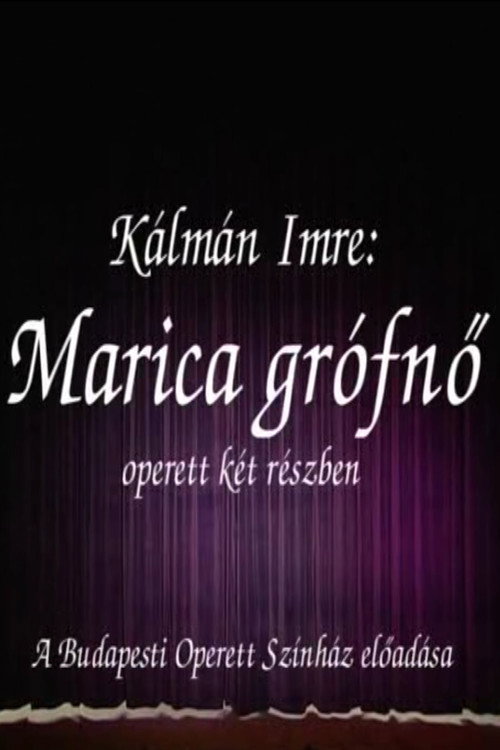
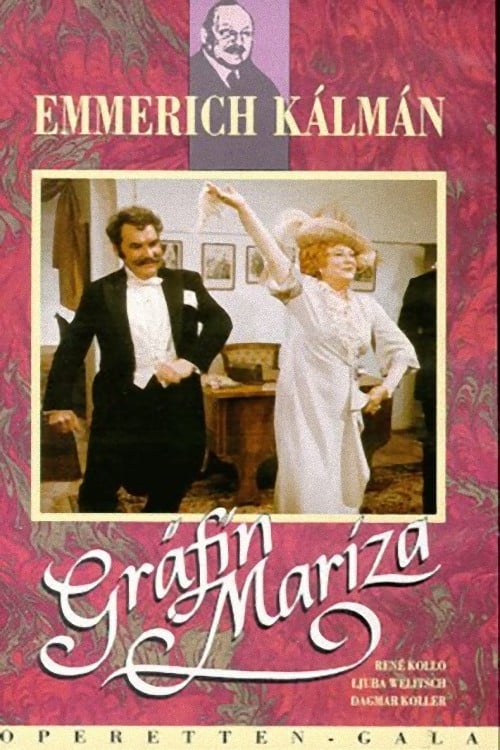
Count Tasziló Endrődy-Wittenberg, who has stepped on the back of his own family fortune, takes a job as a farmhand on the ancient Decsényiek estate in Transylvania, under the pseudonym Béla Török. Knowing nothing of all this, the mistress of the estate, Marica, arrives home from Vienna, distraught by a love disappointment, to bury herself in the quiet solitude of the countryside. And since she sees every suitor as a dowry hunter, she announces that she has become engaged to a baron named Zsupán Kálmán. The two mentally damaged young people love each other with an unquenchable passion... In the meantime, of course, Zsupán, whom Marica believes to be an invented person, appears. He is a good friend of Tasziló and takes on the disguise for his sake, but in this "costume" he falls in love with his friend's sister, who of course understands nothing of it all.
No description available.
A Hungarian countess, wanting to dissuade unwanted suitors, announces her engagement to a fictional count Zsupán. Things go awry when a count Zsupán shows up, having heard of his engagement in the papers.
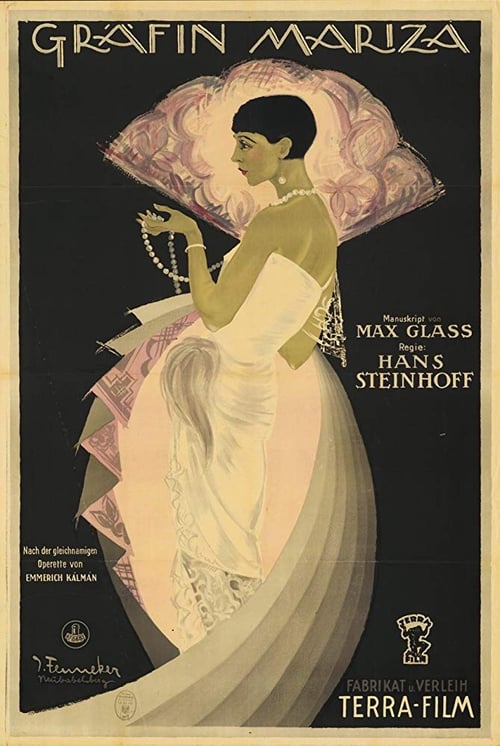
When Gräfin Mariza visits her country estate it is certainly an event. She gives a party to celebrate her engagement to a certain Koloman Zsupan, who unexpectedly shows up. Her authoritarian ways collide with Török, her manager. Based on Emerich Kálmán operetta.
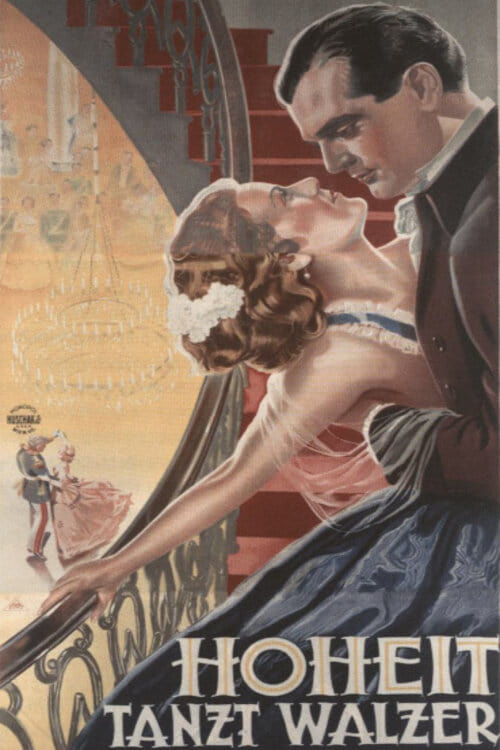
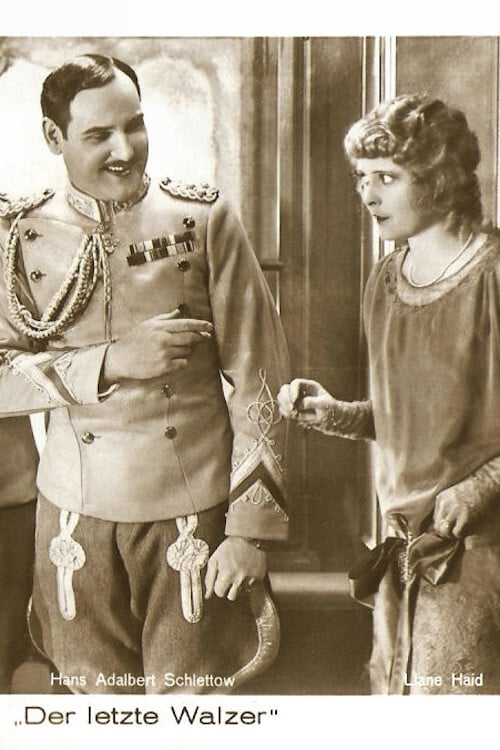
The young musician and composer Josef lives with Beethoven's music copyist in Grinzing. In the evenings, he plays for dances in the Prater, often his own melodies, although he doesn't make much effort to spread them, as they're almost all waltzes, a dance not well-regarded in high society because they're too sweaty. When one evening a lively princess—fresh from the convent—mingles incognito with the Prater crowd and falls in love with the dashing conductor Josef, an entire cultural system of values begins to crumble.
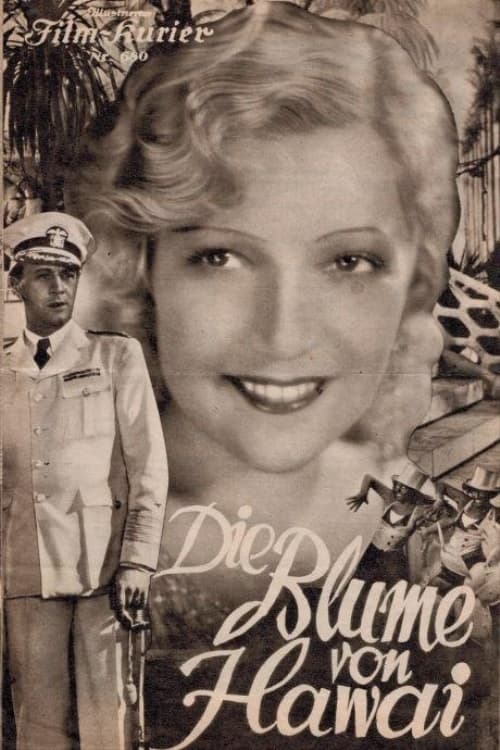
An adaptation of the operetta The Flower of Hawaii by Paul Abraham. It is based on the life of the last Queen of Hawaii Liliuokalani.
As a young girl, the exiled princess Laya was forced to leave Hawaii and was raised in France. She discovers that she looks like the Parisian revue star Suzanne Provence and decides to return to her homeland incognito, disguised as Miss Provence. She is accompanied on her journey by the famous clown Jimmy Boy.
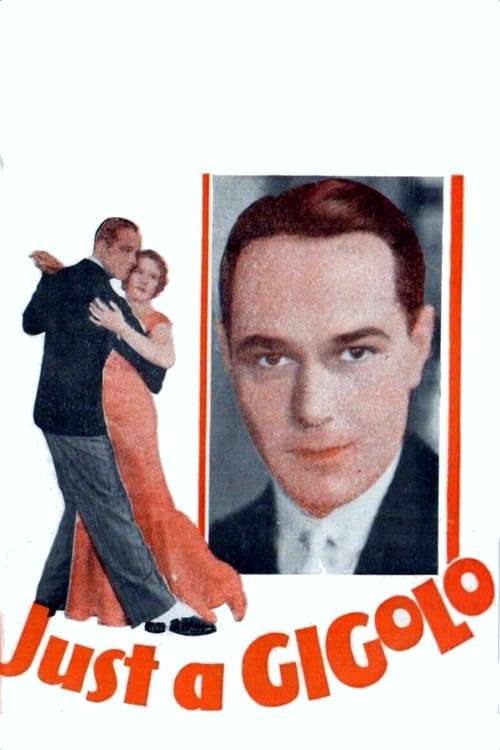
A playboy pretends to be a paid escort in order to court--and test the moral character of--a young British socialite. Comedy.
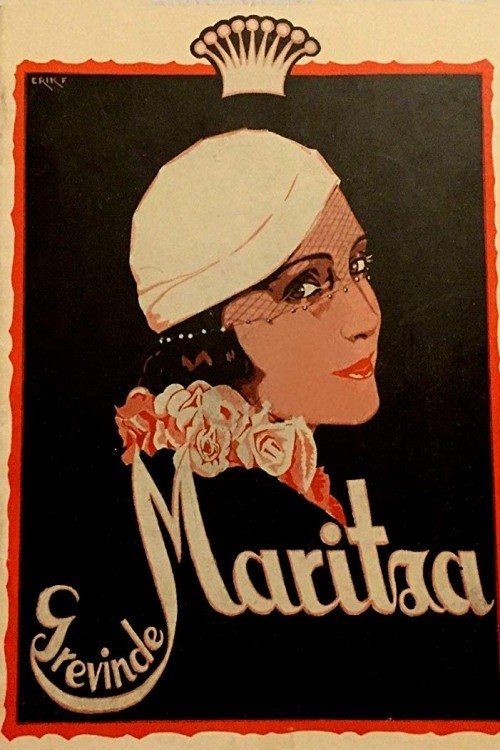
A countess, paying a rare visit to her estate, clashes with the man she has hired to manage it.
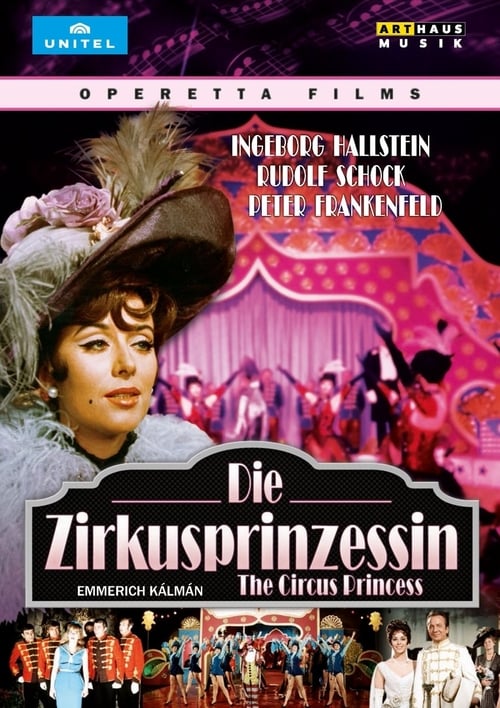
In this three-act operetta by Hungarian composer Emmerich Kálmán, a dashing and mysterious circus performer is hired by a disappointed suitor of Princess Fedora Palinska to pose as a nobleman and marry her. This 1969 performance was produced for West German television.
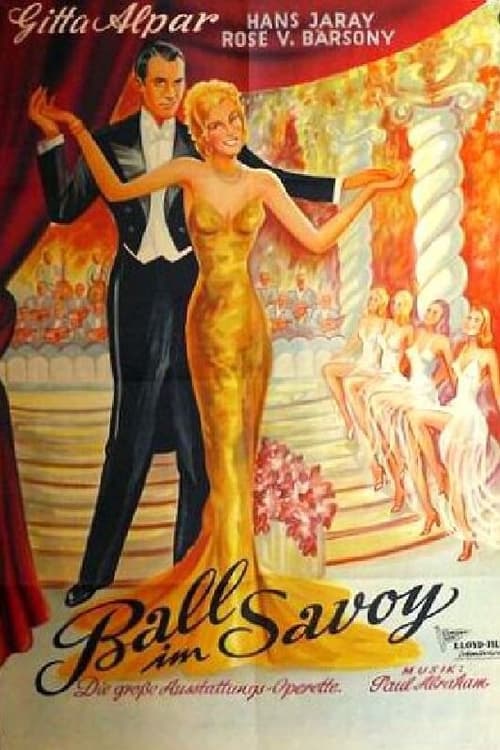
Operetta star Gitta Alpar plays a singer engaged for a performance at the Savoy Hotel, where she mistakes Baron von Wollheim for a waiter. But the baron is content to play the game for a while and changes his role with the real waiter. Of course the singer is quite happy when she discovers the real identity of the baron, but now she mistakes him for a thief, as her necklet has gone missing. Further complications arise when the baron's cousin Mary, a composer, arrives at the hotel and wants a music publisher to listen to her songs.
Woman concert star seeks to connect with her adult daughter, by her former marriage to a staid industrialist who has kept the two apart since the girl was very small, and receives inadvertent help from the industrialist's just-fired employee who has fallen in love with the girl.
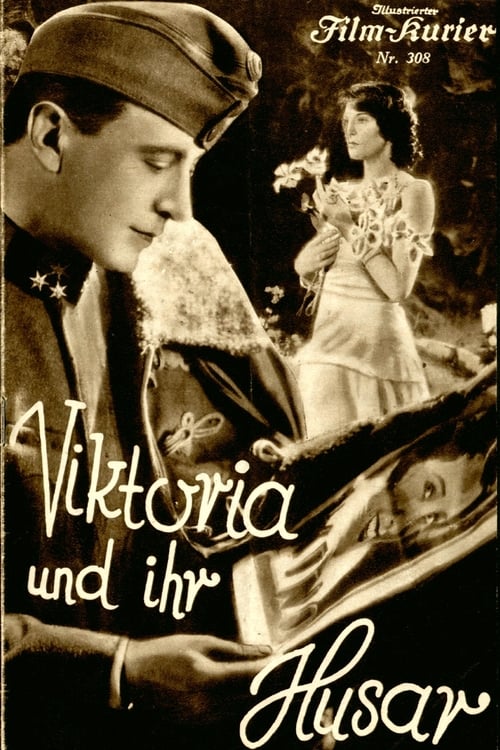
Viktoria is a Hungarian countess who believes her Hussar captain husband was killed in World War I. She marries an American and resettles at the American consulate in Tokyo. Her first husband reappears, alive; and the American generously releases Viktoria from their union.