Directing
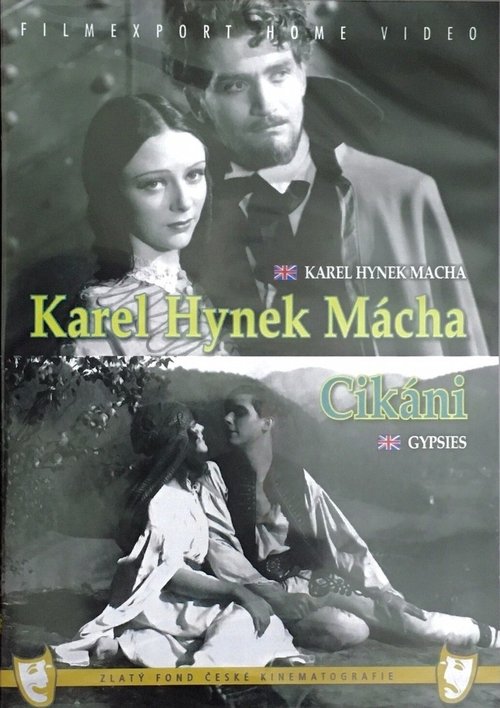
The tale of the Venetian gondolier whose desire for revenge following a thwarted love affair leads him to Bohemia. The intricate plot also deals with destinies of other characters, who finally come together in a dramatic encounter at one time and in one place. In his role as screenwriter and director, Anton produced a highly accomplished version of Mácha’s work. He respected the original but was also able, along with the DoP Karel Kopřiva, to capitalise on the possibilities that the film medium offered. For the Venice prologue, the filmmakers exploited the photogenic qualities of the city – the narrow streets, the lagoons, gondolas and the sea – and they moved the set to the enigmatic Czech landscape around the castle of Kokořín.
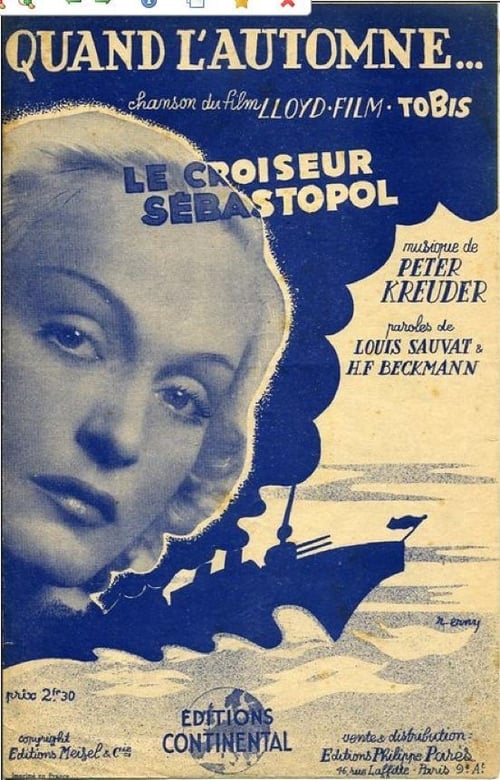
Russia, 1917. Revolution is in the air. The Sevastopol anchors In Saint Petersburg. The sailors are thirsty for women and celebration. The ship becomes a dancehall. Bloodbath, pillage and kidnapping follows. A Nazi/Germany propaganda film.
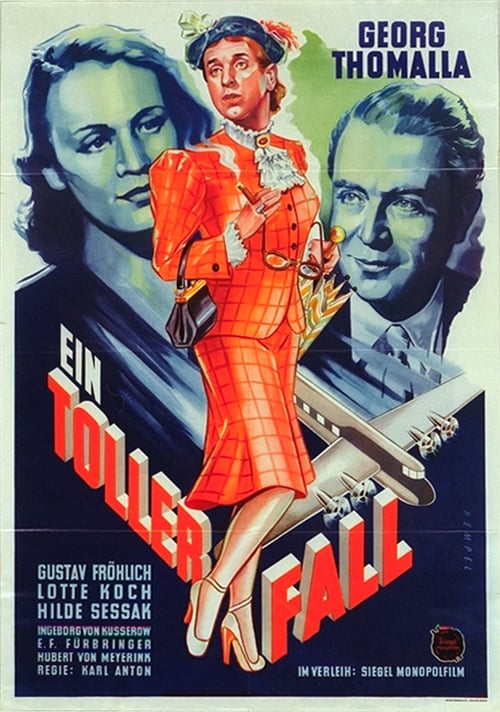
When a significant quantity of valuable gemstones is to be transported to South America by plane, those responsible are naturally extremely nervous. Everything must be perfectly planned, every possible risk averted.
No description available.
Monsieur Albert is a very elegant and much-appreciated butler. One day he falls in love with a client, Sylvia Robertson, and follows her to a winter sports resort. Sylvia does not recognize him and imagines that he is related to a king who goes incognito.
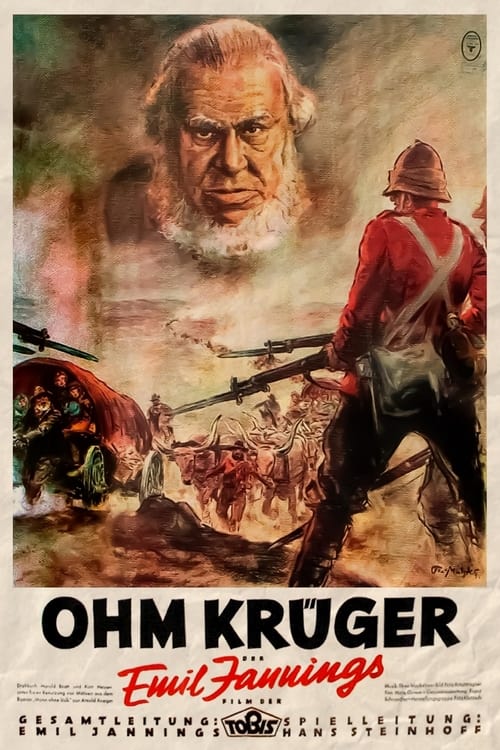
An anti-British propaganda film from Nazi Germany which depicts the life of the South African politician Paul Kruger and his eventual defeat by the British during the Boer War.
A lyrical tale of the pure, vernal romance between a diffident, somewhat naive girl from a rural backwater and a fairly dissolute, but kind-hearted law student from Prague.
Misfortunes and disarray of the little clown Leroy who is upstaged by a comrade, Bertini, and sees himself abandoned by his girlfriend Ginette, preferring his collaborator to him.
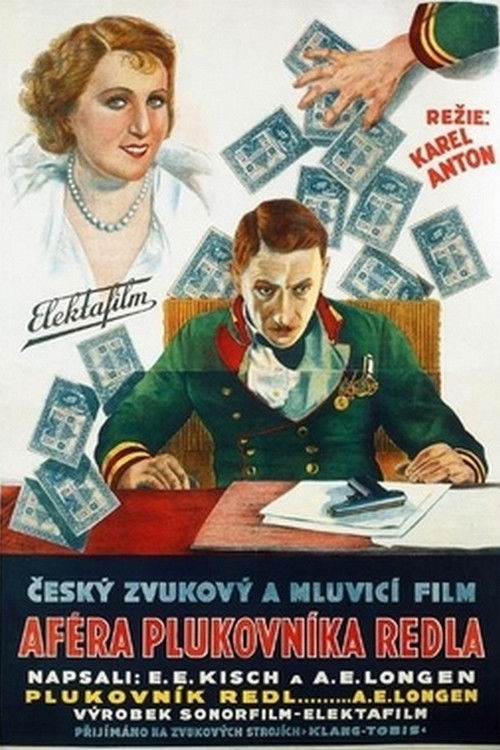
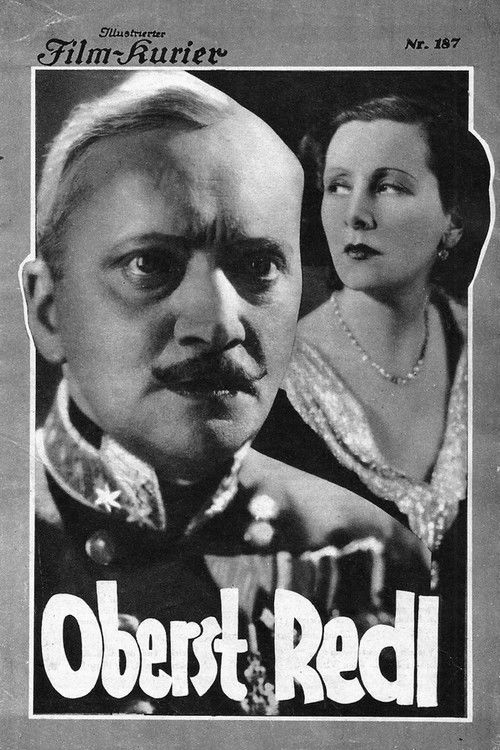
The case of Colonel Redl -- an officer blackmailed into spying by virtue of his homosexuality. Alternate-language version of "Der Fall des Generalstabs-Oberst Redl" (1931)
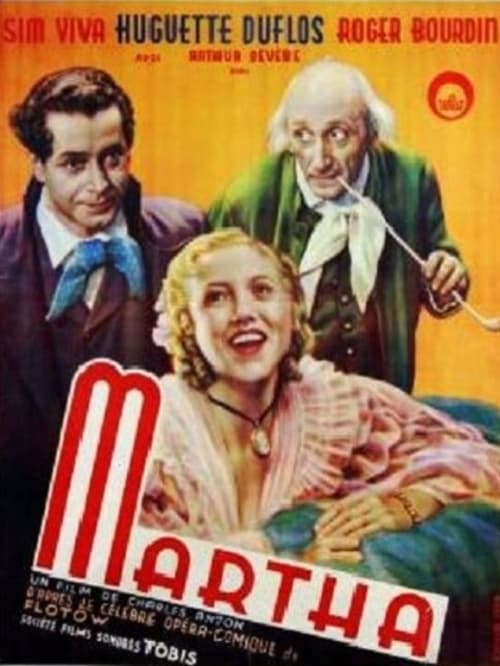
At the English court, at the beginning of the 18th century, Lady Henriett fell in love with a farmer, Lionel, who, following a mistake, believes her to be his servant. By learning his quality, Lionel refuses to receive the one he already considered his fiancée. The queen herself will appease this lover's quarrel and, moreover, will free the peasants of his kingdom.
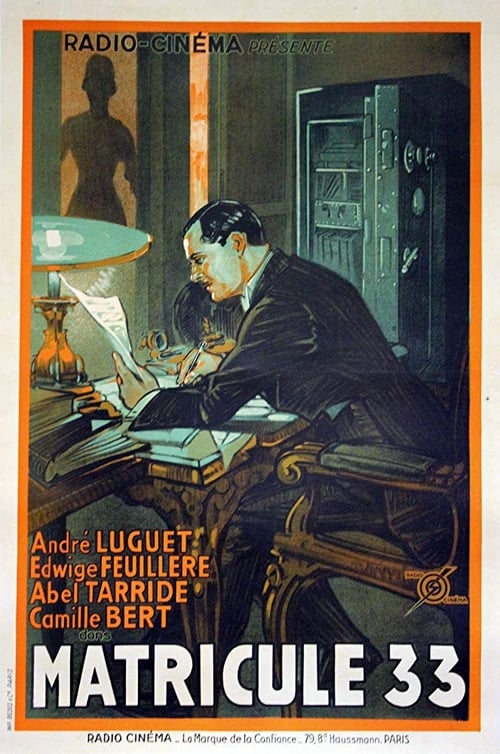
In 1917, a French deserter entered the service of German counterintelligence, but Villard (number 33) was a real French spy. Discovered, he is saved by a German spy who betrays her country for love.
Based on the short story "Der Fall des Generalstabschefs Redl" by Egon Erwin Kisch. Alfred Redl, a colonel on the Austrian General Staff, leads an extravagant private life. No one suspects that in reality he is passing information to Russian spies. Alternate-language version of "Aféra plukovníka Rédla" (1931).
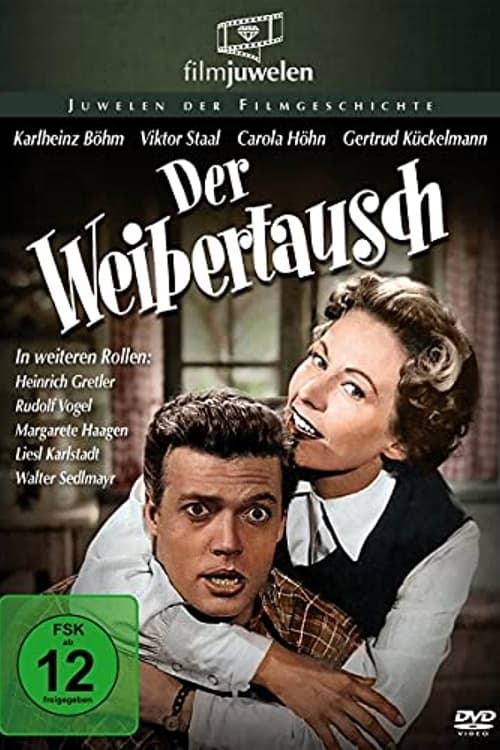
Lorenz has his eye on Simon Gigl's prize-winning breeding bull and would love to have it. But is he willing to make a deal to give up his wife Uschi to Gigl for a week in exchange for the bull?
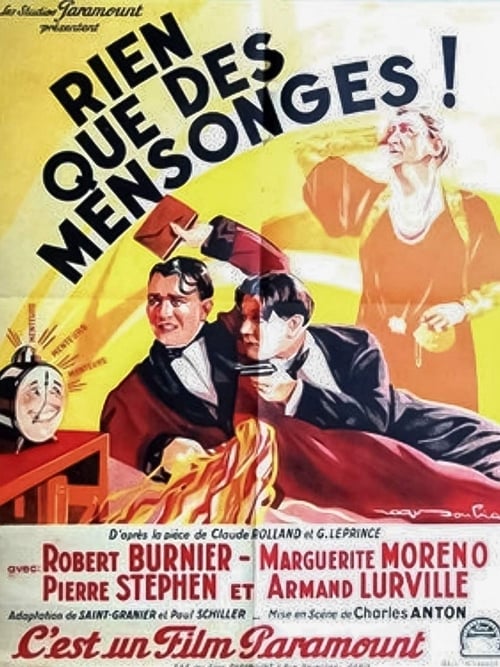
Two husbands claim to be Freemasons so they can go out at night. Where do they go, if not to the lodge, the Masonic lodge? In reality, one goes to visit a pretty and particularly welcoming concierge in his dressing room, and the other spends his evenings in the dressing room of a little music-hall actress.
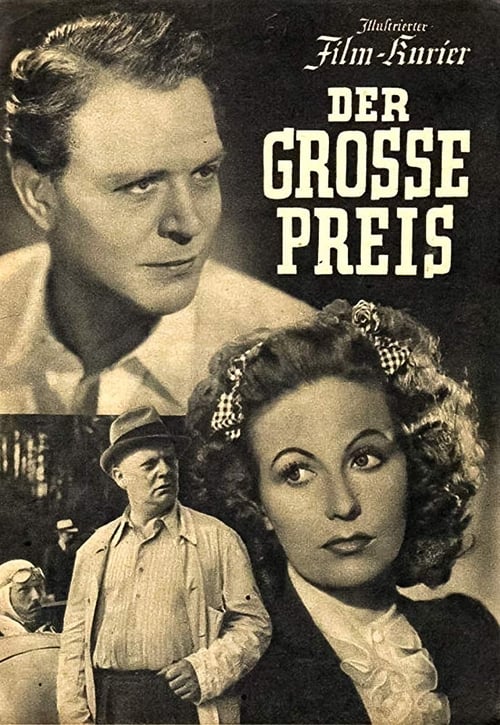
The moral is simple: keep your mouth shut, especially when you're working during the wartime in a factory, which produces racing cars only, or someone can (or even must) get murdered. Not a good movie, not a bad either. The ending is abrupt and artificial, which seems to be a common plague of Third Reich's crime movies. Gustav Fröhlich could never get rid of his silent era mannerisms and overacting. But on the other side, this film is not boring and has to offer some decent plot turns and acting.
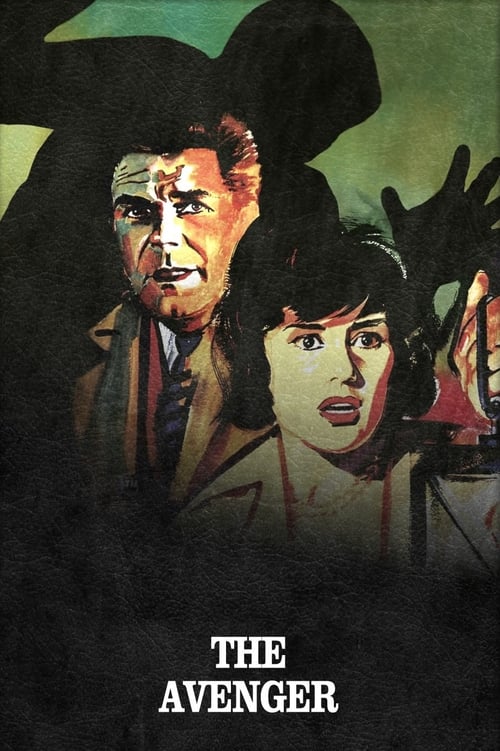
A maniac is loose in London, decapitating his victims and sending the heads to Scotland Yard.
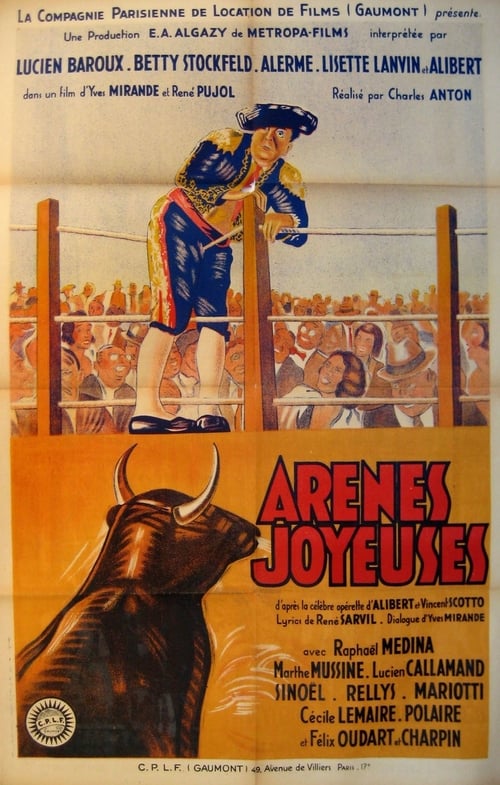
Cabissol, the Mayor of Martigues, a town in the South of France, wishes to organize a bullfight as part of the coming festivities. But that is not counting on Escopette, an opponent of bullfighting, who kidnaps the bulls. What further complicates things is that the appointed bullfighter, Chico de Granada, takes the French leave with Violette, one of Cabissol's daughters. As a measure of retaliation, Cabissol decides to force Escopette to replace Chico in the arena. Fortunately, Rémy, the head herdsman, comes to his rescue. Finally, everything goes well and Cabissol is so happy that he gives Rémy the hand of Marguerite, his other daughter.
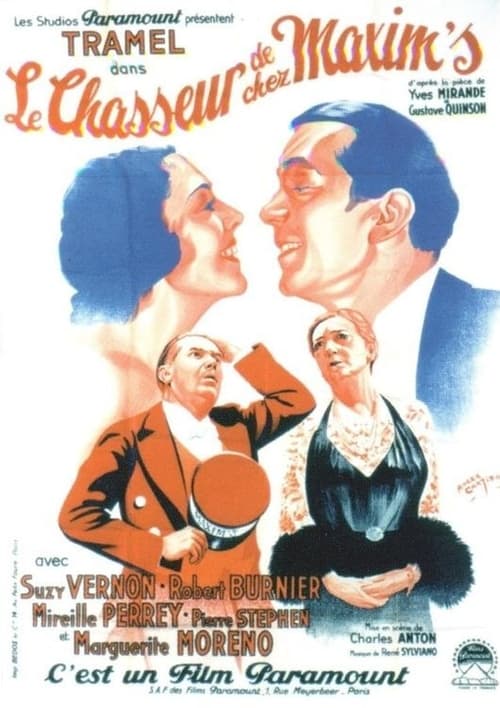
A man is a hunter at Maxim's restaurant. He lives in the provinces and his family is unaware of his profession. As soon as he has enough money, he quits his job and goes home for his daughter's wedding to a marquis. This one is a regular at the restaurant and the man tries to prevent the wedding before the truth is discovered.
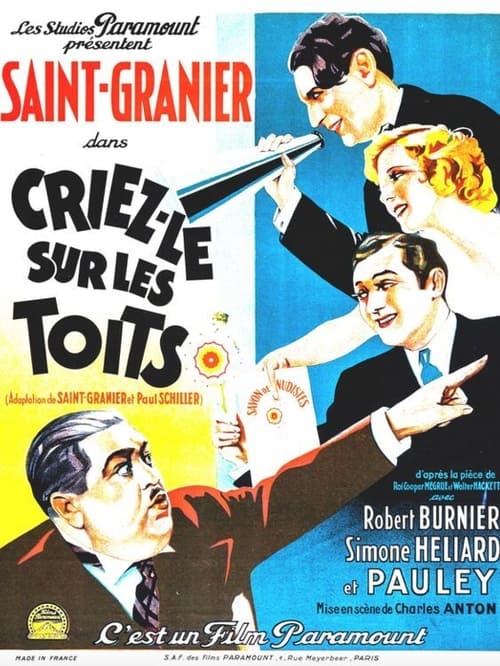
The son of a rich soap manufacturer gets himself in predicaments trying to prove to his father that he's responsible enough for marriage.