Alexander Kluge
Directing
Biography
Alexander Kluge (born 14 February 1932) was a German author, philosopher, academic and film director. Kluge became known in the 1960s and 1970s as one of the most influential representatives of the New German Cinema, which he helped to establish and develop in theory and practice.

Known For
No description available.
Alpha Forum

The Bambi, often called the Bambi Award and stylised as BAMBI, is a German award presented annually by Hubert Burda Media to recognize excellence in international media and television to personalities in the media, arts, culture, sports, and other fields "with vision and creativity who affected and inspired the German public that year", both domestic and foreign. First held in 1948, it is the oldest media award in Germany. The trophy is named after Felix Salten's book Bambi, A Life in the Woods and its statuettes are in the shape of the novel's titular fawn character. They were originally made of porcelain until 1958, when the organizers switched to using gold, with the casting done by the art casting workshop of Ernst Strassacker in Süßen.
Bambi
No description available.
German Film Award

No description available.
Kulturzeit
Annual awarding of the Grimme Awards.
Grimme Award
No description available.
Lebensläufe

German talkshow hosted by Richard David Precht, a well known german philosopher and publisher, in which he speaks with a guest about a topic from culture, science, economy or politics in every episode
Precht
No description available.
Sternstunde Philosophie

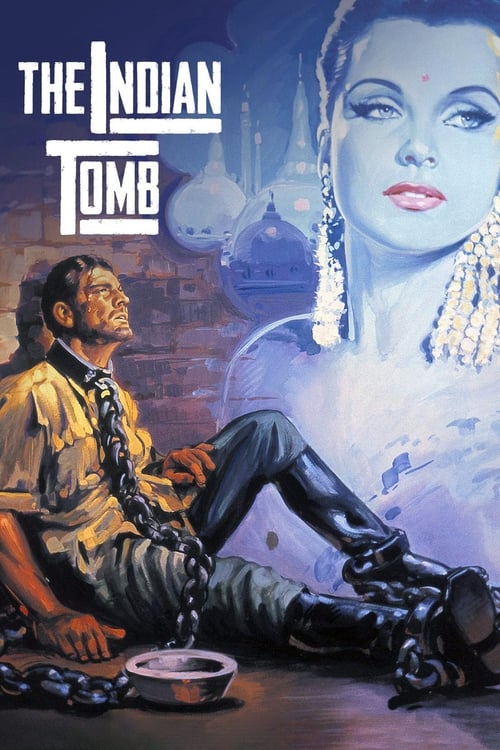
Seetha and Harold Berger are rescued from the desert by a caravan and brought to a small village. However, the greedy owner of the house where they are lodged betrays the law of hospitality and reveals their location to Prince Ramigani. The couple tries to escape but is hunted and captured by Ramigani and his men. Meanwhile Irene Rhode and her husband Walter Rhode suspect that Maharaja Chandra is not telling the truth about Harold's destiny. The conspirator Ramigani forces Seetha to accept to get married with Chandra to provoke the wrath of the priests and get the alliance of Prince Padhu and his army. In the meantime, Harold succeeds in escaping from the dungeon and seeks out Seetha to save her.
The Indian Tomb

No description available.
druckfrisch
No description available.
Literatur im Foyer

"Wings Of Desire" and "Buena Vista Social Club", "Paris, Texas" and "The State Of Things": Wim Wenders is considered one of the pioneers of New German Cinema and one of the most important and influential representatives of contemporary cinema. With never-before-shown archive material and extraordinary encounters with companions and contemporary witnesses such as Francis Ford Coppola, Willem Dafoe, Andie MacDowell, Hanns Zischler, Patti Smith, and Werner Herzog, this documentary provides unique insights into the life and work of one of the most multifaceted artists of our times. Renowned documentary filmmaker Eric Friedler ("It Must Schwing. The Blue Note Story") and his co-director Andreas Frege were given the exclusive opportunity to portray Wenders for this film. From Düsseldorf to Paris, and all the way to the desert of Texas, the film traces iconic locations and decisive moments in Wenders' work as director, producer, photographer, and author.
Wim Wenders, Desperado

In Eschnapur, a German architect saves the life of the Maharajah's favorite temple dancer and becomes Maharajah's friend but their friendship is tested when the architect and the dancer fall in-love, triggering the Maharajah's vengeful ire.
The Tiger of Eschnapur

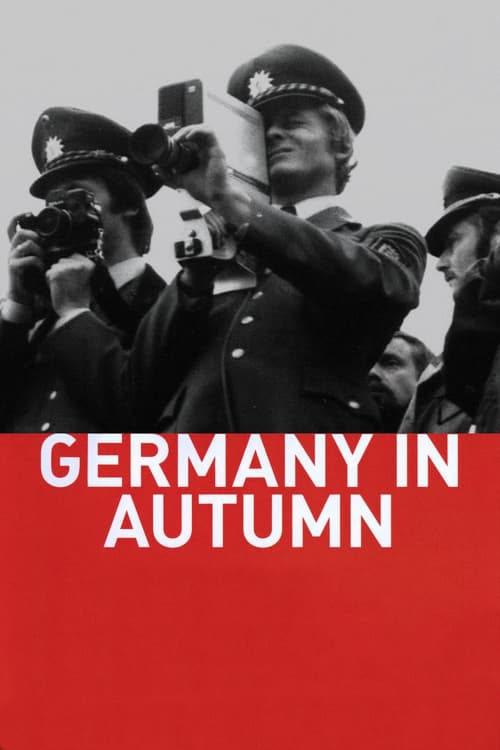
Nine fictitious documentaries and films reflect the mood of late 1970s Germany, particularly the two-month period in 1977 when a businessman was kidnapped by the RAF (Red Army Faction). The kidnap had been made to orchestrate the release of the original leaders of the RAF, aka the Baader-Meinhof.
Germany in Autumn

Documentary about filmmakers of the New German Cinema who were members of the legendary Filmverlag für Autoren (Film Publishing House for Authors). Among them are Werner Herzog, Rainer Werner Fassbinder, and Wim Wenders.
Counter Shot: Departure of the Filmmakers

From the 1950s onwards, Erika and Ulrich Gregor brought countless film historical milestones to Berlin and shaped cinema discourse in post-war Germany. A look at the life and work of the couple without whom Arsenal and the Forum wouldn’t exist.
Come With Me to the Cinema – The Gregors

The Indomitable Leni Peickert is a loose, half-hour sequel to Alexander Kluge's second feature film, Artists in the Big Top: Perplexed. This shorter work, seemingly assembled from leftover footage from the longer film, continues the story of the circus owner Leni Peickert after she first abandoned her idea of a radical circus in favor of a job in television. It opens where the previous film left off, at a TV station where Leni and her friends have gathered as employees, attempting to infiltrate the corporate establishment with their own revolutionary ideas.
The Indomitable Leni Peickert

The third episodic film, after Deutschland im Herbst and Der Kandidat, in which notable German filmmakers reflect on the state of their country. A collage of documentary and dramatised sequences dealing with such topics as overkill, peace demonstrations, NATO arms policy, and life after the next war.
War and Peace

Two women during WW2 living in a Hunsrück village embark on a trip to Vienna.
The Journey to Vienna

Documentary by Wilhelm Roth about the state of affairs of the Young German Cinema.