Guy Meauxsoone
Directing
Biography
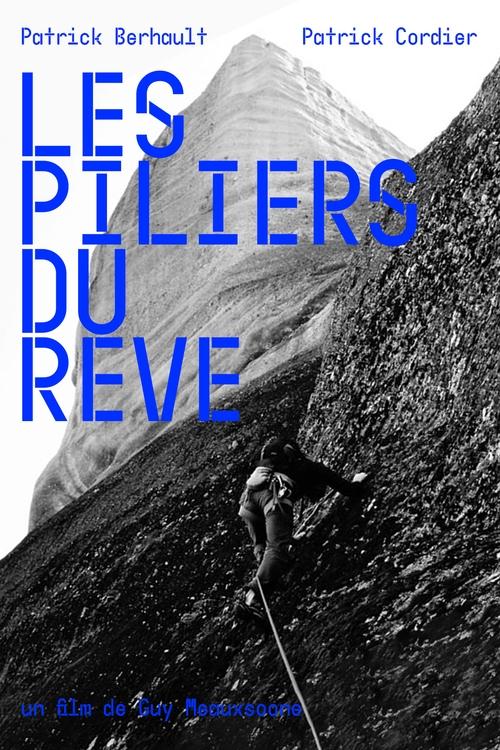
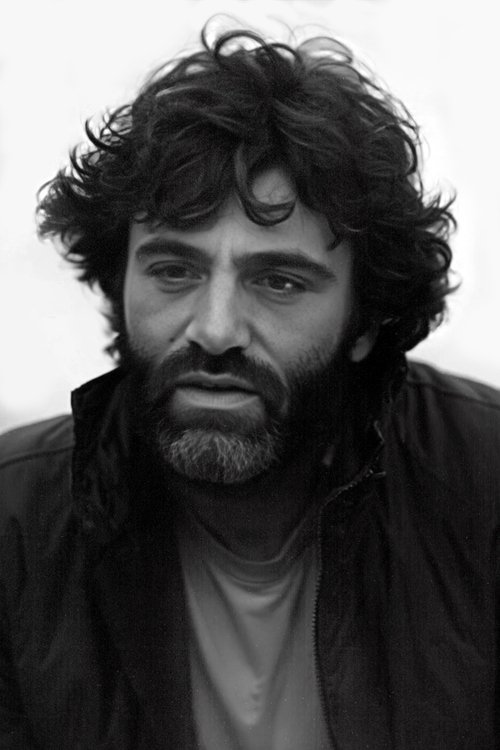
Guy Meauxsoone, born September 16, 1946, in Warneton, Belgium, is a French director and documentary filmmaker, renowned for his films devoted to underground exploration, caving, mountain sports, and the peoples of remote regions. He has particularly distinguished himself in the field of exploration documentary cinema, creating works that highlight underground worlds, their history, and their beauty. Among Guy Meauxsoone's major achievements is the film Trou de Fer (1992), which documents the first complete descent of the canyon of the same name, a landmark feat in the history of caving and canyoning. This film is often cited as one of the most spectacular of its kind, both for the technical difficulty of the exploration and the quality of its production. Meauxsoone has also explored other themes, focusing on the discovery, sport, and ecology aspects, as well as the human dimension of the worlds he explores. His prolific work is praised for its ability to combine scientific rigor, a sense of adventure, and aesthetic qualities, offering a unique perspective on worlds often inaccessible to the general public. This rigor is evident, for example, in The Pillars of Dreams (1987), with Patrick Berhault and Patrick Cordier exploring the cliffs of Meteora, the mystical aerial refuges of hermits in Greece. Guy Meauxsoone is a guest of honor at major caving and mountain sports events, recognized for his "impressive track record" and his contribution to the audiovisual memory of the discipline, winning numerous awards and selections. In January 2008, during an expedition to the Sierra Negra in Mexico, his son, Arthur Meauxsoone, suffered an accident around 300 BC (fractured right foot and left kneecap). The Mexican Speleo Rescue (Espeleo Rescate Mexico) did everything possible to ensure the rescue was successful. To thank them, Guy Meauxsoone is selling a DVD with around ten caving and mountain films he shot in the 1980s, both in 16mm and video, to help fund equipment and training courses. "Meaux," as he is nicknamed, settled in the Vercors region in 1983, while traveling the world with his camera, producing more than 100 television reports. A lover of the Vercors region, Guy founded the web TV association VercorsTV in 2010, which produces and broadcasts reports from all over the world on vercors-tv.com. Guy Meauxsoone died on June 14, 2023 at the age of 76 in Autrans-Méaudre in Vercors. The Vercors Natural Park paid tribute to him in its newsletter in August 2023. Documentary filmmaker Sid Perou paid tribute to him in the caving magazine Descent with the article "Goodbye, Guy Meauxsoone" (Descent (293), August 2023).
Known For

On the Thessalian plateau, a place famous in ancient Greek history, enormous and steep rocks rise, almost representing an epic clash of giants. In this mystical environment, Meteora once served as an aerial refuge for hermits and then for nuns of strict orders, who, renouncing the world, lived in the celestial peace of the peaks. This area is today a silent and fantastical climbing site, and some caves carved into the rock face remain inaccessible. Mountaineer Patrick Berhault and his French partner Patrick Cordier, one of the classic leaders of modern climbing, have set out to conquer these peaks steeped in history, which will never cease to be "The Pillars of Dreams."
Les Piliers Du Rêve

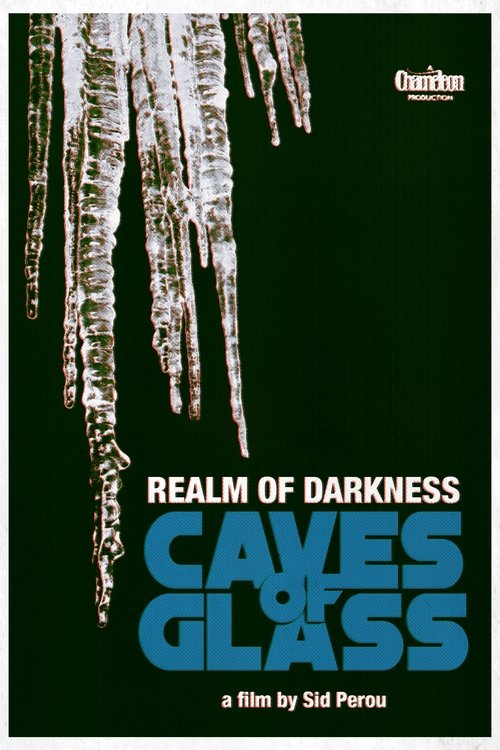
Caves of Glass is a documentary from director Sid Perou's Realm of Darkness series, focusing on the ice caves of the Austrian Tennengebirge Alps, including the Eisriesenweld and Eiskogelhöhle. It features Austrian speleologist Fritz Oedl, Belgian speleologist Guy Meauxsoone, and Ian "Tommo" White of the Northern Caving Community. First broadcast on Channel 4 on February 15, 1986, it won a Special Mention at the 5th Barcelona International Festival of Esoteric Cinema that same year.
Realm of Darkness - Caves of Glass

No description available.
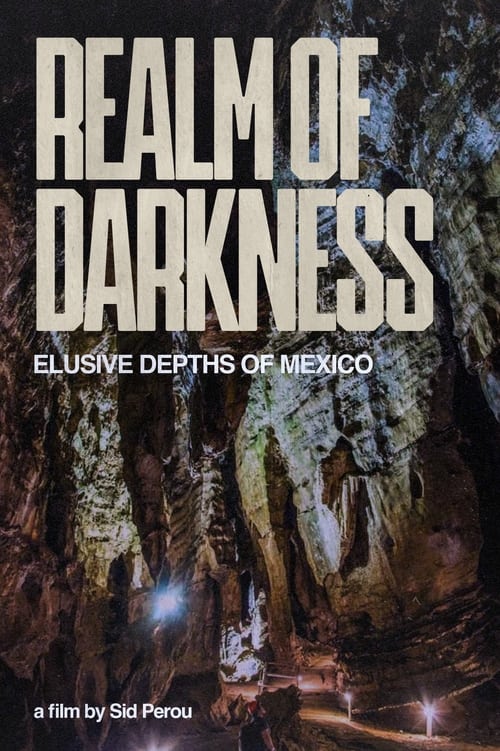
Realm of Darkness - The Elusive Depths of Mexico

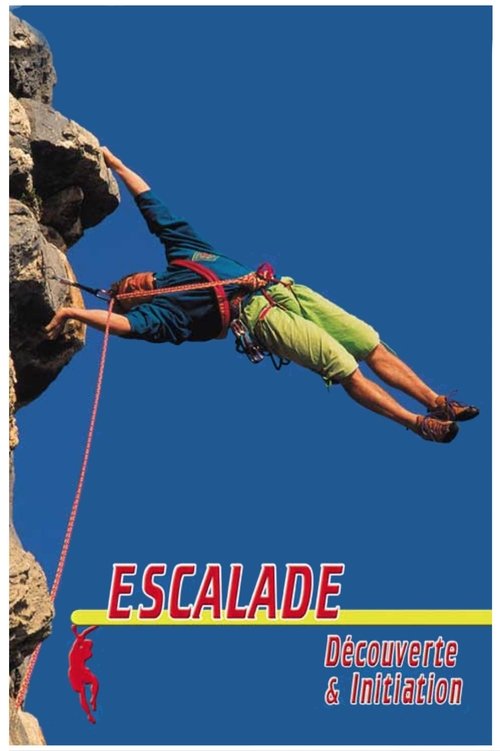
Climbing safely is within everyone's reach. Introduction, progression, training, rope maneuvers, sequence of movements, equipment, and high-level practice—everything you want to know about climbing. Accessing the vertical world means learning to read the rock, combining positioning, balance, and self-control, and having fun. Demonstrations by Jean-Christophe Lafaille (high mountain guide) take place in the dizzying scenery of the Vercors cliffs (Presles and Corrençon-en-Vercors) and the Dentelles de Montmirail. Jean-Pierre Bouvier, known as "Mouche," takes you to the magical boulders of Fontainebleau, while François Legrand (world champion on climbing walls) gives you his advice on how to progress.
Climbing - Discovery & Initiation

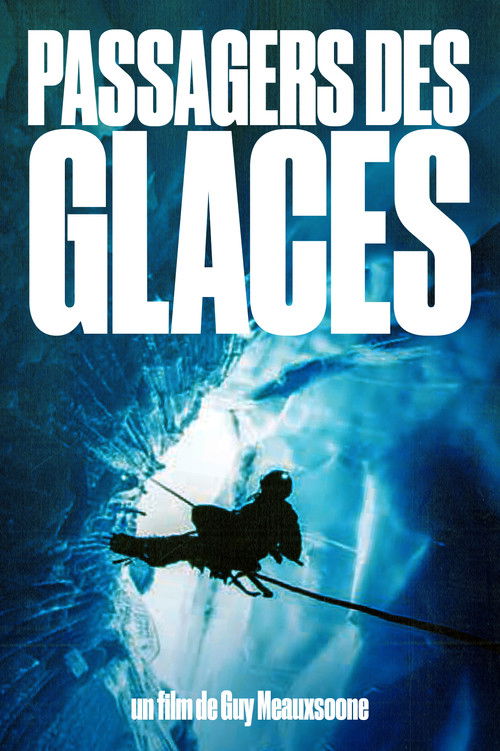
Greenland, the largest island in the world, is unlike any other country. The film recounts the exploration of the Inlandis cavities in Greenland during the summer of 1992. Janot Lamberton, one of the pioneers of these expeditions, ventured, with speleologists and mountaineers, into the moulins, these immense crevasses that tear through the back of the Inlandis, a vast glacier four times the size of France, while glaciologist Louis Reynaut studies infraglacial phenomena. It is obviously not easy to penetrate the depths of the ice and film at a depth of 150 meters in sub-zero temperatures. The light is blue in one of the most fascinating landscapes on the planet, where scientists and explorers collaborate to deepen their knowledge of the Earth.
Ice Passengers

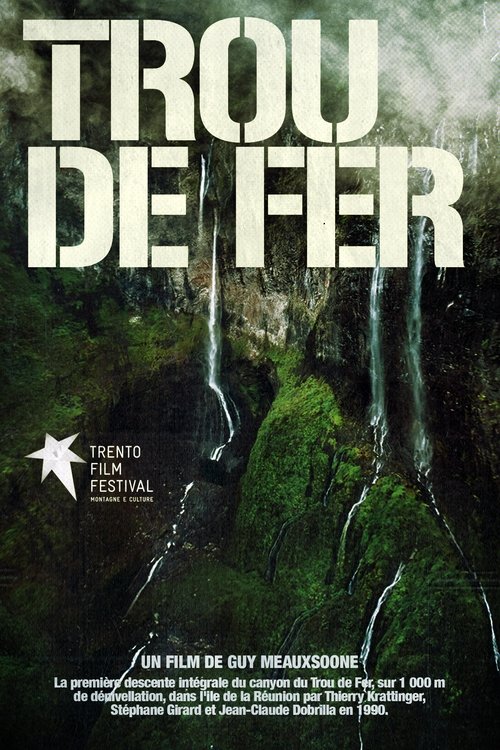
For canyoning enthusiasts, the Trou de Fer on Reunion Island is a must-see, and not just for the faint-hearted. The first complete descent of the canyon, with a 1,000-meter drop, was made by Thierry Krattinger, Stéphane Girard, and Jean-Claude Dobrilla in 1990. Filming took place in very difficult conditions: an aquatic atmosphere, a dramatic void, and mediocre rock in the 300-meter waterfall. The documentary Trou de Fer was selected for competition at the Trento Film Festival in 1992.