Kunibert Gensichen
Acting
Known For
Tatort is a long-running German/Austrian/Swiss, crime television series set in various parts of these countries. The show is broadcast on the channels of ARD in Germany, ORF in Austria and SF1 in Switzerland.
Scene of the Crime
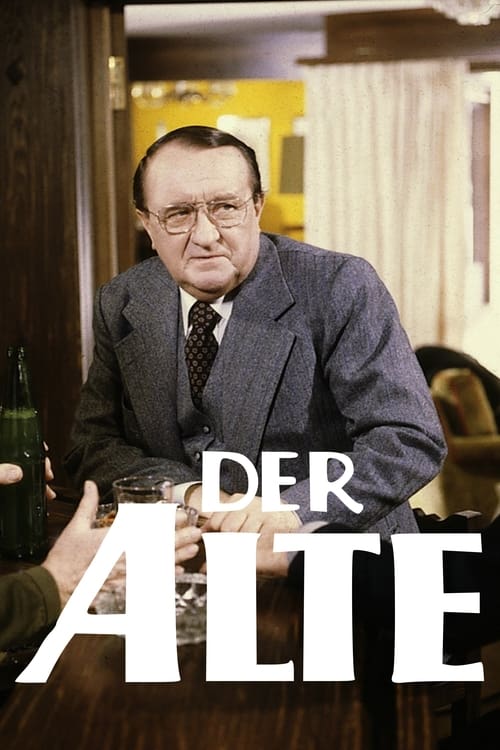
A police department, lead by an older, experienced detective solve crimes together.
The Old Fox

Derrick was a German TV series produced by Telenova Film und Fernsehproduktion in association with ZDF, ORF and SRG between 1974 and 1998 about Detective Chief Inspector Stephan Derrick and his loyal assistant Inspector Harry Klein, who solve murder cases in Munich and surroundings.
Derrick
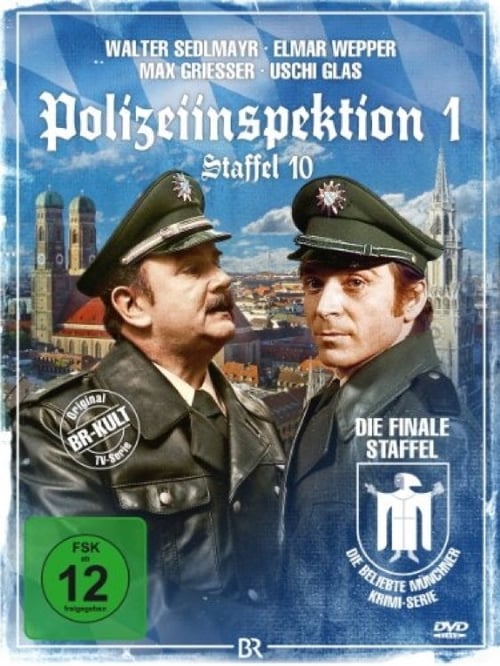
Polizeiinspektion 1 is a German television series.
Polizeiinspektion 1
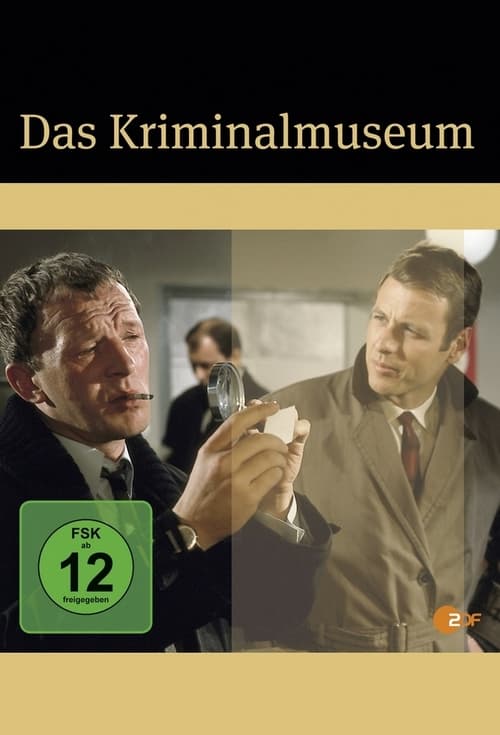
Das Kriminalmuseum was a German television series. It ran from 1963 to 1970 on ZDF and was one of its first programs. Each episode began with a tracking shot through an unspecified crime museum, stopping at one of the displays, whose story was then told. Each episode was between 60 and 75 minutes long and featured different actors as the criminal commissioner. The best known was Erik Ode, who in 1969 moved to Der Kommissar, appearing in 97 episodes. The theme music of the series was written by German composer Martin Böttcher, who also composed the complete scores for five episodes.
Das Kriminalmuseum
No description available.
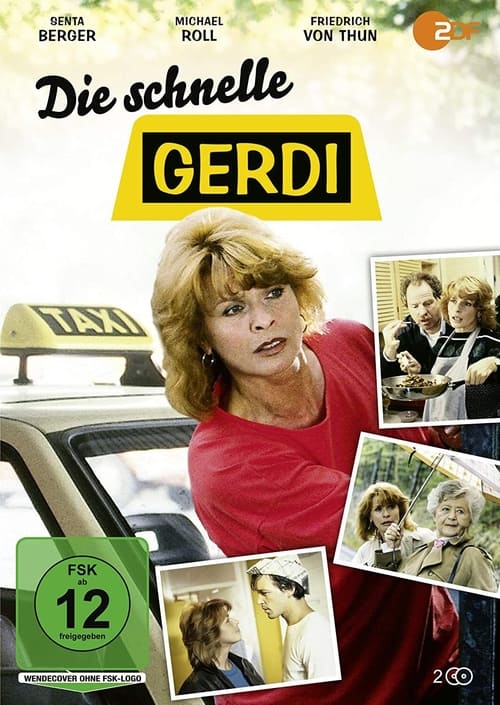
Die schnelle Gerdi
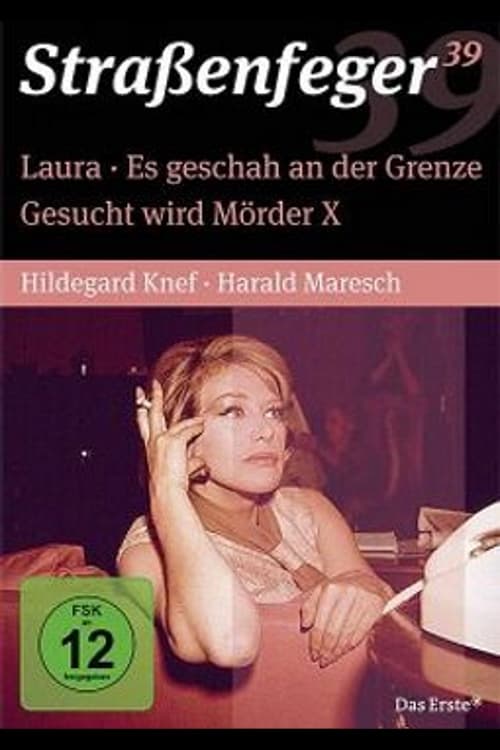
The detective investigating Laura Hunt's murder finds himself becoming obsessed with the dead woman only to find out she's actually still alive.
Laura
No description available.
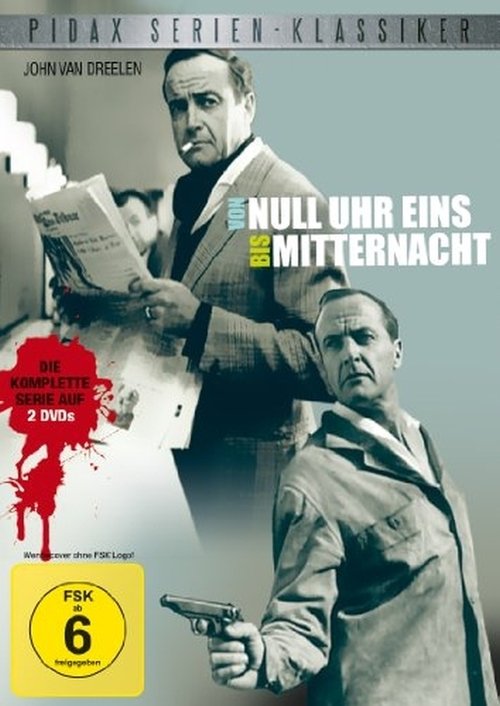
Von Null Uhr Eins bis Mitternacht

Biopic about the Rothschilds, a Jewish family whose members rose to the top of the European banking community during the Napoleonic era.
The Rothschilds
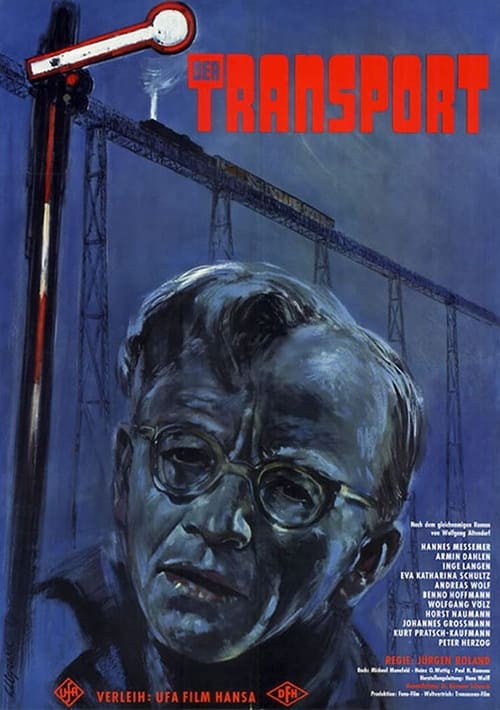
March, 1945: The insecure and hesitant reserve lieutenant Felix Bleck receives orders to lead a transport of 40 prisoners to the Western Front, where the men are to be burned up in a punishment battalion. On the way there, Bleck realizes the inhuman futility of his assignment and makes a fateful decision.
Der Transport
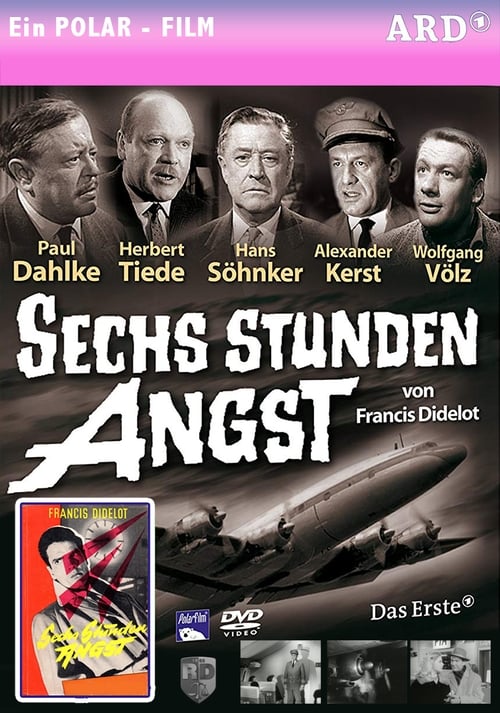
When the Paris airport management is informed by telephone that there is a time bomb on board a Canadian Atlantic Airways plane to Montréal, they initially believe it is a bad joke. But the caller answers again. Inspector Bignon gets involved...
Sechs Stunden Angst
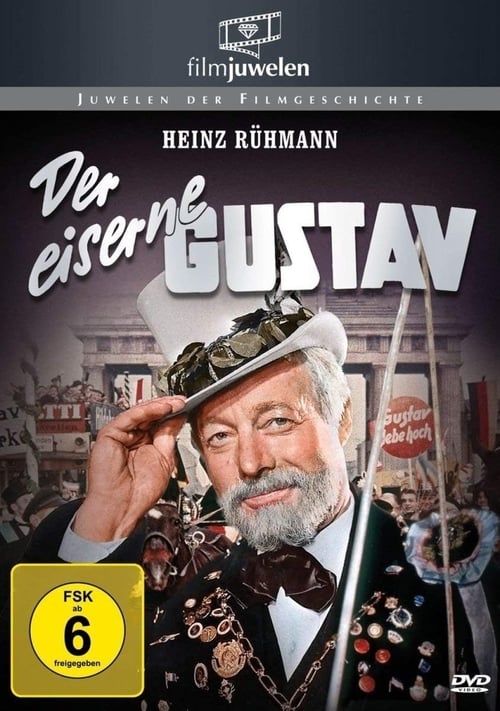
Gustav Hartmann is in trouble. Because of the new taxis he doesn't get many passengers in his horse-drawn carriage. To prove what he and his horse are capable of, he starts a trip from Berlin to Paris.
Der eiserne Gustav
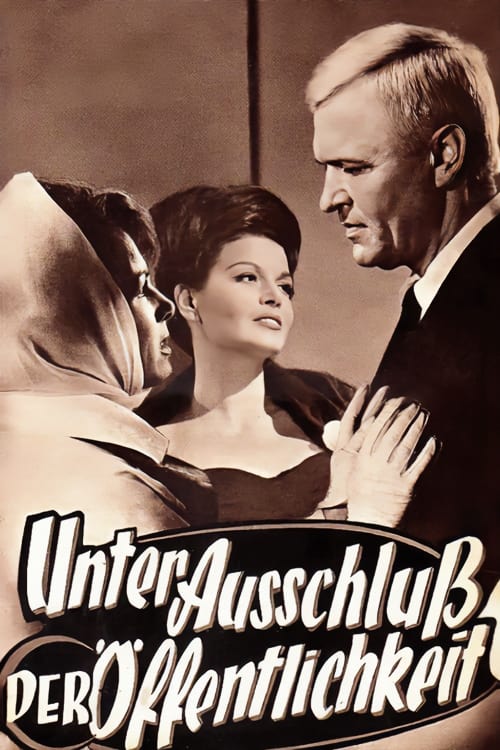
A man is accused of murdering his wife. The state prosecutor assumes he did the deed to spend more time with his lover. But the woman in question says that his wife committed suicide in her presence and that the accused is innocent. Despite the objections of the prosecutor, the accused is set free and is found dead shortly thereafter. The prosecutor decides to pursue the case and comes upon a band of criminals, who sell German state secrets. Shortly before the investigation comes to a close, a woman is murdered. When a witness asserts to have seen him near the woman's dead body, the prosecutor himself ends up in court and must now prove his innocence.
Blind Justice
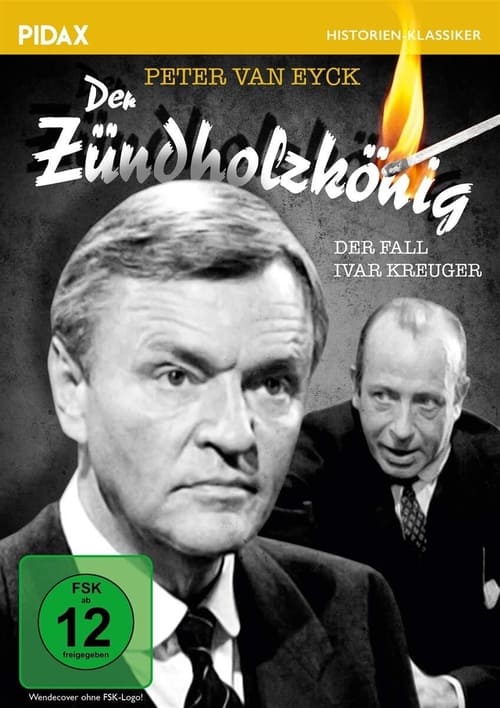
In the 1920s, Swedish engineer and industrial magnate Ivar Kreuger was one of the richest and most powerful men in the world. At the height of his success, the match manufacturer owned 260 factories and was the boss of 75,000 employees. He juggled dizzying sums of money and could afford every luxury. Bankers from all over the world supported his businesses and entrusted him with their money. But then the global economic crisis hit.
Ivar Kreuger der Zündholzkönig
No description available.
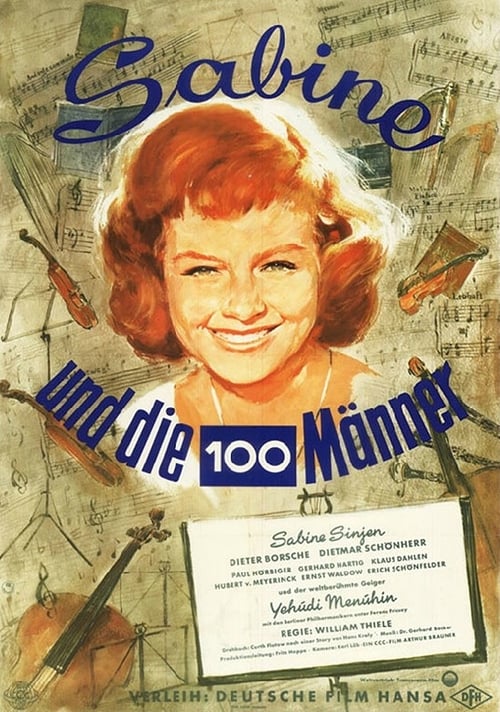
Sabine und die hundert Männer
No description available.
Der Arzt am Scheideweg
No description available.
Columbus - Bericht und Bildnis
No description available.
Nun singen sie wieder
No description available.
Die Schule der Frauen
No description available.