Lutz Moik
Acting
Biography
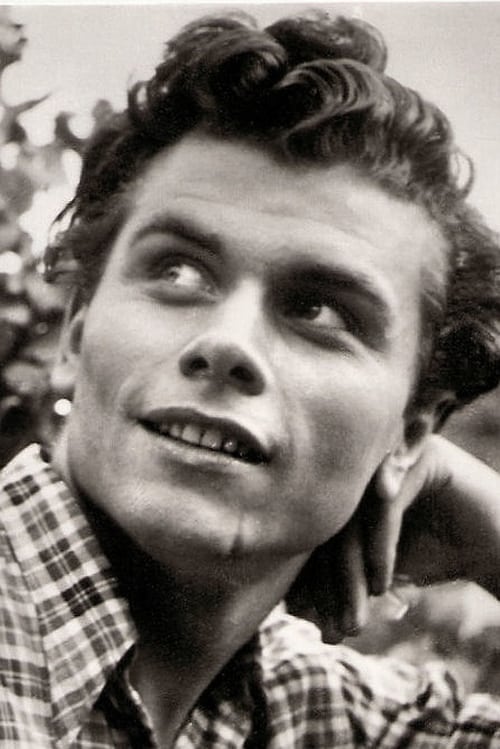
Lutz Moik (November 10, 1930, Berlin – July 4, 2002, Berlin) was a German actor and voice actor. He became widely known at a young age for his leading role as Peter Munk in Paul Verhoeven’s fairy-tale film The Cold Heart (Das kalte Herz, 1950), the first German postwar color feature, which received international acclaim. Moik began his career as a child actor during World War II and worked in both DEFA productions in East Germany and films in West Germany. After political circumstances curtailed his film career, he increasingly focused on theatre and television, appearing in numerous series from the 1960s onward, including Till, der Junge von nebenan, Tatort, and Ein Herz und eine Seele. Despite later being affected by multiple sclerosis, he continued working in television and public readings into the 1990s. Moik was also a prolific German dubbing artist, providing the voice for actors such as David Hemmings, Mickey Rooney, George Peppard, and Earl Holliman.

Known For

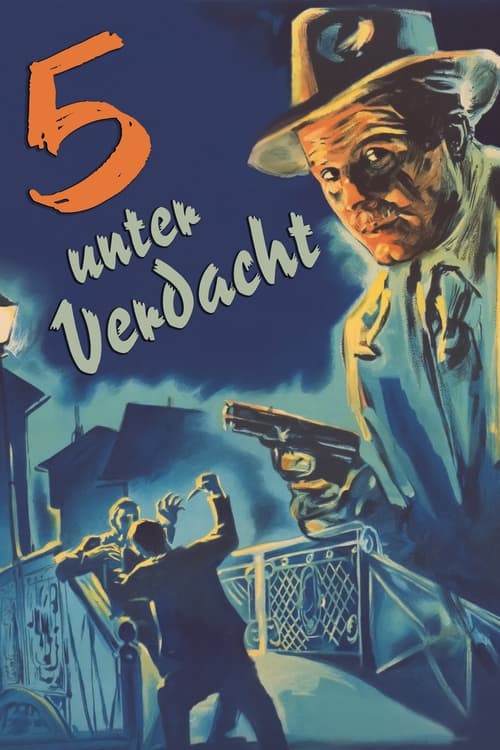
Tatort is a long-running German/Austrian/Swiss, crime television series set in various parts of these countries. The show is broadcast on the channels of ARD in Germany, ORF in Austria and SF1 in Switzerland.
Scene of the Crime

Gute Zeiten, schlechte Zeiten is a long-running German television soap opera, first broadcast on RTL in 1992. The programme concerns the lives of a fictional neighborhood in Germany's capital city Berlin. Over the years the soap opera tends to have an overhaul of young people in their late teens and early twenties; targeting a young viewership.
Gute Zeiten, schlechte Zeiten

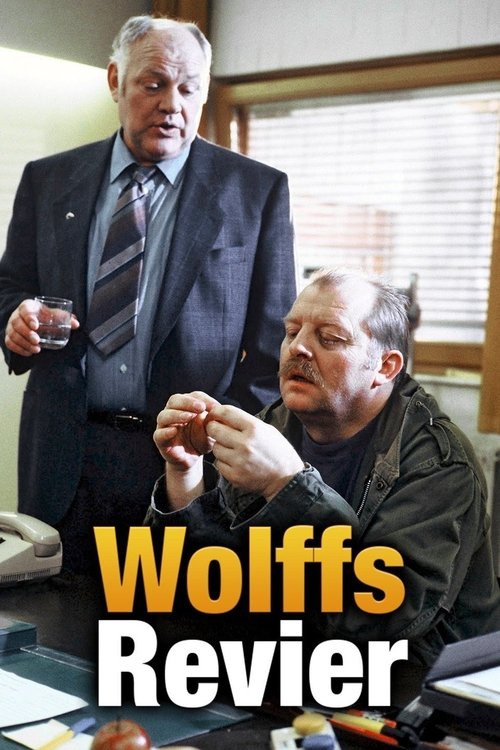
Wolffs Revier is a German television series.
Wolffs Revier

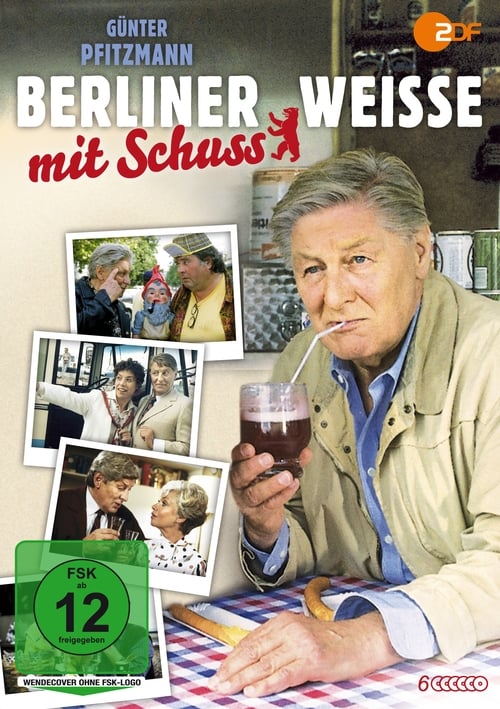
Berliner Weiße mit Schuß is a German television series.
Berliner Weiße mit Schuß
No description available.
Justitias kleine Fische
No description available.
Kommissariat 9

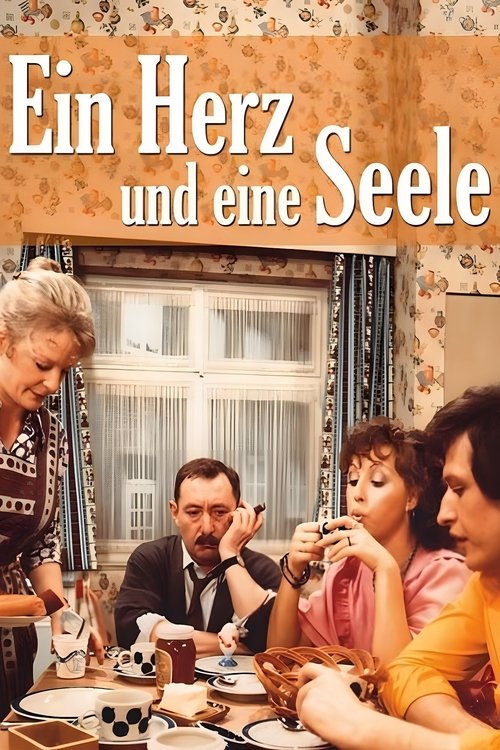
Ein Herz und eine Seele is a German cult sitcom based on the British sitcom Till Death Us Do Part by Johnny Speight. The show premiered on January 15, 1973 and lasted for about twenty episodes, airing its last on November 4, 1974. In 1976, the show had a short-lived revival with another four episodes. Ein Herz und eine Seele was written by Wolfgang Menge. The show was extremely successful during its initial run and it still proves very popular in reruns. Two episodes in particular, Silvesterpunsch and Rosenmontagszug have gained such popularity that they are now shown traditionally on German TV on New Year's Eve and Rosenmontag, respectively.
Ein Herz und eine Seele

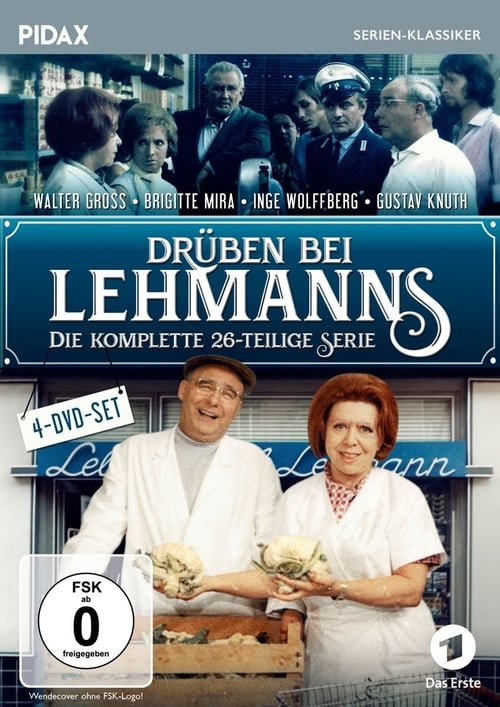
No description available.
Drüben bei Lehmanns

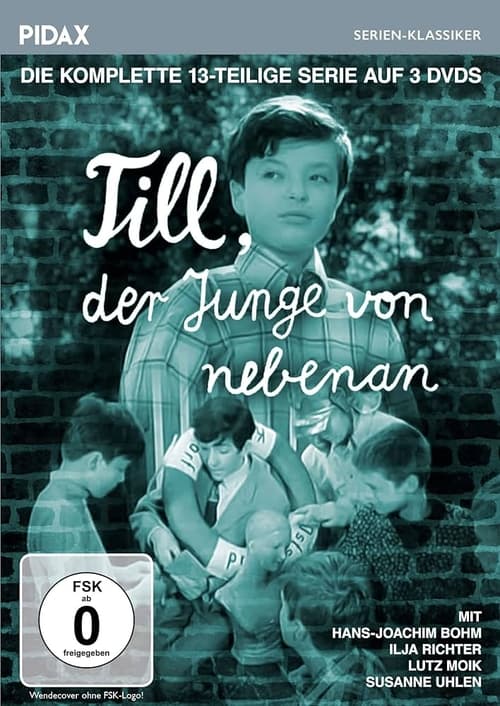
Follows the life of Till Hauser, a young boy who moves to a new neighborhood with his family and tries to make friends with his new classmates.
Till, der Junge von nebenan

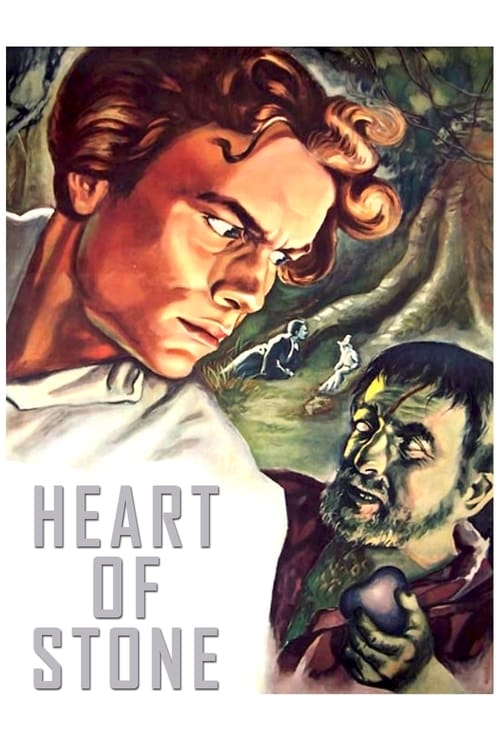
Lavish adaptation of Wilhelm Hauff′s fairy tale: Young charburner Peter Munk dreams of joining the upper class. He makes a deal with the sinister Holländer-Michel, who offers to trade Peter′s human heart for one made of stone. Once he has the "cold heart" in his body, Peter eventually strikes a fortune and enjoys great wealth, but at the same time, he becomes a bitter and emotionless man – and, having lost all traces of humanity, even murders his wife Lisbeth. Only then does Peter Munk finally realize what has become of him, and he decides to regain his real heart from Holländer-Michel.
Heart of Stone

Gustav Hartmann is in trouble. Because of the new taxis he doesn't get many passengers in his horse-drawn carriage. To prove what he and his horse are capable of, he starts a trip from Berlin to Paris.
Der eiserne Gustav

No description available.
Der Mann, der sich Abel nannte

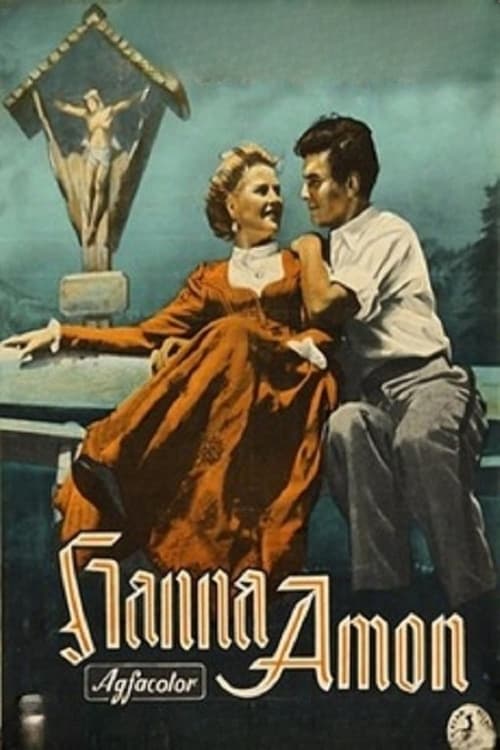
Hanna Amon and her brother Thomas live on an estate they've inherited from their parents. Local veterinarian Brunner loves Hanna from afar, and Thomas is in love with the daughter of the local mayor. Love, however, doesn't always mean happiness, as both Hanna and Thomas are soon to find out.
Hanna Amon

Combining documentary elements with a playful narrative, the film explores the evolution of bathing culture and social morals in Germany. Set in a summer resort where traditional values clash with more liberal attitudes, it humorously reflects on changing views of decency, freedom, and modern life.
Forbidden Paradise

Post-war Germany 1945: Two rival gangs of uprooted boys fight each other in the ruins of Berlin, whose business is the black market out of necessity in order to survive. Their respective leaders are Gerhard and Dietrich. A pretty young circus artist named Corona comes to the destroyed city with a traveling circus. She immediately caught the boys' attention. When the latter notice that the circus director is abusing the girl, the two gangs join forces and plot an act of revenge against the tyrant. But with the hustle and bustle caused by this, Corona falls from the trapeze and is seriously injured. When the circus moves on, the boys organize a doctor for the sick artist who has been left behind. Their collectively concern for the blonde beauty makes them forget their enmity. This welds the troops closer together and sets the course for a common, meaningful future.
1-2-3 Corona

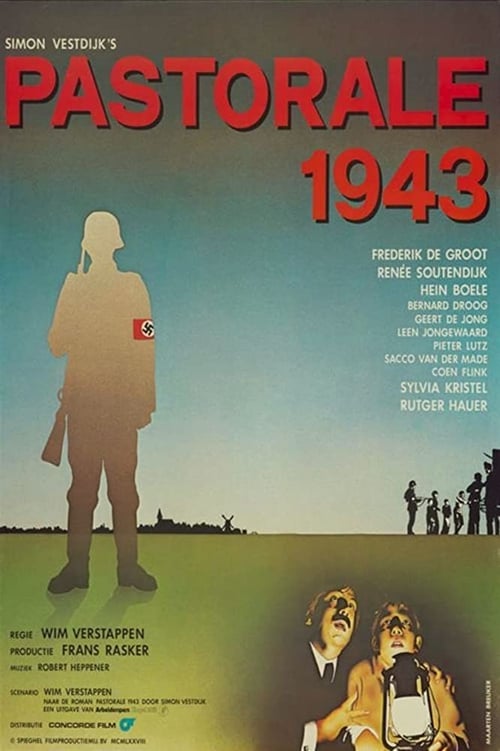
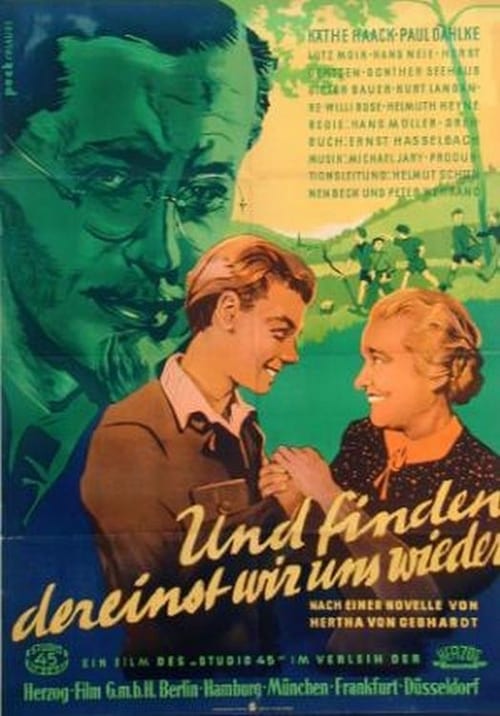
Students raised under Nazi ideology witness the disintegration of the Third Reich and the realization of those who indoctrinated them that they were wrong.
And If We Should Meet Again
The young actress Bettina has angered the director of a West Berlin camp for troubled youth with a song that celebrates the adventurous lives of these "wayward youths." Hein Denecke invites her to get to know the real lives of these young people.
… und wenn’s nur einer wär’ …
No description available.
Der Knick – Die Geschichte einer Wunderheilung
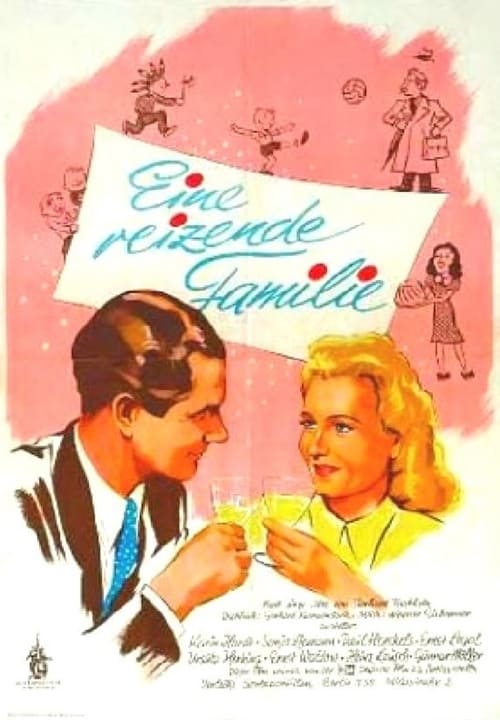
Peter, Paul, and Heinz have been best friends since early childhood; the first two are treated almost like Heinz's own children by his parents, Mr. and Mrs. Liebitz. One day, a terrible accident occurs during a regatta: Heinz falls into the water and drowns. Despite this horrific event, the bond between Mr. and Mrs. Liebitz and Paul and Peter only intensifies. The elder Liebitz owns a musical instrument manufacturing business, and since Heinz will no longer be able to take over the company as originally planned, Franz Liebitz comes up with the idea that Peter and Paul should run the business instead. The two young men receive training in instrument making, but they don't want to become dependent on him and decide to earn their living by repairing instruments and/or as music teachers.
Spring Melody

No description available.