Acting
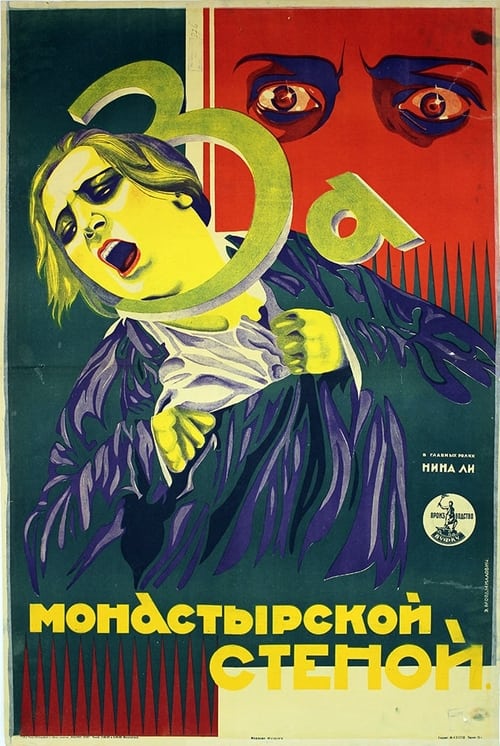
The old nunnery owns the best lands. Nuns rent out the land to local rich men, and exploiting peasants they have a wealthy life. The peasants live in misery. Especially, the family of the peasant named Levin. He is forced to give away his last horse, his son Andrii is imprisoned, his daughter Nastia becomes a maid of a rich landlord. Trying to prevent the master’s harassment, Nastia escapes and gets to the nunnery. She can see the other life of the nuns who manufacture false relics, drink alcohol and kill children. Nastia ends up in the basement for resisting one of the “spiritual pastors.” Meanwhile, her brother Andrii escapes from prison. He stirs up a rebellion and saves his sister. The film is lost.
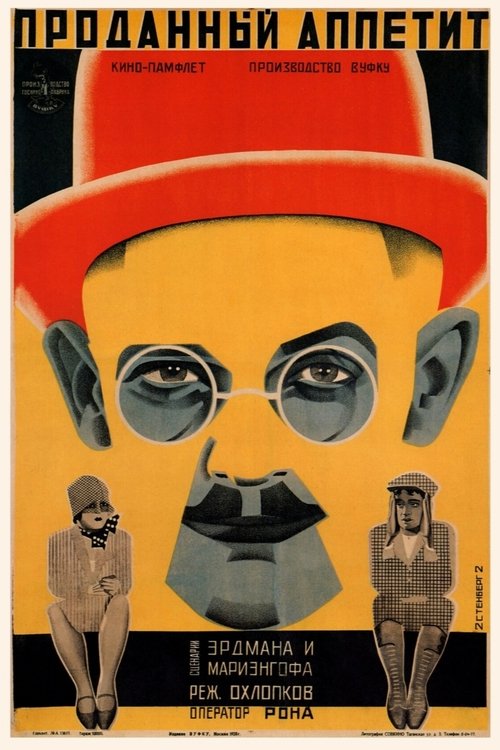
After eating too much, the glutton-millionaire realizes that he has ruined his stomach. The hired scientist, Professor Fuchs, proposes a new surgical treatment that would separate the processes of satiety and digestion. To do this, you need to find a healthy person who agreed to provide the stomach. He is found, and soon the millionaire showed fantastic food absorption abilities. The painful sensations of an overloaded stomach were experienced not by the glutton, but by the unemployed driver, Emil. Lost movie.
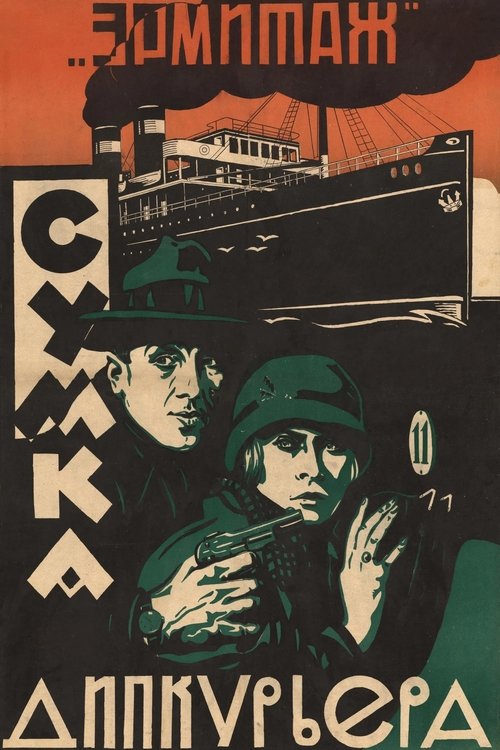
The Soviet embassy in England sends two couriers with diplomatic mail to Leningrad. The inspector of security police, White, and a group of policemen attack the Soviet diplomatic couriers at night. The documents get to an English trackman, who gives them to his son, a sailor in Portsmouth.
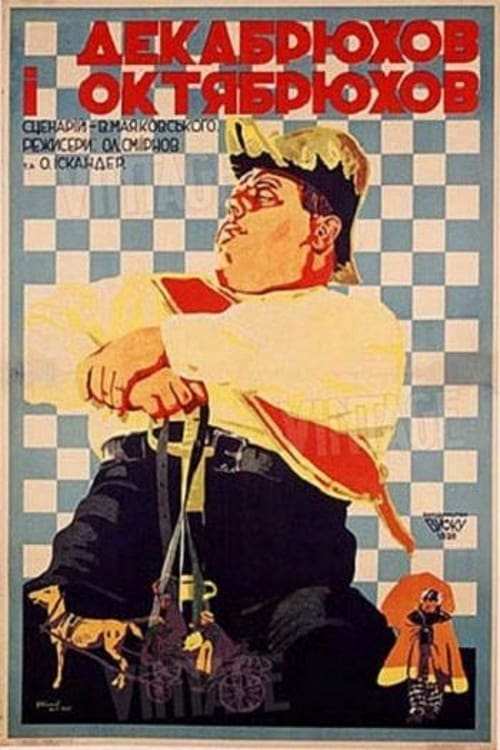
The bourgeois wedding of Dekabryukhova is interrupted by the machine-gun fire of revolution. He flees abroad, leaving his wife. Oktyabryukhov stays and adapts to the new life. At the end of the picture there is an attempt at universal reconciliation and the poet's tormenting theme "three-way love". Dekabryuhov returns to his homeland. His wife is already married to Oktyabryukhov. Having learned about it, Dekabryukhov tries to leave, but the newlyweds force him to stay.
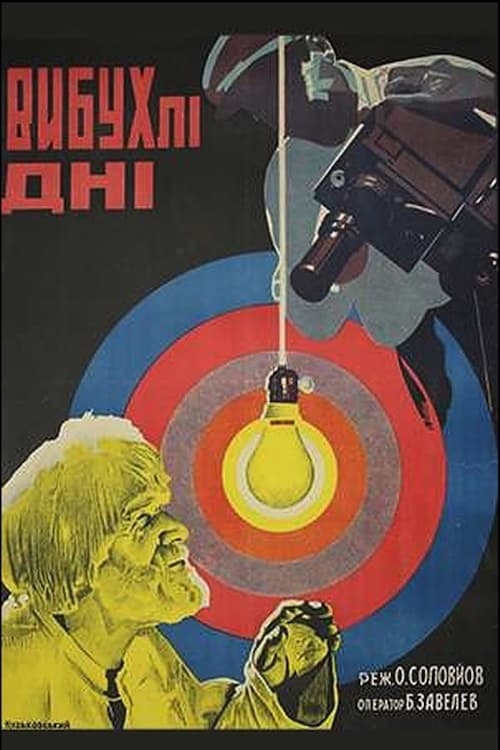
The year 1929. A “shock worker” from a tractor plant visits a film studio premises and is furious to see fake stage designs for a kitsch production about a Soviet life. He refuses to help the crew with his tractor, but is happy to ask one of the cameramen to go with him to visit an actual Soviet village. There they witness the birth of the kolkhoz and the dekulakization of wealthy villagers. Then they are transported to the future, to the year 1932, when the first five-year plan is done and the commune-sovkhoz is established. Movies can move faster than time, but the pace of change in Soviet society is even faster than that.
Jean, the hairdresser, is flabbergasted: what is that baby his girlfriend Lisa has put in his arms out of the blue? The fruit of love? Out of the question. From that moment on, the reluctant father has but one thought in his head: he must get rid of the cumbersome 'article'. And, take his word for it, all the ways are good.
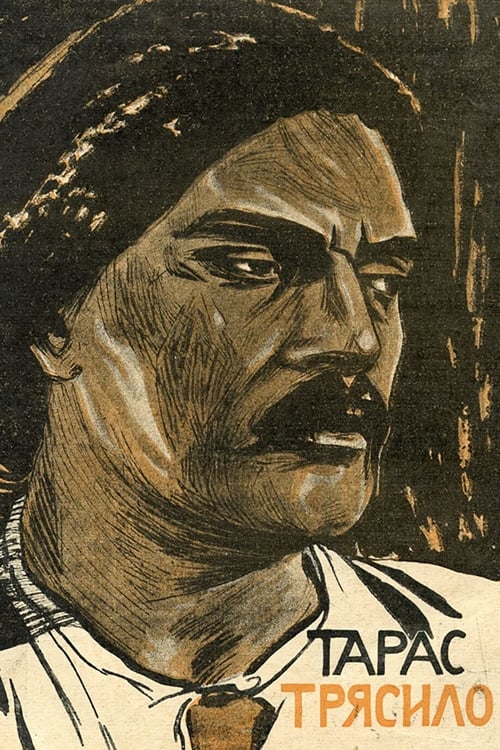
It's the 17th century, when social antagonism is at its peak. The poverty of peasants and poor Cossacks is opposed to the lavish lifestyle of the Ukrainian and Polish noblemen, priests, and Cossack officers. Cossacks fight off Tatars’ attacks, however, they start to realise that the real enemy is much closer. Taras Triasylo raises Cossacks to help the rebellious peasants.
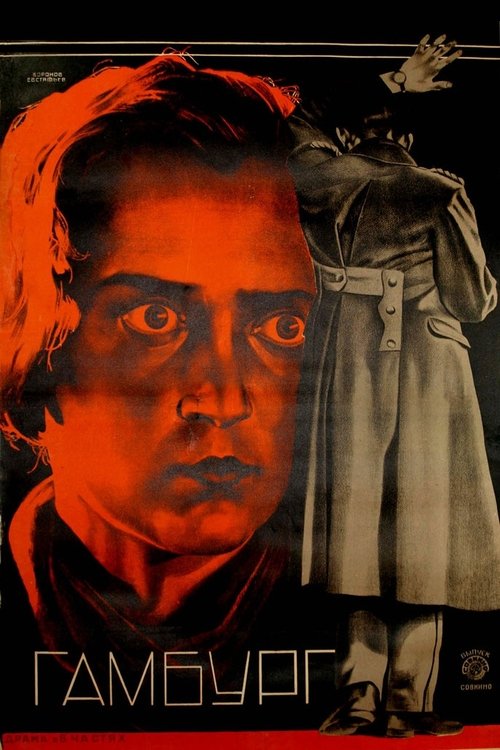
Germany, 1923. Workers, called to the struggle by the communist Niels Unger, seize the arsenal and turn every building into a fortress. The social democrat Buk does not fulfill Unger's order to blow up the bridge over the Elbe, so the Reichswehr troops enter the city. A bloody massacre begins. Nils Unger is arrested. Buk, who is associated with the punitive leader Meins, betrays the rebels during interrogations. A trial is scheduled for the rebels. To avoid political publicity during the trial, Nils Unger is declared insane, but manages to escape from the prison hospital. Once again, his call resounds through the streets of Hamburg: "Save your guns!"
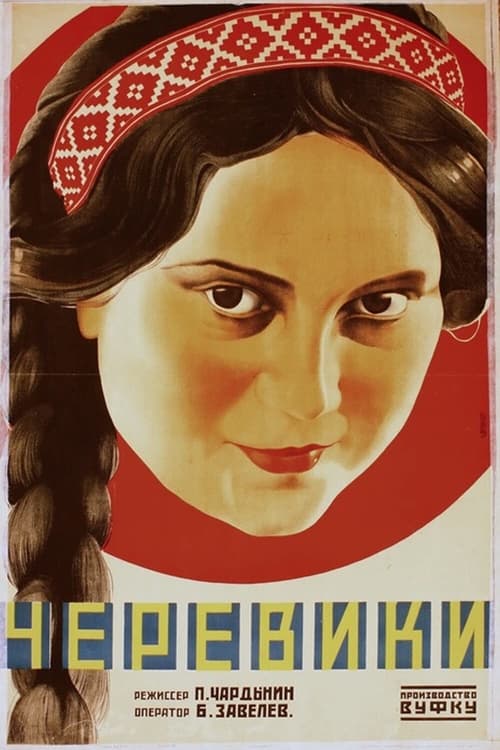
To justify the fantastic adventures of the blacksmith Vakula, the authors of the film “simplify” Gogol’s plot: Vakula, having drunk too much at Patsiuk’s place, falls asleep. And he sees this dream where the devil takes him to the palace of Catherine II in Saint-Petersburg; and there Vakula takes off the little shoes of the Russian empress to give them to his fiancée Oksana. And, really, drunk Vakula takes off the shoes while sleeping… but from Patsiuk. Later, when Vakula unwraps the package with the “royal slippers” in front of Oksana, he finds only Patsiuk’s dirty shoes there.
A detachment of Red Army soldiers gives shelter to a woman with a newborn. After the child is revealed to be a doll, the woman gets shot.
A remote Ukrainian village. A poor peasant, Hryhorii Malynovskyi, wants to expose those who oppose the revolutionary changes in the village - the rich, led by Konstantin Popandopul, who have made their way into the village council and are ruling there. Since poor peasants enjoy certain privileges, the rich in the village council decide to exclude Grigory from the list of poor people. Outraged, Hryhorii goes to the city and writes a letter to the newspaper. Malynovskyi is murdered. The investigator uncovers the murder and the thieves are brought to justice. The film is based on the high-profile trial of the murder of the pro-Bolshevik rural journalist Hryhorii Malynovskyi in the village of Dymivka (later renamed Malynivka in honor of Malynovskyi in Odesa province, now Mykolaiv region), promoted by Pravda newspaper and mentioned by Stalin.