Directing
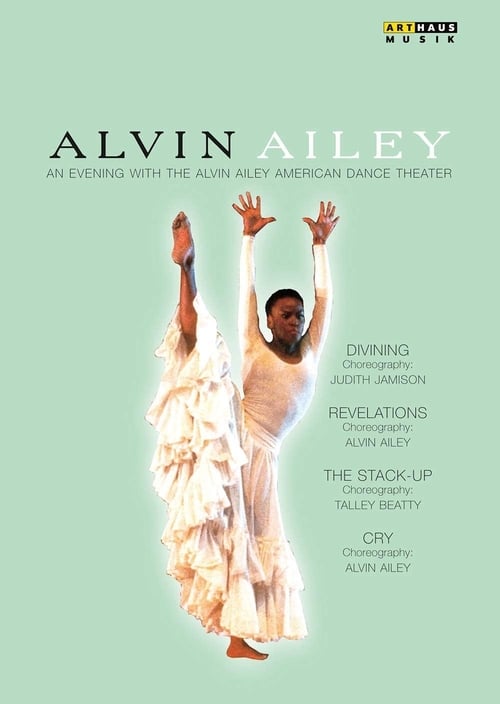
Dazzling, brash and dynamic, yet equally graceful and poetic. DIVINING was Judith Jamison's first major work as a choreographer for Ailey, evoking a strong feeling for African tribal ritual, is set to hauntingly rhythmic drum music. REVELATIONS, often describes as the company's signature tune, has become an American classic. It expresses Ailey's intense feelings for his roots, with Ailey's vivid "blood memories" of the blues, spirituals, gospel music, ragtime and folk songs as well as the hard life of the Southern black during the Depression. Set to Modern Jazz, THE STUCK-UP takes place in modern-day Harlem, about the cruel reality of urban street life as a young man is destroyed by drugs. CRY, choreographed by Alvin Ailey in 1971 for Judith Jamison, is one of his most famous pieces. Created as a birthday present for his mother, it is Ailey's tribute to black women and inspires moving emotions with its portrayal of struggle, anger and most importantly, its feeling of celebration.
The staging of Béla Bartók's opera Bluebeard's Castle at Opera national de Paris, a collaboration of La Fura dels Baus and Jaume Plensa.
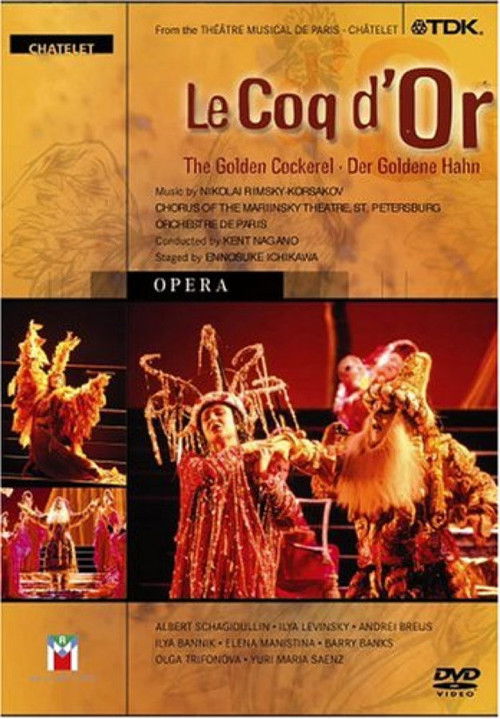
Le Coq d'Or, or the Golden Cockerel, was the last opera by Nikolai Rimsky-Korsakov, which he completed in 1907. This production is international in every sense of the word: A Russian opera performed in France by a largely Russian cast, with staging and costumes by a master of the Japanese Kabuki tradition, and music performed by the Orchestre de Paris.
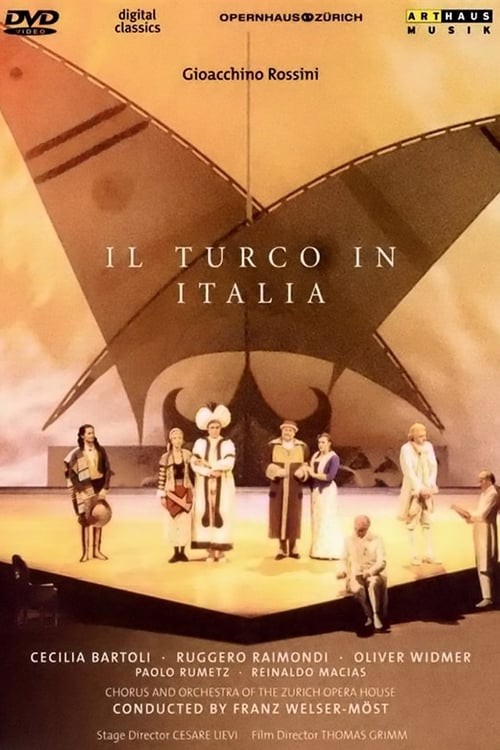
When a wealthy Turkish aristocrat arrives in a humble Italian town, the married women roll their eyes in delight, their rival lovers lose out, and the husbands rage with jealousy. These may be silly clichés, but they are the subject of IL TURCO IN ITALIA and the composer plays with them – quite deliberately. He knows that he is putting archetypes of Italian comedy on stage with figures such as the exotic lady-killer Selim, the young woman Fiorilla, who is chained to the stove at home, but adventurous, and her husband Geronio, who is ridiculous because he is much too old – and relishes the ironic exaggeration. Franz Welser-Most conducts the Zurich Opera House Chorus and Orchestra in this performance of Rossini's opera buffa.
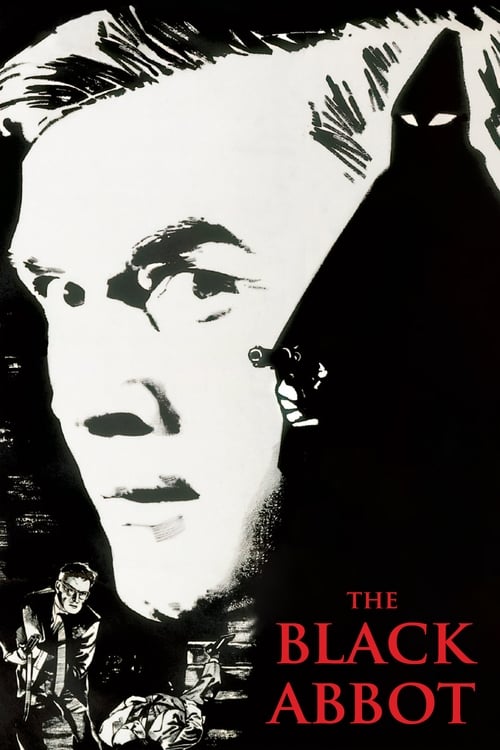
Several employees on a nobleman's estate show up at a former abbey, reputed to be haunted, to search for a hidden treasure. Howver, a mysterious hooded figure begins killing off those who may have figured out where the treasure is hidden.
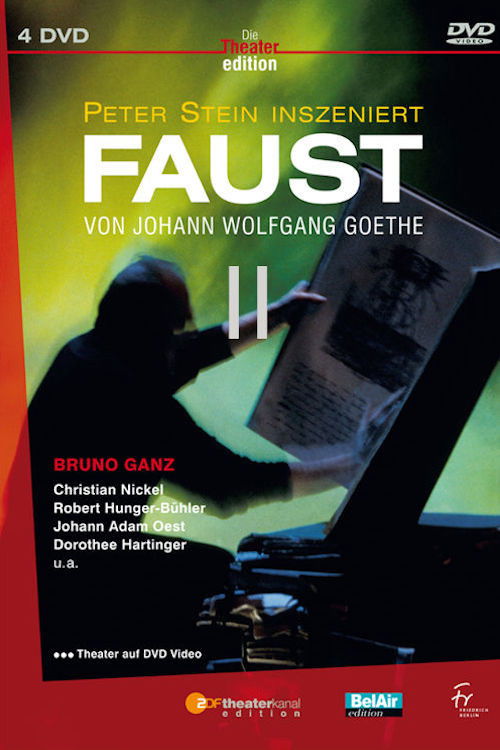
Second part of Goethe's Tragedy
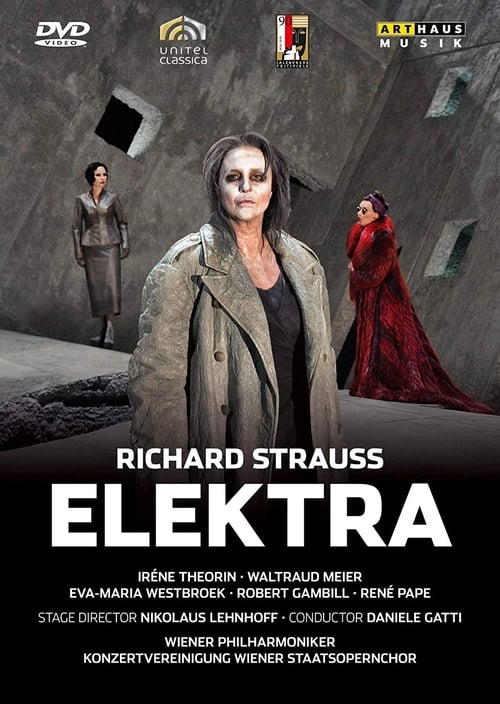
The Nikolaus Lehnhoff production of Richard Strauss's "Elektra", recorded live at the Salzburger Festspiele in 2010. Iréne Theorin stars as Elektra, with Eva-Maria Westbroek as Chrysothemis, Waltraud Meier as Klytämnestra, Robert Gambill as Aegisth, and René Pape as Orest. Daniele Gatti conducts the Wiener Philharmoniker.
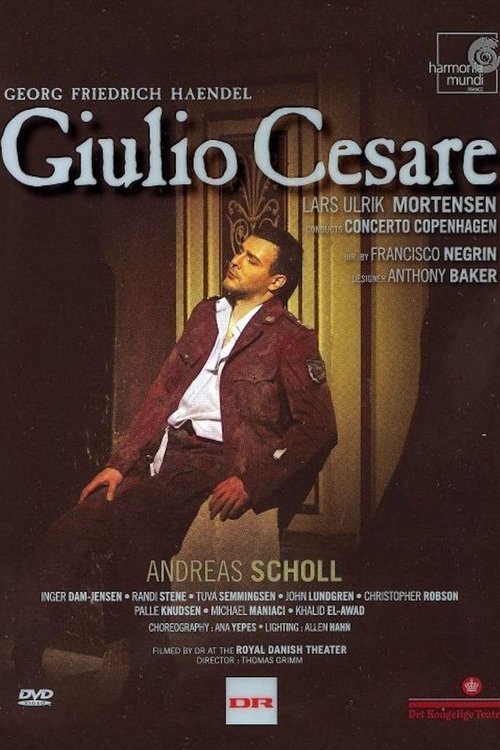
Famed countertenor Andreas Scholl sings the title role of Roman emperor Julius Caesar in this memorable production of Georg Friederich Handel's "Giulio Cesare," staged at the Royal Danish Opera. Transporting the action from ancient times to the present day, director Francisco Negrin paints a passionate portrait of Caesar's storied romance with the Egyptian queen Cleopatra (played by soprano Inger Dam-Jensen).
No description available.
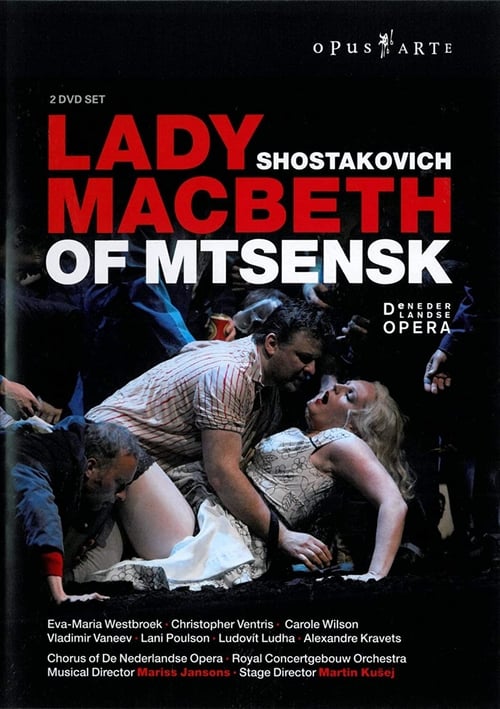
Shostakovich's Lady Macbeth of Mtsensk, a lurid tale of sex, murder, and corruption, premiered in 1934 and was a success until Stalin saw it two years later, resulting in a Pravda review that viciously condemned it. It was later replaced by an expurgated version, now called Katerina Ismailova after the work's principal character. The original version has now reclaimed its place on international stages. The heroine is the daughter-in-law of Boris, a greedy, lecherous merchant, and the frustrated wife of his impotent son. Katerina poisons Boris and when her husband returns she and her lover, Sergei, kill him too, burying him in the cellar. The body is discovered during their wedding party. Haunted by guilt, Katerina confesses and the newlyweds are consigned to Siberia. When Sergei takes up with another woman, Katerina pushes her into the river and then jumps in herself.
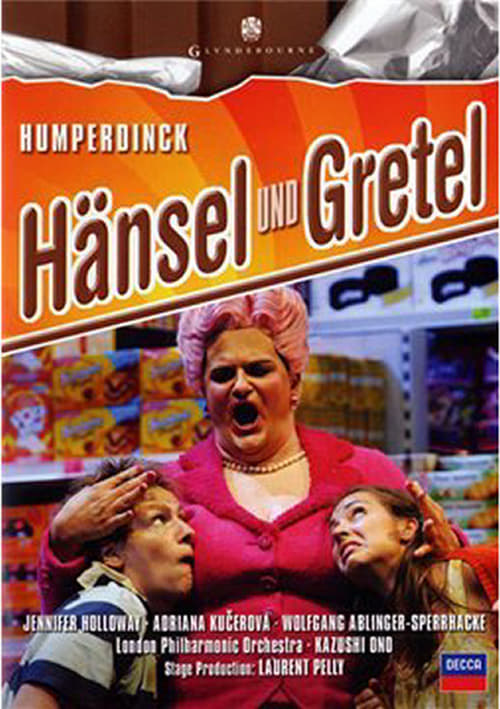
As bright and colorful as penny candy, this visually arresting production of Engelbert Humperdinck's "Hansel und Gretel" puts a twist on the classic fairy tale upon which it's based by uprooting the action to modern times. Director Laurent Pelly's interpretation, which premiered at Glyndebourne in 2008, finds Hansel, Gretel and their family taking shelter in a cardboard box while the witch's stock of goodies lines the shelves of a supermarket.
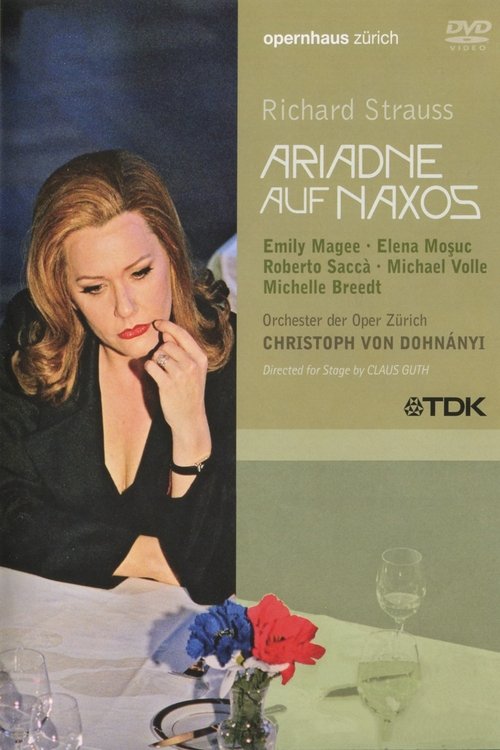
Ariadne auf Naxos is one of many beautifully crafted operas created by Richard Strauss and his librettist Hugo von Hofmannsthal. In the compelling production from the Zurich Opera, recorded on this DVD, Christoph von Dohnányi leads a particularly strong cast of singer-actors in a thrilling interpretation of the work.
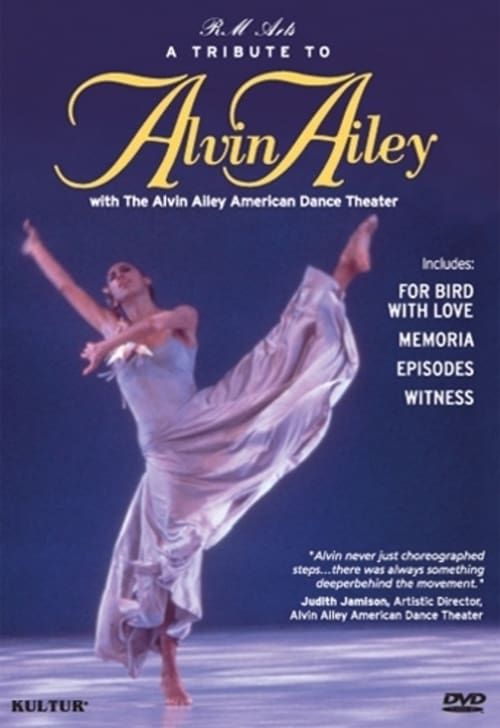
Alvin Ailey played a key role in the growth of modern dance in USA and his company, founded in 1958, is one of the USA’s oldest dance troupes as well as one of the most youthful and vital on the dance scene. In this two-part program, members of Ailey's dance company celebrate his memory by performing three works choreographed by Ailey himself, as well as a special ballet tribute choreographed by Ulysses Dove. Each piece is introduced by Judith Jamison, the dancer and choreographer whose career was nurtured to stardom by Ailey, and who was, at the time of this production, Artistic Director of the company. The Alvin Ailey Dance Theater is uniquely eclectic in range, repertory, and style. As a choreographer, Ailey explored the black experience and went beyond, finding universal human truths in all his work.
Created in 1975 in Hamburg, Gustav Mahler’s Symphony No. 3 entered the Paris Opera’s repertoire in 2009.
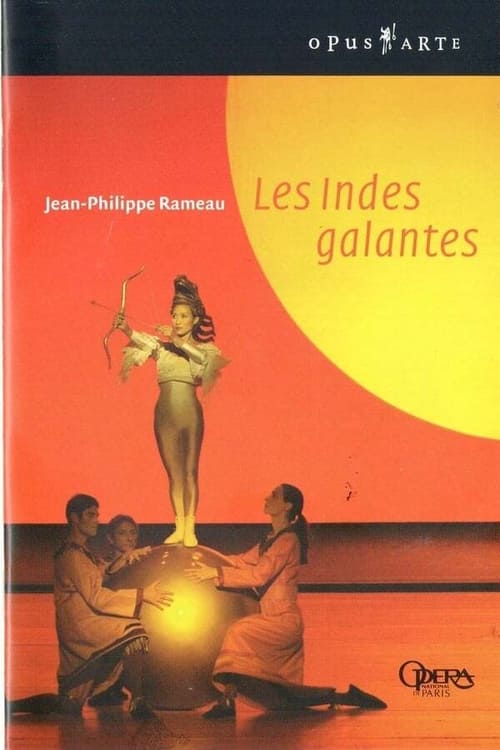
"William Christie and Les Arts Florissants propel this exuberant production of Jean-Philippe Rameau's second opera to great heights. Andrei Serban's extravagant, highly baroque staging presents the four exotic love stories vibrantly. In 'Le Turc généreux' Osman sets free his captive, Emilie, whom he loves, so that she may be reunited with her former lover, Valère; 'Les Incas de Pérou' is all about the rivalry of the Inca Huascar and the Spaniard Don Carlos, both in pursuit of Princess Phani; 'Les Fleurs' offers a Persian love intrigue, as the Sultana Fatime tries to detect whether her husband Tacmas has his eye on the lovely Atalide; and 'Les Sauvages' takes us to North America, where a Spaniard and a Frenchman compete for the love of Zima, daughter of a native chief, who prefers one of her own people." — from the DVD cover
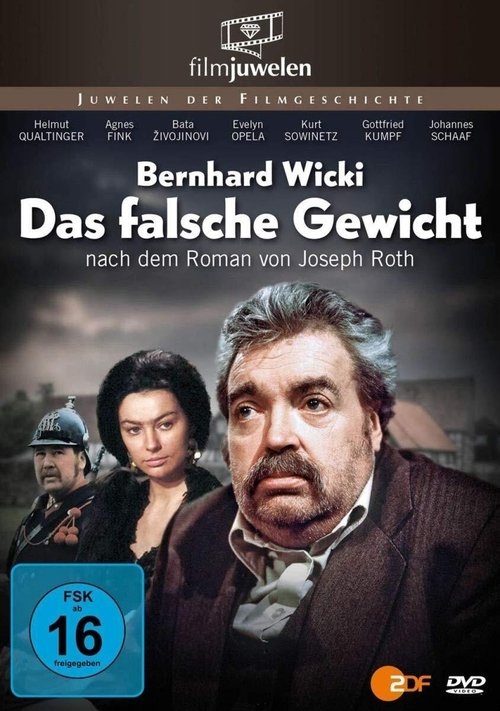
Tells of the tribulations of a middle-aged official of the Austro-Hungarian Bureau of Weights and Measures in fighting the local shopkeepers and traders whose weights are frequently light.
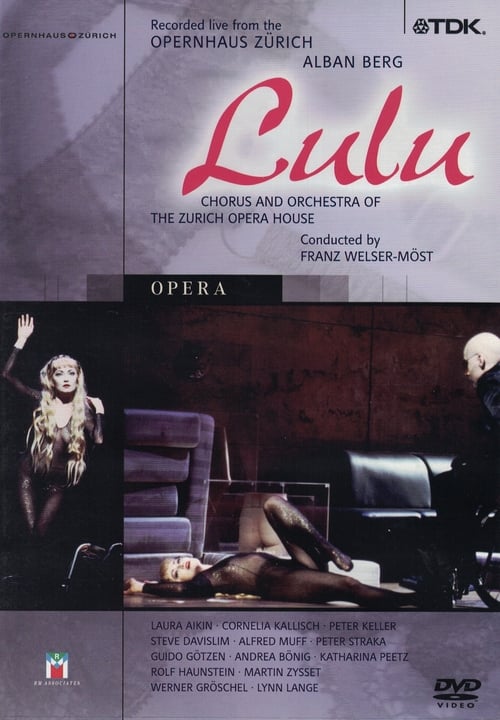
Since its premiere on 2 June 1937 in Zurich, Alban Berg's second opera "Lulu" has the reputation of being surrounded by scandals. On the one hand, this is due to the dubious character of the subject, the man-eating femme fatale, which Berg had taken from Frank Wedekind's two Lulu tragedies – "The Earth Spirit" and "Pandora's Box" – and combined into one opera libretto. On the other hand, Berg's widow had (for personal reasons) repeatedly refused to have the opera completed, which was unfinished when Berg died. This video is of the unfinished two-act torso of "Lulu."
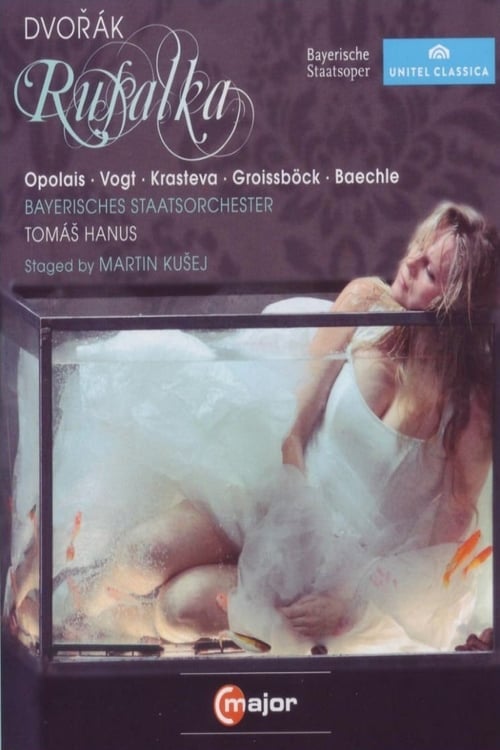
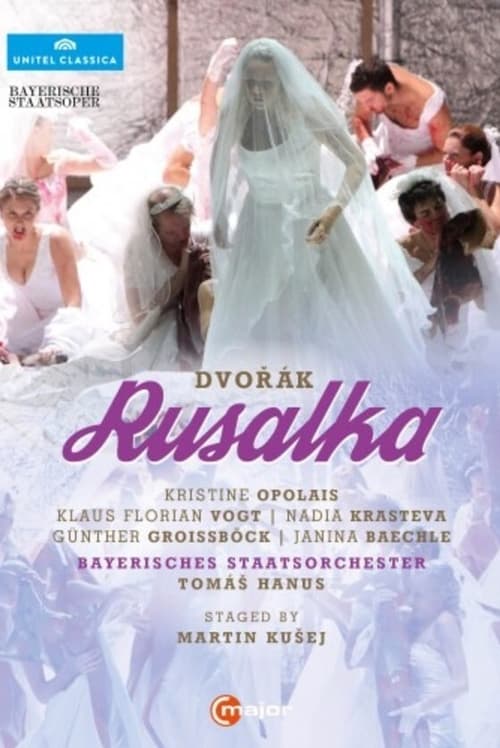
A legend of mermaids, mere mortals, and sylvan glades. Be transported to a mystical world of water sprites, witches, and wood nymphs. In exchange for love, Rusalka will relinquish not only her mermaid magic, but also her voice.
When a young boy builds a snowman in his garden, little does he know what's in store for him... In this enchanting new stage production of Raymond Briggs' classic story the characters are magically brought to life and joined by a host of exciting new friends. This extended film version recaptures the wonder and excitement of the stage show - beautifully told through the award-winning musical score featuring the hit song 'Walking in the Air'. Enjoy the full theatrical spectacle on this enthralling video - a delight for all ages.
Rusalka is not a happily tragic fairy tale. Rusalka’s lake is a dark, damp cellar, where she is imprisoned with her sisters by her abusive father. But once she finally escapes, she is thrown mute and alone into an equally brutal world where she is utterly unequipped to survive, and he increasingly looks like a protector.