
Heinrich Gretler
Acting
Biography
Heinrich Gretler (1897–1977) was a Swiss film and television actor, who also starred on stage at the Bernhard-Theater in Zurich. Source: Article "Heinrich Gretler" from Wikipedia in English, licensed under CC-BY-SA 3.0.
Known For
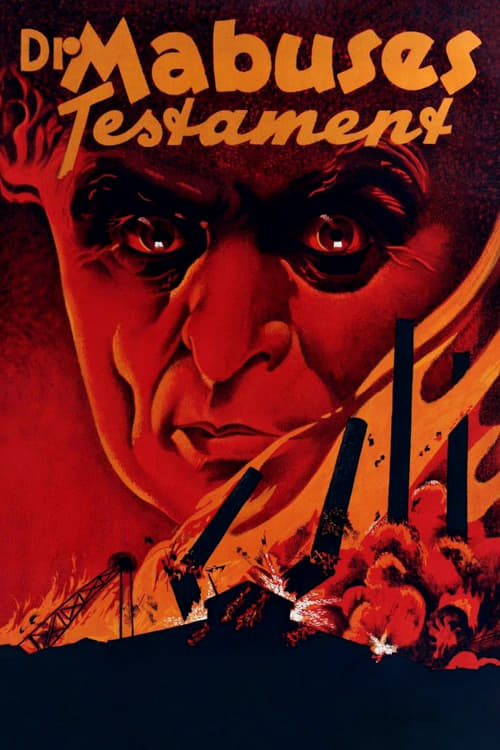
After a detective is assaulted by thugs and placed in an asylum run by Professor Baum, he observes the professor's preoccupation with another patient, the criminal genius Dr. Mabuse the hypnotist. When Mabuse's notes are found to be connected with a rash of recent crimes, Commissioner Lohmann must determine how Mabuse is communicating with the criminals, despite conflicting reports on the doctor's whereabouts, and capture him for good.
The Testament of Dr. Mabuse
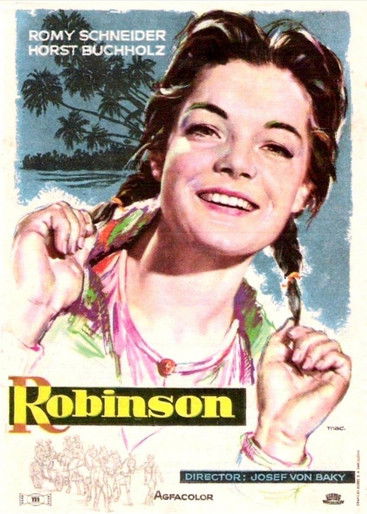
London, in 1730. Charly, Jim and Ben work hard, with the brave Maud, in a cotton mill to earn a few shillings. They all dream of the wonderful island told by Daniel Defoe. The latter lives in a miserable room. He is disgraced and rejected by his son Tom, a scoundrel who blames his father for losing his position at the Court ...
The Girl and the Legend
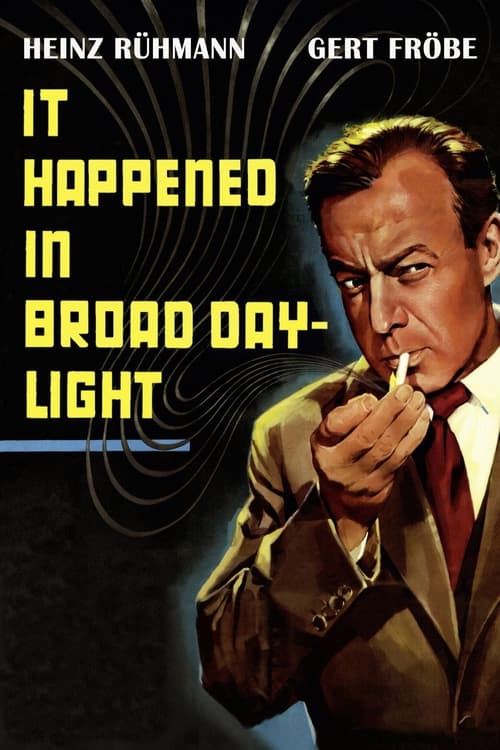
The search for a child murderer drags a once-respected detective into an all-consuming obsession.
It Happened in Broad Daylight
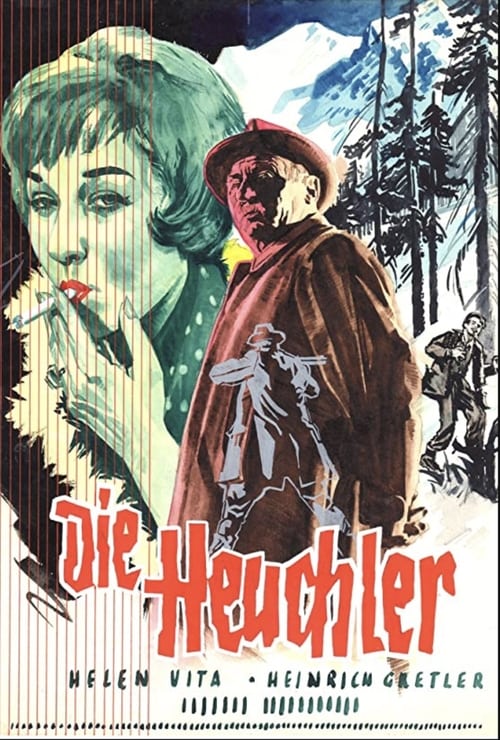
In the forest of Hablikon, the administrator Reichle is found shot dead. He had gone hunting with three other respected citizens of the community. Detective Sergeant Müller takes charge of the investigation. The first suspect is the nephew of one of the hunters, who was also at the scene at the time of the shooting and was on parole from prison. With no clear motive, Müller focuses his attention on the honorable and irreproachable fellow hunters. Their clean facade begins to crumble during his investigations. Village doctor Amsler, banker Meier, and architect Häuptl all had something to hide. Reichle knew about their private and business misdeeds. Müller also learns from Alvine Dünki, the dead man's lover, that money from the community coffers was used for the four men's entertainment. The murderer is convicted after the crime is reconstructed.
Die Gejagten
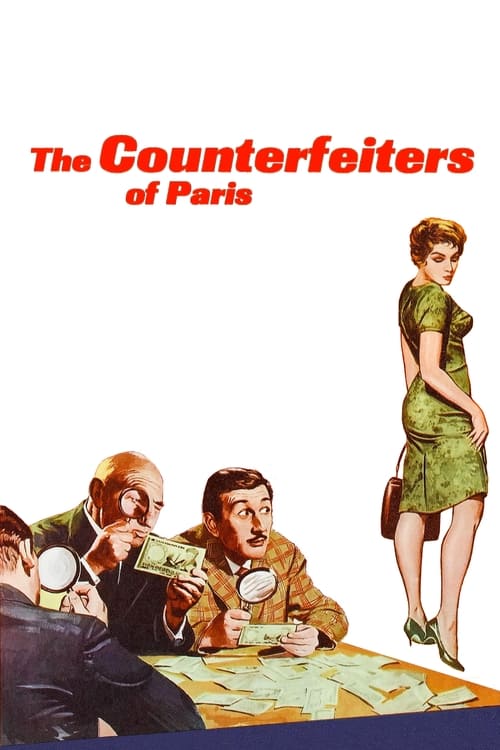
"Le Dabe" retired many years ago and now he lives in the Tropics where he owns stables and horses. He is a very rich man. He was the king of all money counterfeiters. He is contacted from Paris to organize a new job. He says no. But when he finds out the the currency that should be counterfeited is the Dutch florin, he accepts immediately. He retired after having counterfeited 100 florin notes just before the Queen Wilhelmina retired them from circulation. He flies to Paris. But the gang is not to be trusted, at least not all of them.
The Counterfeiters of Paris

A semi-documentary experimental 1930 German silent film created by amateurs with a small budget. With authentic scenes of the metropolis city of Berlin, it's the first film from the later famous screenwriters/directors Billy Wilder and Fred Zinnemann.
People on Sunday
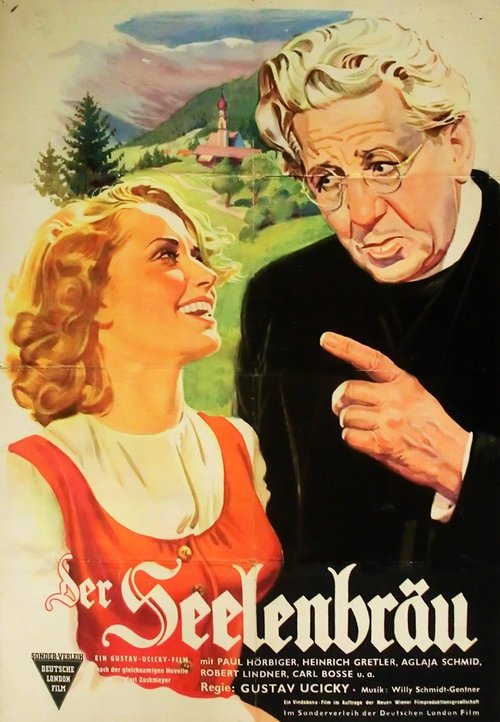
In Alt-Köstendorf in the Salzburg region, the dean, known as Seelenbräu, and the brewer Hochleithner, known in the village as Leibesbräu, are fighting for supremacy. As their nicknames suggest, Leibesbräu is primarily concerned with the physical well-being of the villagers, while Seelenbräu cares deeply about the faith of his congregation. This leads to repeated clashes between the two men, who could perhaps be described as stubborn. When Hochleitner's niece Clementine leaves the convent and wants to stay at home, a new dispute flares up between Seelenbräu and Leibesbräu.
Der Seelenbräu
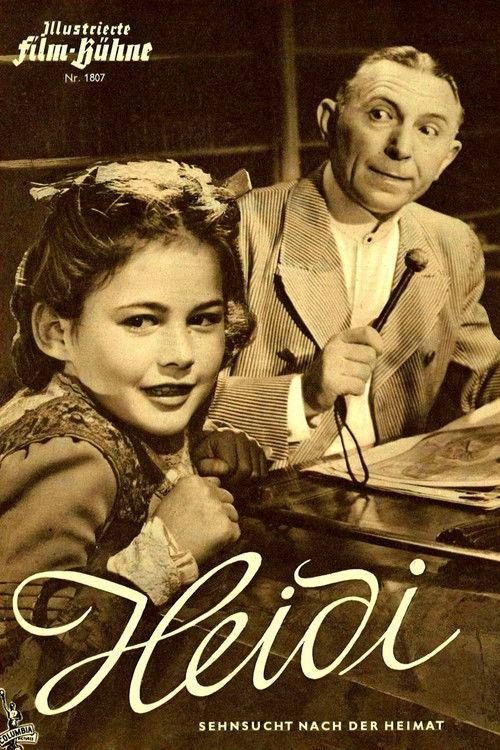
Heidi, a young orphan girl living with her aunt in Frankfurt, is forced to move to the Swiss Alps to live with her ornery grandfather. At first, he resents her presence, but, after a short while, Heidi manages to pierce his gruff exterior, and the two become close. She also befriends a young shepherd named Peter. After three years, Heidi's aunt arrives and demands Heidi's return to Frankfurt.
Heidi

Franz Biberkopf has served four years in prison. His return to normal life is not successful.
Berlin-Alexanderplatz: The Story of Franz Biberkopf
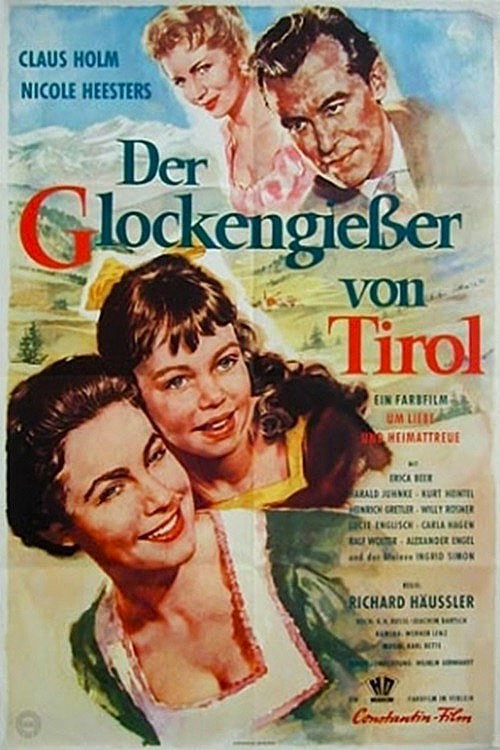
No description available.
Der Glockengießer von Tirol
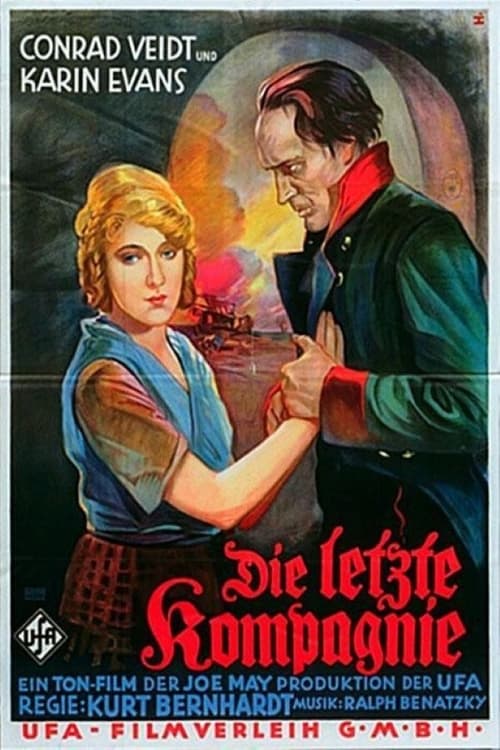
Following the Battle of Jena in 1806 as the French armies commanded by Napoleon overrun Prussia, a small detachment of Prussian troops take up position in a windmill and resolve fight to the last man to hold them off for as long as possible. Meanwhile, the windmill owner's daughter chooses to stay and fight alongside them.
The Last Company

Directed by Harald Braun and told from the perspective of Bertha von Suttner, the first female to receive the Nobel Peace Prize, The Alfred Nobel Story - No Greater Love chronicles the life of scientist, inventor, and businessman Alfred Nobel. Nobel built a massive fortune throughout his life, and while much if it was amassed by his inventions--dynamite being perhaps the most notable--he was also revered for his discoveries within the fields of science and economics. Upon his death, Nobel decided that his fortune was simply too great to continue in the form of an inheritance or single charitable donation, opting instead to use the money as reward for the greatest contributors to physics, chemistry, medicine, literature, and, of course, peace.
No Greater Love
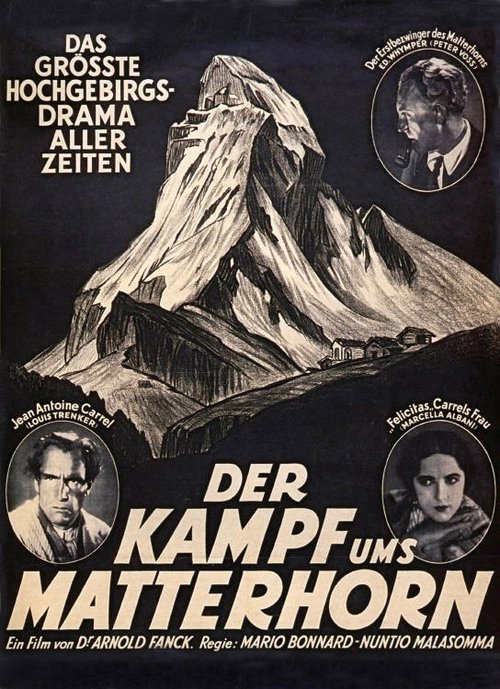
Struggle for the Matterhorn (German: Der Kampf ums Matterhorn) is a 1928 German-Swiss silent drama film co-directed by Mario Bonnard and Nunzio Malasomma and starring Luis Trenker, Marcella Albani, and Alexandra Schmitt. The film is part of the popular cycle of mountain films of the 1920s and 1930s. Art direction was by Heinrich Richter. Based on a novel by Carl Haensel, the film depicts the battle between British and Italian climbers to be the first to climb the Matterhorn. Trenker later remade the film as The Challenge in 1938.
The Fight for the Matterhorn
No description available.
Scheidungsgrund: Liebe
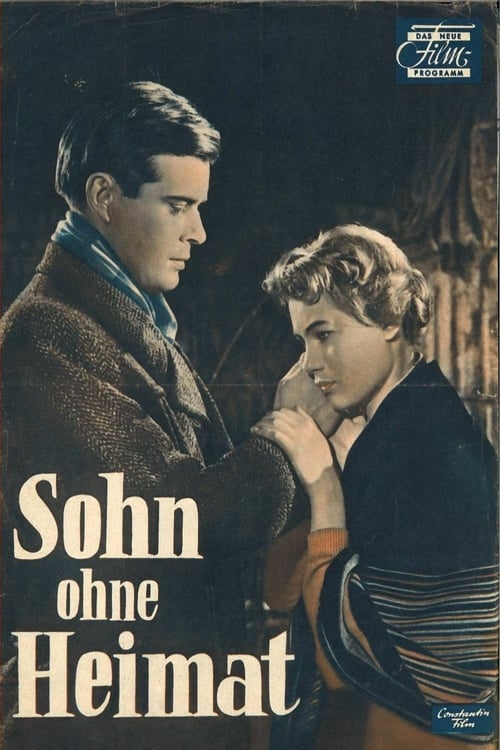
No description available.
Sohn ohne Heimat
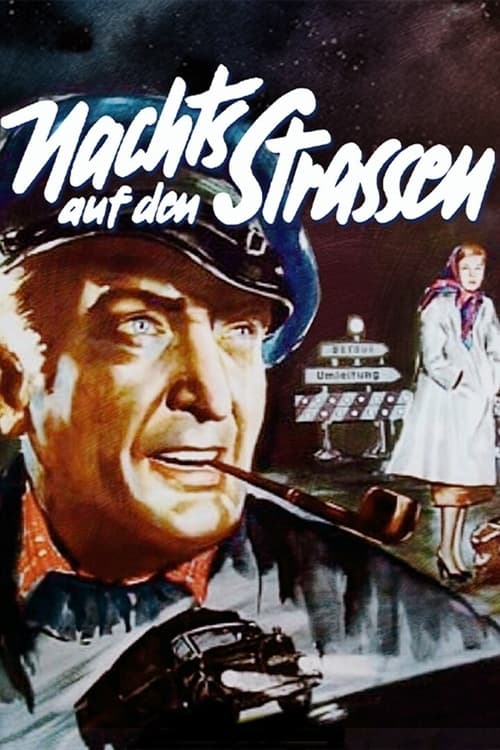
An aging truck driver finds smuggled money and becomes involved with a hijacking crowd.
Nights on the Road

No description available.
Freddy und das Lied der Südsee

At his uncle’s behest, the young Karl-Heinrich, Hereditary Prince of Saxe-Karlsburg, is sent to Heidelberg to study for a year. After a joyless youth in the gloomy, stately Karlsburg Castle, the prince embarks on the most carefree period of his life. He falls hopelessly in love with Käthi, the charming daughter of his landlords. But duty calls: the prince is gravely ill, and Karl-Heinrich must return to assume his duties as heir apparent and future ruler.
Old Heidelberg
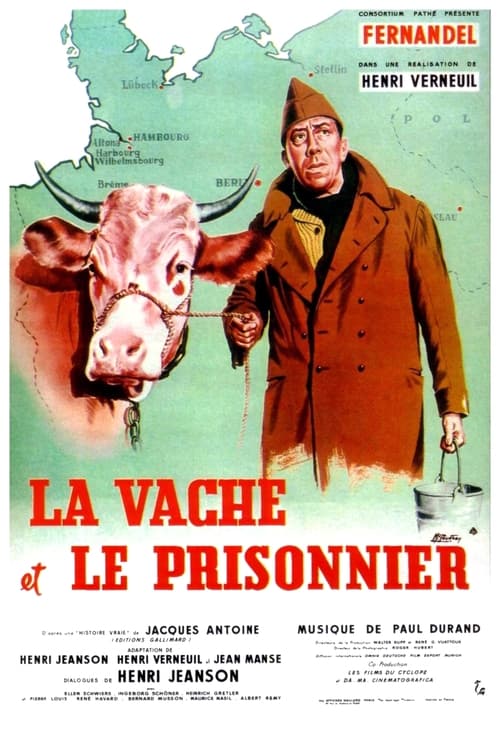
In 1942, a French prisonner of war in Germany decide to escape to France using a cow hold by a lunge as a decoy. He cross all Germany in this way.
The Cow and I
No description available.