Acting
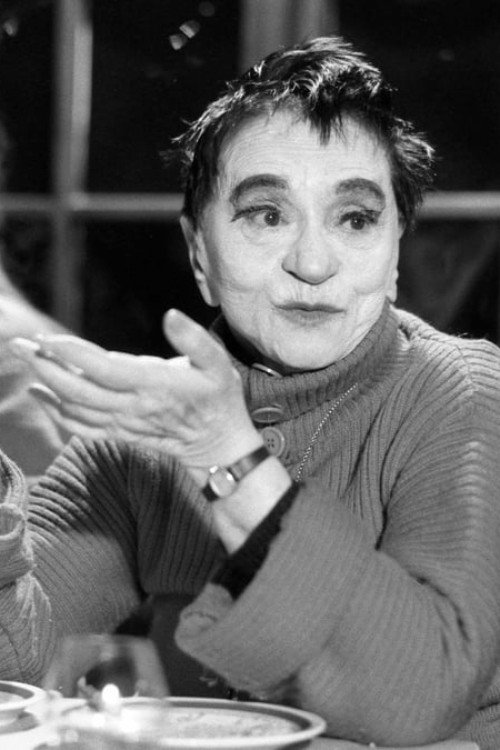
German dancer and cabaret artist.
No description available.
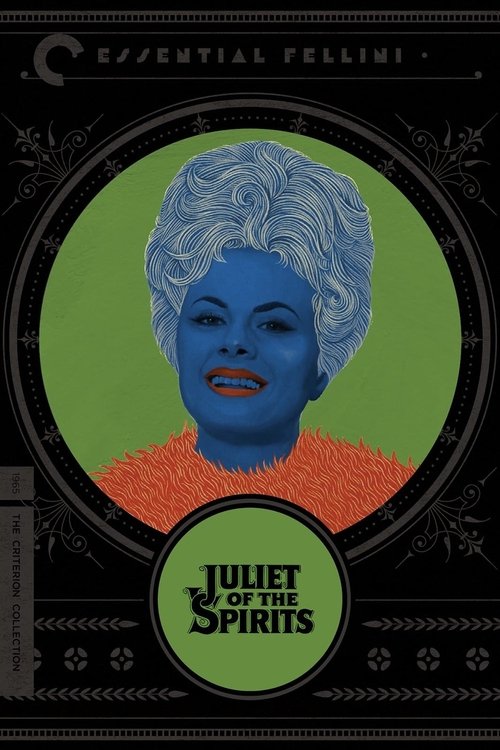
Middle-aged Giulietta grows suspicious of her husband, Giorgio, when his behavior grows increasingly questionable. One night when Giorgio initiates a seance amongst his friends, Giulietta gets in touch with spirits and learns more about herself and her painful past. Slightly skeptical, but intrigued, she visits a mystic who gives her more information -- and nudges her toward the realization that her husband is indeed a philanderer.
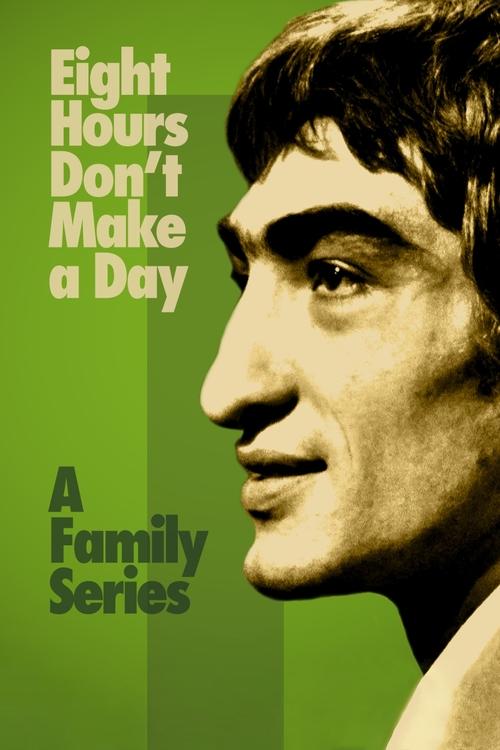
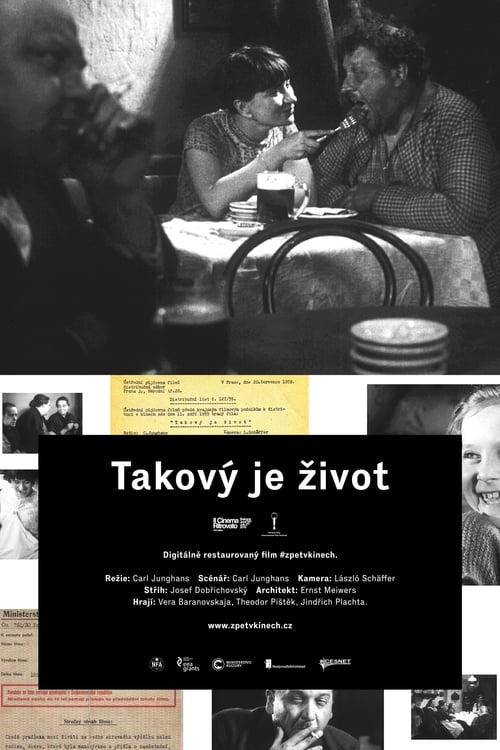
The sprawling story of the everyday triumphs and travails of the young toolmaker Jochen and many of the people populating his world, including the woman he loves, his eccentric family, and his colleagues, with whom he bands together to improve conditions on the factory floor.
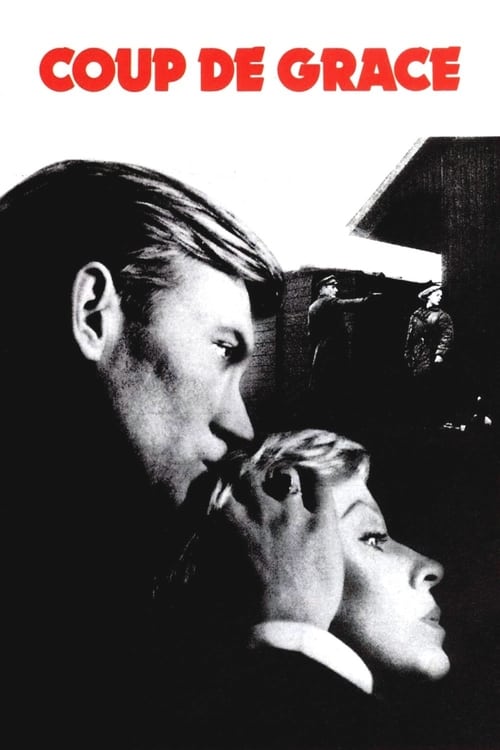
A countess loves her brother's Prussian-officer friend in the 1919 Baltic area.
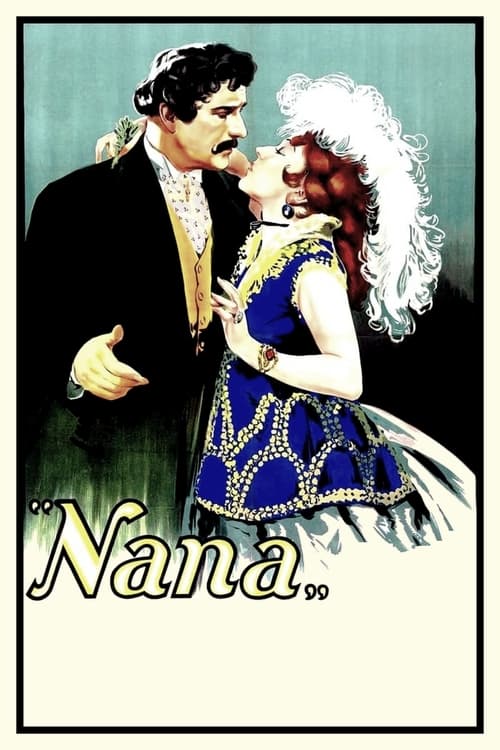
Count Moffat becomes infatuated with Nana, a presumptuous stage actress, vulgar, hypocritical and promiscuous, willing to do anything to succeed.
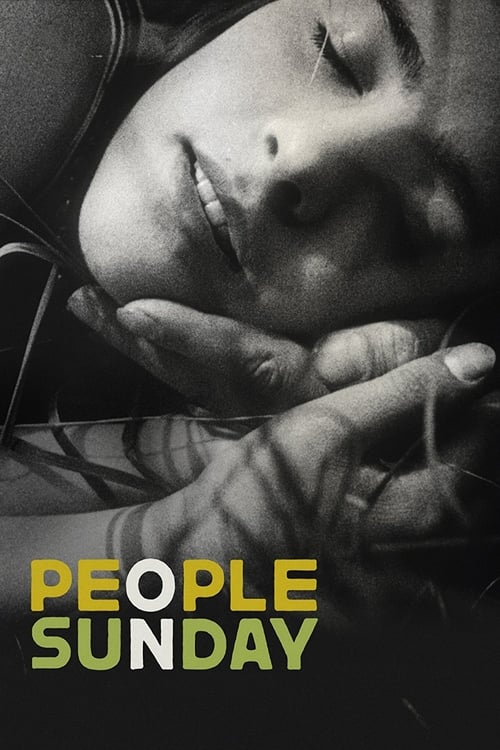
A semi-documentary experimental 1930 German silent film created by amateurs with a small budget. With authentic scenes of the metropolis city of Berlin, it's the first film from the later famous screenwriters/directors Billy Wilder and Fred Zinnemann.
In 1921, we follow two women - Marie and Grete - from the same poor Viennese neighborhood, as they try to better the lives of themselves and their families during the period of Austrian postwar hyperinflation.
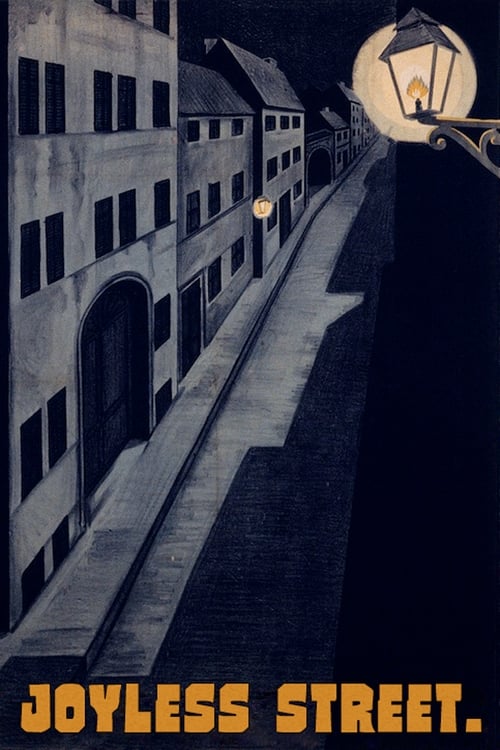
Thymian Henning, an innocent young girl, is raped by the clerk of her father's pharmacy. She becomes pregnant, is rejected by her family, and must fend for herself in a harsh, cruel world.
In London at the turn of the century, underworld kingpin Mack the Knife marries Polly Peachum without the knowledge of her father, the equally enterprising 'king of the beggars'.
A story about domestic life in a typical working-class environment. Life and trials and how little situations have big consequences.
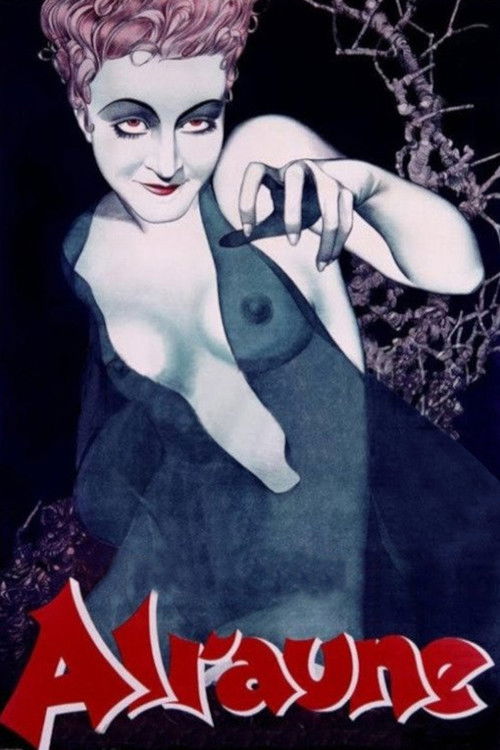
Hanns Heinz Ewers' grim science-fiction novel Alraune has already been filmed twice when this version was assembled in 1928. In another of his "mad doctor" roles, Paul Wegener plays Professor Brinken, sociopathic scientist who combines the genes of an executed murderer with those of a prostitute. The result is a beautiful young woman named Alraune (Brigitte Helm), who is incapable of feeling any real emotions -- least of all guilt or regret. Upon attaining adulthood, Alraune sets about to seduce and destroy every male who crosses her path. Ultimately, Professor Brinken is hoist on his own petard when he falls hopelessly in love with Alraune himself. Alraune was remade in 1930, with Brigitte Helm repeating her role, and again in 1951, with Hildegarde Knef as the "heroine" and Erich von Stroheim as her misguided mentor.
“Grotesque dancer” Valeska Gert speaks with inimitable repartee and typical Berlin brashness about her scandals and the people she met. She recreates her grotesque dances and pantomimes for the camera with the young Nastassja Kinski.
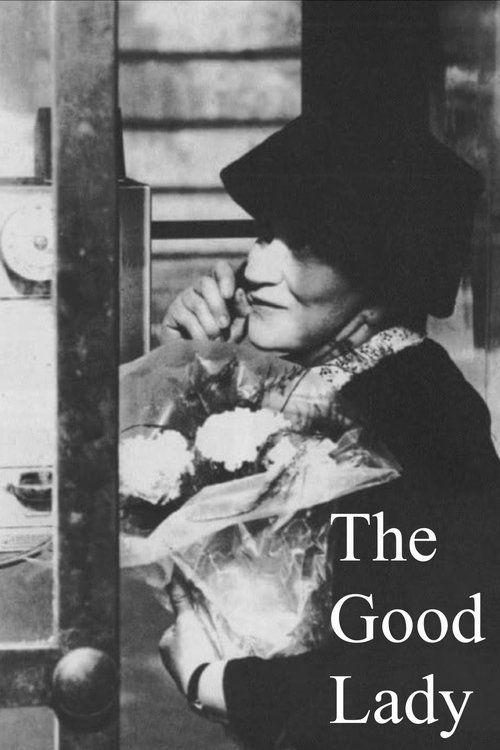
A kind old lady is not all that she seems to be, and gets more than she bargained for when she rents out a room to a handsome young student.
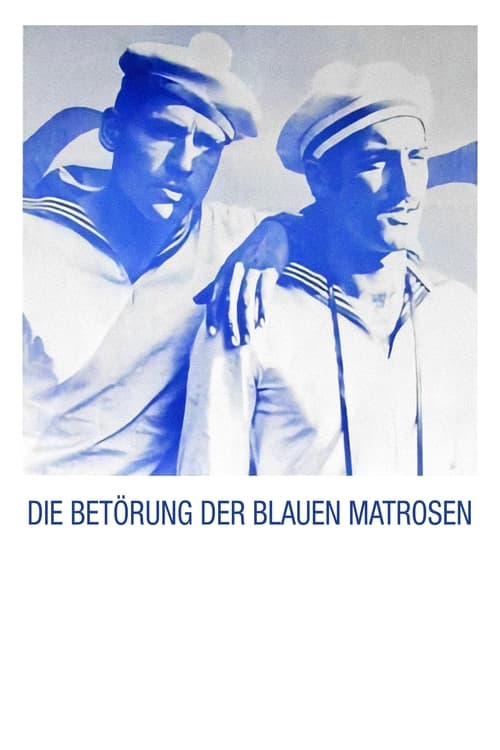
In collage sequences, the surrogate of synthetic sensuality takes form and seduces the sailors in the guise of a Hawaiian girl. In ritual punctuation, she distributes deaths which seemingly only the hardy siren Fatality can survive.
The film, made to advertise domestic telephone sets, is based around two very different families. The Petts are conventional, happy and have children; the Potts are unconventional and unhappy, without children.
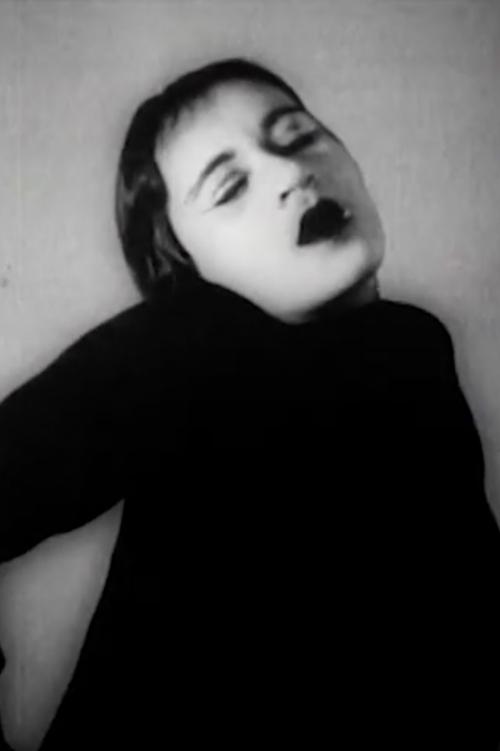
Three dance performances by dancer Valeska Gert.
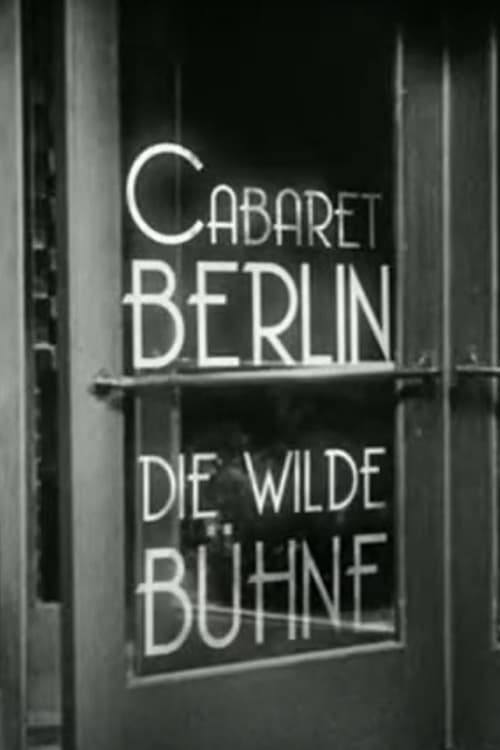
Structured as a cabaret show and composed entirely of rare visual and sound archival material, Cabaret-Berlin, The Wild Scene explores Berlin during the 20s and early 30s, when it was home to Europe’s most innovative and experimental artists, writers, and musicians, and where Jews played a leading role.