Peter Badel
Camera
Known For
Polizeiruf 110 is a long-running German language detective television series. The first episode was broadcast 27 June 1971 in the German Democratic Republic, and after the dissolution of Fernsehen der DDR the series was picked up by ARD. It was originally created as a counterpart to the West German series Tatort, and quickly became a public favorite.
Polizeiruf 110
The architect Nora wants to go to Greece with her fiancé, the successful lawyer Tobias Becker. During the holidays in Crete Tobias should also find a link to Nora's children Julia and Ben. But the two kids can not smell Tobias, and it gets even thicker: Due to an annoying double occupancy Nora and Tobias have to share the dream house with the event manager Marion and her divorced husband Tobi, because both families have booked under the name Becker. While the two teens Philip and Julia quickly discover their sympathies for each other, the parents need a little longer for it ...
Endlich Urlaub!
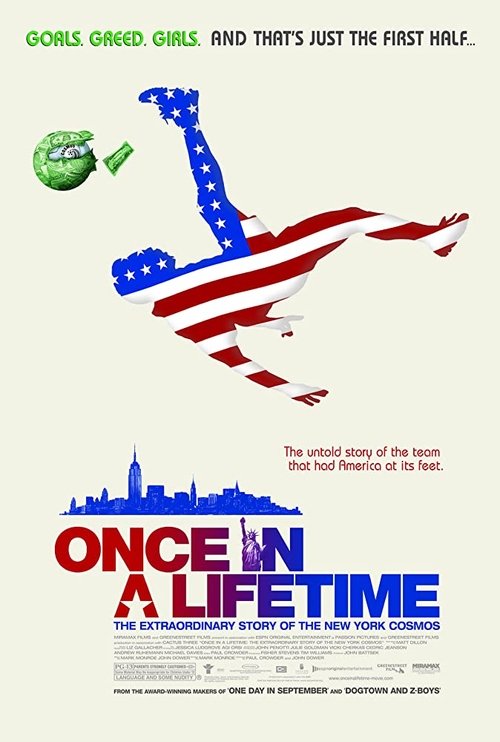
In the 1970s the North American Soccer League marked the first attempt to introduce soccer to American sports fans. While most teams had only limited success at best, one managed to break through to genuine mainstream popularity - the New York Cosmos. The brainchild of Steve Ross (Major executive at Warner Communications) and the Ertegun brothers (Founders of Atlantic Records), the Cosmos got off to a rocky start in 1971, but things changed in 1975 when the world's most celebrated soccer star, the Brazilian champion Pele, signed with the Cosmos for a five-million-dollar payday. With the arrival of Pele, the Cosmos became a hit and the players became the toast of the town, earning their own private table at Studio 54. A number of other international soccer stars were soon lured to the Cosmos, including Franz Beckenbauer, Rodney Marsh, and Carlos Alberto, but with the turn of the decade, the team began losing favor with fans and folded in 1985.
Once in a Lifetime: The Extraordinary Story of the New York Cosmos
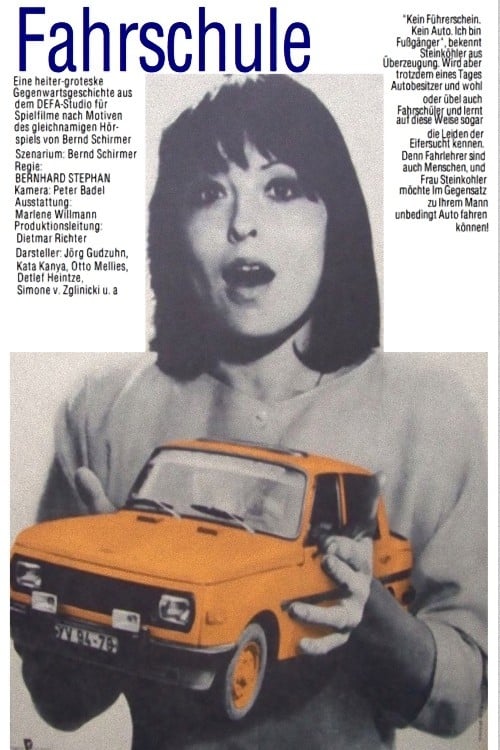
In the GDR, purchasing a car was such a difficult process that many families applied for one years in advance. For example, Gisela secretly orders a Wartburg model after the birth of her first child. By the time the vehicle is ready, her daughter is a teenager, and Gisela's husband, who actually prefers walking, has already bought a second Wartburg from a friend in financial trouble. As a result, the couple decides to sign up for driving school together.
Driving School
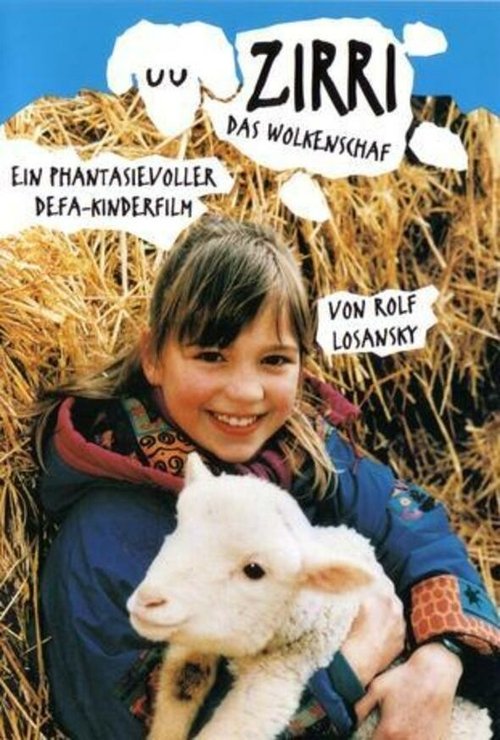
Eleven-year-old Christine, called “Schiene”, spends her vacation on her grandparents' farm and discovers Zirri, a bright white cloud sheep, in her grandfather's flock of sheep.
Zirri, das Wolkenschaf
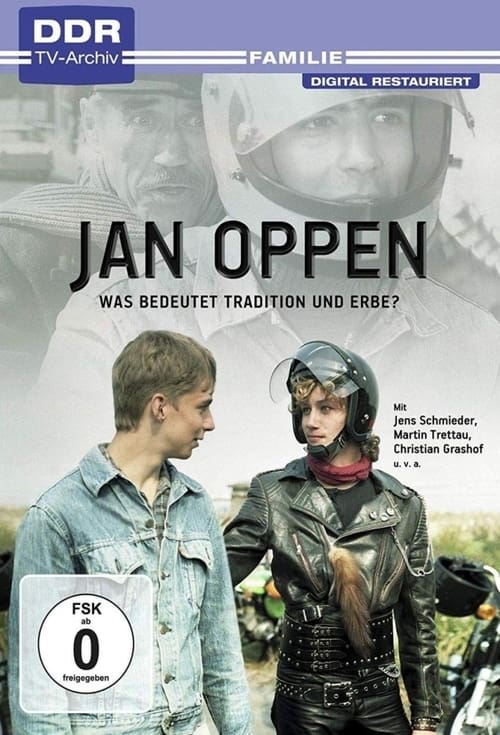
The Oppen family has lived in Berlin, Griesener Straße, for generations. The first names of the family members are also repeated, so the grandson Jan has the same first name as his grandfather. The Oppens' husbands have maintained a tradition up to now: they were or are all carpenters. But the latter does not yet fall on fertile ground with 16-year-old Jan, whose passion is the moped, his "machine". Of course, he is a newcomer among the motorcycle fans around the black Jonny, but he loves to be in their company to experience adventures, and of course he wants to be able to "keep up" with them. Jan has already developed a strategy for how he can do this.
Jan Oppen
In May 1989, just a few months before the fall of the Berlin Wall, the first "Miss Leipzig" contest was held in Leipzig, a competition that required not only beauty but also knowledge of the city and its history. Leipzig photographer Gerhard Gäbler won 20 of the candidates for a double portrait that showed them at work and in their private lives. 18 years later, the filmmaker and the photographer sought out the now 40-year-olds and asked them about their motivation at the time. The film documents resolute, ambitious, intelligent and self-confident women who are representative of a generation that was often able to make more of the opportunities offered by the "turnaround" than those ten or twelve years older.
Sag mir, wo die Schönen sind

Former heads, senior officers and the rector of the MfS law school explain how the ministry functioned. The interviewees see themselves as legitimate actors with a clear mandate and political enemy image. They provide an insight into the techniques and routines of secret service work, psychological tricks during interrogations and the management of “unofficial collaborators”. What they all have in common is that they are not aware of any moral guilt. The directors contrast their footage of prisons and archives with the statements of former Stasi employees in an attempt to expose their evasions and efforts at suppression.
The Ministry for State Security - Everyday life at a public authority

In 1794 Bützow, widow Hornborstel, a top goose breeder, presses Mayor Hane to marry her. Rebuffed, he bans free‐range geese under a “goose edict.” Enraged, she enlists revolutionary‐minded Magister Albus to rally citizens. They rise for goose freedom, the duke deposes Hane, installs a new mayor, and Albus escapes across the border.
Die Gänse von Bützow

"Pictures from the late eighties in the GDR on up to the immediate present in the year 2008 in Germany. What has been left over besieges my mind. All these pictures keep reassembling themselves to make up something which they were originally not made for. They are still in motion. They are becoming history." (Thomas Heise)
Material

The body of young Christa Gellert is fished out of the water in a small town on the Elbe in the spring of 1964. Everything points to an accident - Christa drowned while picking willow catkins during an official trip with town councillor Stegmeier and his colleague Anna Sell. That's what the people involved say, but then rumors start to spread. Detective Hans Gregor investigates. His boss Erwin Müller, who has known the councillor for many years, is unamused. When questioning the witnesses, Gregor only comes across hints. An exhumation of the dead is carried out. It is discovered that Christa was pregnant. Her colleague Helga, a former student on probation, knows about the councilman's relationship with Christa. But she is afraid to testify. Gregor has to fight his way through a web of dependencies, career thinking and mistrust until he solves the case.
Die Beteiligten
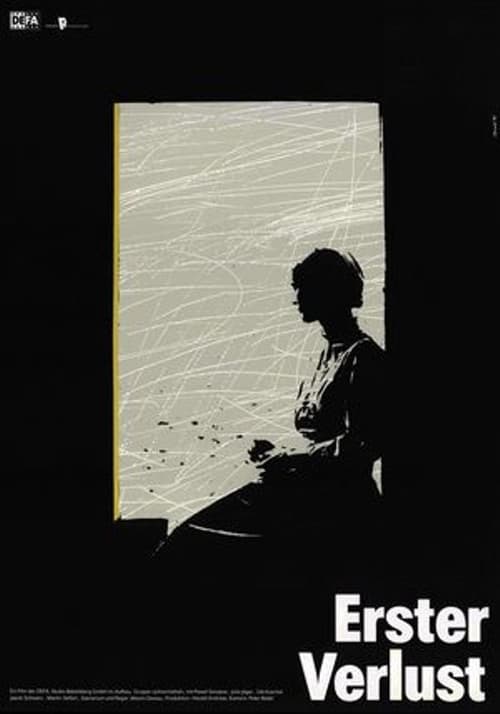
In a German village in 1942, farmer Heinrich Marten is conscripted, leaving behind his wife Kathrin and sister Frieda. As the two young women cannot manage the farm alone, they are given help by the state: a prisoner of war. The Russian Alexei is emaciated and has to be nursed back to health by the women. Working together in the fields and on the farm, Kathrin and Frieda inevitably get closer to the Russian. The resolute Frieda is courted by the local farmer Otto Lange and is at the same time dependent on him. A love affair develops between Kathrin and Alexei. They make love in a shed. But the couple is discovered by a soldier and Alexej flees. He is caught by young Nazis and taken away.
Erster Verlust
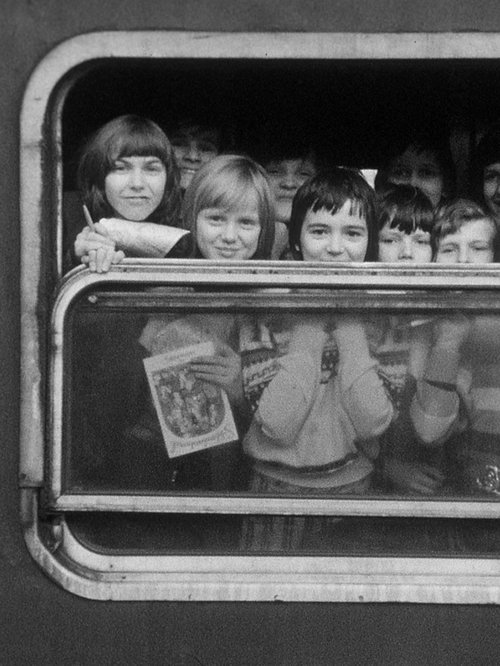
The minutes before the train departs: time pauses.
Ostbahnhof
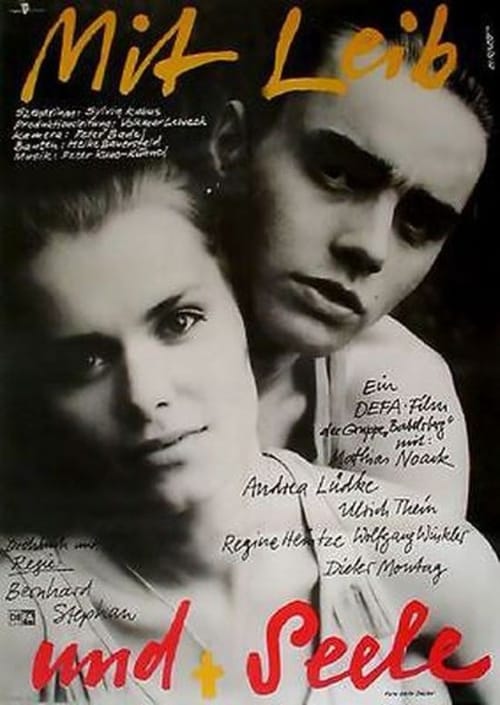
Seventeen-year-old apprentice Jonas, struggling with his ailing, proud father, pours himself into restoring a decaying ship on a Mecklenburg lake. Neglecting all else, he loses his girlfriend and support at work. After the boat burns, a reconciliatory vocational ceremony reunites him with his recovered father.
Mit Leib und Seele
No description available.
Komme gleich wieder
The documentary relates how in the second half of the 20th century the agent Berthold Barluschke was first a henchman of the State Security Service of the GDR and then of the West German Federal Intelligence Service.
Barluschke
Over seven years, director Thomas Heise revisits five young actors from his 2007 Berlin staging of Heiner Müller’s “Anatomy Titus.” At irregular intervals, he asks them to film their everyday lives and articulate their hopes. The footage is deliberately fragmentary and non-linear: there is no smooth narrative or causal thread. Among them, 22-year-old Sven, whose apprenticeship, naval stint, dishonorable discharge, and failed relationships leave him convinced “nothing comes next”, becomes the focal point of this long-term observation. Invoking Müller’s own outsider declaration - “I am a Negro” - the film offers a stark, uncompromising portrait of aimless youth while Heise probes his role as documentarian.
Im Glück (Neger)
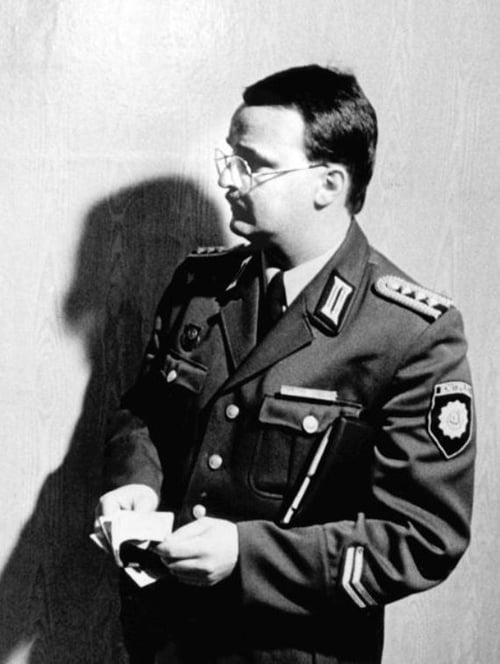
Thomas Heise documents the everyday life of the "People's Police Force" in Berlin Mitte.
The People's Police Force, 1985
Encounters in a community shaped by industry, which soon will cease to be. Between reject shops and employment agency: conversations about short-time work, freedom, and increase in rent, early retirement and the way into the west. Despair, resignation and remains of defiant hope.
In Schwarze Pumpe
Eight years after the first cinematic encounter with right-wing extremist youths in Halle Neustadt, Thomas Heise revisits the protagonists and their families at the turn of the century.