Kryštof Čížek
Camera
Known For
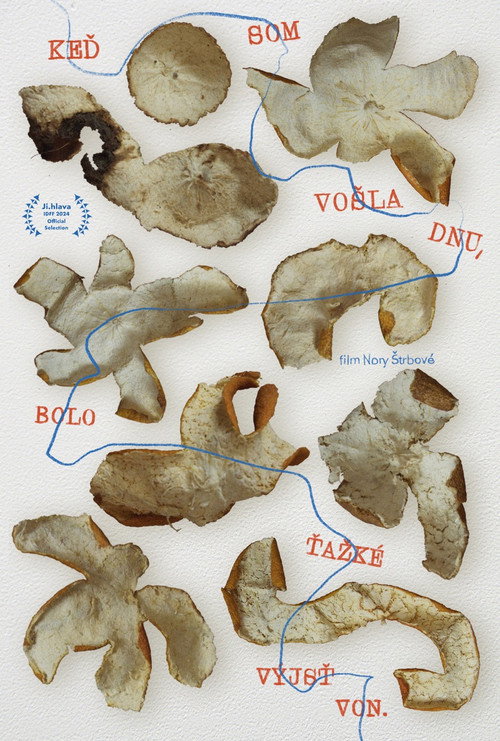
Ida is cleaning out the house that her grandfather, an artist, used to live in. She wades through a studio overflowing with artefacts, oddities and lost history. Similarly to S P A C E S, Štrbová treats the theme of memory and loss, combining fiction and documentary, letting the images of nostalgic childhood and the suffocating past flow associatively. To the sound of Francesco Geminiani's Concerto grosso no. 12, subtitled Madness, the fragile physicality of both dead and living relics stands out. The head of a dead parrot, a cast of her grandmother's breasts or a moss-covered real estate agent represent the discoveries of a personal archaeological site and exhibits of an introspective museum of family history.
Once I Got in, It Was Hard to Get Out
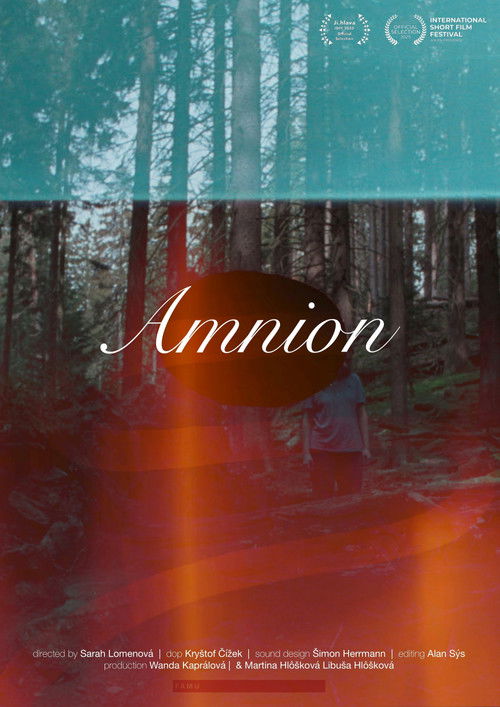
The amnion – the fetal membrane protecting the embryo – becomes a metaphor in the film for an intimate space where pain can be shared and a path to healing sought. This sensitive portrait of three women whose lives have been marked by sudden separation is carried from the outset by a meditative soundtrack that shapes an environment in which personal experience becomes expressible. Ritual gestures – traditional costumes, cooking together, hugging – create a protective shell that allows pain not only to be expressed and shared, but also transformed.
Amnion
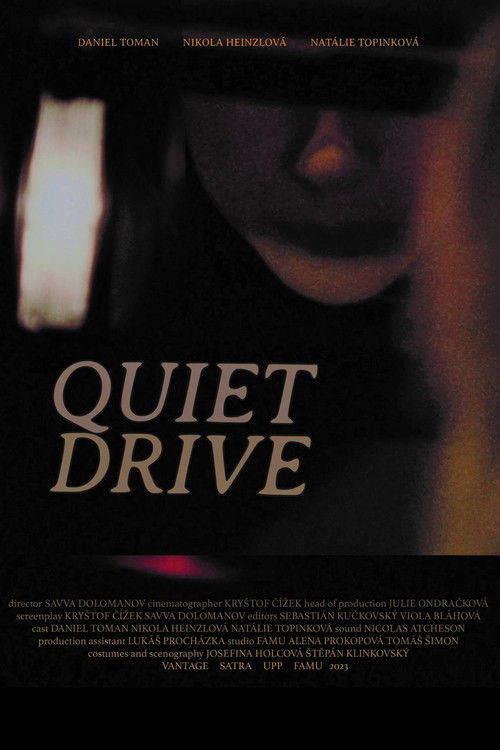
A young couple is enjoying a wild ride in their cabriolet, but, while they're only interested in each other, they crash into another car. The man ends up in hospital, paralysed and in company of a nurse that tries her best to console him. The only thing he has left is the passion he experienced with the girl in the car.