Chuck Roberson
Acting
Biography
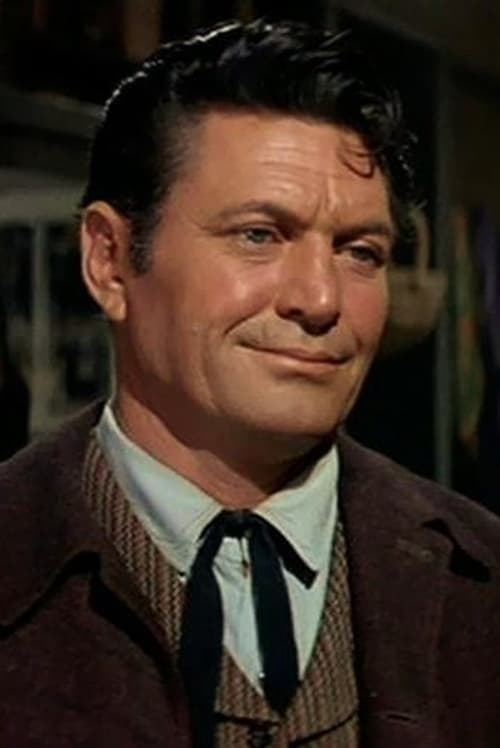
Charles Hugh Roberson (May 10, 1919 – June 8, 1988) was an American actor and stuntman. Roberson was born near Shannon, Texas, the son of farmer Ollie W. Roberson and Jannie Hamm Roberson. Raised on cattle ranches in Shannon, Texas, and Roswell, New Mexico, he left school at 13 to become a cowhand and oilfield roughneck. He married and took his wife and daughter to California, where he joined the Culver City Police Department and guarded the gate at MGM Studios. Following army service in World War II, he returned to the police force. During duty at Warner Bros. studios during a labor strike, he met stuntman Guy Teague, who alerted him to a stunt job at Republic Pictures. Teague had been John Wayne's stunt double for many years and was able to show him the ropes. Chuck also resembled John Carrol whom Roberson doubled in his first picture, Wyoming (1947). He played small roles and stunted in other roles in the same film. He graduated to larger supporting roles in Westerns for Wayne and John Ford, and to a parallel career as a second-unit director. His television appearances include The Lone Ranger, The Adventures of Kit Carson, Lawman, Death Valley Days, Have Gun – Will Travel, Laramie, Gunsmoke, The Virginian, Laredo, Bonanza, Daniel Boone, and The Big Valley. Roberson also appeared in Disney's television Westerns The Swamp Fox and Texas John Slaughter. They were part of The Wonderful World of Color. Before that, he portrayed a Confederate Prison Captain in The Great Locomotive Chase. In 1980 he published an autobiography, The Fall Guy: 30 Years as the Duke's Double. Roberson died of cancer on June 8, 1988, in Bakersfield, California, and is buried in Forest Lawn Cemetery, Hollywood Hills, California, next to his brother, actor Lou Roberson. Bob Dylan drew him as Long Tom in his Beaten Path series, the drawing is entitled "Untitled 1" and is based on a frame from the film Winchester '73 (1950). Roberson and Wayne Burson, another stuntman, were partners in breeding and training racehorses, with Roberson furnishing the horses from his Bakersfield, California, ranch and Burson training them.
Known For

The series initially starred veteran movie supporting actor Ward Bond as the wagon master, later replaced upon his death by John McIntire, and Robert Horton as the scout, subsequently replaced by lookalike Robert Fuller a year after Horton had decided to leave the series. The series was inspired by the 1950 film Wagon Master directed by John Ford and starring Ben Johnson, Harry Carey Jr. and Ward Bond, and harkens back to the early widescreen wagon train epic The Big Trail starring John Wayne and featuring Bond in his first major screen appearance playing a supporting role. Horton's buckskin outfit as the scout in the first season of the television series resembles Wayne's, who also played the wagon train's scout in the earlier film.
Wagon Train

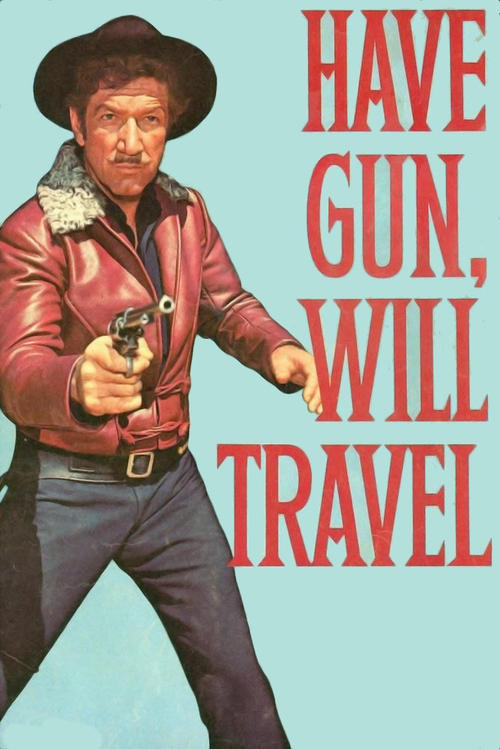
Have Gun – Will Travel is an American Western television series that aired on CBS from 1957 through 1963. It was rated number three or number four in the Nielsen ratings every year of its first four seasons. It was one of the few television shows to spawn a successful radio version. The radio series debuted November 23, 1958. The television show is presently shown on the Encore-Western channel. Have Gun – Will Travel was created by Sam Rolfe and Herb Meadow and produced by Frank Pierson, Don Ingalls, Robert Sparks, and Julian Claman. There were 225 episodes of the TV series, 24 written by Gene Roddenberry. Other contributors included Bruce Geller, Harry Julian Fink, Don Brinkley and Irving Wallace. Andrew McLaglen directed 101 episodes and 19 were directed by series star Richard Boone.
Have Gun, Will Travel

The Shiloh Ranch in Wyoming Territory of the 1890s is owned in sequence by Judge Henry Garth, the Grainger brothers, and Colonel Alan MacKenzie. It is the setting for a variety of stories, many more based on character and relationships than the usual western.
The Virginian

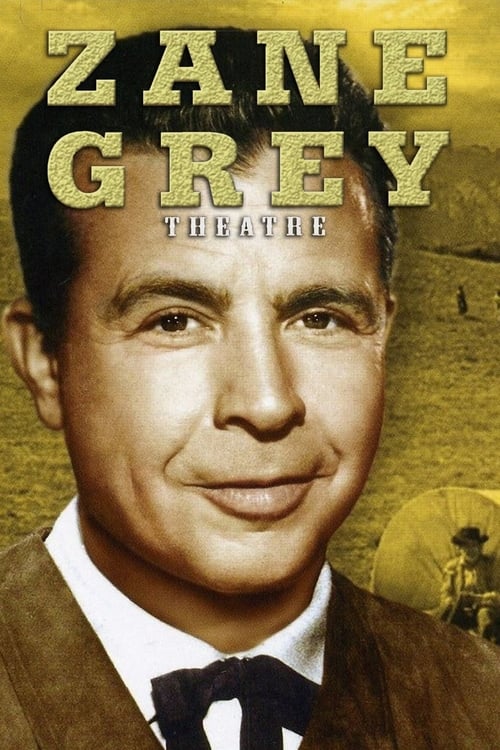
Dick Powell's Zane Grey Theatre, sometimes simply called Zane Grey Theatre, is an American Western anthology series which ran on CBS from 1956 to 1961.
Dick Powell's Zane Grey Theatre

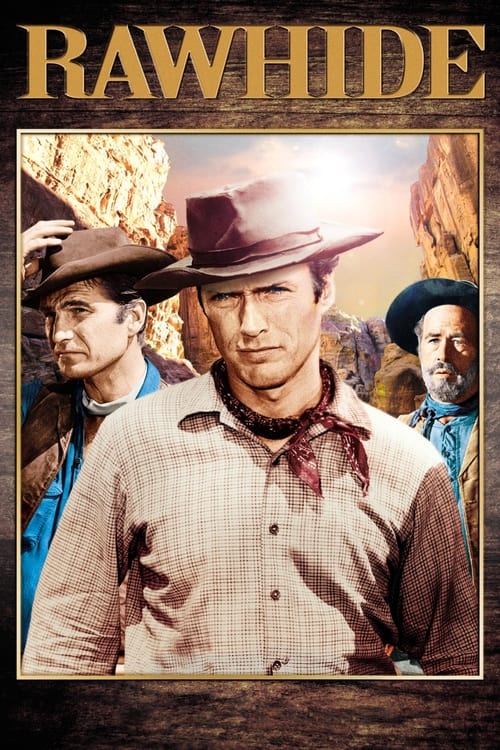
The tale of trail boss Gil Favor and his trusty foreman Rowdy Yates as they drives cattle across the old west. Along the way they meet up with adventure and drama.
Rawhide

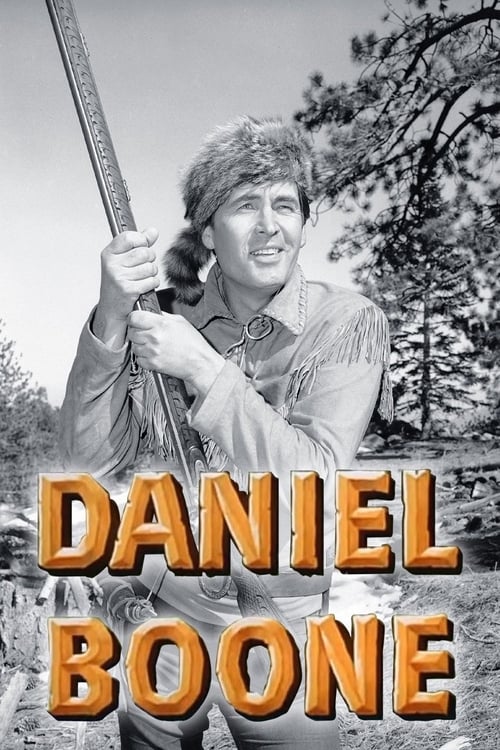
Daniel Boone is an American action-adventure television series starring Fess Parker as Daniel Boone that aired from September 24, 1964 to September 10, 1970 on NBC for 165 episodes, and was made by 20th Century Fox Television. Ed Ames co-starred as Mingo, Boone's Cherokee friend, for the first four seasons of the series. Albert Salmi portrayed Boone's companion Yadkin in season one only. Dallas McKennon portrayed innkeeper Cincinnatus. Country Western singer-actor Jimmy Dean was a featured actor as Josh Clements during the 1968–1970 seasons. Actor and former NFL football player Rosey Grier made regular appearances as Gabe Cooper in the 1969 to 1970 season. The show was broadcast "in living color" beginning in fall 1965, the second season, and was shot entirely in California and Kanab, Utah.
Daniel Boone

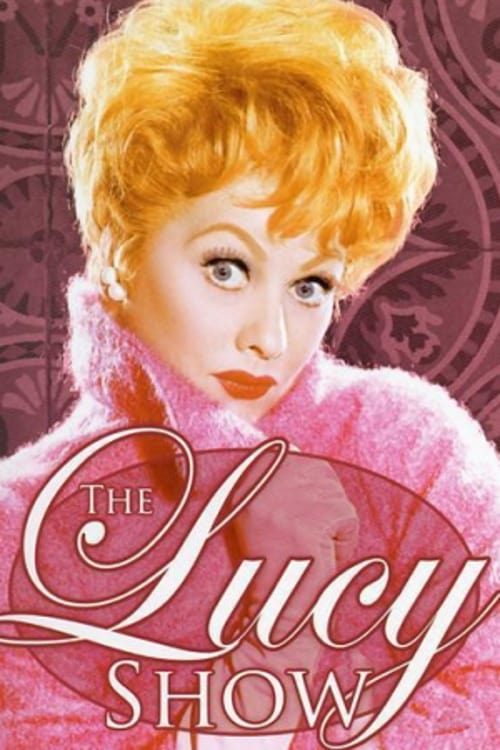
The Lucy Show is an American sitcom that aired on CBS from 1962–68. It was Lucille Ball's follow-up to I Love Lucy. A significant change in cast and premise for the 1965–66 season divides the program into two distinct eras; aside from Ball, only Gale Gordon, who joined the program for its second season, remained. For the first three seasons, Vivian Vance was the co-star. The earliest scripts were entitled The Lucille Ball Show, but when this title was declined, producers thought of calling the show This Is Lucy or The New Adventures of Lucy, before deciding on the title The Lucy Show. Ball won consecutive Emmy Awards as Outstanding Lead Actress in a Comedy Series for the series' final two seasons, 1966–67 and 1967–68.
The Lucy Show

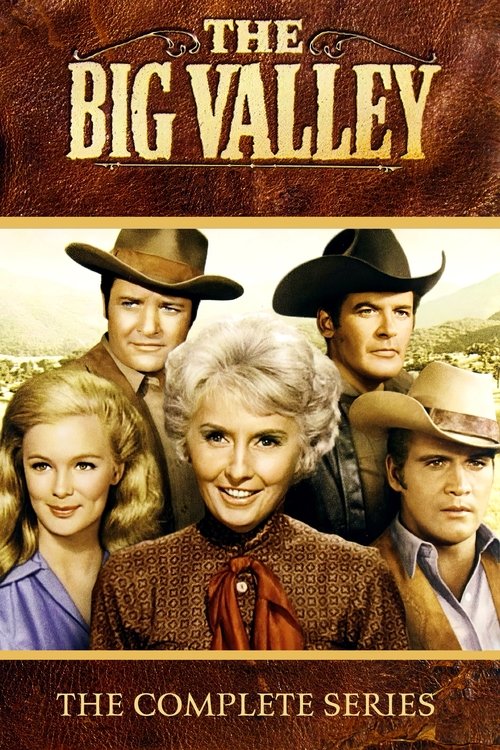
The Big Valley is an American western television series which ran on ABC from September 15, 1965, to May 19, 1969. The show stars Barbara Stanwyck, as the widow of a wealthy nineteenth century California rancher. It was created by A.I. Bezzerides and Louis F. Edelman, and produced by Levy-Gardner-Laven for Four Star Television.
The Big Valley

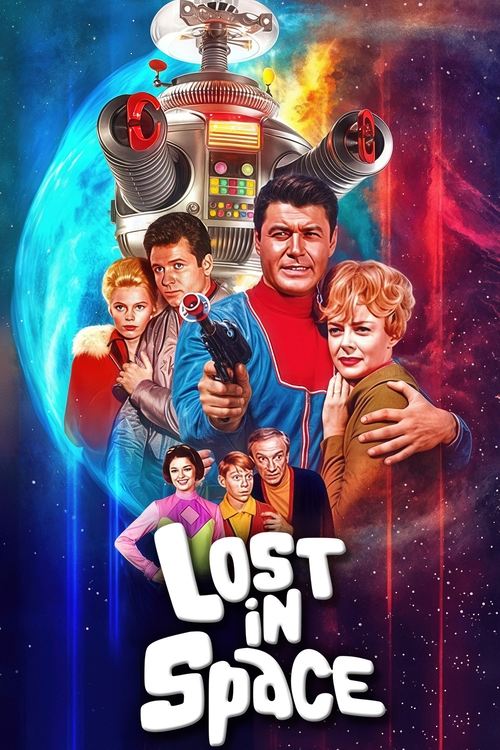
The space family Robinson is sent on a five-year mission to find a new planet to colonise. The voyage is sabotaged time and again by an inept stowaway, Dr. Zachary Smith. The family's spaceship, Jupiter II, also carries a friendly robot who endures an endless stream of abuse from Dr. Smith, but is a trusted companion of young Will Robinson
Lost in Space

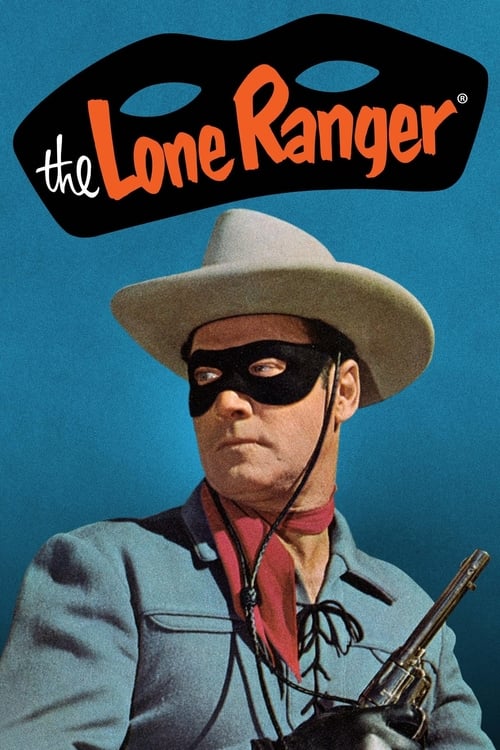
The Lone Ranger is an American western television series that ran from 1949 to 1957, starring Clayton Moore with Jay Silverheels as Tonto. The live-action series initially featured Gerald Mohr as the episode narrator. Fred Foy served as both narrator and announcer of the radio series from 1948 to its finish and became announcer of the television version when story narration was dropped there. This was by far the highest-rated television program on the ABC network in the early 1950s and its first true "hit".
The Lone Ranger

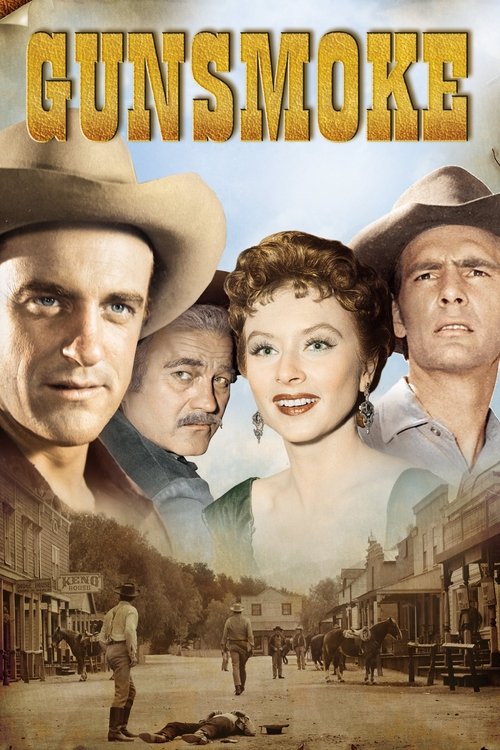
Gunsmoke is an American radio and television Western drama series created by director Norman MacDonnell and writer John Meston. The stories take place in and around Dodge City, Kansas, during the settlement of the American West. The central character is lawman Marshal Matt Dillon, played by William Conrad on radio and James Arness on television.
Gunsmoke

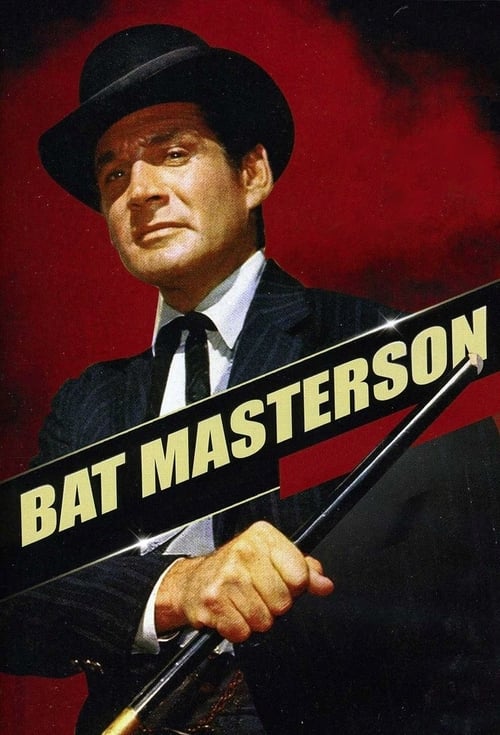
Bat Masterson is an American Western television series which showed a fictionalized account of the life of real-life marshal/gambler/dandy Bat Masterson. The title character was played by Gene Barry and the half-hour black-and-white shows ran on NBC from 1958 to 1961. The series was produced by Ziv Television Productions, the company responsible for such hit series as Sea Hunt and Highway Patrol.
Bat Masterson

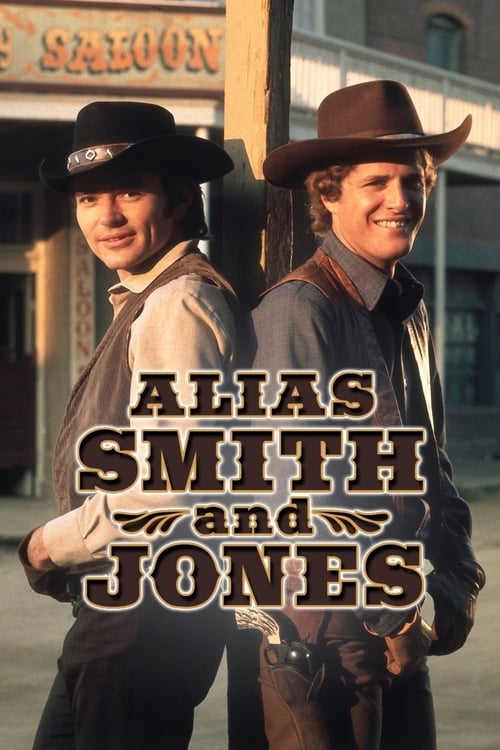
Alias Smith and Jones is an American Western series that originally aired on ABC from 1971 to 1973. It stars Pete Duel as Hannibal Heyes and Ben Murphy as Jedediah "Kid" Curry, a pair of cousin outlaws trying to reform. The governor offers them a conditional amnesty, as he wants to keep the pact under wraps for political reasons. The condition is that they will still be wanted— until the governor can claim they have reformed and warrant clemency.
Alias Smith and Jones

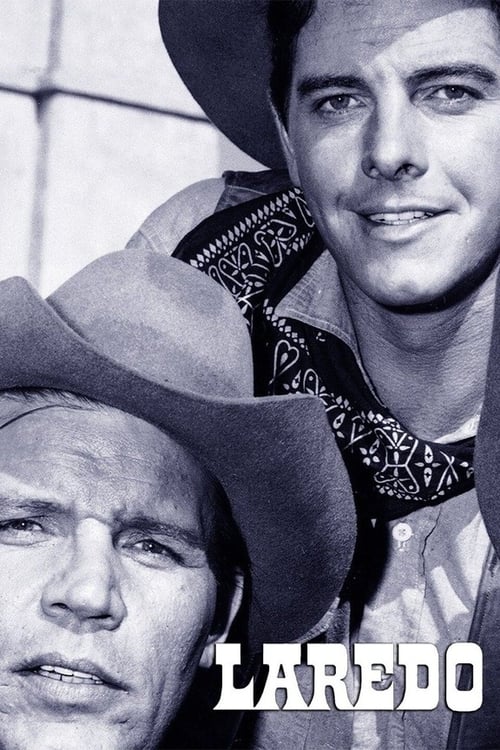
Laredo is an American Western television series that aired on NBC from September 16, 1965, to April 7, 1967. Laredo stars Neville Brand, William Smith, Peter Brown, and Philip Carey as Texas Rangers. It is set on the Mexican border about Laredo, Texas. The program was produced by Universal Television. The pilot episode of Laredo aired on NBC's The Virginian under the title, "We've Lost a Train". It was released theatrically in 1969 under the title Backtrack. Three episodes from the first season of the series were edited into the 1968 feature film Three Guns for Texas.
Laredo

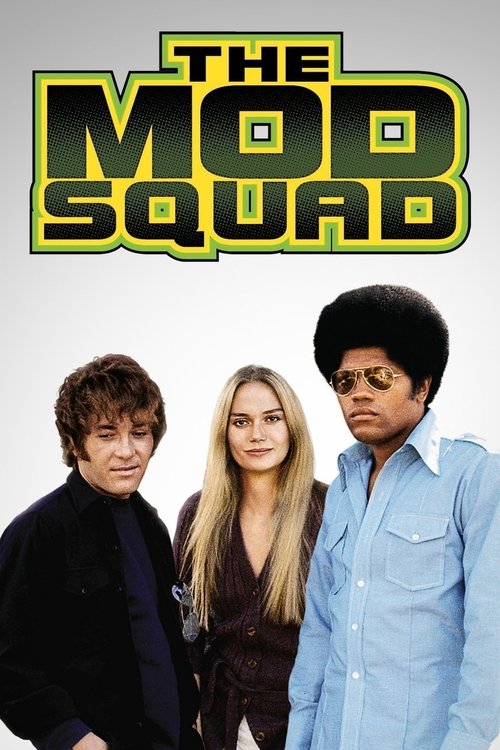
The Mod Squad was the enormously successful groundbreaking "hippie" undercover cop show that ran on ABC from September 24, 1968, until August 23, 1973. It starred Michael Cole as Pete Cochren, Peggy Lipton as Julie Barnes, Clarence Williams III as Linc Hayes, and Tige Andrews as Captain Adam Greer. The executive producers of the series were Aaron Spelling and Danny Thomas. The iconic counter-culture police series earned six Emmy nominations, four Golden Globe nominations plus one win for Peggy Lipton, one Directors Guild of America award, and four Logies. In 1997 the episode "Mother of Sorrow" was ranked #95 on TV Guide's 100 Greatest Episodes of All Time.
The Mod Squad

Walt Disney Productions has produced an anthology television series under several different titles since 1954. The original version of the series premiered on ABC, Wednesday night, October 27, 1954. The show, which was hosted by Walt Disney until his death and then from 1996 to 2002 by then-CEO Michael Eisner (with one-off hosts or no hosts during other periods) has since aired continually as either a weekly program or an irregular series of specials on several networks and streaming services, most recently on ABC and Disney+. The show is the second longest showing prime-time program on American television, behind its rival, Hallmark Hall of Fame. However, Hallmark Hall of Fame was a weekly program only during its first five seasons, while Disney remained a weekly program for more than forty years.
The Wonderful World of Disney

The rebellious Thracian Spartacus, born and raised a slave, is sold to Gladiator trainer Batiatus. After weeks of being trained to kill for the arena, Spartacus turns on his owners and leads the other slaves in rebellion. As the rebels move from town to town, their numbers swell as escaped slaves join their ranks. Under the leadership of Spartacus, they make their way to southern Italy, where they will cross the sea and return to their homes.
Spartacus

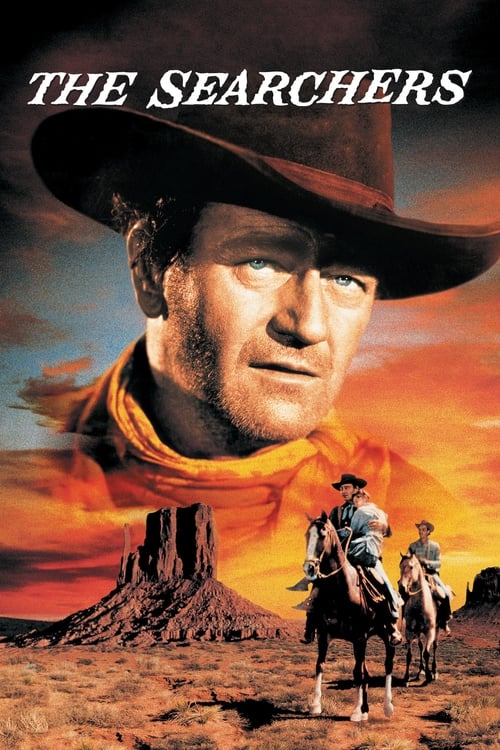
As a Civil War veteran spends years searching for a young niece captured by Indians, his motivation becomes increasingly questionable.
The Searchers

A small-town sheriff in the American West enlists the help of a disabled man, a drunk, and a young gunfighter in his efforts to hold in jail the brother of the local bad guy.
Rio Bravo

A short-lived anthology series narrated by Westbrook Van Voorhis. Each episode tells its own thriller story and featured its own unique cast.