B.J. Bullert
Directing
Known For
With a blend of poignant flashbacks and present-day reflections, the film follows Pete on his 50th and final season fishing for salmon in Southeast Alaska. With day-in-the-life scenes on his fishing vessel, Njord, he emphasizes the critical need for ethical fishing practices, grassroots political organizing, and direct consumer relationships to thrive in an increasingly challenging economy. Featuring powerful moments from the 2001 battle to protect Seattle’s Fisherman’s Terminal for working vessels, this documentary not only showcases the fight for economic survival but also underscores the personal and collective resilience that sustains small family businesses in the face of adversity.
Loki Pete

This half-hour film coincided with the opening of the Log House Museum in West Seattle in 1997. For the first time, the story of the pioneers was told alongside the stories of Duwamish people during the mid-1850s. Historian David Buerge, pioneer descendant Brewster Denny, and Duwamish tribal member James Rasmussen share their perspectives.
Alki Birthplace of Seattle
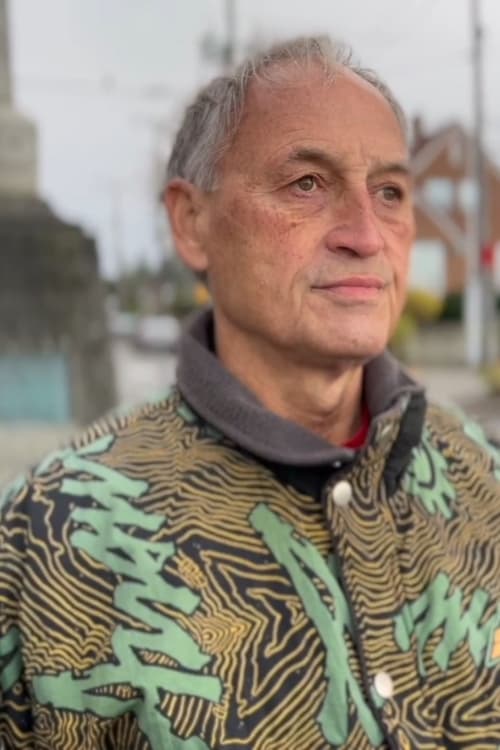
Ken Workman, Duwamish tribal member and descendant of Chief Seattle, reflects on the time between the arrival of the Denny Party on Alki, Nov. 13, 1851, and the signing of the Treaty of Point Elliott on Jan. 22, 1855. In English and Lushootseed (txʷəlšucid). Learn more about Duwamish history by visiting the Duwamish Longhouse and Cultural Center. www.duwamishtribe.org
Three Years, 2 Months and Nine Days

This film was made as part of 2001 "The Spirit Returns" exhibit at Seattle's Log House Museum. This film features Cecile Hansen and James Rasmussen (Duwamish Tribe), historians David Buerge and Alexandra Harmon, and author Jonathan Raban.