FEEL IT.STREAM
John Updike

John Updike

Writing

Biography

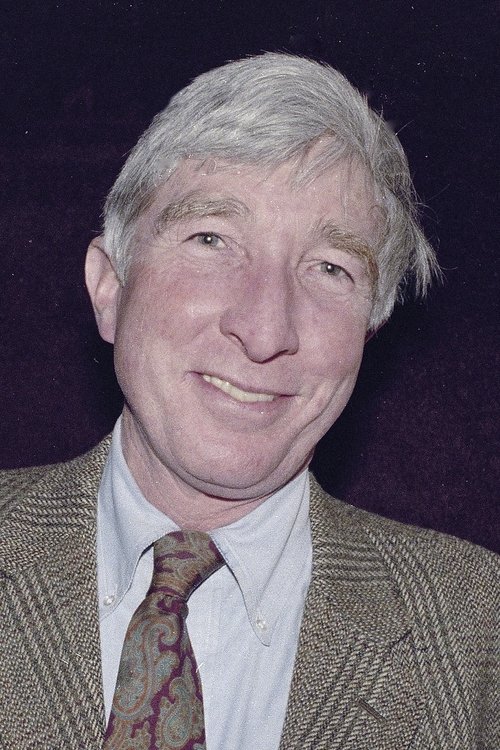
John Hoyer Updike (March 18, 1932 – January 27, 2009) was an American novelist, poet, short story writer, art critic, and literary critic. Updike's most famous work is his Rabbit series (the novels Rabbit, Run; Rabbit Redux; Rabbit Is Rich; Rabbit At Rest; and the novella "Rabbit Remembered") which chronicled the life of Harry "Rabbit" Angstrom over the course of several decades, from young adulthood to his death. Both Rabbit Is Rich (1981) and Rabbit At Rest (1990) received the Pulitzer Prize. He is one of only three authors (the others being Booth Tarkington and William Faulkner) to win the Pulitzer Prize for Fiction more than once. Updike published more than twenty novels and more than a dozen short story collections, as well as poetry, art criticism, literary criticism and children's books. Hundreds of his stories, reviews, and poems appeared in The New Yorker, starting in 1954. He also wrote regularly for The New York Review of Books. Describing his subject as "the American small town, Protestant middle class", Updike was well recognized for his careful craftsmanship, his unique prose style, and his prolificness. He wrote on average a book a year. Updike populated his fiction with characters who "frequently experience personal turmoil and must respond to crises relating to religion, family obligations, and marital infidelity." His fiction is distinguished by its attention to the concerns, passions, and suffering of average Americans; its emphasis on Christian theology; and its preoccupation with sexuality and sensual detail. His work has attracted a significant amount of critical attention and praise, and he is widely considered to be one of the great American writers of his time. Updike's highly distinctive prose style features a rich, unusual, sometimes arcane vocabulary as conveyed through the eyes of "a wry, intelligent authorial voice" that extravagantly describes the physical world, while remaining squarely in the realist tradition. Updike famously described his own style as an attempt "to give the mundane its beautiful due." Description above from the Wikipedia article John Updike, licensed under CC-BY-SA, full list of contributors on Wikipedia.
Known For

The Simpsons
8.0

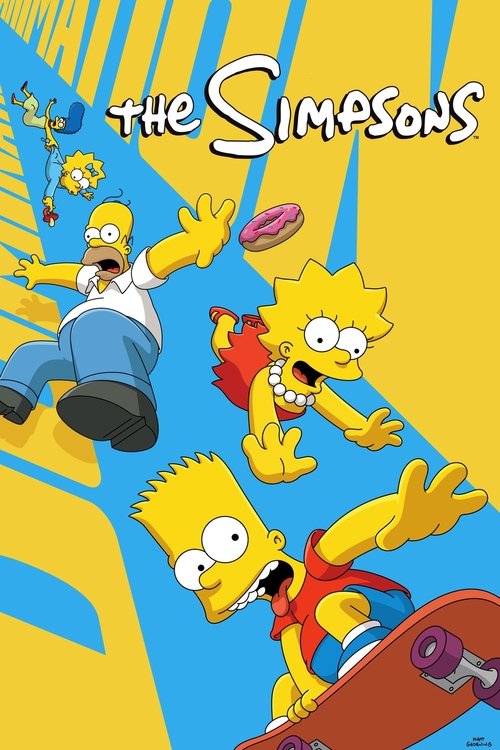
Set in Springfield, the average American town, the show focuses on the antics and everyday adventures of the Simpson family; Homer, Marge, Bart, Lisa and Maggie, as well as a virtual cast of thousands. Since the beginning, the series has been a pop culture icon, attracting hundreds of celebrities to guest star. The show has also made name for itself in its fearless satirical take on politics, media and American life in general.

The Simpsons

1989
Apostrophes
8.5

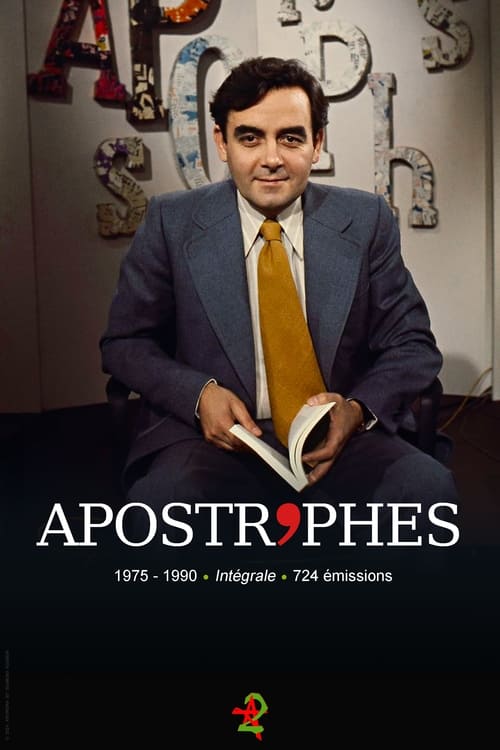
Apostrophes was a live, weekly, literary, prime-time, talk show on French television created and hosted by Bernard Pivot. It ran for fifteen years (724 episodes) from January 10, 1975, to June 22, 1990, and was one of the most watched shows on French television (around 6 million regular viewers). It was broadcast on Friday nights on the channel France 2 (which was called "Antenne 2" from 1975 to 1992). The hourlong show was devoted to books, authors and literature. The format varied between one-on-one interviews with a single author and open discussions between four or five authors.

Apostrophes

1975
Eastwick
5.9

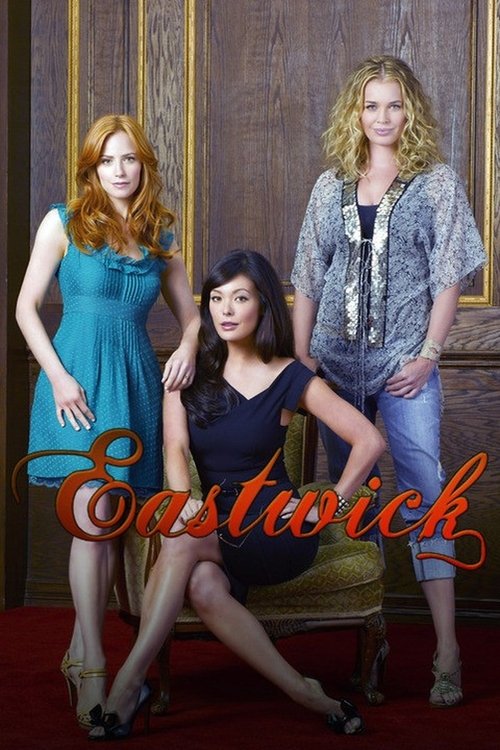
Three very different women find themselves drawn together by a mysterious man who unleashes unique powers in each of them, and this small New England town will never be the same.

Eastwick

2009
The Witches of Eastwick
6.5

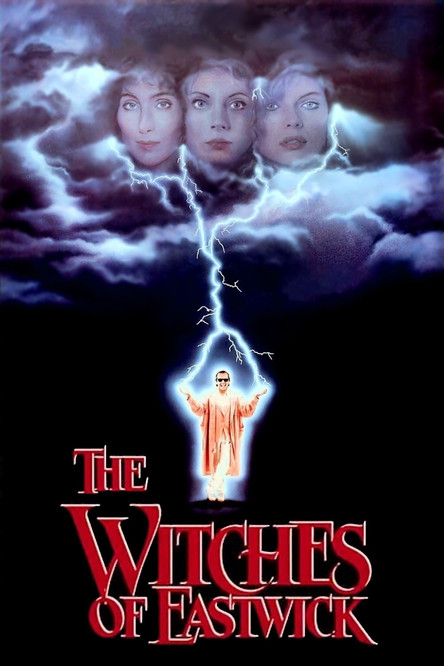
Three single women in a picturesque village have their wishes granted, at a cost, when a mysterious and flamboyant man arrives in their lives.

The Witches of Eastwick

1987
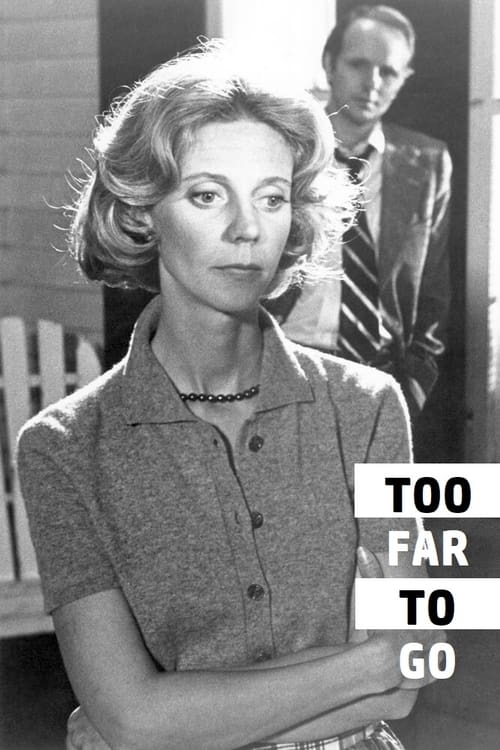
Too Far to Go
3.5

Love and passion, anger and heartbreak, laughter and happiness, all complex textures woven into the fabric so many have come to know as marriage. For behind the seemingly comfortable well-trimmed hedges of suburban Americana, live and often love, Richard and Joan Maple. Adapted from a series of stories appearing in the New Yorker Magazine over a period of twenty three years by Pulitzer Prize winning author John Updike ("The Witches of Eastwick", "Rabbit Run"), "Too Far To Go" garnered overwhelming critical praise in its theatrical debut. With its exceptional cast, this film envelops us in a poignant, sometimes funny, sometimes exasperating journey through this most important relationship.

Too Far to Go

1979
The Roommate
7.0

Set in 1952, this tells of two young men who are polar opposites being assigned to the same dorm room at Northwestern University.

The Roommate

1984
Doris Day: A Sentimental Journey
7.0

A retrospective documentary on the life and career of Ohio-born actress, singer and TV star Doris Day.

Doris Day: A Sentimental Journey

1991
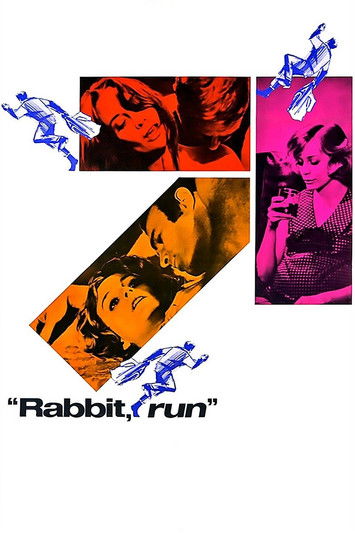
Rabbit, Run
4.2

Harry "Rabbit" Angstrom comes home one day from his dead-end job to find his pregnant wife Janice asleep, splayed in front of the TV, highball glass in hand. After a moment's contemplation, he decides to leave. Taking his coat and car keys, he's off and running on a rambling, aimless journey.

Rabbit, Run

1970
No image
6.0

An unsold TV series pilot about three single witches living together who try to conjure up their idea of the "perfect man." One day, their wish comes true when a seemingly perfect man named Darryl Van Horne moves into town and sweeps them off their feet by making all their dreams come true. However, they soon realize that "perfect" isn't exactly the best word to describe their devilish new man after strange and unexplainable incidents begin occurring. The pilot was inspired by both John Updike's original novel and the 1987 movie that followed.

The Witches of Eastwick

1992
Ted Williams
N/A

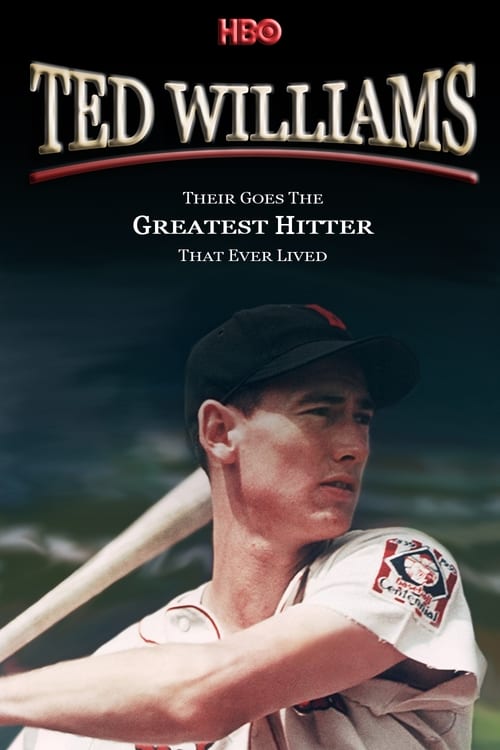
Born in 1918 in San Diego, Williams was a latchkey child from a broken home, raised by a mother more dedicated to the Salvation Army than to her two sons, and by a father who spent more time away from home than in it. Williams found salvation by doing the one thing he loved most: hitting baseballs. In his rookie season with the Red Sox, where he would spend his entire career as a player, Williams batted .327, socked 31 homers and led the league with 145 RBI. Over the next 21 years, despite losing five seasons of his prime to active service as a U.S. Marine Corps pilot, Williams hit 521 home runs, twice captured the Triple Crown, and became the oldest man ever to win a batting title. He finished his career with a .344 lifetime batting average, was the last man to hit over .400 in a full season, batting .406 in 1941, and was a first-ballot inductee into the Baseball Hall of Fame.

Ted Williams

2009
No image
7.8

Set in the 1960s, grocery store clerk, Sammy, witnesses three girls walk into the local A&P wearing nothing but bikinis. Things go awry, as the very act leads to a day that Sammy will never forget.

A & P

1996
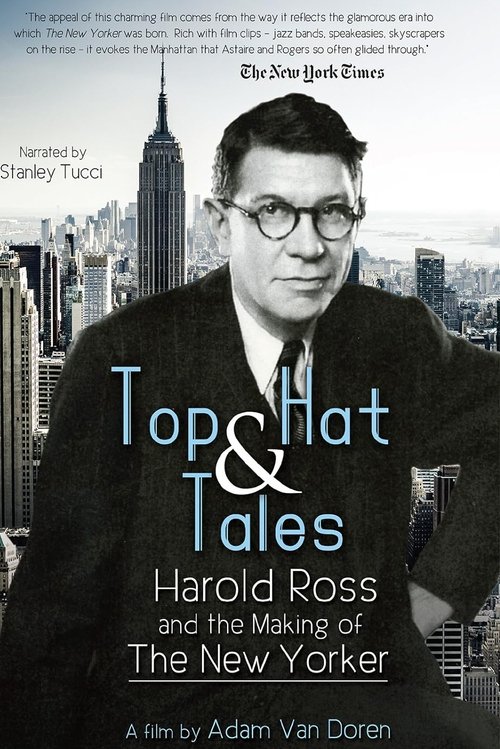
Top Hat and Tales: Harold Ross and the Making of the New Yorker
N/A

Top Hat and Tales chronicles the early years of The New Yorker, from its fledging beginnings under its legendary creator and editor Harold Ross, to its rise as an indispensable American institution.

Top Hat and Tales: Harold Ross and the Making of the New Yorker

2001
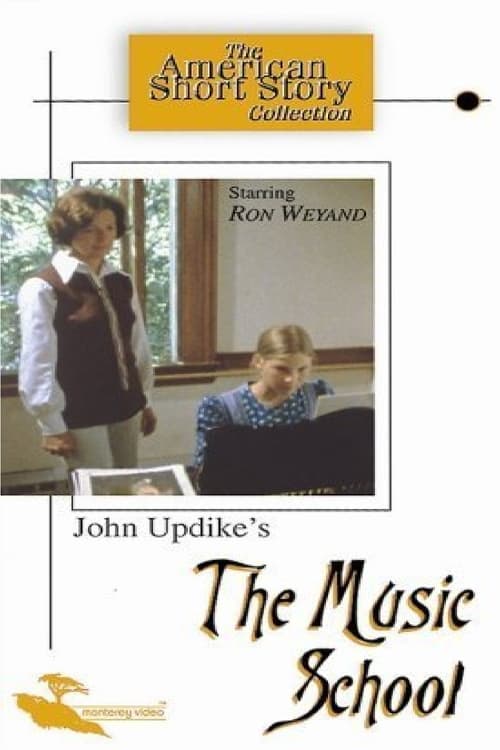
The Music School
7.0

This drama is based on a John Updike story and is narrated by the author. It is the tale of an angst-filled hero attending music school.

The Music School

1974
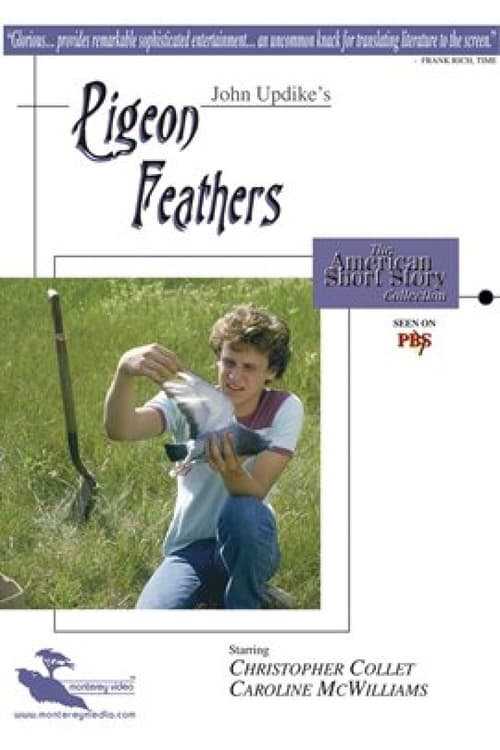
Pigeon Feathers
10.0

From the pen of Pulitzer Prize winning author John Updike ("Witches of Eastwick," "Rabbit Run"), comes the story of a young man's search through the questions of life and death, and the wondrous discovery of living in the soaring beauty of one of nature's simplest creations. A family returns to life on a farm and finds some answers to the paradox of living.

Pigeon Feathers

1988
No image
N/A

The lesson shown in the film is an allegory of the relationship between teacher and student, father and children, God and people.

The Lesson

1992
No image
N/A

A love quadrangle story set in a luxurious setting, sometimes frivolous, sometimes bitter. The TV film gives us a glimpse into a seemingly distant world, while at the same time - unnoticed - confronting us with the emotional/emotional conflicts of our everyday lives.

Gyere hozzám feleségül

1987
No image
N/A

No description available.

Právě volal Tvůj milenec

1990