Acting
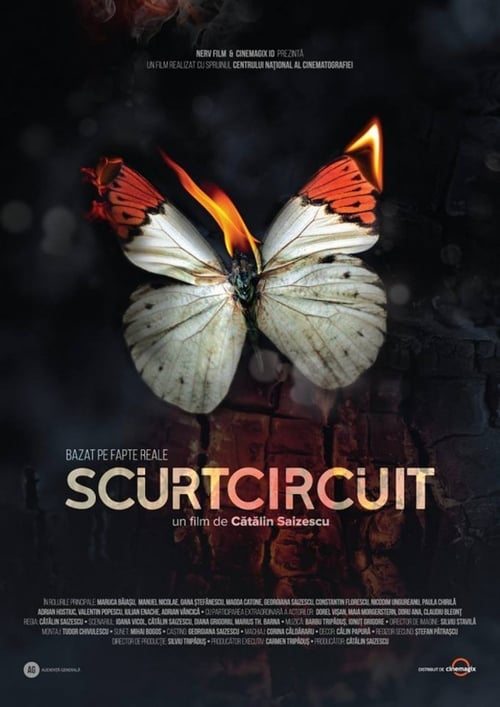
Relu is a family man. He has two children, a wife and a double life. Seen through the eyes of his family, Relu Oncescu appears to be an ordinary taxi driver. No one suspects that Relu works as a collector for Capitanu', a local mobster. Neither of the two worlds (his family and the mafia) knows of the other's existence. Relu manages to keep everything under control, but not for long. After accidentally killing a man, he tries to get out of the underworld, but he can't find his way back. Day by day, the secrets he keeps become increasingly oppressive and the lies begin to surface, one by one.
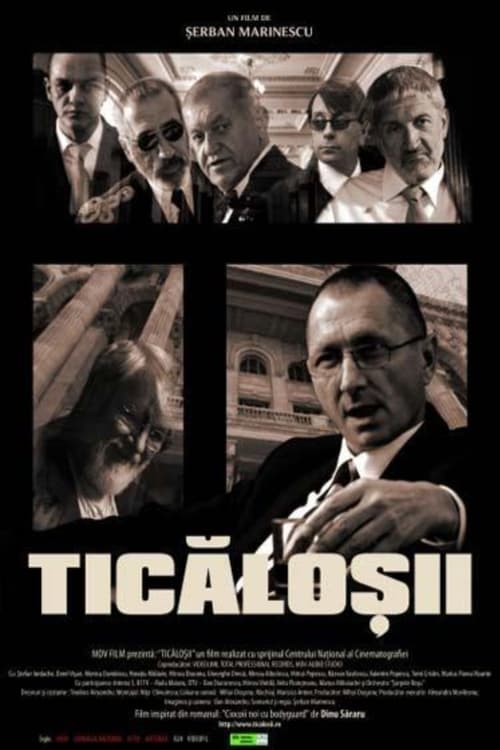
All important figures, from police officers to the president commit abuses and fight for rights that normal people doesn't dream.
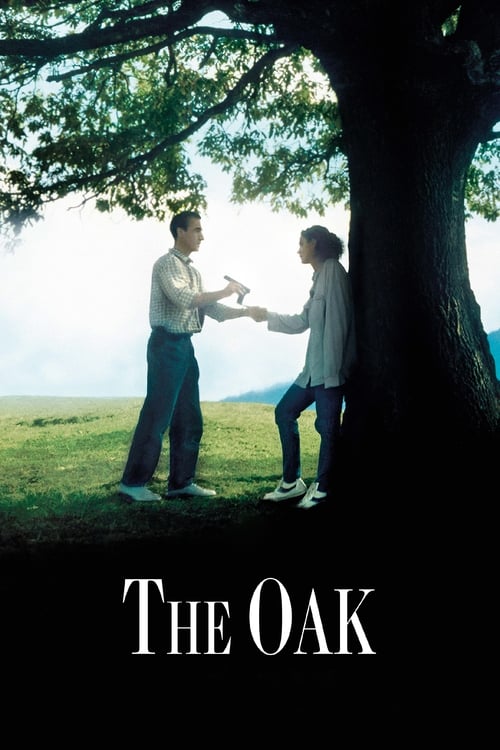
Love story of 2 high school students with different social standards, Ioana and Alexandru. They are to form a couple with all the social and familial obstacles encountered.
Several decades after the collapse of the communist system, nostalgia for the former regime has reached unimaginable proportions in almost all former communist European countries. The documentary Nostalgia for Dictatorship does not limit itself to presenting this genuine syndrome of "longing for dictatorship", but, in parallel with the opinions and motivations of ordinary citizens living in the former communist space, it advances explanations by researchers from various fields, sociologists, psychologists, political scientists, ethologists, etc., regarding the intimate motivations of such a paradoxical feeling.
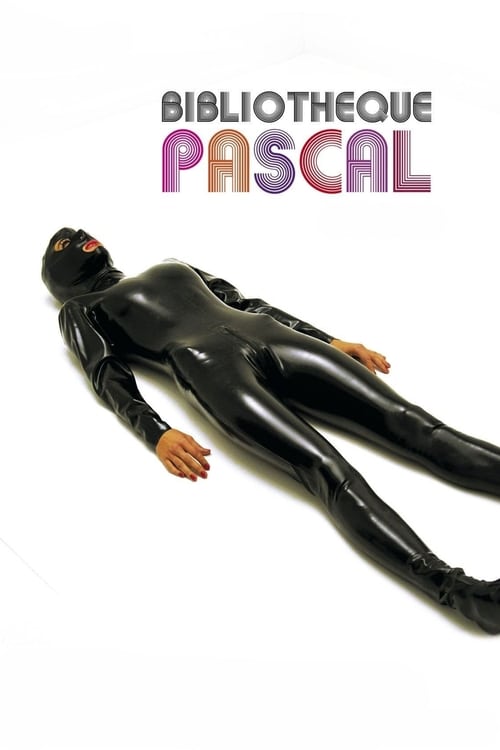
A single mother's struggle to support her child leads her into the surreal netherworld of illegal sexual enterprises, with her finally ending up in the Bibliothèque Pascal; an elegant but bizarre house of prostitution in which men can re-enact sexual scenarios inspired by great works of literature for a hefty fee.
A description of Romania before Ceausescu's downfall, through the story of Nela. Daughter of a former colonel of the Securitate, the romanian political police. She refused to become like her sister, an agent of this Securitate, and lives with her father. After he died, she leaves Bucharest, and ends up in a little town, where she meets Mitica, a surgeon, another herself, laughing at everything.
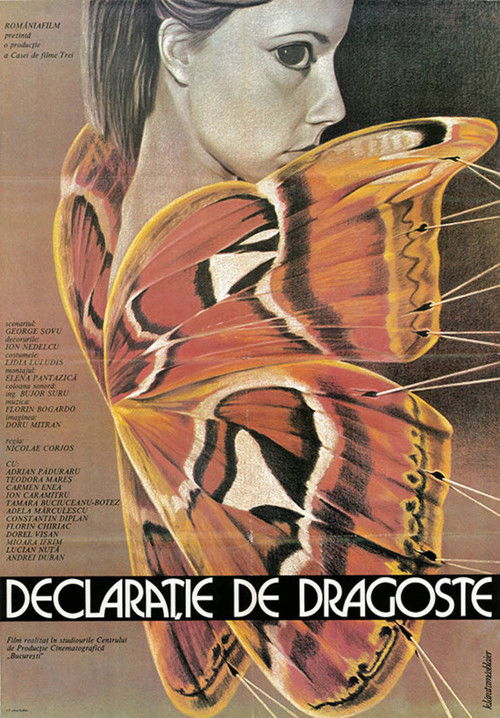
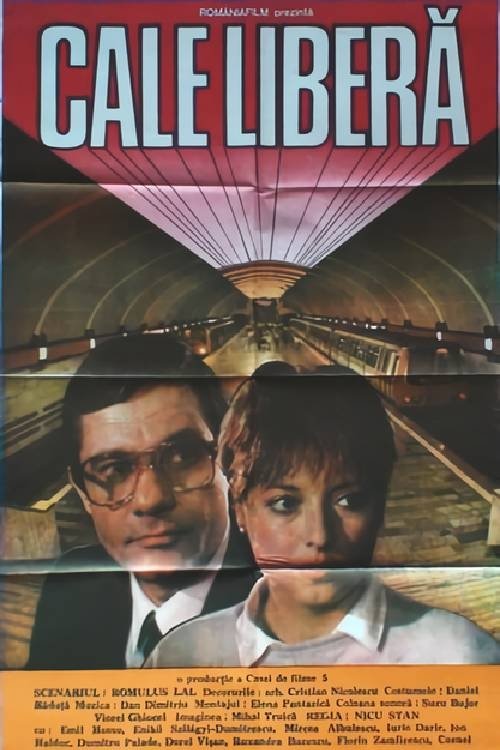
Love story between two engineers in the Bucharest subway system construction site.
A Romanian architect who married abroad reunites with his birthplace, with those he met, with the women he loved, with the echoes of what happened once, with the great transformations that are taking place in the Capitol, on construction sites and in Romanian villages. Condemned by an incurable disease, but also overwhelmed by these realities and by the irrepressible longing for his homeland, the hero decides to return home for good.
Melania, a 15 years old high school student gets pregnant with Emi, a classmate. Melania does not tell anyone she's pregnant, Not even to Emi, or to her parents. The situation is extremely complicated because Emi's mother is the director of the high school where the two lovers study, and Melania's mother is secretary at the same high school. In the fifth month of pregnancy, Melania faints during class hours. She is urgently taken to the hospital by her mother who finds her daughter is 5 months pregnant so it's too late for an abortion. Melanie's mother is forced to tell the truth to Emi's mother. Emi's mother forces Melania's mother to promise to keep the pregnancy secret to everyone, even to Emi. Minor's mothers separates the two lovers and decide to give the baby up for adoption to a family of Romanians living abroad who don't have the right to legally adopt a child from Romania.
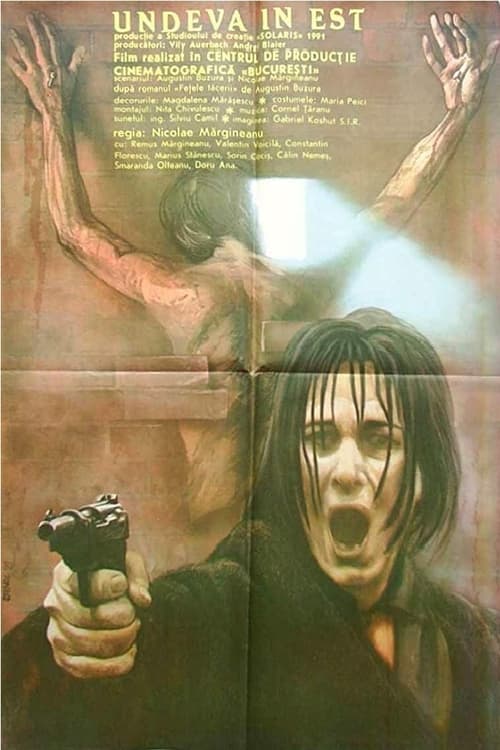
In post-communist Romania, young prosecutor Dumitru Costa is sent to investigate a miner's suspicious death in the Jiu Valley. As he delves deeper, he uncovers a network of corruption and negligence within the local mining community. Costa's pursuit of justice pits him against powerful interests, testing his resolve in a society struggling with the aftermath of transition.
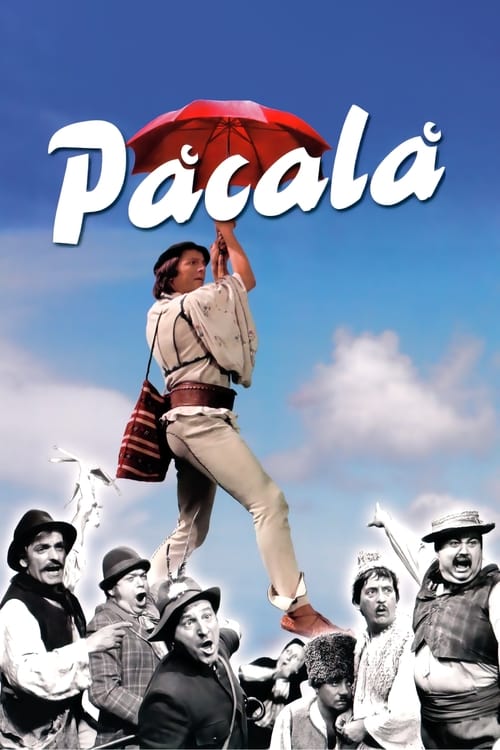
Pacala is an important hero in Romanian popular tradition. He is always making fun of everything wrong with the human behaviour such as stupidity, greed or vanity. His attitude and actions always bring damages to the mean, evil and materialistic people. So beside the jokes, the movie has this philosophical layer, undoubtedly because Pacala's independent way of being, free spirit and his love for the nature creates a way of seeing life, bringing joy. Filmed in a very beautiful part of Romania in 1974, the movie had an important success at that time and it is considered one of the most loved movies in Romania ever. Like the hero, found in many stories and jokes, the movie forwards the spirit of true freedom and pure link with the nature, forgetting about times and governments.
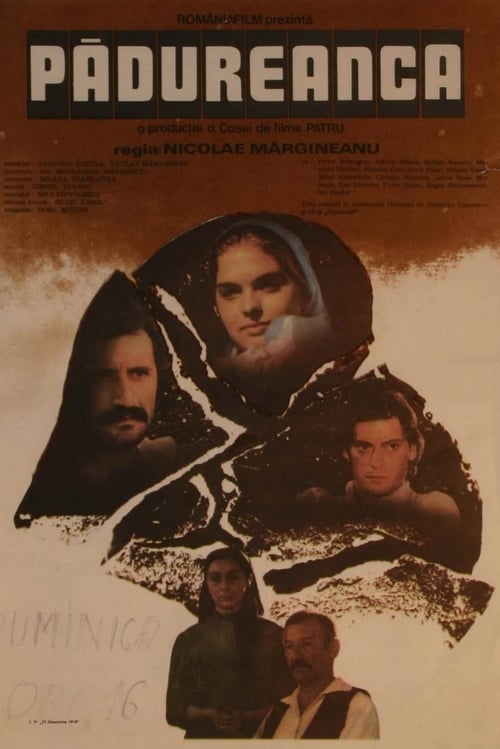
This movie retells the story of a revenge that sweeps over the social and political events of the '40s. Because they sent her son to war and he never came back, his tough mother, Ecaterina Handraburu, decides to have her revenge on those who plotted to leave her heirless and grab her possessions.
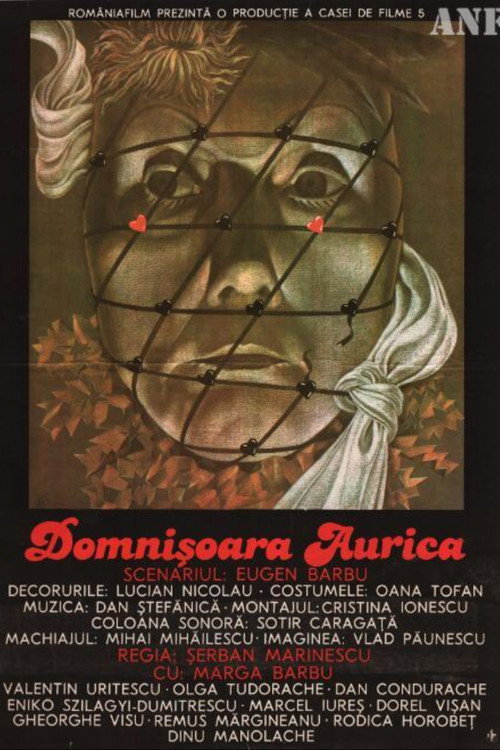
This movie is about the loneliness of an older lady at the end of WWII, in Bucharest. Her mental faculties are declining and she is increasingly living in her own mind.
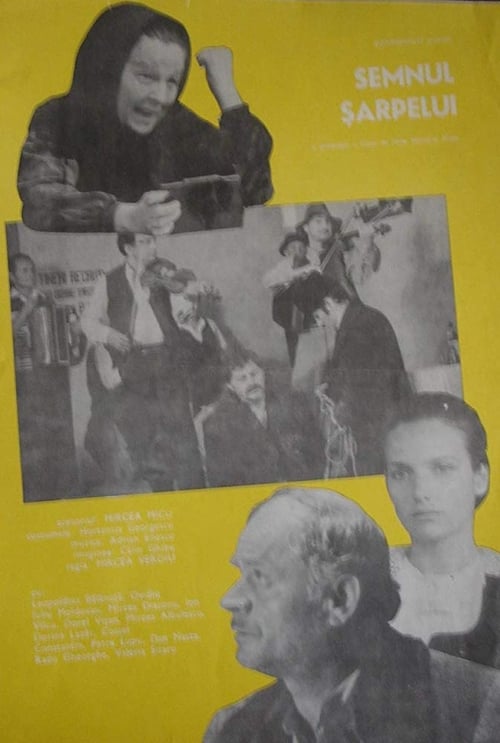
Panoramic life of a Moldovan village in the second half of the twentieth century.
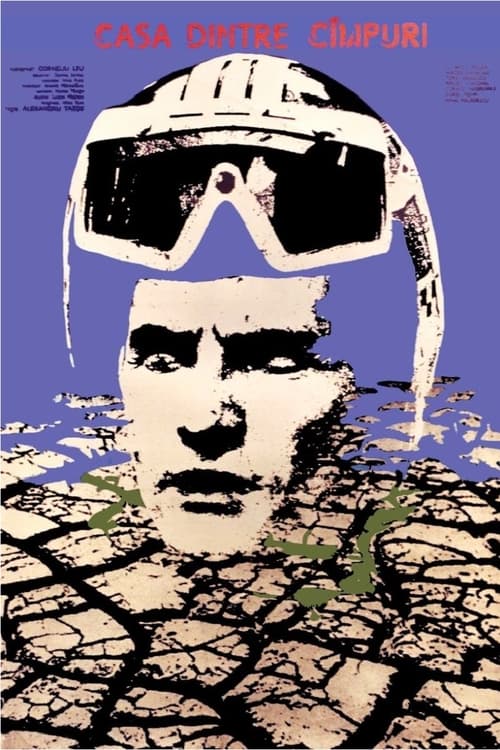
In a farmers’ cooperative in a village on the plains, the cooperative’s president rules with an iron fist, ably assisted by his sycophantic henchmen. However, there is one couple — an agricultural engineer and his wife — who refuse to compromise and, as a result, must be silenced.
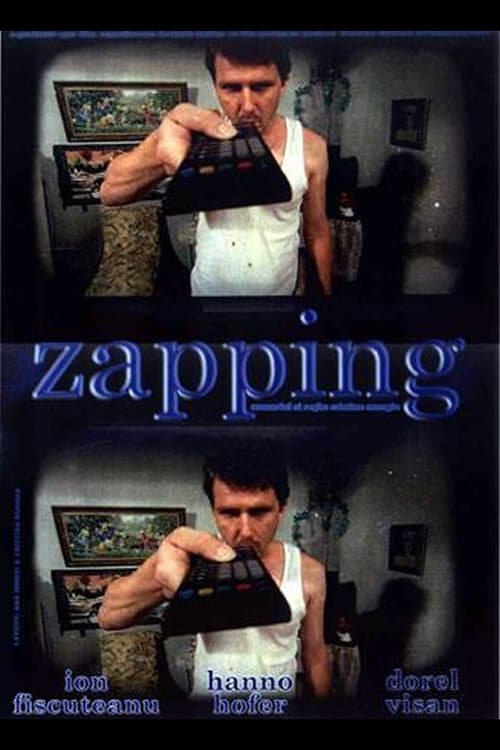
In a shabby apartment somewhere in Romania, a man obsessively zap between his TV channels despite the wife's complaints and nagging. But where his wife fails, a little man inside the TV will appear and tell Sotul a thing or two about the true mechanics of television zapping...
No description available.
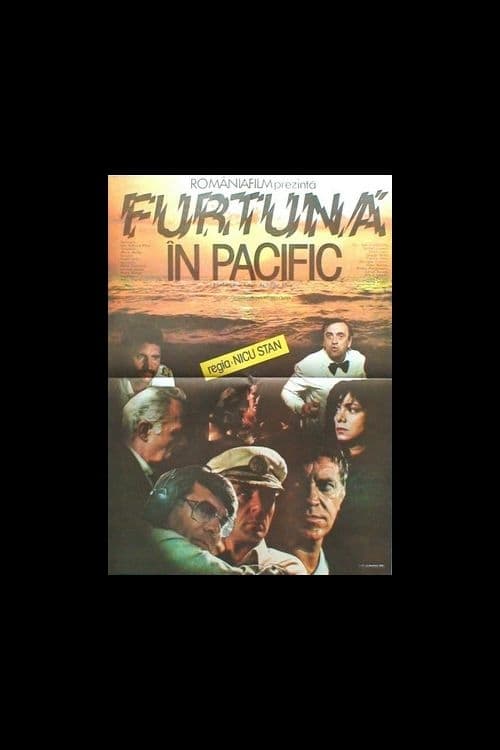
Ship "Saturn" prepares to return home from the American west coast. The ship is damaged at a very bad time, when a severe storm comes their way, they loose propulsion. The currents are pulling them towards a rocky island and they must try the impossible to save themselves.
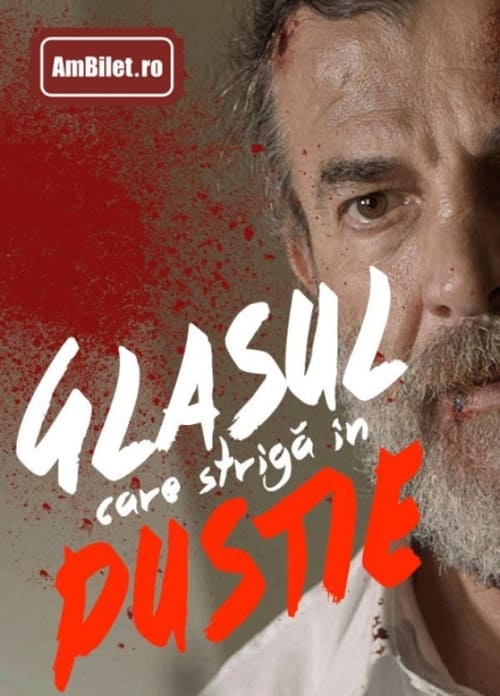
In Communist Romania, an Orthodox priest, ex-political prisoner, becomes the only voice that can be heard in an oppressive silence. His sermons represent a spiritual revolution and a calling towards a national awakening. the hierarchy of the church betrays him and the atheist state send him to prison. father gheorghe calciu dumitreasa becomes the symbol of the resistance in front of the demon with ideological face.
In the 1950s, a party activist travels to rural Transylvania to collec collectivize village farms. A wealthy householder resists attempts to make him give up his wealth, refusing to be brought down to the level of those who have never worked. The concept of collectivization is summed up by an indignant villager who, forced to work the land he no longer owns, bombards the party activist who claims that the land is still his: "You cut off my p..., put it in my hand and said, 'take it, it's still yours'.