Claude Cardinale
Acting
Biography
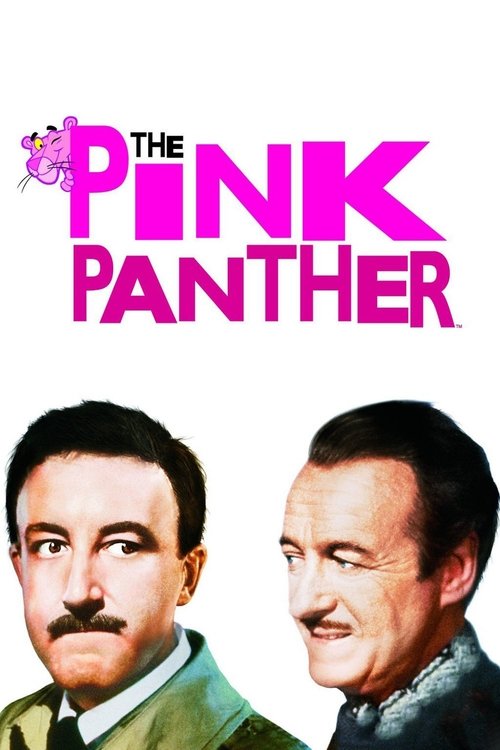
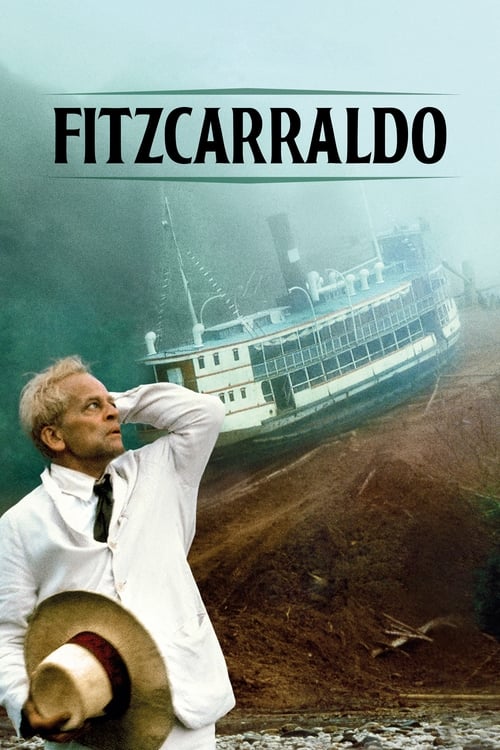
Claude Joséphine Rose "Claudia" Cardinale (15 April 1938 – 23 September 2025) was an Italian actress. Regarded as one of the leading figures of Italian cinema, alongside Sophia Loren and Gina Lollobrigida, she achieved international recognition during a career spanning more than six decades. Celebrated in the 1960s as "the most beautiful woman in the world" and widely considered a sex symbol of the era, Cardinale appeared in more than 175 films, primarily in Italy and France, across genres including comedy, drama, spaghetti westerns, and historical epics. She collaborated with acclaimed directors such as Federico Fellini, Sergio Leone, and Werner Herzog, and several of her films are regarded as significant works in the history of cinema. At the time of her death, she was one of the last surviving stars from the Golden Age of European cinema. Born and raised in La Goulette, a municipality in Tunisia near Tunis, Cardinale won the "Most Beautiful Italian Girl in Tunisia" competition in 1957, the prize being a trip to Italy, which quickly led to film contracts, due above all to the involvement of producer Franco Cristaldi, who acted as her mentor for a number of years and later married her. After making her debut in a minor role with Egyptian star Omar Sharif in Goha (1958), Cardinale became one of the best-known actresses in Italy, with roles in films such as Rocco and His Brothers (1960), Girl with a Suitcase (1961), Cartouche (1962), The Leopard (1963) and Federico Fellini's 8½ (1963). From 1963, Cardinale appeared in The Pink Panther opposite David Niven. She went on to appear in the Hollywood films Blindfold (1966), Lost Command (1966), The Professionals (1966), Don't Make Waves (1967) with Tony Curtis, The Hell with Heroes (1968), The Red Tent (1969), A Fine Pair (1968), The Salamander (1981), and the Sergio Leone Western Once Upon a Time in the West (1968), a joint U.S.–Italian production, in which she was praised for her role as a former prostitute opposite Jason Robards, Charles Bronson and Henry Fonda. Jaded with Hollywood and not wanting to become a cliché, Cardinale returned to Italian and French cinema and garnered the David di Donatello for Best Actress award for her roles in The Day of the Owl (1968) and as a prostitute alongside Alberto Sordi in A Girl in Australia (1971).[1] In 1974, Cardinale met director Pasquale Squitieri, who would become her partner. She frequently featured in his films, including Blood Brothers (1974), Father of the Godfathers (1978) and Claretta (1984), the last of which won her the Nastro d'Argento Award for Best Actress. In 1982, she starred in Werner Herzog's Fitzcarraldo as the love interest of Klaus Kinski, who raises the funds to buy a steamship in Peru. In 2010, Cardinale received the Best Actress Award at the 47th Antalya "Golden Orange" International Film Festival for her performance as an elderly Italian woman who takes in a young Turkish exchange student in Signora Enrica. Over the years, Cardinale was outspoken about women's rights and became a UNESCO goodwill ambassador for the Defence of Women's Rights beginning in March 2000. In February 2011, the Los Angeles Times Magazine named Cardinale among the 50 most beautiful women in film history. ... Description above from the Wikipedia article Claudia Cardinale, licensed under CC-BY-SA, full list of contributors on Wikipedia.
Known For

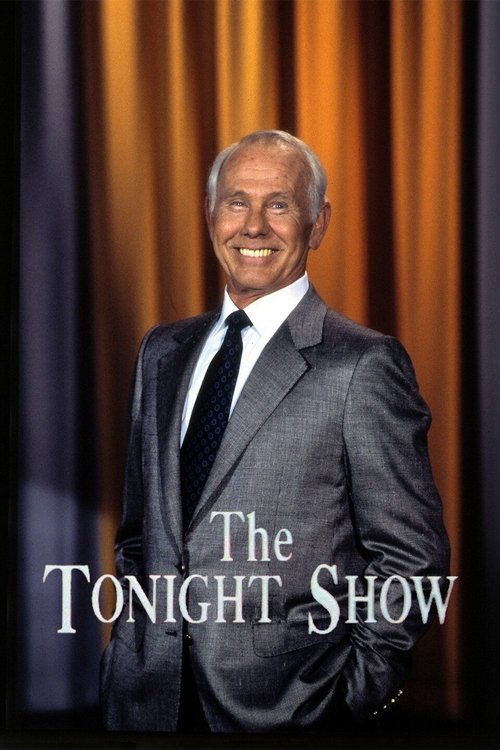
The Tonight Show Starring Johnny Carson is a talk show hosted by Johnny Carson under The Tonight Show franchise from 1962 to 1992. It originally aired during late-night. For its first ten years, Carson's Tonight Show was based in New York City with occasional trips to Burbank, California; in May 1972, the show moved permanently to Burbank, California. In 2002, The Tonight Show Starring Johnny Carson was ranked #12 on TV Guide's 50 Greatest TV Shows of All Time.
The Tonight Show Starring Johnny Carson

No description available.
Champs-Elysées

No description available.
The Merv Griffin Show

No description available.
Vivement dimanche

Midi Première is a French variety show presented by Danièle Gilbert, directed by Jacques Pierre and broadcast from January 6, 1975 until January 1, 1982 on TF1. The program was generally broadcast between 12:15 p.m. and 12:55 p.m., then giving way to the 1:00 p.m. TV news. However, the broadcast schedule could change, depending on the guests, and the setting where the recording of the program was shot. Certain performances by artists who have become cult like the one where Ringo jostles with a demonstrator in interpretation (1977), that of Dalida with the title There is always a song with the soundtrack that does not start, twice, at the right speed (1978), Claude François and his Clodettes, who, in the provinces, are unable to join "the set" in order to interpret his song, the latter being taken by the crowd of delirious fans (summer 1977) . The group Supertramp performed there with the title "Dreamer" on March 8, 1975.
Midi Première

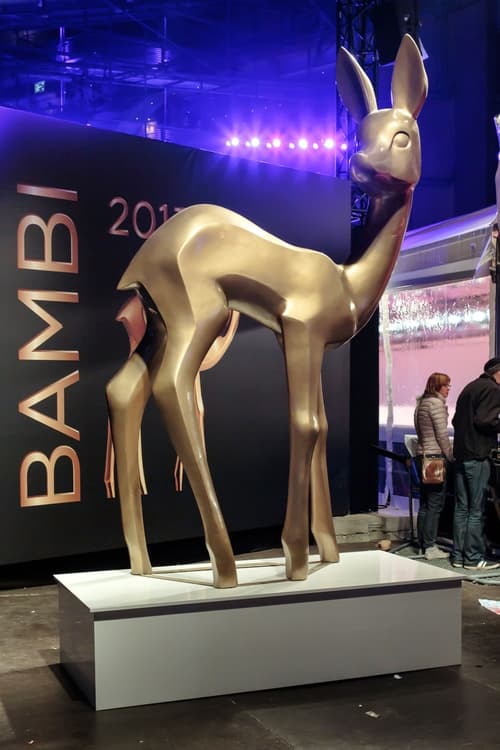
The Bambi, often called the Bambi Award and stylised as BAMBI, is a German award presented annually by Hubert Burda Media to recognize excellence in international media and television to personalities in the media, arts, culture, sports, and other fields "with vision and creativity who affected and inspired the German public that year", both domestic and foreign. First held in 1948, it is the oldest media award in Germany. The trophy is named after Felix Salten's book Bambi, A Life in the Woods and its statuettes are in the shape of the novel's titular fawn character. They were originally made of porcelain until 1958, when the organizers switched to using gold, with the casting done by the art casting workshop of Ernst Strassacker in Süßen.
Bambi

No description available.
Sacrée soirée

A talk show presented by Michel Drucker
Les Rendez-vous du dimanche

Marcello Mastroianni, Isabelle Adjani, Alain Delon, Martin Scorsese, Woody Allen... the biggest stars in cinema were welcomed by Christian Defaye on his show Spécial cinéma. Between intimate confessions from actors and immersion in the world of the greatest filmmakers, Christian Defaye took viewers on a journey into the fascinating world of cinema for nearly thirty years.
Spécial cinéma

An annual American awards ceremony honoring cinematic achievements in the film industry. The various category winners are awarded a copy of a statuette, officially the Academy Award of Merit, that is better known by its nickname Oscar.
The Oscars

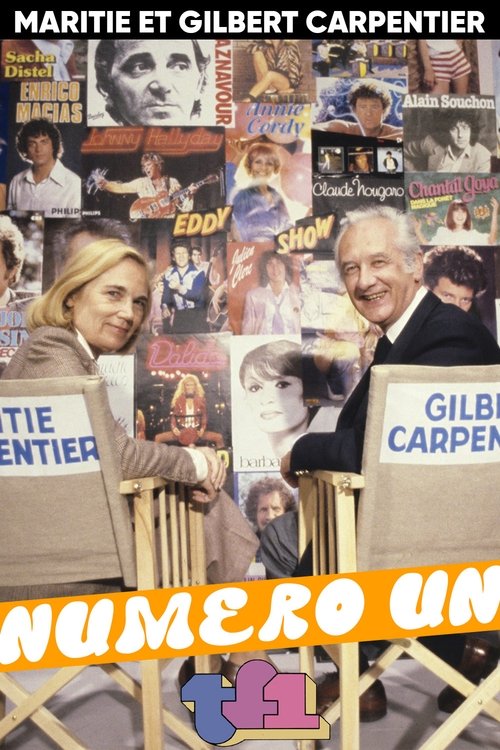
A French variety show.
Numéro un
No description available.
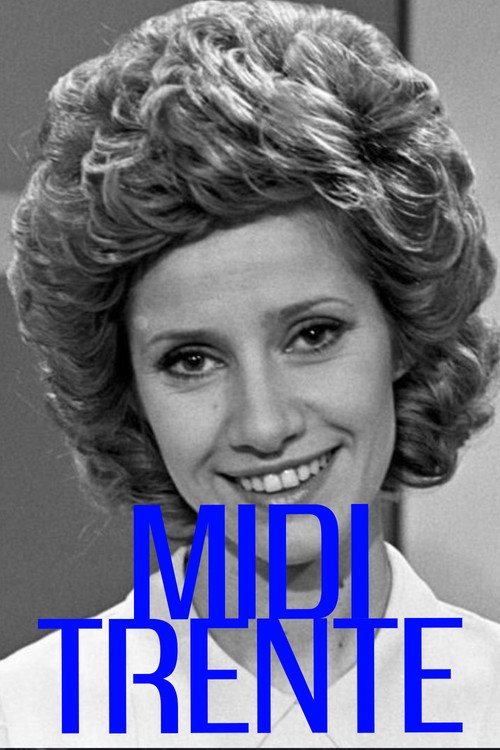
Midi trente

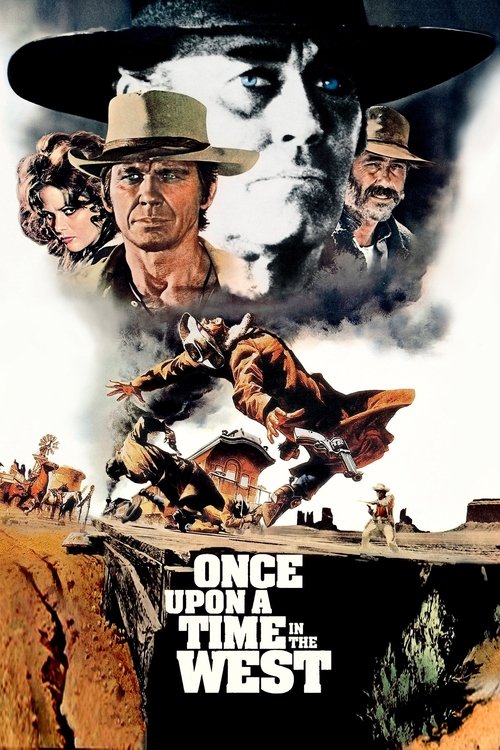
As the railroad builders advance unstoppably through the Arizona desert on their way to the sea, Jill arrives in the small town of Flagstone with the intention of starting a new life.
Once Upon a Time in the West

No description available.
Téléthon
No description available.
Samedi soir

No description available.
Cinépanorama

Dramatizes the Birth, Life, Ministry, Crucifixion, and Resurrection of Jesus Christ, largely according to the Holy Bible's New Testament Gospels.
Jesus of Nazareth

No description available.
Stars 90

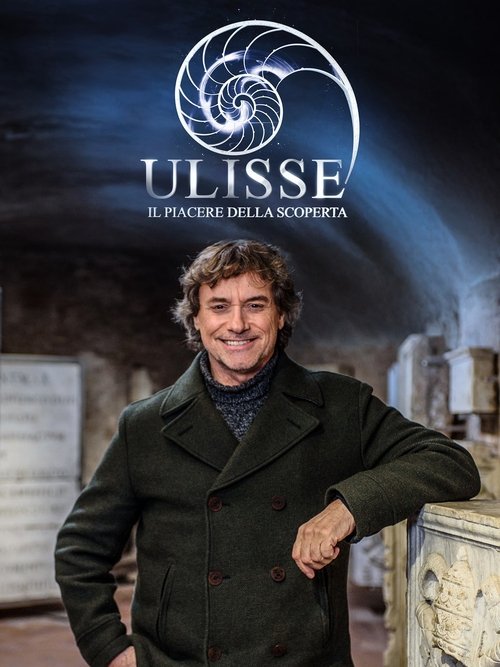
Alberto Angela leads the dissemination program dedicated to history, art and culture. A historical, archaeological, informative story, with the presence of some protagonists of the Italian cultural or artistic scene.
Ulisse - The Pleasure of Discovery

A worldwide guided tour of the greatest movies ever made and the story of international cinema through the history of cinematic innovation.