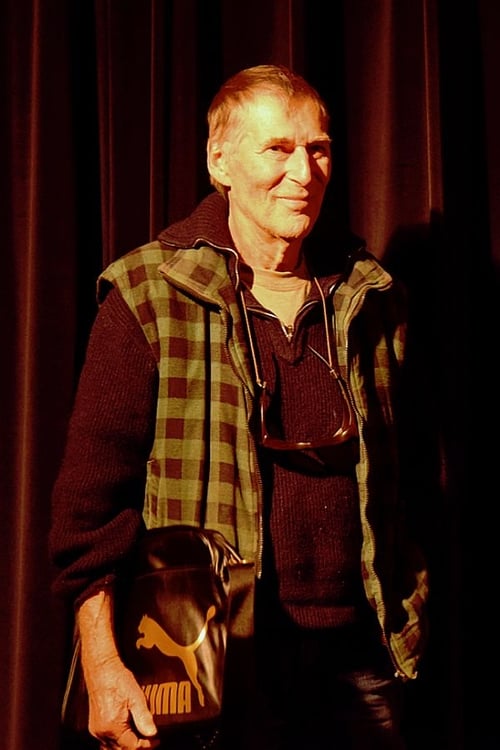
Jörg Schmidt-Reitwein
Camera
Biography
Jörg Schmidt-Reitwein is a German cinematographer. He has collaborated with director Werner Herzog on a number of projects. Among his many collaborations with other directors, Schmidt-Reitwein is notable for his cinematographic achievement in shooting Alan Greenberg's acclaimed 1982 documentary about Jamaica and death of Bob Marley, Land of Look Behind.
Known For
Tatort is a long-running German/Austrian/Swiss, crime television series set in various parts of these countries. The show is broadcast on the channels of ARD in Germany, ORF in Austria and SF1 in Switzerland.
Scene of the Crime
No description available.
German Film Award
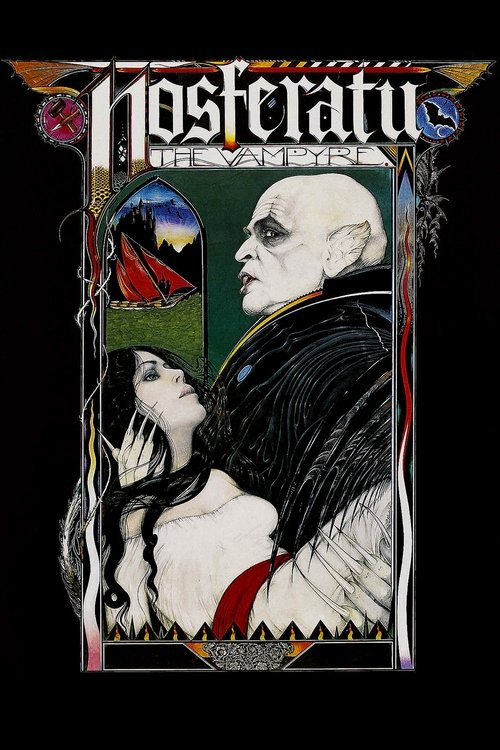
A real estate agent leaves behind his beautiful wife to go to Transylvania to visit the mysterious Count Dracula and formalize the purchase of a property in Wismar.
Nosferatu the Vampyre
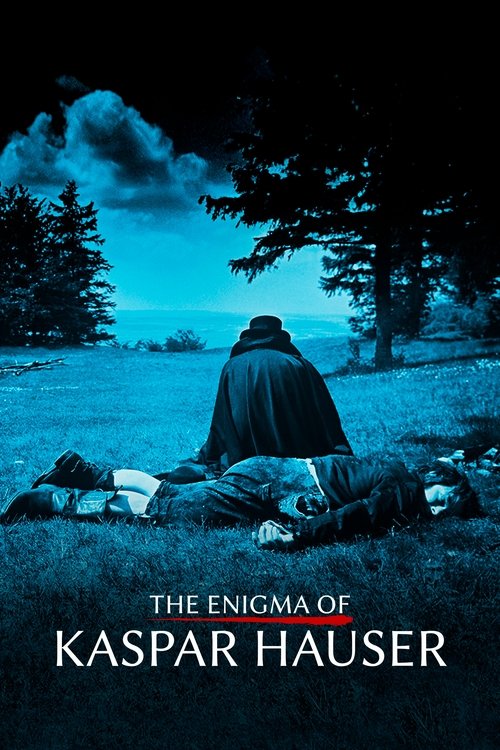
The film follows Kaspar Hauser, who lived the first seventeen years of his life chained in a tiny cellar with only a toy horse to occupy his time, devoid of all human contact except for a man who wears a black overcoat and top hat who feeds him.
The Enigma of Kaspar Hauser
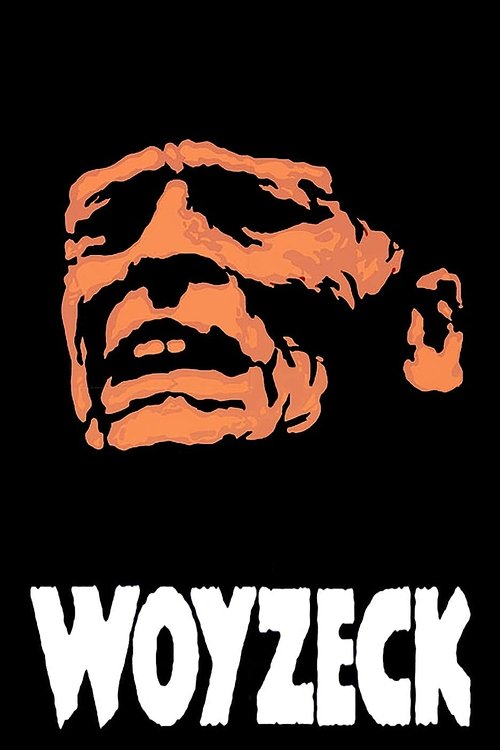
Having fathered an illegitimate child with his lover, Marie, feckless soldier Franz Woyzeck takes odd jobs around his small town to provide some extra money for them. One job is volunteering for experiments conducted by a local doctor, who puts Woyzeck on a diet of peas. This serves to drive him close to madness, and the discovery that Marie is involved in an affair with the local drum major exacerbates the situation. Pushed too far, Woyzeck resorts to violence.
Woyzeck
A series of poems.
Poem: I Set My Foot Upon the Air and It Carried Me
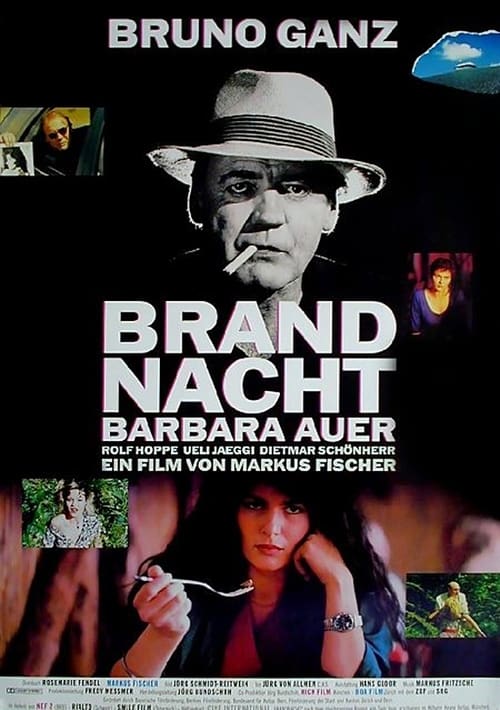
Enquiries into the murder of a young woman take the private investigator Peter Keller to the idyllic village of Schwant in Emmental. But, the more entangled Keller gets in the treads of the apparently clearcut case of sex murder, the more obvious the flaws in the village idyll become. Keller's quest turns into a deadly mission.
Night on Fire
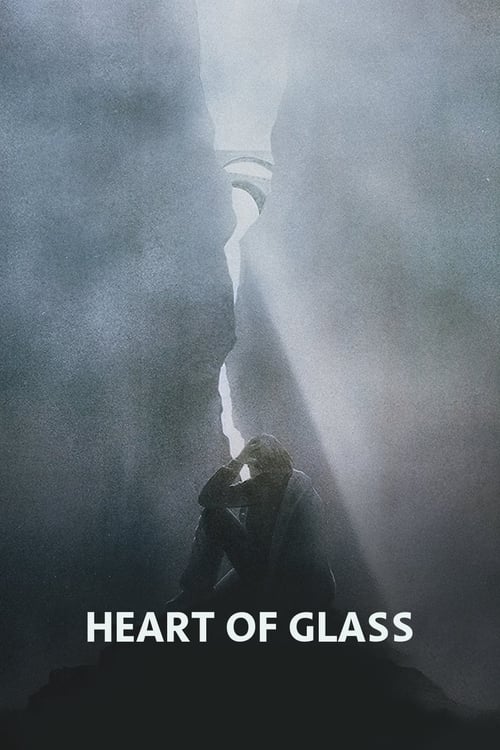
A small Bavarian village is renowned for its "Ruby Glass" glass blowing works. When the foreman of the works dies suddenly without revealing the secret of the Ruby Glass, the town slides into a deep depression, and the owner of the glassworks becomes obssessed with the lost secret.
Heart of Glass
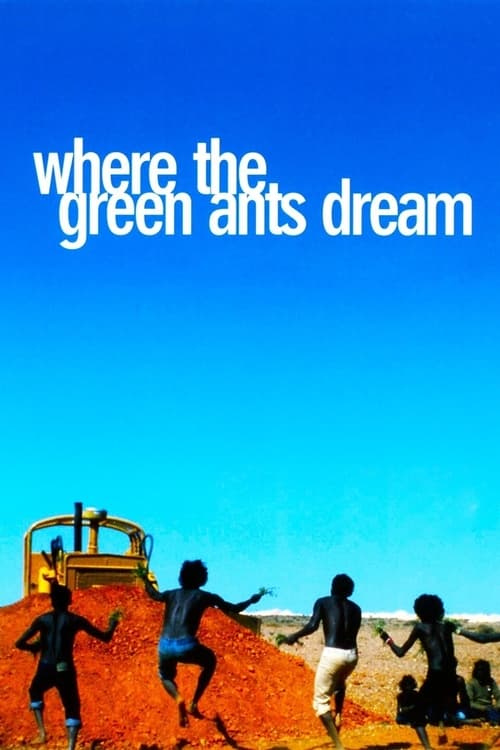
The Australian Aborigines (in this film anyway) believe that this is the place where the green ants go to dream, and that if their dreams are disturbed, it will bring down disaster on us all. The Aborigines' belief is not shared by a giant mining company, which wants to tear open the soil and search for uranium.
Where the Green Ants Dream

Through examining Fini Straubinger, an old woman who has been deaf and blind since her teens, and her work on behalf of other deaf-blind people, this film shows how the deaf-blind struggle to understand and accept a world from which they are almost wholly isolated.
Land of Silence and Darkness
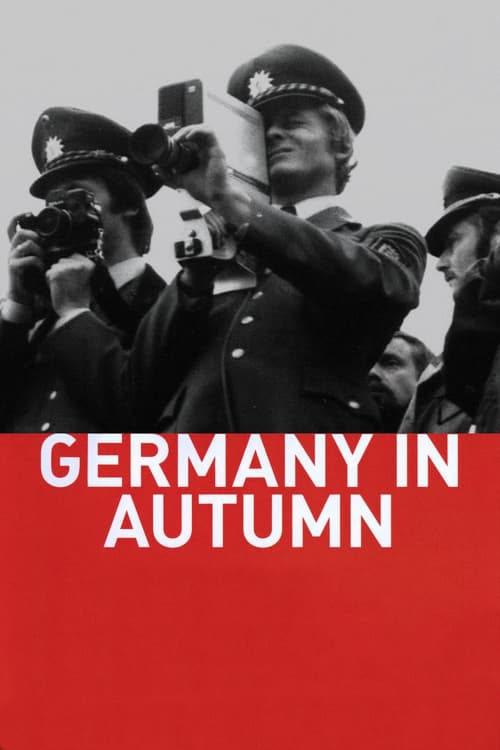
Nine fictitious documentaries and films reflect the mood of late 1970s Germany, particularly the two-month period in 1977 when a businessman was kidnapped by the RAF (Red Army Faction). The kidnap had been made to orchestrate the release of the original leaders of the RAF, aka the Baader-Meinhof.
Germany in Autumn

A study of the psychology of a champion ski-flyer, whose full-time occupation is carpentry.
The Great Ecstasy of Woodcarver Steiner
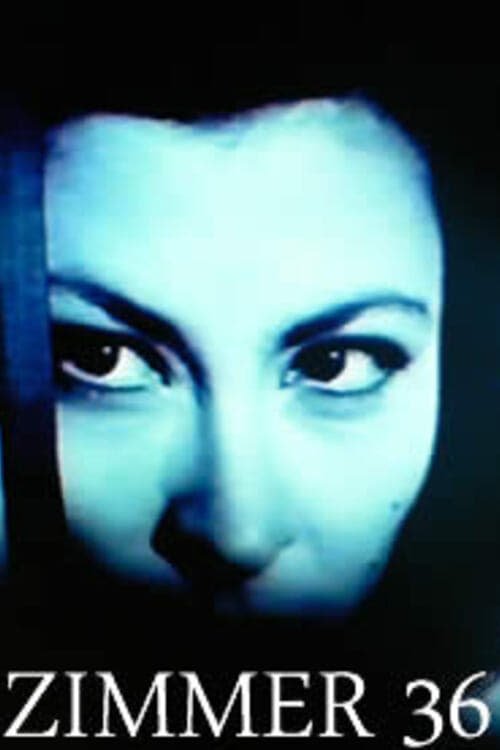
Fred is a journalist who investigates the death of a man in room 36. He interviews the man's widow and her deranged mother for clues as to how the man died in a hotel room that is rented by the hour. Also under suspicion is a stranger named Becker who lives next to the room where the killing took place.
Zimmer 36
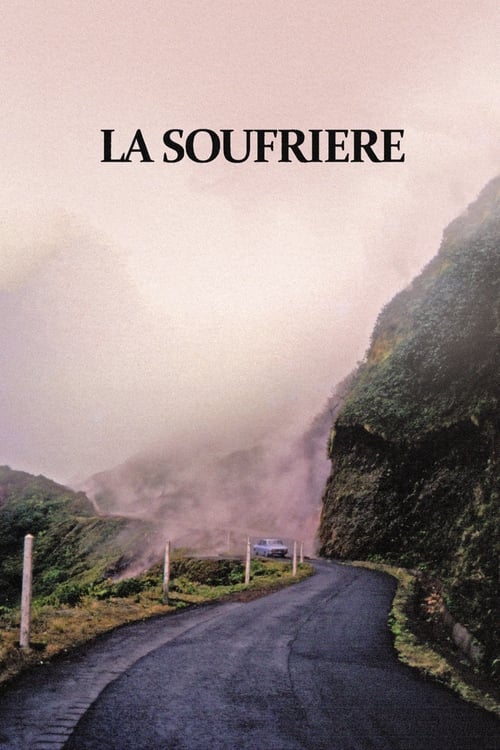
Werner Herzog takes a film crew to the island of Guadeloupe when he hears that the volcano on the island is going to erupt. Everyone has left, except for one old man who refuses to leave.
La Soufrière: Waiting for an Inevitable Catastrophe
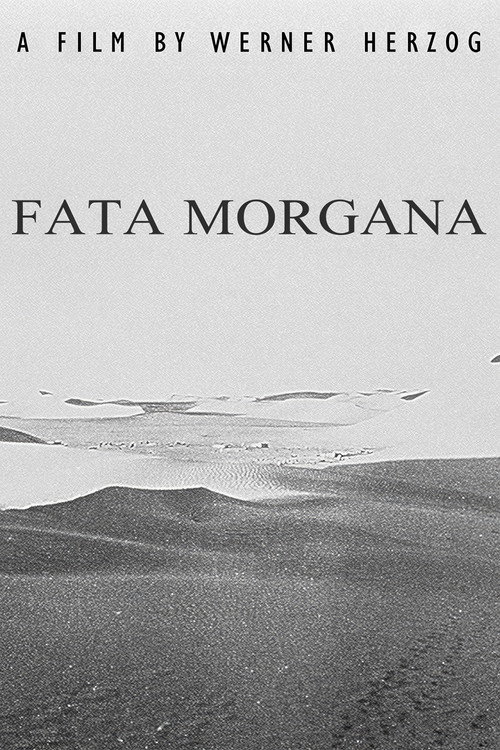
Shot under extreme conditions and inspired by Mayan creation theory, the film contemplates the illusion of reality and the possibility of capturing for the camera something which is not there. It is about the mirages of nature—and the nature of mirage.
Fata Morgana
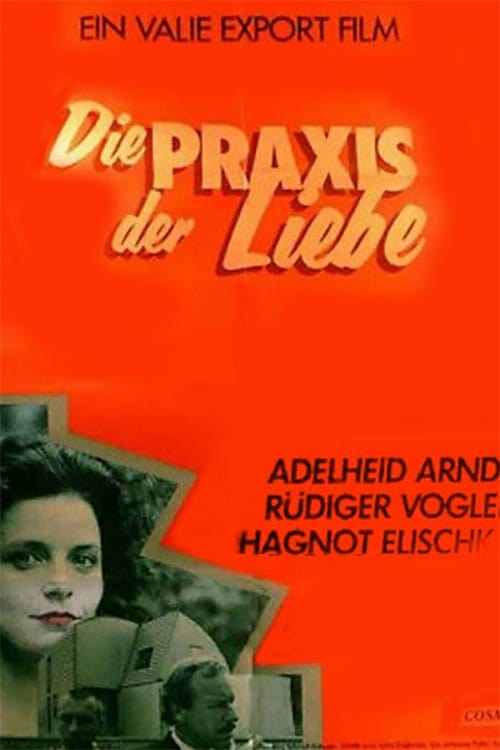
Judith is a maverick reporter who is also seeking a satisfying relationship with various men. She finds corruption and power-games everywhere.
The Practice of Love
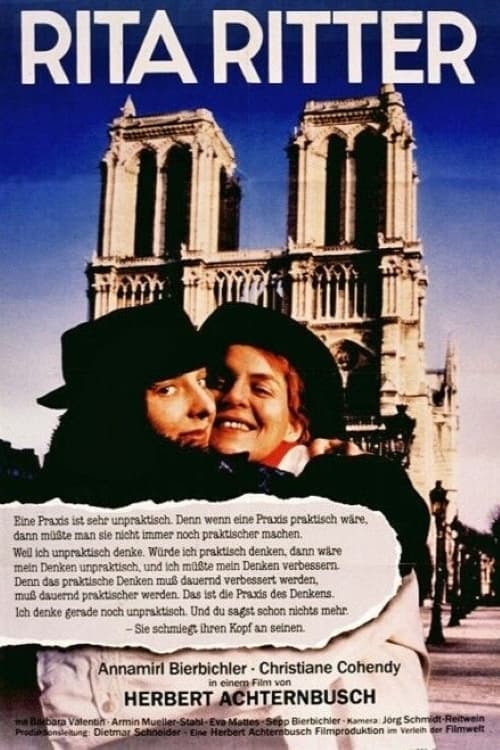
A writer tries unsuccessfully to sell his screenplays and plays. He marries a television editor, but she only wants to fuck him and thinks nothing of his work. He then remembers his old Parisian lover Rita, calls himself Rita from then on and becomes her wife. When a French director stages a play of his, he meets Rita again in Paris and the two women become a happy couple.
Rita Ritter
A former police officer accidentally killed a bystander while hunting criminals. Now he lives alone, continues to search for the criminal and spies on a young neighbor. His relationship with her becomes dangerous for both of them.
Der Nachbar
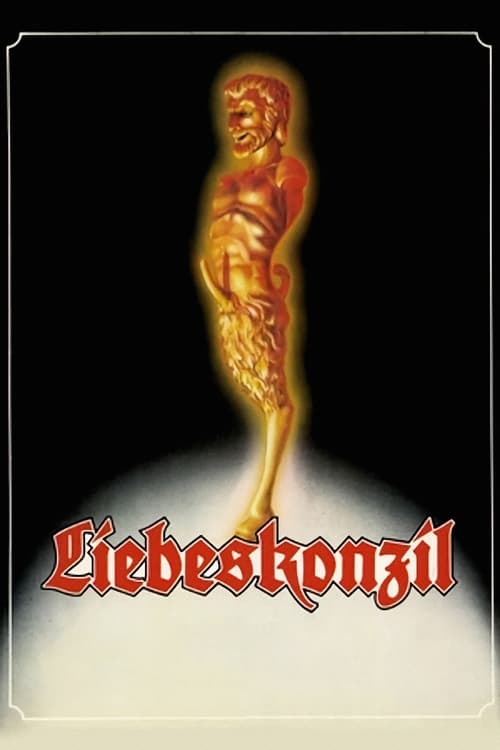
Oskar Panizza’s The Council of Love (1895) is a blasphemous play set in 1495, during the first recorded outbreak of syphilis, which Panizza satirically presents as the punishment from Satan for sexually active humans. As a result, Panizza was imprisoned for obscenity. Schroeter alternates scenes from the Panizza’s work with a dramatization of his trial, presenting the play as an expressionist spectacle performed by actors wearing exaggerated makeup who gesture and grimace grotesquely. The film thus forms a bridge between Schroeter’s use of tableaux in his early experiments with the political urgency of his 1980s films. On the eve of the AIDS crisis, Schroeter is presciently worried about disease as an excuse for governmental repression and the oppression of sexuality. - Harvard Film Archive
Liebeskonzil
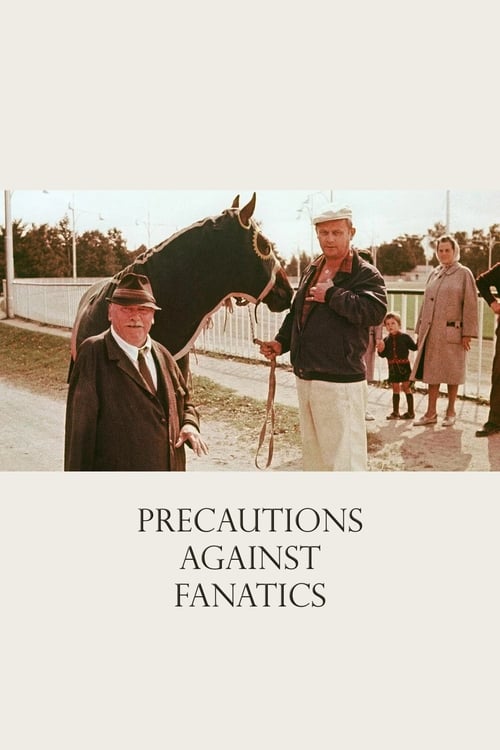
The film features several horse trainers and other track workers talking about their roles at the track, always eventually interrupted by an older man who claims to be the true authority, and demands that they be thrown out. One recurring young man, the first to appear, claims that he protects the horses from enthusiastic racing fans. He does not appear to be employed by the track, but seems to provide his services voluntarily. His protection from "fanatics" gives the film its title. The film is shot in a documentary style, but the sheer implausibility of the dialogue leaves the exact nature of the film ambiguous.