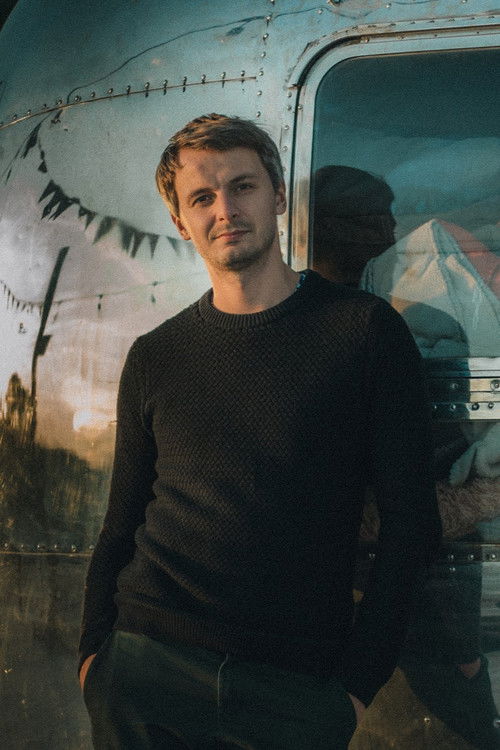
Johan Huimerind
Directing
Biography
Johan Huimerind is an Estonian filmmaker working as a director, producer and cinematographer. His work focuses on observational and poetic documentary forms, with an emphasis on visually driven storytelling. He is particularly interested in intimate, character-driven narratives that explore human presence in the dreamy eastern european environments. In 2026, he received Estonia’s Young Documentary Filmmaker Award for his debut film Descent into the Valley. He is currently working the feature documentary Borderline.
Known For

Every parent's worst nightmare is just the beginning for Rachel's ordeal as in the aftermath of a tragic accident, she and her husband Anthony decide to move to the other side of the world to focus on their surviving twin son Elliot. What begins as a time of healing and isolation in the Finnish countryside turns into a desperate battle for the very soul of their son as an entity claiming to be his dead twin brother takes over Elliot — setting Rachel on a diabolical journey to unravel the horrible truth about her twin son.
The Twin
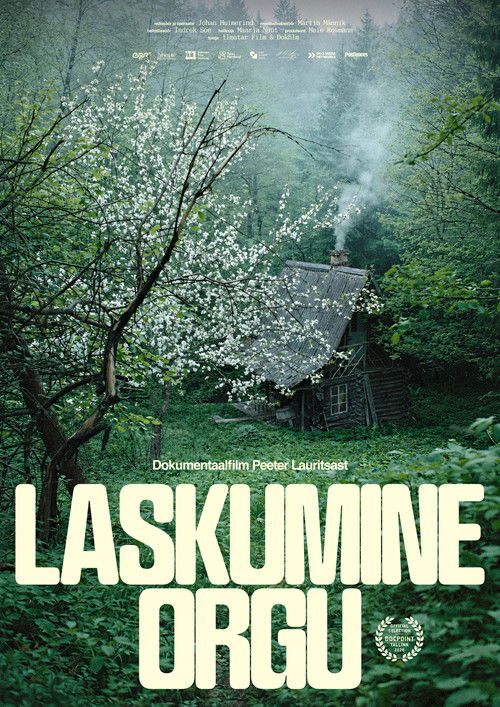
Follows photographer and artist Peeter Laurits - a kind of trickster or shaman who moves along the border between different worlds and realities. He brings messages from the realms of art, science, mythology, esotericism and ecology, building highways from the level of moss and bark beetles all the way to the cosmic spheres. The film is set in Kütiorg, a sacred forested valley that is at once a studio and a strangely displaced mystical landscape, where past, present and imagination coexist. Kütiorg becomes the film’s central metaphor: a seemingly small place whose invisible trajectories and darker winding paths open new ways of perceiving a world in perpetual collapse, drawing both the viewer and the protagonist deeper into its depths.
Descent into the Valley
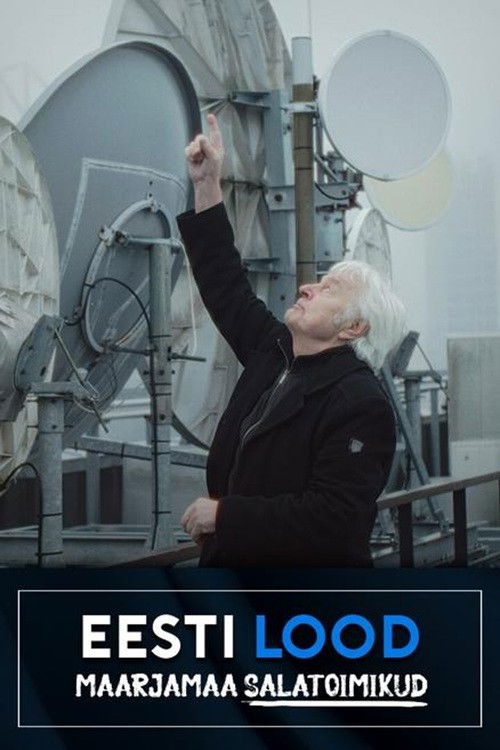
These stories take us to the dreamlike outskirts of Estonia, where the everyday is intertwined with the paranormal. At the heart of the film is the human desire to understand the unseen and listen to those whose experiences are often ignored. It is a peaceful and human journey to the edge of the unknown, which does not seek proof, but tries to understand what it means to believe.