
Maaike Neuville
Acting
Known For

A young couple travels to a shabby Eastern European hospital for plastic surgery. The young woman wants a breast reduction. Her mother comes along for yet another face-lift. Wandering through an abandoned ward the boyfriend stumbles upon a young woman, gagged and strapped to an operating table; she is the result of an experimental rejuvenation treatment. He frees her, but does not realize he just caused the outbreak of a virus that will change doctors, patients and his mother-in-law into bloodthirsty zombies.
Yummy
Witse is a Dutch language crime drama produced by Belgian broadcaster VRT and broadcast on their één channel. It is also shown on BVN. First broadcast in 2004, as of 2010 the programme comprises eight series with a ninth and final series planned for 2012. It stars Hubert Damen as the eponymous Witse, a driven inspector in the Belgian federal police based in Halle. It is one of the most popular Flemish television programmes with some 1.6 million viewers. There are also Witse books. The first three were based on the last two episodes of each season, but since 2010 every six months a brand new story is published, written and invented by established Belgian writers, as Bob Van Laerhoven and Bart Van Lierde. The music for Witse is composed by Steve Willaert.
Witse
Twelve ordinary people are called for jury duty for a controversial murder case.
The Twelve

Three women become entangled in the world of human trafficking and prostitution when Esther's husband suddenly disappears. From completely different worlds, the lives of these women become intertwined. They discover that they need each other to escape from the difficult situations they find themselves in.
Red Light

A specialized team is responsible for the country's State Security. This Antwerp cell operates from the bunker, a secret and underground headquarters
The Bunker
Each short story plays in the same setting with 2 characters, each on their side of the glass of the visitors area from a prison that them (and also the world) divides.
Lockdown

The nerve-racking events of a cold winter's day, seen from two different perspectives. The odd episodes tell the story of a team of police negotiators and special forces who respond to a hostage crisis in a small bank branch. The even episodes tell exactly the same events, only through the eyes of the criminals inside and their victims.
The Day
Since the death of their parents, five sisters have formed a close-knit clan—until one of them marries. The other four see the devilish husband as the source of all misery and hatch a plan to get rid of him.
The Out-Laws

No description available.
Dennis
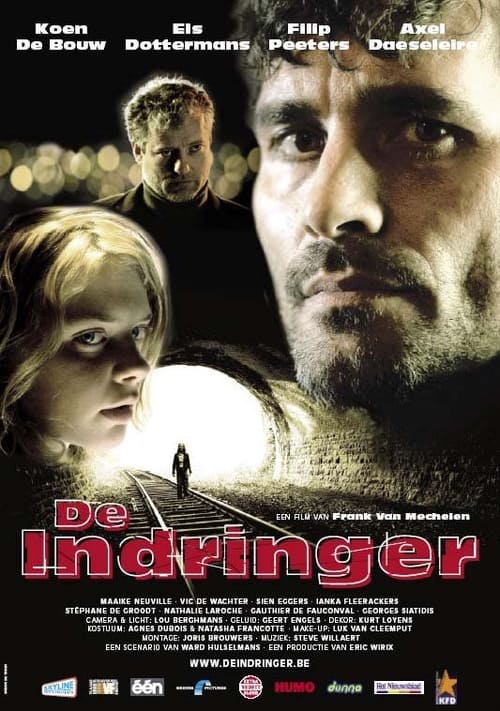
Tom Vansant is an emergency physician from Brussels who is desperately searching for his daughter who ran away from home and is now missing for eighteen months. He meets a girl of whom he thinks that she knows what happened to his daughter but the girl doesn't want to talk about her past. In his search to find out why she doesn't talk about it he ends up in a small village in the Ardennes where no one wants to help him discover what really happened.
The Intruder

Each episode takes the form of a broadcast made by a fictional pirate television station from a fictional small-minded village in East-Flanders, manned by a small number of VJs who introduce various sketches disguised as news or human interest reports. The style of both the program and its official website is deliberately amateurish. Most episodes involve a framing story which intertwines with certain sketches. Many characters are recurring and feature several catchphrases. The series sometimes includes sketches about current news, such as a baby found at a railway station, but also reacted to some negative critique, not taking itself too seriously.
Willy's en Marjetten
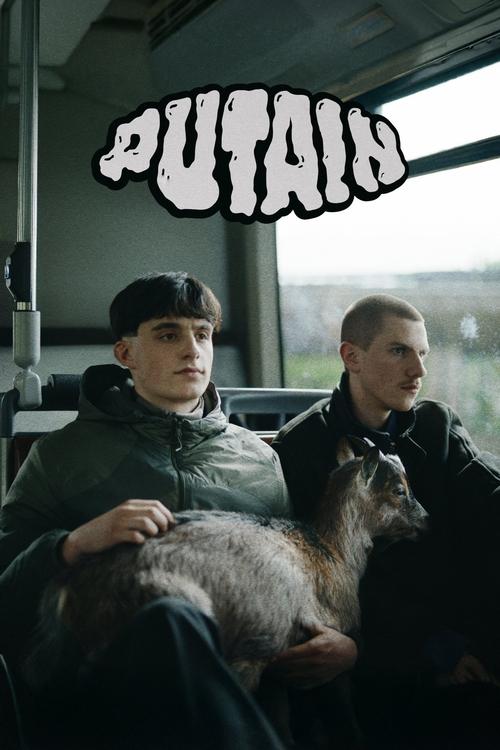
When Brussels-based Gigi discovers that his mother Anaïs is dating her ex again, with whom she shared not only love but also a drug addiction in the past, he presents her with an ultimatum: her son or her lover. When Anaïs refuses to choose, Gigi decides to leave the house. Falling back on his friends, Gigi finds his way in a merciless society.
Putain

The series focuses on the Vangenechten family of butchers. Business is going well until Rudy, the butcher couple's only son, suddenly returns home after years of absence. He refuses to say where he has been all this time, but he does want to come back home and work in the butcher shop.
Van Vlees en Bloed
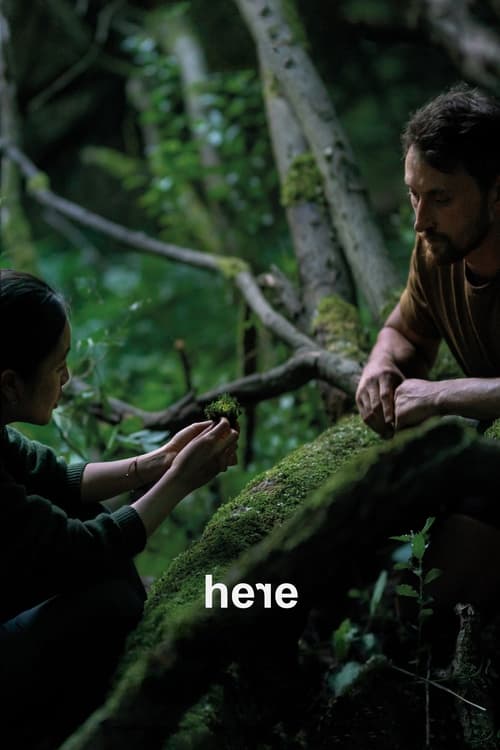
In Brussels, a construction worker crosses paths with a bryologist.
Here
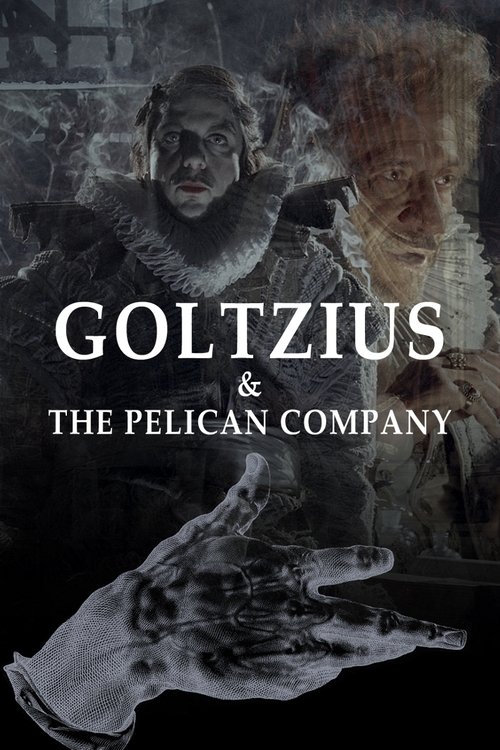
Goltzius and the Pelican Company tells the story of Hendrik Goltzius, a late 16th century Dutch printer and engraver of erotic prints. A contemporary of Rembrandt and, indeed, more celebrated during his life, Goltzius seduces the Margrave of Alsace into paying for a printing press to make and publish illustrated books. In return, he promises him an extraordinary book of pictures of illustrating the Old Testament’s biblical stories. Erotic tales of Lot and his daughters, David and Bathsheba, Samson and Deliah and John the Baptist and Salome. To tempt the Margrave further, Goltzius and his printing company will offer to perform dramatisations of these erotic stories for his court.
Goltzius & the Pelican Company
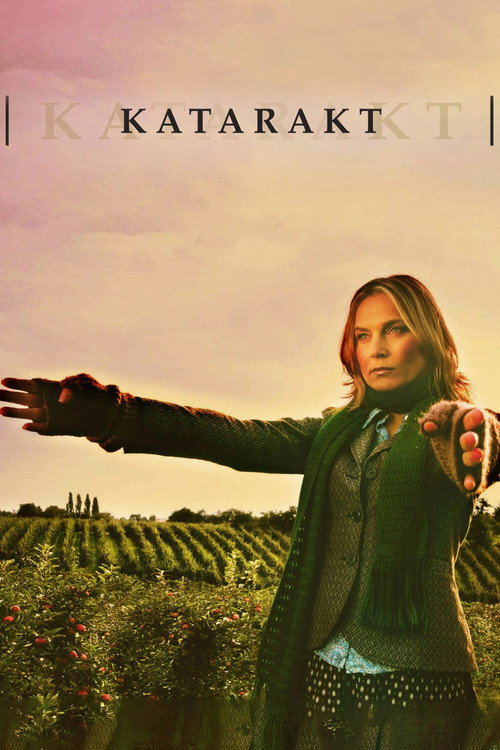
No description available.
Katarakt

After a long day at work, fiftyeight-year-old Khadija falls asleep on the last subway train. When she wakes up at the end of the line, she has no choice but to make her way home on foot. On her nocturnal journey she finds herself compelled to ask for and give help to the other inhabitants of the night.
Ghost Tropic
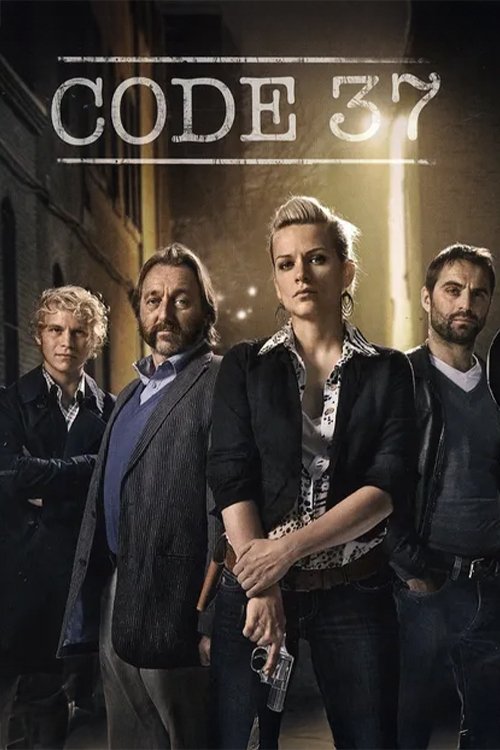
A famous writer is violated in a sex-movie-theatre. He had a date with Roos, a young student who works also as a prostitute. Quickly it becomes clear that more students are active in the prostitution. Enough reason for Hannah and her team to go undercover in club Sin City, a port for everyone who avoids the daylight and for girls who pick up their customers. When Hannah and her team investigate that the owner of both the sex-theatre as Sin City are Roos' uncle, the whole case takes a personal turn. In the first place for Hannah, because she knows as no-one else how heavy family secrets can weigh....
Code 37

The story of a self-help group of 4 people with a terminal illness, led by a therapist without experience.
All of Us
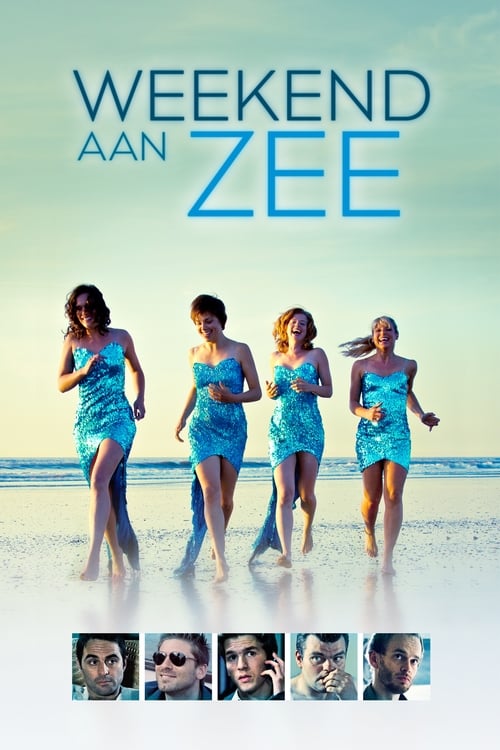
Four girl friends in their late twenties go on a reunion weekend to the sea, to the house where they spent their teenage years. What should have been a convivial gathering deteriorates into an unavoidable personal and mutual confrontation. They understand that they must reassess their friendship and realize that their lives have changed for ever.