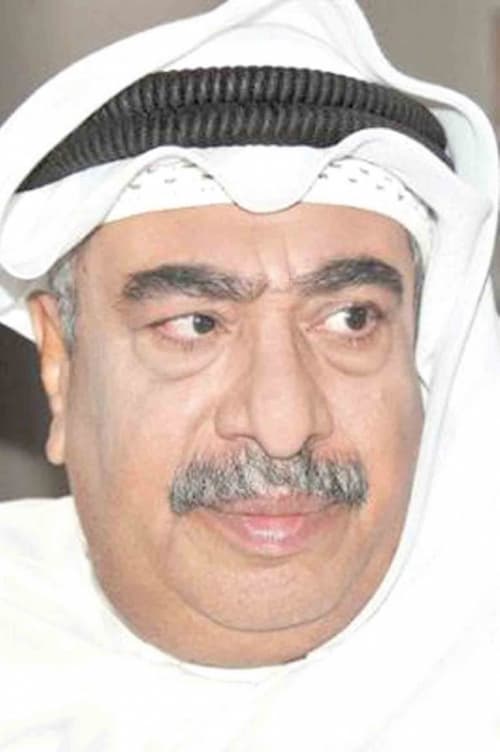
Ghazi Hussein
Acting
Biography
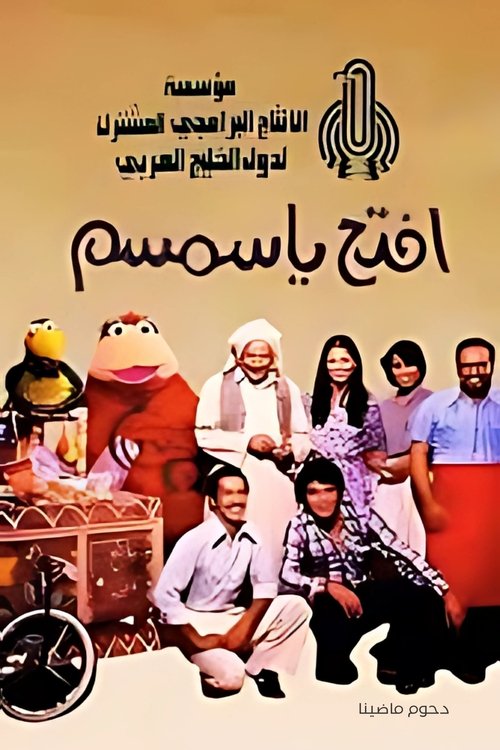
His start was through Qatar Radio in 1968 by presenting variety programs, then he participated in Qatari television through children's programs, including Ramadan competitions and riddles, in addition to his most prominent participation in the children's program, Open Sesame. Ghazi participated in many plays, the first of which was the play "The Remaining Will" with the Qatar Theater Troupe, which presented good theatrical performances at that time, as it won a group of awards at the level of the Arab world, and that was during the mid-seventies. However, his prominence came more and more after his appearance in television series, as he participated in many series, some of which were local, others Gulf and Arab, where he starred in the first series, which was called "Excuse me, my father", and after that he participated in many series, including "The last of the bunch", in which he participated with a group of Gulf drama stars, headed by the late artist Muhammad Al-Ali, in addition to the series "Fayez Al-Tosh" and "Tanatif" and "Hukm Al-Bashar" and "Yom Akher" and "Calm and Storms" and "Al-Dunya Lahza" and "Ahla Al-Ayyam" and many dramatic works with many Arab directors. He was also honored in many forums, the last of which was by the Bahrain Radio and Television Corporation last year, and he was also honored by the Cairo International Festival two years ago for the best distinguished role in radio. A graduate of the Beirut Arab University, Department of Arabic Language, in addition to obtaining many courses in media magazines in some Gulf and Arab countries.
Known For

The series takes place between the era of Jahiliyya and the beginning of the Umayyad caliphate, and presents the history of the Arab sword by documenting the most important stations that Arabs went through throughout the ages.
Arab swords
No description available.
Iftah Ya Simsim
Salamatik (Your Saftey) is an awareness program that comes in cooperation with the Gulf Cooperation Council Joint Program Production Foundation and the Local House for Public Relations for Media, produced in 1980 by a decision of the Ministries of Health. Four parts of it were produced during that period and had a significant impact on the health awareness of every household in the community.
Your Safety
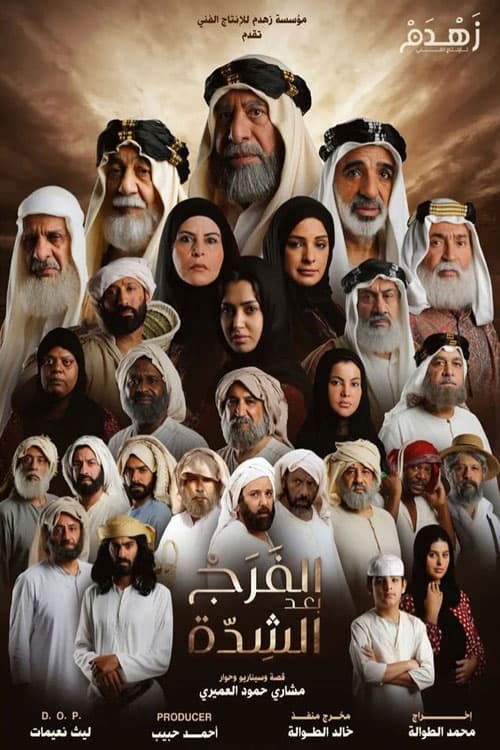
The Kuwaiti TV series (Al-Faraj Ba'd Al-Shidda) recalls the solidarity and support of the people of Kuwait, including merchants and the rich, in donating during the time of famine between 1867 and 1870, which was called (Year of Al-Hailaq). The Year of Al-Hailaq is a famine that struck Kuwait, beginning in 1867 during the reign of Sheikh Abdullah bin Sabah Al-Sabah. Al-Hailaq is a word that means destruction or perishing. The regions neighboring the Emirate of Kuwait were exposed to a massive drought that was not expected. Kuwait was fortified and had the ability to survive this drought. The Kuwait Wall became the main destination for these afflicted people.
Relief after hardship
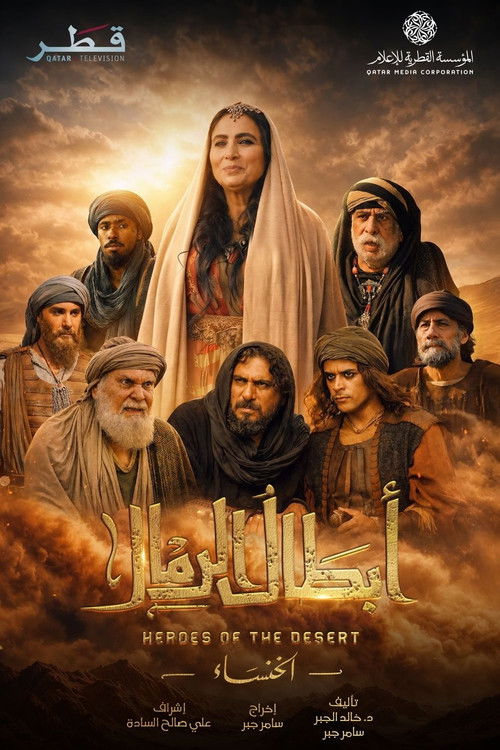
Through the patience of Al Khansa, the fierce justice of Al Shanfara, and the unbreakable resilience of Zubaiba, this drama unearths the untold stories that shaped pre-Islamic Arabia.
Heroes of the Desert
After a bird's egg is saved from the storm that nearly destroyed it, the egg is kept until it hatches. Later, the bird is placed in the garden and the children gather around it very happily. The child Karam loves the bird, which visits them one day at school. Karam dreams of going with the Good Bird, the white pelican, to his parents.
The Good Bird
No description available.
بنات الفريج
No description available.
أحلى الأيام
No description available.