Writing
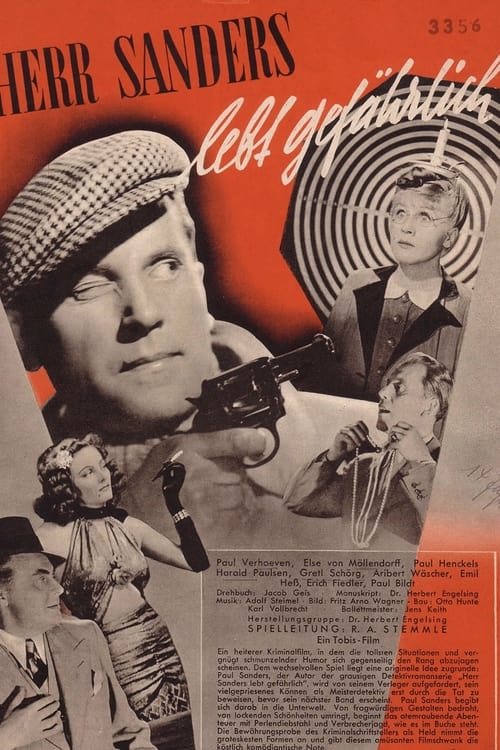
Until now, the detective stories by author Paul Sanders had always sold splendidly – likely due in no small part to the fact that he always tested all his murderous tricks on his long-suffering secretary, and that all the cases came from the archive of his friend Caspar Natter, a retired police detective. Sanders was all the more shocked, therefore, when his publisher informed him that readers were no longer interested in his books, a fact confirmed by the weak sales figures.
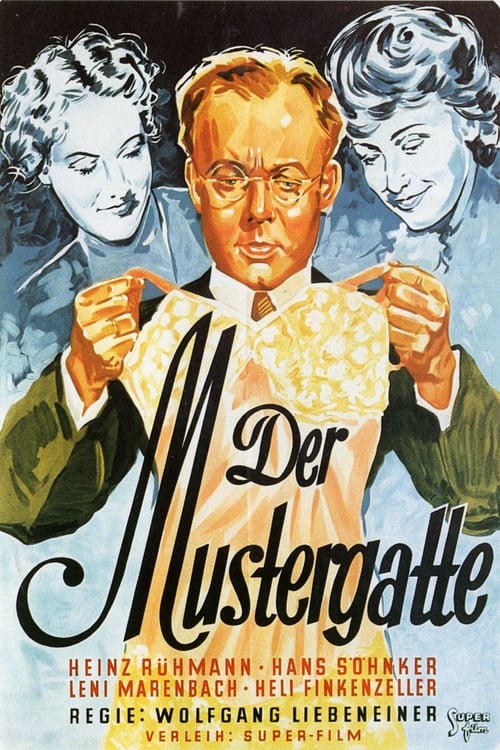
Heinz Rühmann plays the "model husband" who, when his bored wife threatens to leave him, embarks on an adventurous night.
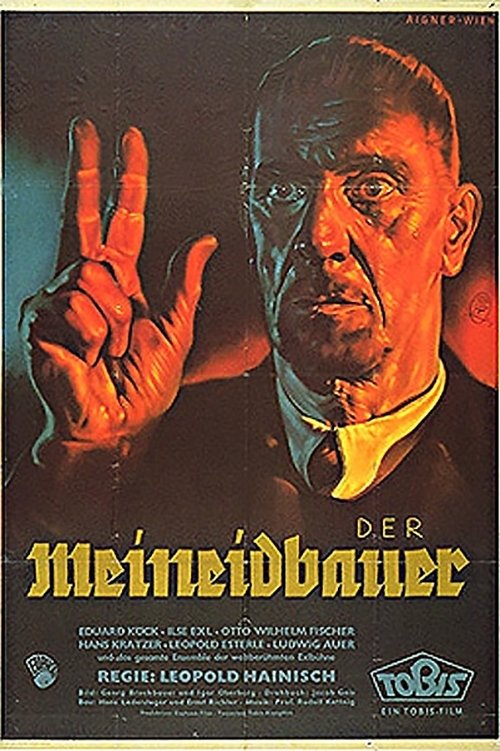
After his stepbrother Jacob dies in an accident, farmer Matthias Ferner learns from Paula, Jacob's spouse of many years, that she and her two children will inherit the whole farm. She takes over command immediately, failing to realize that Matthias must feel like her servant. So he searches and destroys his brother's will and even swears perjury in court - but there's a witness he didn't count in.
A soldier thinks about leaving the army for a woman. His friends try to stop him.
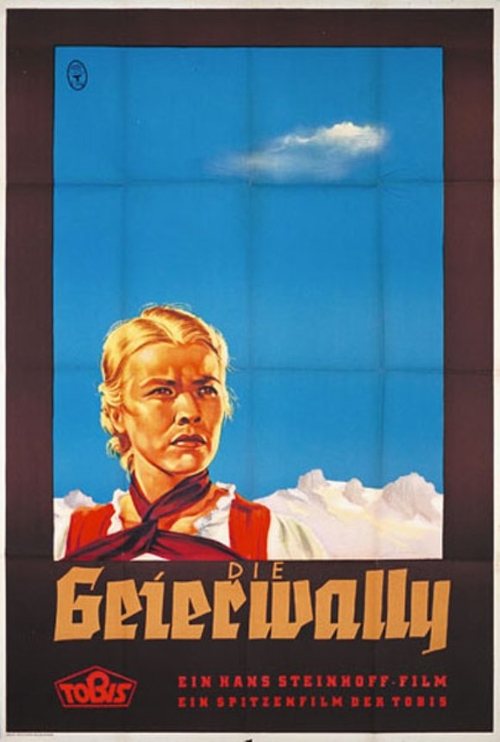
In the mountains of the Ötztal, the wealthy Fender (Eduard Köck) and Wally (Heath Hatheyer), his only daughter and heir, manage a small farm. He wants to marry the rich, but boring, Vincent (Leopold Esterle). Wally escapes to a mountain hut, where she lives alone and withdrawn. Her love belongs to the hunter, Joseph (Sepp Rist). When she unwisely takes a young vulture from its nest and is attacked by the mother, Joseph comes to her aid and from that point on, she fondly calls him her "Geierwally". He also feels attracted to her, but Wally can't escape the feeling, that the young Afra is his mistress. Mad with jealousy, Wally announces that she'll marry the one who kills Josef. Vincent wants to earn her hand and is determined to kill the Geierwally. Just in time, though, the actual relationship between Joseph and Afra is clarified.
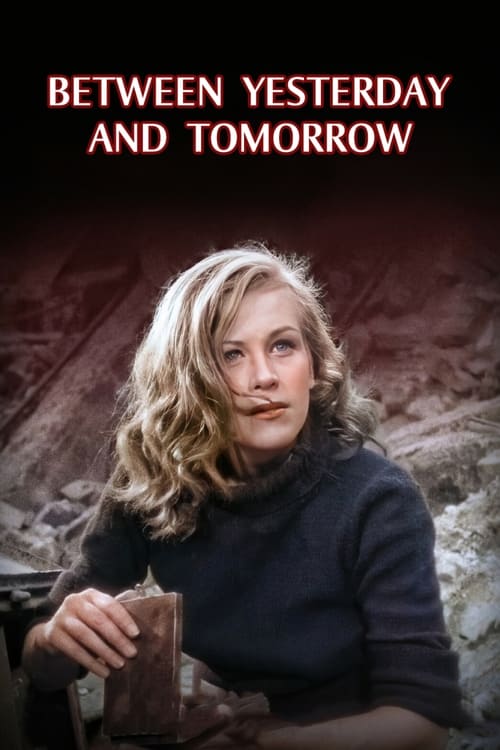
A woman with a troubled past connects with two refugees while working at a homeless camp after World War II.
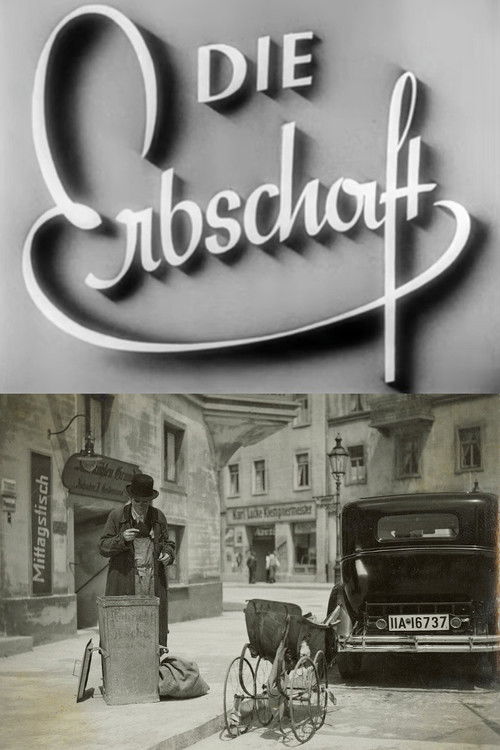
Short Film from 1936. Banned by the Nazis. First shown 1976. Karl Meier and his wife are some really poor folks. They don't have much to eat and they cannot pay for their flat. Even the bailiff does not know what to take from them anymore. One day they are told that they made an inheritance, because some relatives died recently. Their financial problems seem to be solved now.
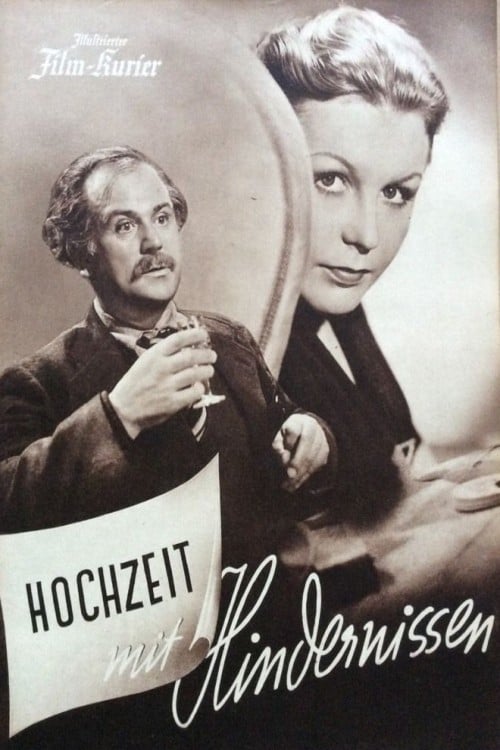
A wealthy uncle from America has named the widowed shoemaker Emil Rogge as his sole heir and bequeathed him a chest containing his entire fortune. However, the will includes a clause stipulating that the chest may only be opened after a three-month period, and Rogge will only inherit the fortune if he fulfills two conditions within that time: he must abstain from alcohol at work, and he must find and marry a wife. A con man then tries to seduce Rogge and arrange for his accomplice, the sophisticated Olga, to marry him. But in the end, Rogge not only finds the right woman but also experiences a major surprise.
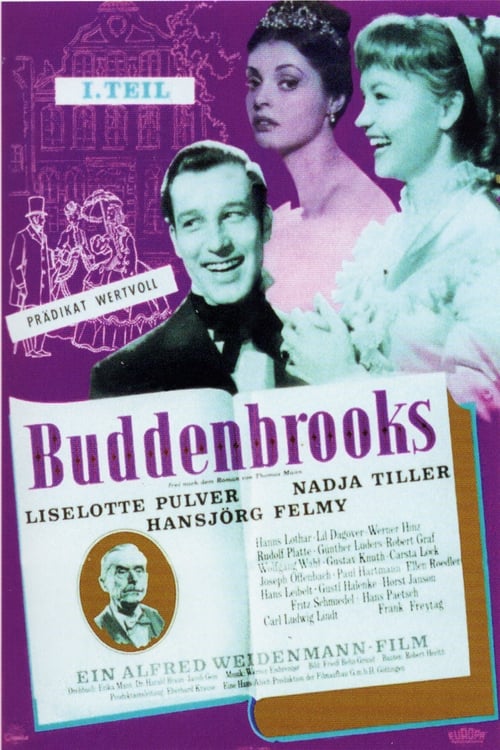
First part of two of the saga of the troubled Buddenbrook family and their business in mid 19th century Germany.
A group of people gathers back in the post-war ruins of a luxurious Munich hotel they inhabited at one point or another years before; each trying to cope with the tragic consequences of the war and their own actions.
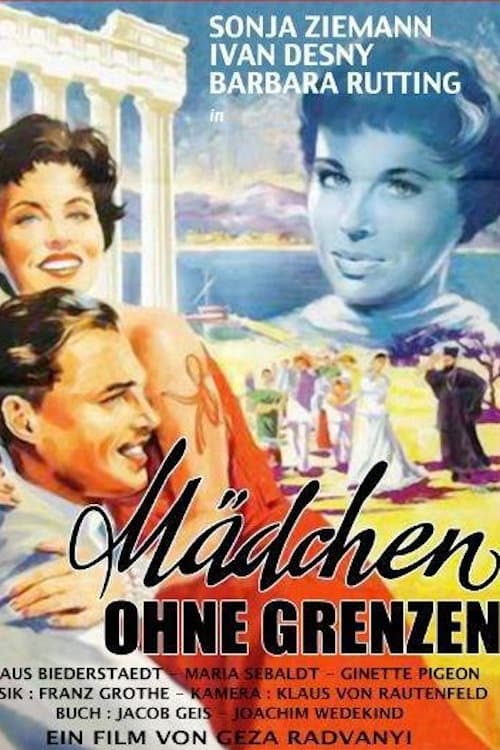
Helga, a stewardess, meet a passenger, Eric, during a flight to Athens. They fall in love, but he is married. Later Helga is involved in a flight crash. One of the severely injured passengers is Eric's wife Maria.
The wealthy widow Tilla Haidt lives on her estate in Schleswig-Holstein. She mourns her missing son Michael. One day, a young man suddenly appears at her door and changes her whole life. He is also called Michael, is an orphan, and is looking for shelter with her. Gradually, he becomes a substitute son to her, and in her imagination even her real son. But bitter disappointments await her.
Martin Lundt, heir to his family's industrial business, falls for and, against his family's wishes, weds the family maid, Régine. Soon thereafter, rumors begin to circulate about Régine's faithfulness and being to haunt Martin.
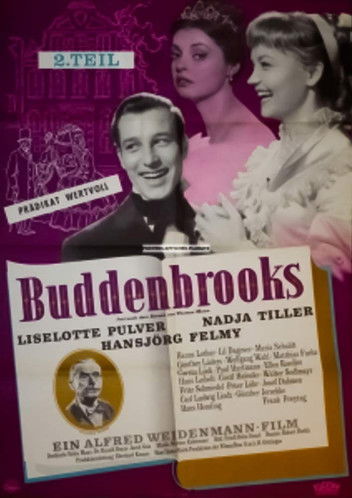
Second part of two of the saga of the troubled Buddenbrook family and their business in 19th century Germany.
No description available.
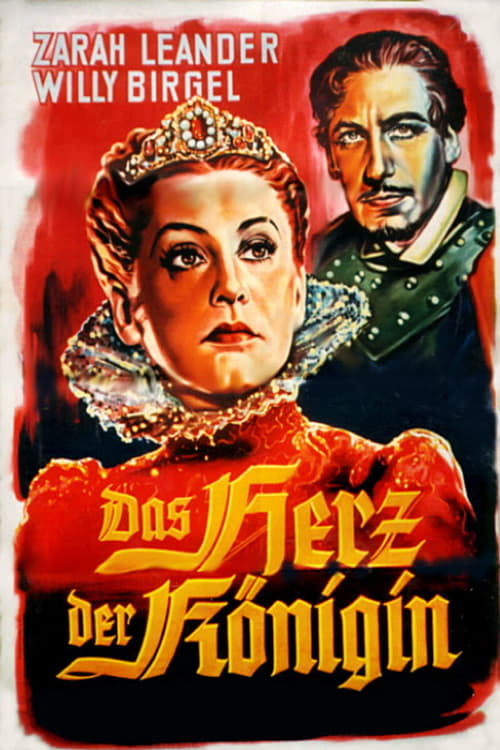
As the title "The Queen's Heart" suggests, this early German black and white version of Mary Queen of Scott's eventful reign and death focuses on her emotional perception rather lyrically, with some songs, mainly by her.
Art dealer Thormann asks for the hand of his beautiful secretary Nora, but Nora loves Captain Hans Westhoff. But while Westhoff is hiding in Italy to avoid jail time, his heroic death is reported in his homeland.
In a hospital, the Protestant pastor Heger and the Catholic chaplain von Imhoff are responsible for pastoral care. Cornelie, a senior doctor, has lost her faith in God after the death of her daughter in the war. One day, Cornelie's former lover and father of her deceased daughter, the actor Gorgas, turns up to visit his friend von Imhoff. During these days, Gorgas invites Heger's ten-year-old daughter to visit him at the fairground, where she has a fatal accident on the swing boat. Hegers seems to be broken by this stroke of fate, but finds support in von Imhoff, who even gives him the strength to stop Gorgas from committing suicide. Cornelie regains her faith and stays with Heger.
The film is an adaptation of Henrik Ibsen's play A Doll's House. The film uses Ibsen's alternate ending where the unhappy couple are reconciled at the end