Julius Brandt
Acting
Biography
Veteran Austrian character actor, on stage from 1890. In films from 1912, with occasional forays into writing and directing. Mostly used for supporting roles, with the exception of a starring role in Haydns letzter Besucher (1939). The sound movie didn't constitute a problem for the experiences theater actor and he continued his successful career with Alfred Hitchcock's "Mary - Sir John greift ein!" (1930).
Known For

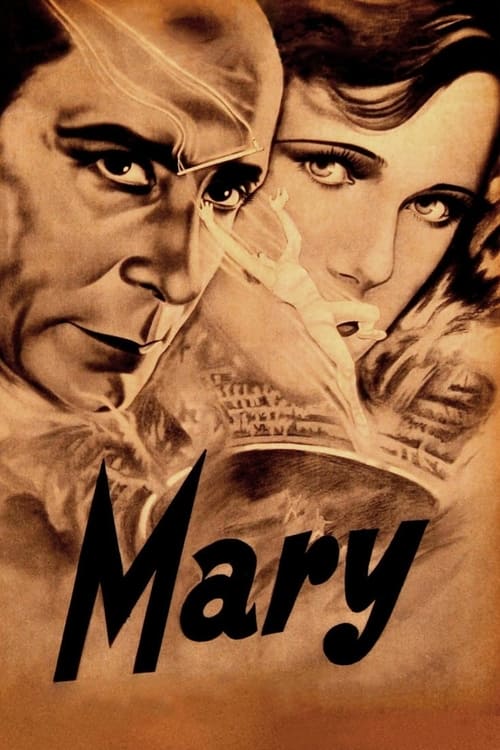
When actress Mary Baring is found in a daze beside her colleague's murdered body, all evidence points to her guilt. During the trial, juror Sir John Menier doubts the verdict, but yields to pressure. Haunted by remorse, he launches his own investigation.
Mary

Ten years after the end of World War I, Austrian soldier Franz leaves Russia and returns to his village, where he is reunited with Frieda, a woman who believes he is her long-lost son. She seeks him out and greets him with such loving joy, that Franz doesn't have the heart to tell her the truth. He stays with her and when he gets to know his new girlfriend Annie, he begs her to hide his true identity from Annie. Annie, for her part, has seen through this charade already, but chooses to say nothing and to continue to care for Franz.
Die grosse Liebe

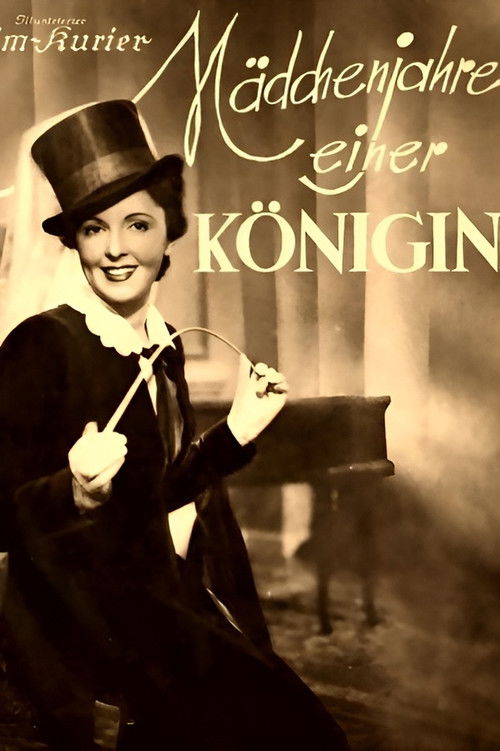
After her Prime Minister Lord Melbourne arranges a marriage for her with the German Prince Albert, the young Queen Victoria decides to leave London and spend some time in Kent. While there she meets a handsome young German and falls in love, unaware that he is her intended husband Albert.
Mädchenjahre einer Königin

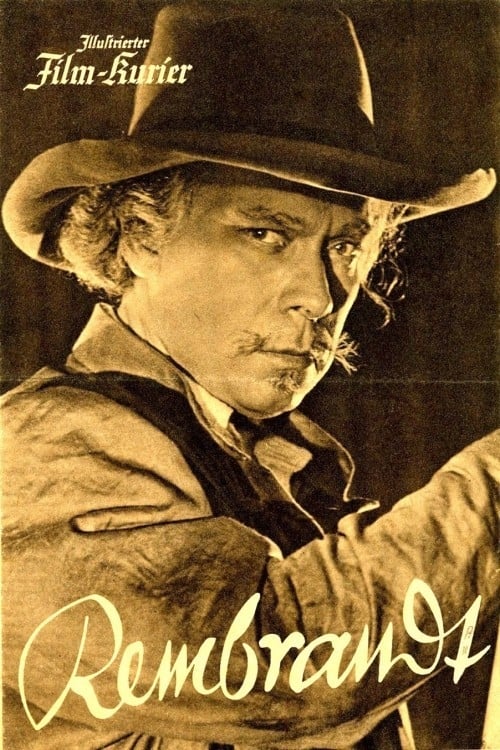
Already a famous painter, Rembrandt van Rijn is commissioned to paint the Amsterdam Archers' Guild. But upon completion of the picture, the men of the guild feel duped, because they don't consider themselves flatteringly depicted in the painting. They therefore decline to pay for the work. During this dispute, the painter finds out his wife is close to death. He finds himself terribly lonely after her passing and suffers from depression until he decides once more to marry.
Rembrandt

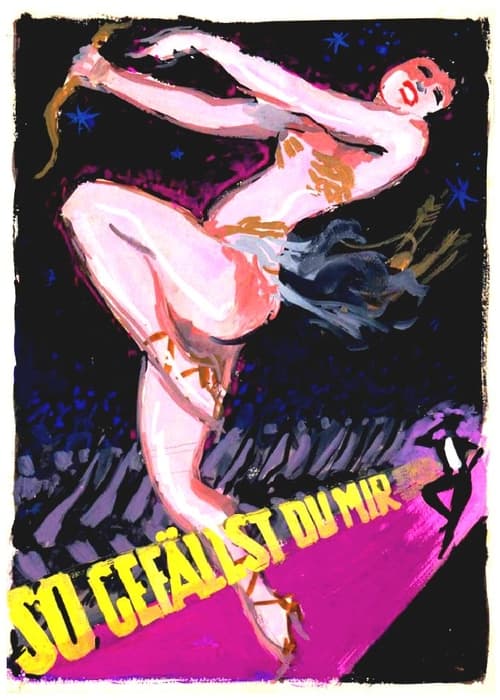
Blonde goddess Marika Rökk plays Julia Koster, a ravishing red-headed musical revue star and her opening number, "At Night It Isn't Right To Be Alone", playing to a packed theater, is both an eye-popper and a jaw-dropper.
The Woman of My Dreams

Baruch Mayer, son of an orthodox rabbi from a poor shtetl in Galizia, decides to break with the family tradition and leave the shtetl to become an actor.
The Ancient Law

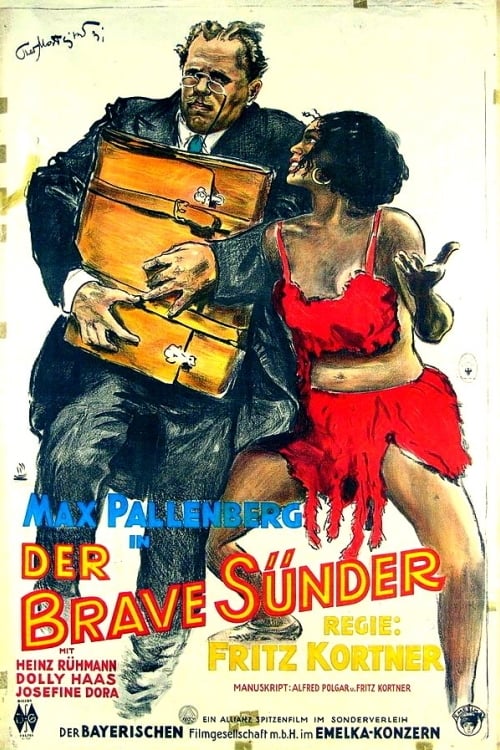
Leopold Pichler is a very orderly and trustworthy chief cashier who is asked by his boss to get a large sum of money from the bank which the boss urgently needs on a trip to Vienna. Due to some circumstances, getting the money takes a little longer than expected and the director leaves for Vienna without it.
The Upright Sinner

No description available.
Falstaff in Wien

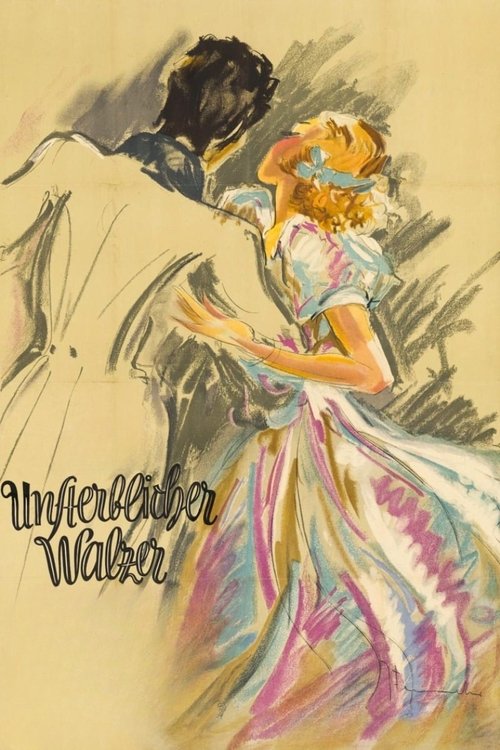
Johann Strauss firmly established himself as the leader of a dance orchestra in Vienna in the 1840s. His sons Johann junior and Josef have clearly inherited their father's talent. Nevertheless, father Johann is strictly opposed to both of them training as composers.
Immortal Waltz

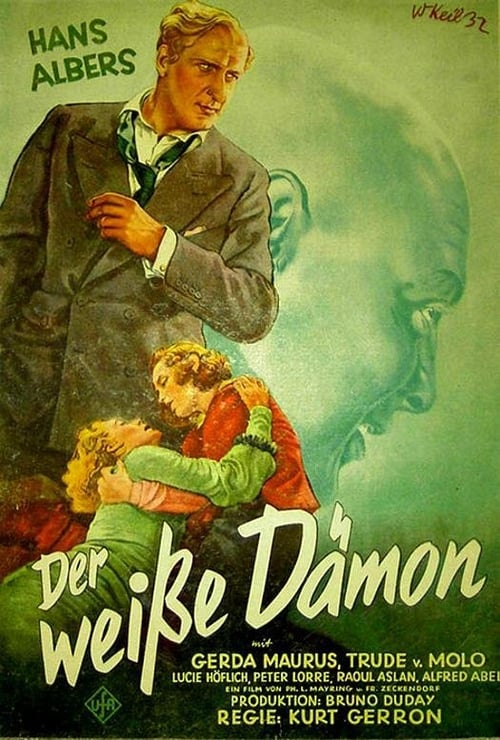
When Albers takes his drug-addicted opera star sister Gerda to a sanitarium, they both become targets of slimy dope peddler Peter Lorre, who fears that Gerda will blow the whistle on him. Lorre kidnaps the woman, leading Albers on a frantic chase.
The White Demon

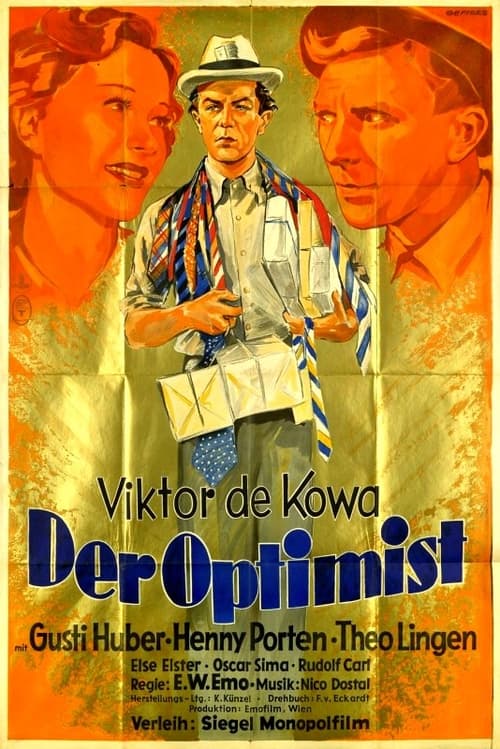
A moron buys a worthless piece of land, which a swindler passed off as an oil field.
The Optimist

The young Styrian woman Therese Brandl desperately wants to work in the theater and therefore travels by train to Vienna to pursue artistic training. The scholarship granted by the elderly Countess Hoyer is intended to guarantee her financial independence. Unaware that she is to be picked up from the Vienna train station, the student immediately takes a taxi upon arrival and asks for recommendations for both an affordable hotel and a charming little pub. Therese gets approached by an older gentleman, a gray-haired bon vivant with considerable life experience. After several glasses of wine, they leave the establishment together and go to Therese's room. Apparently, things escalate there, and they spend the night together without having been introduced. The surprise is all the greater for Therese when she goes to the drama academy the following day to begin her training: her future teacher is none other than the gallant and lover from the previous night, Dr. Alexander Dahlen.
Such Great Foolishness

No description available.
Die Herren vom Maxim

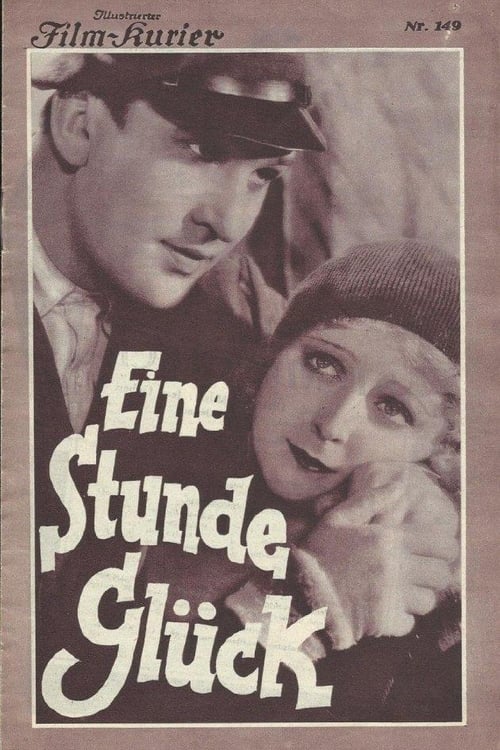
The two happy fitters Eddy and Tommy are doing overtime to ensure the great travel-exhibition of the department store they work in is ready for display. Outside, they see a poor newspaper seller, who looks longingly at the beautiful things in the display window. So they simply decide to smuggle the unfortunate inside and compete to win her favor by giving her gifts from the shelves of the department store. In their frenzy of happiness, they don’t notice that the girl is taking the fun little game for the truth. When she realizes that she has to give back the alleged gifts, she runs away.
One Hour of Happiness

No description available.
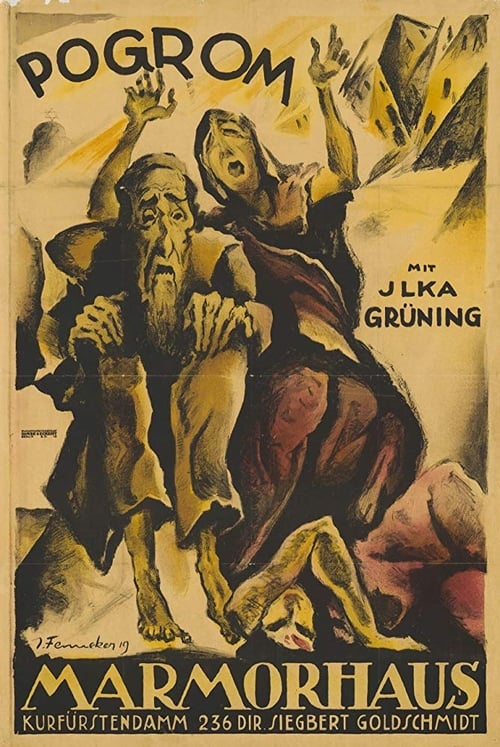
Pogrom

A dancing girl succeeds in getting Napoleon, in 1808, to pardon her lover, a German artist who has drawn an unflattering caricature of the French emperor during his Erfurt conference with the Czar and several local princes.
The Night with the Emperor

"The Bear Joseph", so named because of a fight with a bear, is rescued by Wally, a farmer's daughter, from a dangerous situation in a vulture's nest. He then calls her "Geierwally". They fall in love. Wally's father disapproves of this romance. He has other plans for Wally.
Die Geierwally

A wealthy man murders his wife, then marries a young woman who becomes suspicious of him.
In the Evening After the Opera

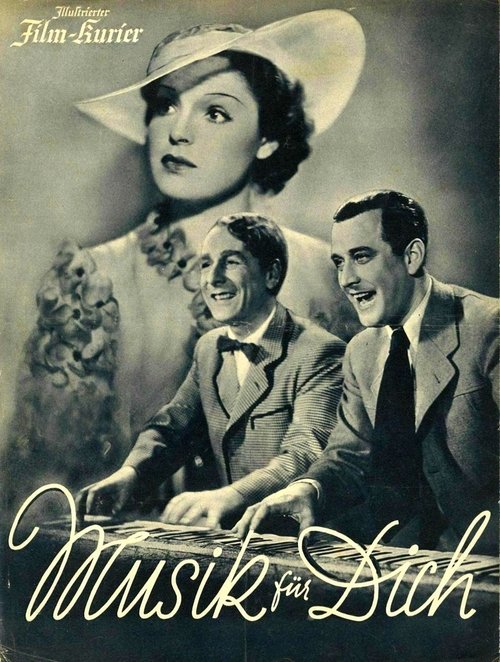
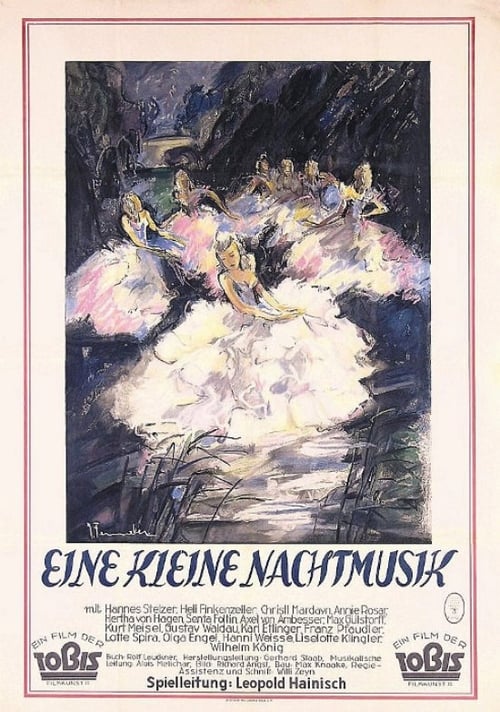
Produced by the Nazis in honor of the 150th anniversary of Mozart's death: a celebration of his music, as the film shows him traveling to Prague for the Don Giovanni premiere and inspired by his wife to compose the finale.
A Little Night Music

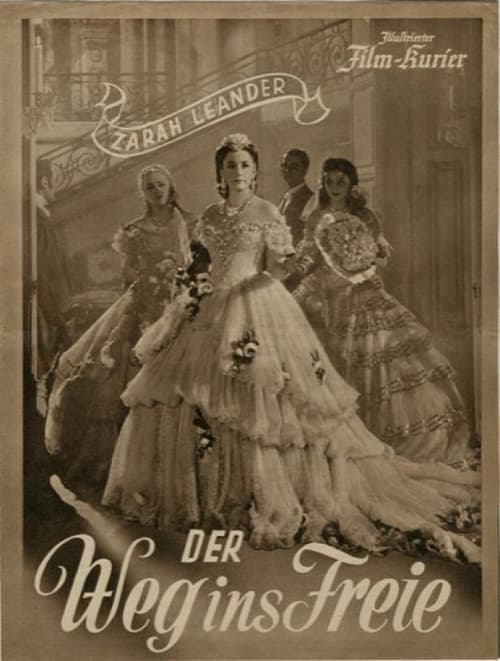
In Vienna, during the 1848 Revolution, opera singer Antonia Corvelli marries Detlev von Blossin, a rich landowner. But, as she refuses to give up her career, her infuriated husband returns to Pomerania without her. After falling into the clutches of the cruel and wicked count Stefan Oginski, whose lover she unfortunately becomes, Antonia has no other choice but to pass for dead in order to escape him. She then returns to Italy where she joins small theater companies under various aliases. Until one day she is overtaken by her fate...