Acting
No description available.
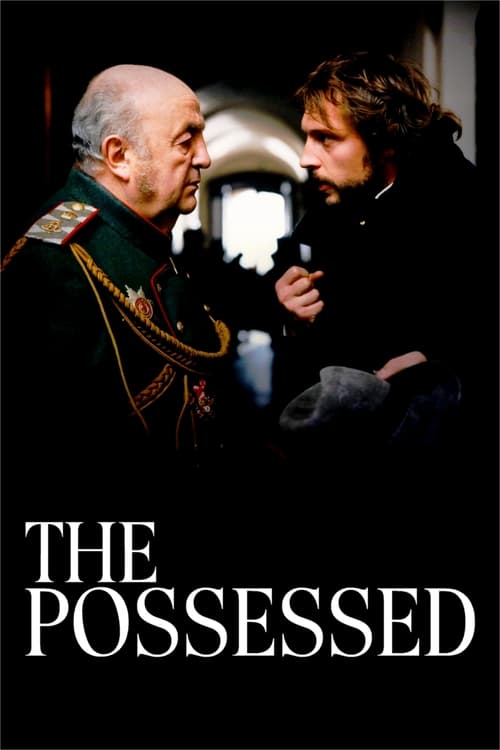
Russia, 1870. A group of young anarchist revolutionaries set out to overthrow the Czarist regime through violence. Their attacks create a climate of psychosis and mutual distrust among the population, but in reality, both revolutionaries and repressors are being manipulated by a diabolical individual.
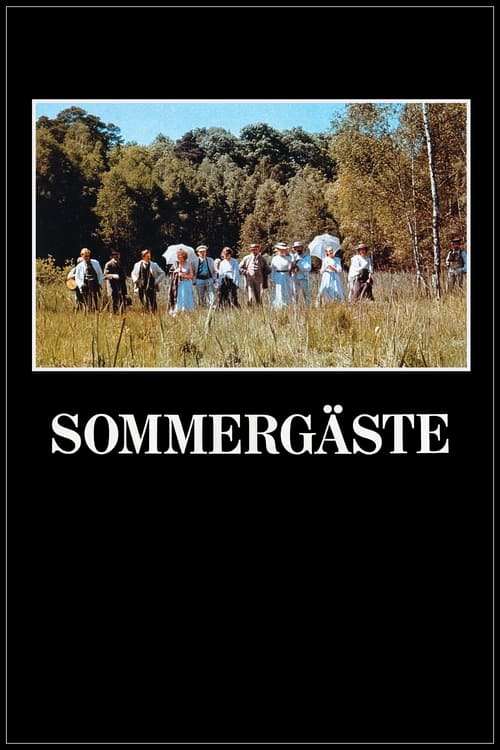
A group of people from the wealthy middle class in engage in quasi intellectual quarrels and discussions trying to find some meaning in their comfortable and indolent life. Adaptation of the play by Maxim Gorky.
When Ruth's husband dies in New York, in 2000, she imposes strict Jewish mourning, which puzzles her children. A stranger comes to the house - Ruth's cousin - with a picture of Ruth, age 8, in Berlin, with a woman the cousin says helped Ruth escape. Hannah, Ruth's daughter engaged to a gentile, goes to Berlin to find the woman, Lena Fisher, now 90. Posing as a journalist investigating intermarriage, Hannah interviews Lena who tells the story of a week in 1943 when the Jewish husbands of Aryan women were detained in a building on Rosenstrasse. The women gather daily for word of their husbands. The film goes back and forth to tell Ruth and Lena's story. How will it affect Hannah?
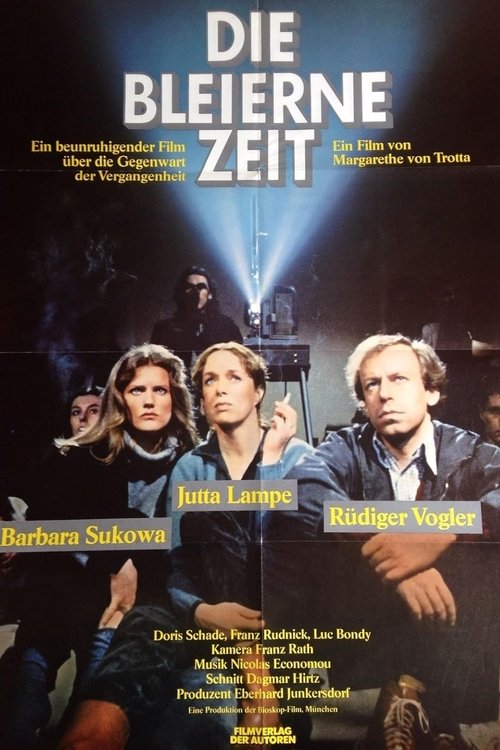
Germany, 1968: The priest's daughters Marianna and Juliane both fight for changes in society, like making abortion legal. However their means are totally different: while Juliane's committed as a reporter, her sister joins a terroristic organization. After she's caught by the police and put into isolation jail, Juliane remains as her last connection to the rest of the world. Although she doesn't accept her sister's arguments and her boyfriend Wolfgang doesn't want her to, Juliane keeps on helping her sister. She begins to question the way her sister is treated.
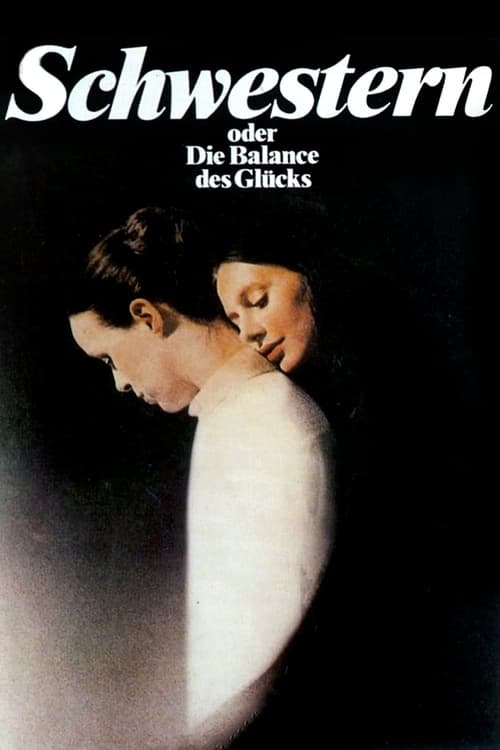
Sisters Maria and Anna live together. Maria is a most proficient executive secretary, encouraging Anna to finish her studies and start a career. Anna broods, threatens to quit university, takes pills, and keeps a diary. When Maria's relationship with Maurice, the son of her boss, starts to lead to love, Anna takes a selfish and drastic step that plummets Maria into solitude. No longer able to connect with Maurice, Maria does establish a relationship with Miriam, a typist at her office who becomes a surrogate younger sister. But Maria is intrusive as well as helpful. Can this or any relationship work out for this talented woman whose past seems to choke her soul?
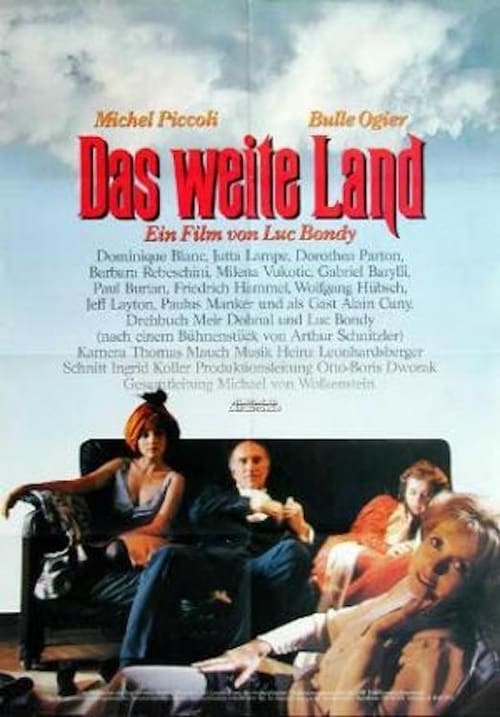
Vienna at the turn of the century: The industrialist Friedrich Hofreiter is a vain, self-important man who is used to taking what he wants and who enjoys exercising power. His tender wife Genia increasingly recognizes his deceitfulness. The Russian pianist Alexei Korsakov, a subtle artist, commits suicide because of her. Hofreiter, on the other hand, travels to the Dolomites with his friend and family doctor Dr. Mauer, who is in love with the young Erna. Hofreiter makes her his lover in front of Mauer's eyes. In turn, he provokes Genia's lover into a duel and shoots him. In the end, there is only emptiness. Faithful adaptation of Arthur Schnitzler's stage play.
Foreign correspondent Parz returns to the family after years. His children have long since grown up, but the authoritarian patriarch interferes in everything. When the conflict with Mirko, the eldest, escalates, son Christopher tries to mediate...
The stage adaptation of Dostoyevsky's novel "Crime and Punishment" marked Polish film director Andrzej Wajda's return to the theater. Following the play's premiere in Poland, it was staged at Berlin's Schaubühne theater in 1988, and its success led to a film adaptation. The production closely follows the original text and, with a few exceptions, features the Schaubühne ensemble.
Follows a woman, Lotte, who travels through Germany and seeks human connections, but is unsuccessful as every person she encounters is locked into his own world. Based on the play by Botho Strauß.
A Bremen production of Johann Wolfgang von Goethe's "Torquato Tasso". The theme of the drama is—in addition to the love of the young Tasso for the Princess of Este, the Duke's sister—the role of the poet in courtly society.