Directing
No description available.
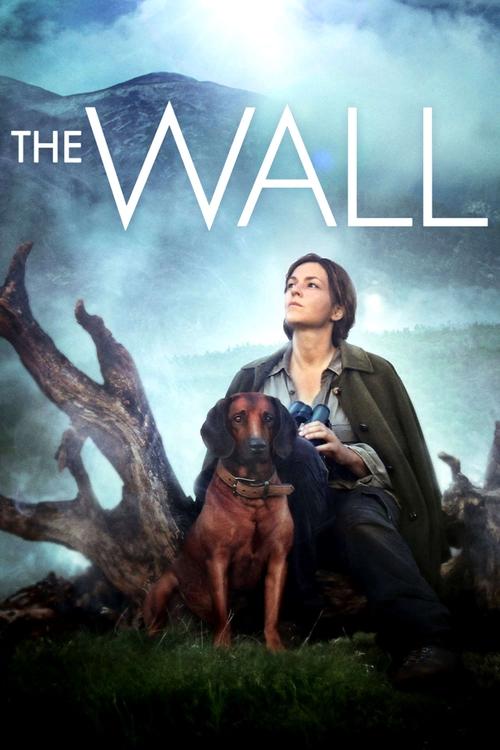
A woman inexplicably finds herself cut off from all human contact when an invisible, unyielding wall suddenly surrounds the countryside. Accompanied by her loyal dog Lynx, she becomes immersed in a world untouched by civilization and ruled by the laws of nature.
The film is based on the figure of the police inspector Simon Polt of the Austrian author Alfred Komarek.
Dr. Eisendle owns the first television set in the village. Little Roman’s grandmother cooks for the doctor, so the boy gets to experience the early highlights of television up close. And even Grandma’s cooking skills fall victim to its magical allure.
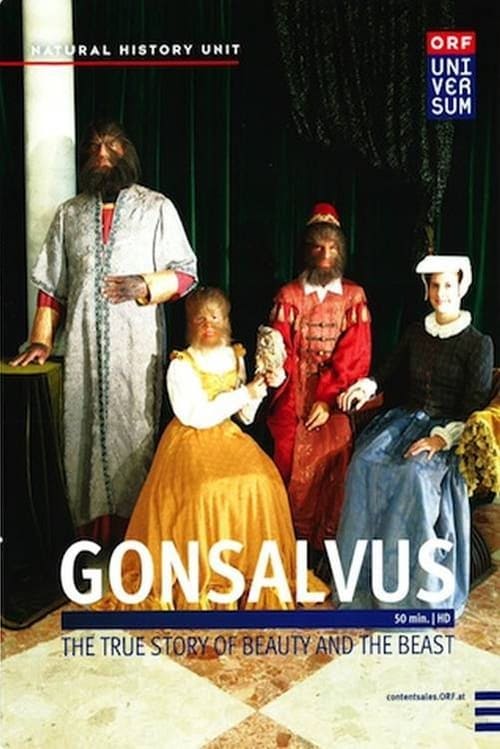
It's a condition known as "hypertrichosis" or "Ambras Syndrome," but in the 1500s it would transform one man into a national sensation and iconic fairy-tale character. His name: Petrus Gonsalvus, more commonly known today as the hairy hero of Beauty and the Beast.
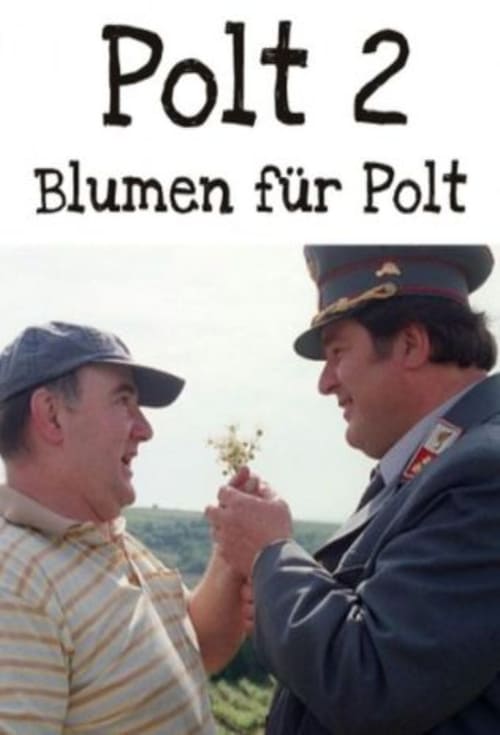
Policeman Simon Polt is on cloud nine. He finally has the village teacher Karin in his arms. But soon he's forced to look into the depths of humanity again: the priest's cook has been found dead. Was it the gourmet critic? The feisty woman had poured soup over his head the night before, in shock at the sight of an illustrious dinner party...
Daniel Käfer's time out in Ausseerland is coming to an end. He has to focus on his new career. But his journey ends in Hallstatt. His acquaintance with the young Gerd Gamsjäger and his mother leads to dramatic events. In his exuberance, Käfer causes a serious accident that almost costs his young friend his life. In an effort to make amends, he gets himself into even more trouble: with a dubious treasure map, he initiates excavations in search of a man in the salt. A huge embarrassment or the start of a new future?
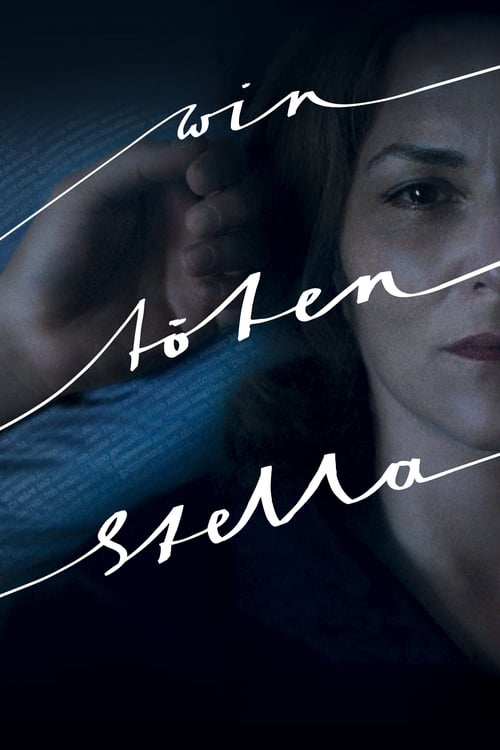
KILLING STELLA is an ice-cold examination of a failed marriage and the self-reproach of a wife and mother. It is a prequel to THE WALL in both literary and cinematic terms.
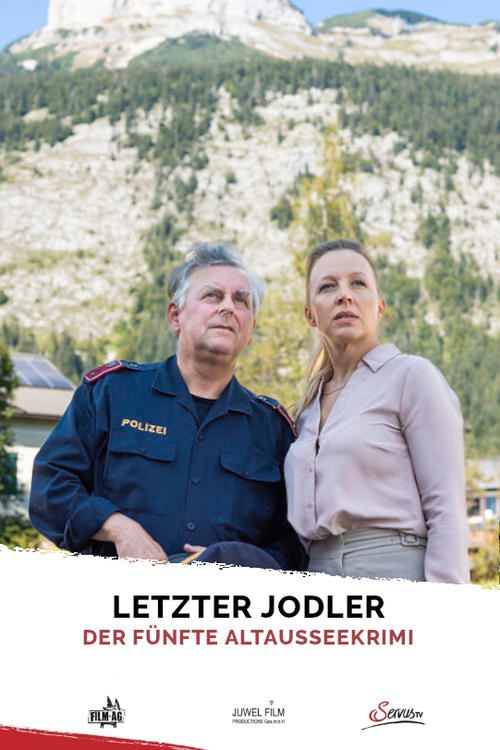
The latest Gasperlmaier case has almost ended in Ausseerland. On the day of the Pfeiffer's Day, of all days, a young musician is found dead on the Weißenbachalm pasture, and Gasperlmaier must once again embark on a criminal hunt. This time, too, the likeable police officer, Franz Gasperlmaier, can't rest. Not only is his beloved wife, Christine, traveling the world, leaving him alone with the household, but a new murder case is keeping Gasperlmaier on his toes. At the annual Pfeiffer's Day, where he is about to enjoy a fine schnapps with station commander Friedrich Kahlß, a scream shatters the peaceful atmosphere.
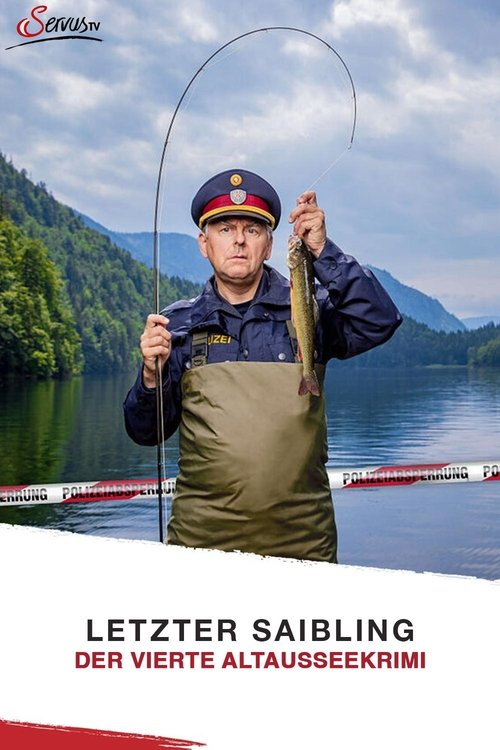
In this gruesome case, the likeable village policeman, Franz Gasperlmaier, needs particularly strong nerves. The tranquil Aussee summer idyll is disturbed by a terrible discovery in Lake Toplitz. A diver pulls a sawed-off hock from the water. But whose? Luckily, Gasperlmaier's mother-in-law knows the Aussee people very well and already has an idea who's up. The mother-in-law is proven right. The murdered man was last seen at the Altaussee Ski Club's fish dinner. Gasperlmaier and his new wife, Doctor Jolante Roth, suspect the murderer is among the guests. Time is running out, because a second terrible murder follows.
Simon Polt (Erwin Steinhauer) is no longer a gendarme. Arrived in retirement, he participates cheerfully in the Weinviertel on village life. When a corpse is found after a feast, his sense of right and wrong again becomes noticeable. The police do not see any third party debt. He sees it differently.
Archduke Johann falls in love with Anna Plochl, the postmaster's daughter. Johann and his royal arranged bride both decline a dynastic alliance advised by minister Metternich in favor of their loves.
Insults, humiliation, violence, sexual assault - the world behind the camera and the scenes can be a nightmare for many theater and film professionals. Apparently there is a real climate of fear in some film and theater productions. Some directors, but also well-known actors, apparently abuse their power and treat those around them on set or on stage with contempt or even abuse. Individual cases have been known for years, including under #metoo. But are they really isolated cases? Or can directors and actors allow themselves anything because the system allows it? In their three-year research, the documentary filmmakers spoke to more than 200 film and theater professionals about the problems in their industry. How much responsibility do the alleged perpetrators bear for abuse of power and how much responsibility does the financiers, production companies, broadcasters and also the audience bear?
Village policeman Gasperlmaier has a tough time in his third case. He's immediately summoned from a funeral to the bathroom of a family home. There, he finds a dead body. Together with his new superior, the investigation begins. But the first death is followed by a second. More and more pieces of the puzzle are piecing together a grim picture from the past. There's little time left for Gasperlmaier and his new boss, and it seems his mother-in-law is also involved.
Gendarmerie inspector Simon Polt in the Weinviertel region finds it too much of a coincidence when crook Riebel is killed in a motorcycle accident and his friend Willi is found dead on the same day. But the residents of the otherwise peaceful Lower Austrian wine village make Polt's investigation anything but easy.