Acting
No description available.
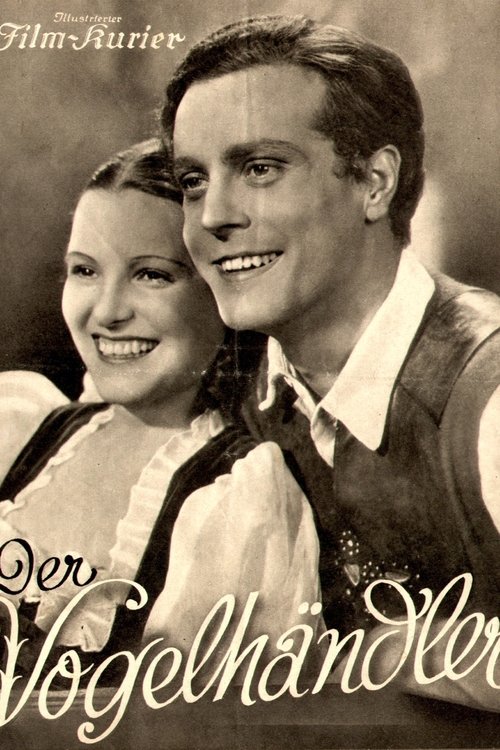
The film is an adaptation of the 1891 operetta Der Vogelhändler by composer Carl Zeller, with libretto by Moritz West and Ludwig Held, though it incorporates few of the original songs, using them mostly instrumentally or in the background. The plot follows Adam, a Tyrolean bird seller in 18th-century Rhineland, who hopes to marry his beloved Christl, a postmaster's daughter; to secure his future, she arranges for him to perform at court, but complications arise when she is mistakenly suspected of an affair with a philandering prince.
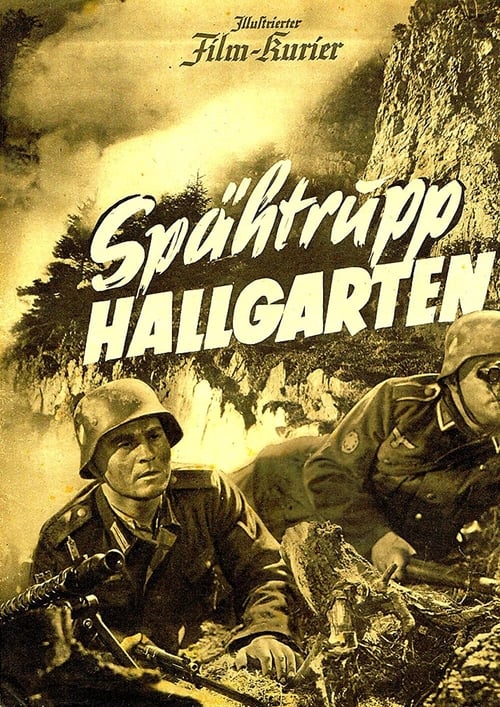
Two German soldiers in the Norwegian Campaign.
A British attorney working on a small island wants to return home to London, but first has to solve a mysterious crime.
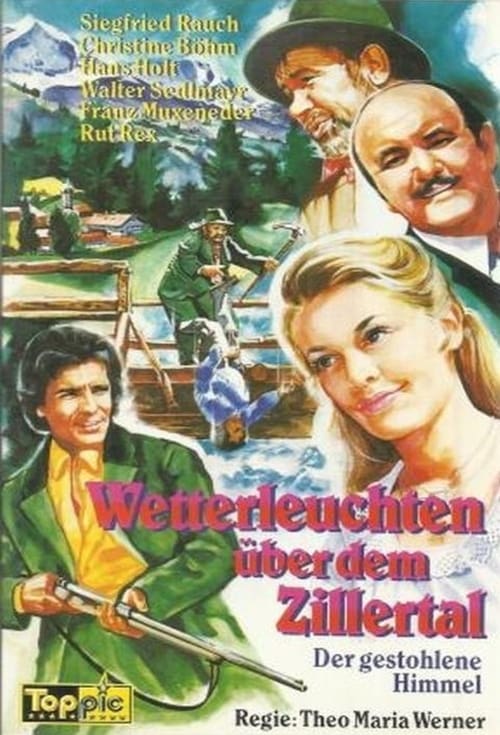
The forester Auer is found killed on a Sunday in the forest, and the police begin a feverish search for the culprit. Only Pastor Gruber already knows who it is. It is Hannes Reyer, son of the richest farmer in the region, who has confessed the act of murder to him. Gruber, however, is bound to his obligation to secrecy. But when the young Ernst Nortinger is arrested on suspicion for murder, he knows what he has to do and relinquishes his priesthood in order to report Hannes to the police. But things don’t get so far, as Hannes dies in an accident during an altercation with the priest. Nonetheless, Gruber does not return to his office. In quiescence, he wants to find out whether he still can handle the burden of the priesthood. Senior Pastor Bachmayer, however, is convinced that he will return.
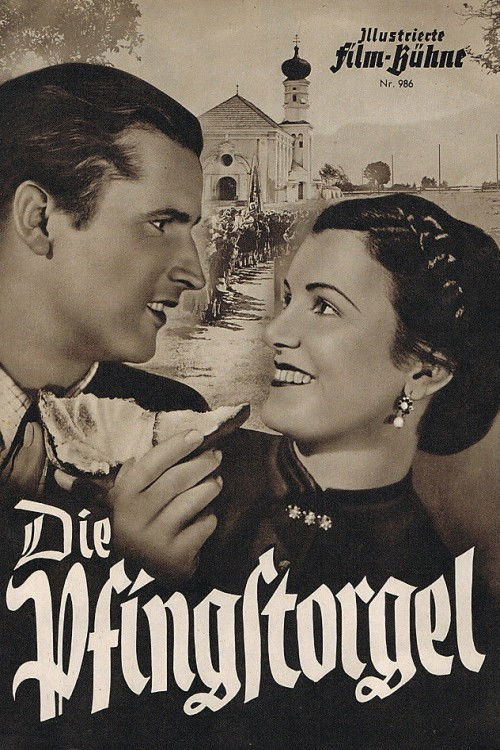
The residents of the villages Strasslach and Rott are anything but friends. The residents of the “enemy” town are ridiculed at every chance the residents of the other village can get to do so. And it’s no different, when Rott is getting ready to celebrate the 300th anniversary of its founding. The residents of Strasslach ridicule their neighbors, because the Rotters don’t want to celebrate the anniversary, because it’ll cost money. Even the church doesn’t have an organ, because that would cost money, too.
Monika (German: Eine Mutter kämpft um ihr Kind, lit. 'A Mother Fights for Her Child') is a 1938 German melodrama film directed and written by Heinz Helbig. The story centers on a singer who relinquishes her illegitimate daughter to a German engineer in São Paulo to pursue her career, only to return eight years later as a celebrated film star and wife of a prominent surgeon, demanding custody after encountering the child on a film set.
A player on a soccer team, where everyone matches together just perfectly, has fallen out of a championship tournament due to illness; which leads to a big problem: who would be the perfect man to replace him? Werner Fehling appears to be the perfect replacement for the sick man. The problem is, he's a bitter rival of the goalkeeper, Jupp Jaeger. Both men love the same girl, Grete Gabler. Grete is the daughter of a senior member of the sports club, which is why she feels doubly under pressure not to do anything to jeopardize the success of the team.
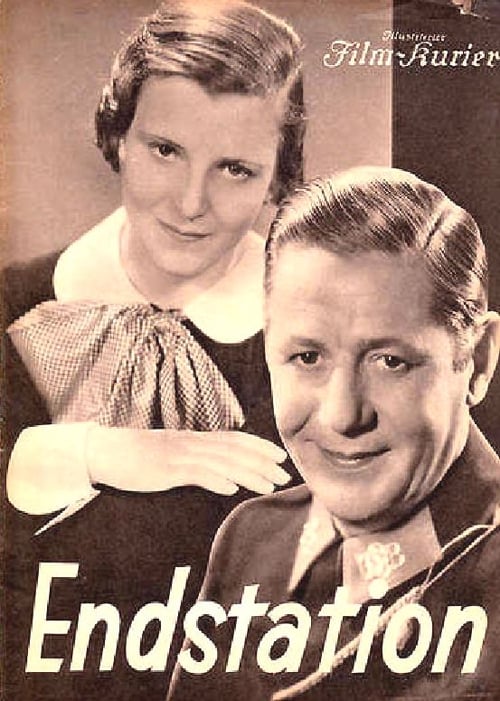
Endstation offers the American viewer tantalizing glimpses of busy, bustling mid-1930s Vienna. Otherwise, this minor yarn of an amorous streetcar conductor is strictly formula material. The film benefits from the star power of Paul Horbiger, resplendently garbed in an elaborate conductor's uniform. Also worth noting is the performance of Maria Andergest as the woebegone hatmaker whose fate is inextricably linked with hero Horbiger. Incidentally though the direction is credited with one E. W. Emo, Paul Horbiger actually called most of the shots on Endstation.
Stefan is the son of the owner of a Bavarian steamship concern, which plies the Danube. During a trip to Budapest, he falls in love with the beautiful Etelka, who, unbeknownst to Stefan, is the daughter of his father's Hungarian competitor. By chance, they lose sight of each other; but as Stefan's father enters into negotiations with Etelka's father about a merger of the two companies, the children find each other once again.
The seamstresses Franzi and Mizzi have opened up a small shop in a suburb of Vienna. Mizzi is of the opinion, however, that her friend could have a much better life if only she'd marry Karl, the son of the landlord, who has been hot for her for quite a while now. Next store to them lives a rather elegant gentleman, whom Mizzi does not like. One day, an excited woman bursts into the studio, tears off her clothes and begs the girls to act as if they're fitting her for a dress should her husband waltz on in, too. In fact, her jealous husband Stefan does show up and is thrilled to discover that his Gerda isn't cheating on him. But Mizzi and Franzi are positive, that she's been meeting a certain elegant gentleman next door.
Composer Franz Schubert becomes involved with a family with three daughters, falling in love with the two blonds, first one, then the other; but will he notice the quiet brunet third daughter, who has fallen madly in love with him?
Rudi, who’s been quite the ladies’ man, finally wants to settle down and marry Hilde. So as to not get into a touchy situation with all his many women, he plans to bring them all together the night before his wedding. While sitting alone in his apartment and burning all his old photos and love letters, he notices a woman in the garden. She assets, that she’s hiding from a stubborn admirer and he stupidly offers her to come in … and then it all begins! First, his wife-to-be Hilde shows up, who wants to spend the night before their wedding together. While Rudi tries to hide the unknown woman in his bedroom, a hotel detective shows up and claims he’s following a thief.
Johann Strauss firmly established himself as the leader of a dance orchestra in Vienna in the 1840s. His sons Johann junior and Josef have clearly inherited their father's talent. Nevertheless, father Johann is strictly opposed to both of them training as composers.