Manuel Chambi
Directing
Biography
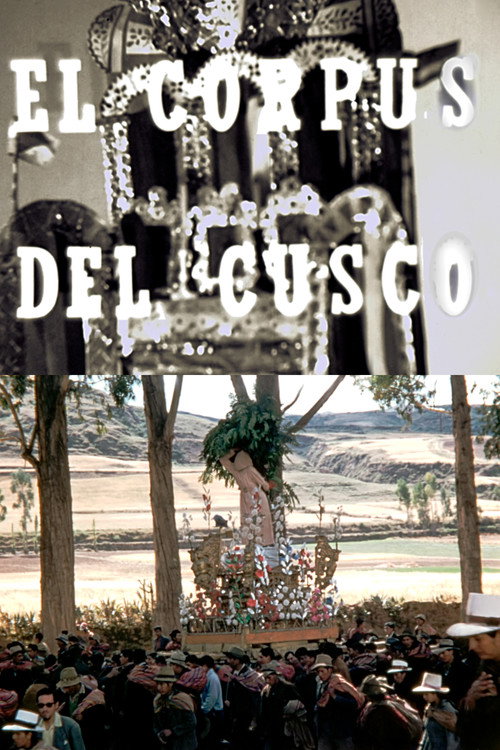
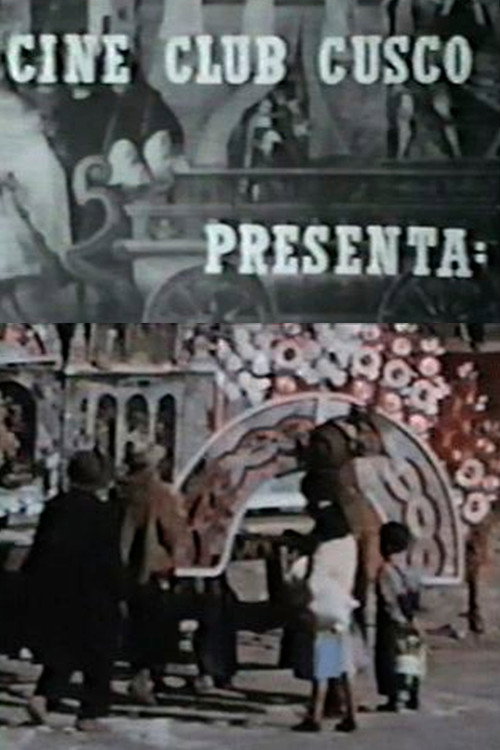
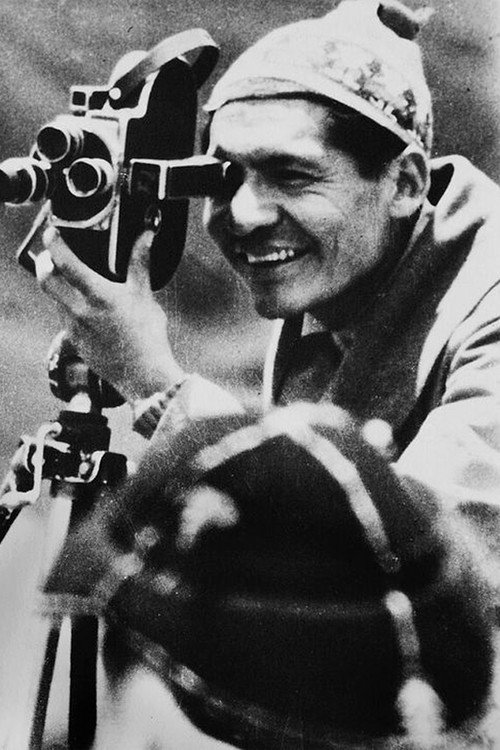
He was born in Cusco in 1924. Together with his brother Víctor Chambi and other important Peruvian filmmakers, he founded the Cine Club del Cusco. His works reflected the social reality of the people, the peasantry, and indigenous communities, showcasing the Andean universe and its inhabitants. He filmed El Corpus del Cusco (1955), a record of the Catholic celebration of Corpus Christi. The documentary is considered the foundational piece of the so-called Cusco School. His subsequent works, Lucero de Nieve (1957) and Carnaval de Kanas (1956), also achieved international recognition, winning awards at the Reseña de Cine Latinoamericano de Santa Margarita in Italy.
Known For

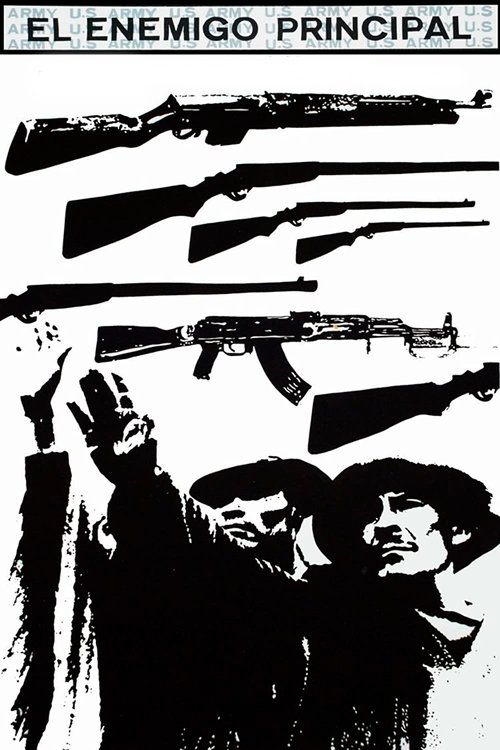
In the remote Andean highlands of Peru, a tight-knit indigenous peasant community has endured generations of brutal exploitation by local landowners. When a shocking act of violence exposes the complete failure of the official justice system to protect them, the villagers’ simmering anger pushes them toward a crossroads.
The Principal Enemy
Short film.
La Chueca
Short film.
Puno
Short film.
Ukuku
Short film.
La Basura
Short film.
Dos Familias
The only and unfinished feature film made by Manuel Chambi with his students from the University of Lima.
El Abigeo
Short film.
Ayaviri
Short film.
Machu Picchu
Short film.
Santuranticuy
Short film.
Mantaro, Fenómeno Imprevisible
Short film.
La Fiesta de las Nieves
Short film.
Navidad en Cuzco
Short film.
La Fiesta de la Candelaria en Puno
Short film.
Vida de los campesinos de Chincheros
Short film.
Estampas del Carnaval de Kuntirichanki
Short film.
Chumbivilcas. La fiesta de Santo Tomás
Short film.
Estampas del Carnaval de Kanas
Short film.
De la Recolección a la Agricultura

Documentary about the Kanas community in Cusco during carnival time, narrating the customs and experiences of the beginning of a Kanas couple's relationship.