Writing
No description available.
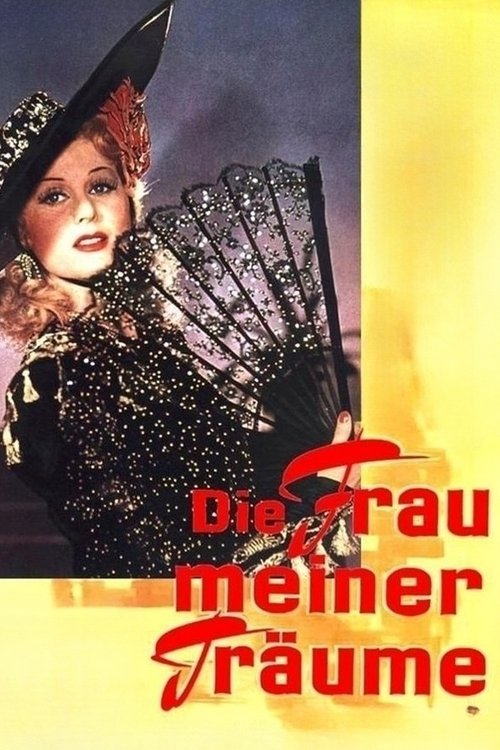
After a successful concert, the singer Maria dreams about a man with a boquet of lilies, who follows her and kisses her. A short time later, she actually meets such a man: his name is Peter and he’s on his way to his bride, Helene. In the afternoon, Maria receives a valuable diamond pin from a messenger, which was actually intended for Helene. This confusion will now trigger a wild chase through concert halls and overnight trains. During all of this, Maria’s fiancée will show up, who, in light of all this nonsense, decides he’d be better off with someone less fickle and breaks off the engagement. Maria and Peter, who barely know one another, will be drawn closer together by fate and will eventually marry … and will stay so until Maria no doubt dreams of a lawyer with a divorce decree knocking on her door.
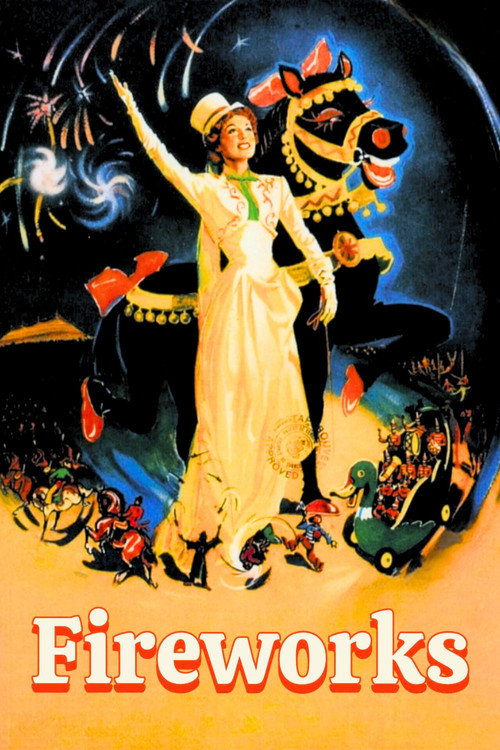
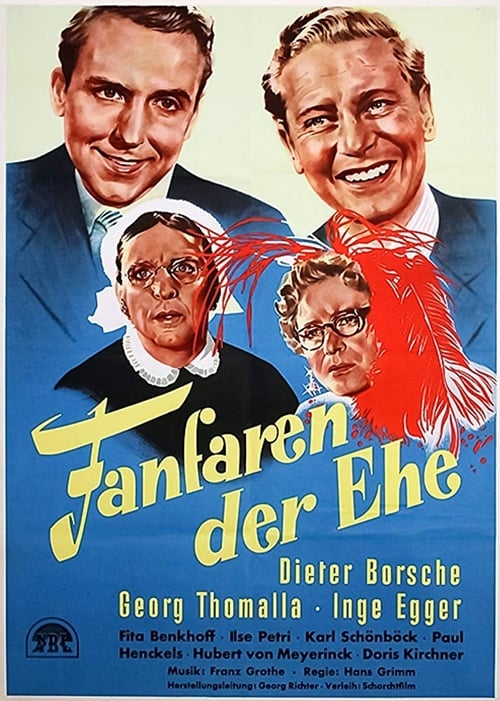
The quiet life of an extended family is shaken up when a circus comes into town.
Directed by Harald Braun and told from the perspective of Bertha von Suttner, the first female to receive the Nobel Peace Prize, The Alfred Nobel Story - No Greater Love chronicles the life of scientist, inventor, and businessman Alfred Nobel. Nobel built a massive fortune throughout his life, and while much if it was amassed by his inventions--dynamite being perhaps the most notable--he was also revered for his discoveries within the fields of science and economics. Upon his death, Nobel decided that his fortune was simply too great to continue in the form of an inheritance or single charitable donation, opting instead to use the money as reward for the greatest contributors to physics, chemistry, medicine, literature, and, of course, peace.
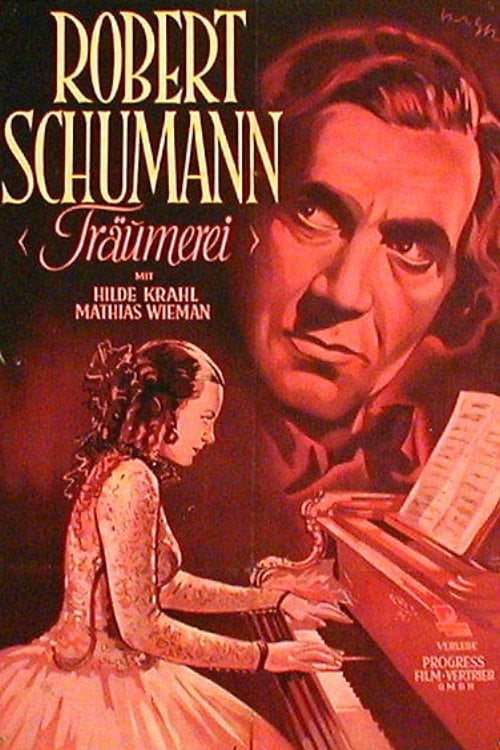
A musical film based on biographical facts about Clara Wieck's love for composer Robert Schumann (1810-1856), her marriage against her will, Schumann's triumph, and his tragic end due to mental illness. The film is beautiful and entertaining, full of noble spirit and beautiful words about art and love, which only conflict in a theoretical context; not least thanks to its solid cast, this film is quite serious and far from kitsch. Completed in 1944, during World War II, the film was rejected by the Nazi leadership, but was eventually released and enjoyed success with an audience already weary of war.
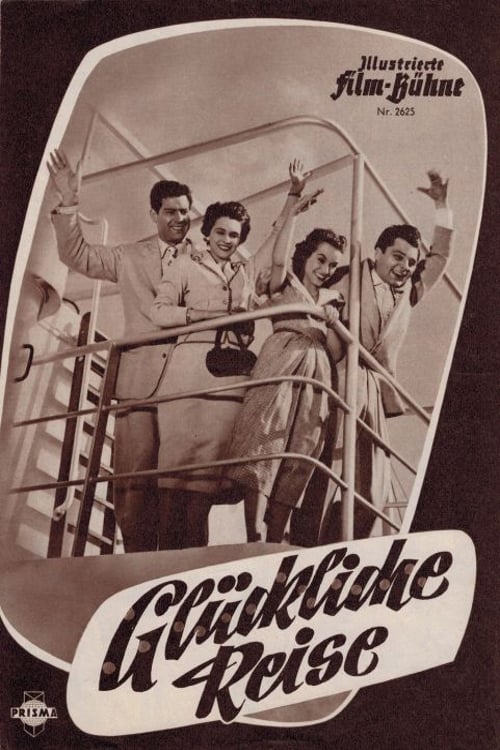
Two married women musicians get work on a cruise ship; their husbands dress as women to be able to join them.
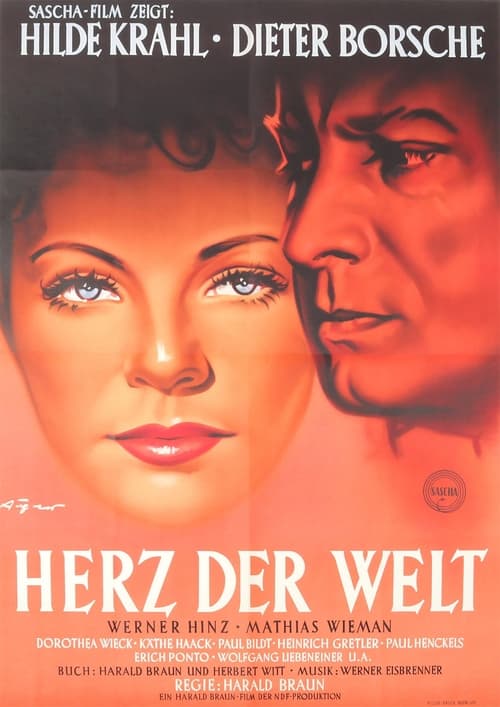
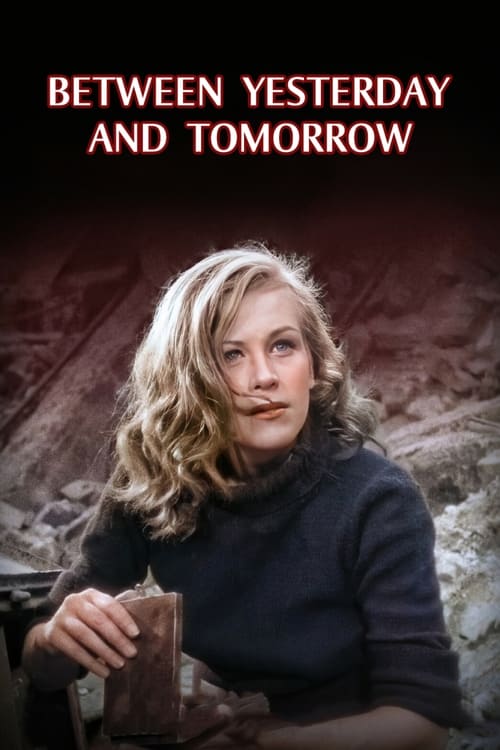
A group of people gathers back in the post-war ruins of a luxurious Munich hotel they inhabited at one point or another years before; each trying to cope with the tragic consequences of the war and their own actions.
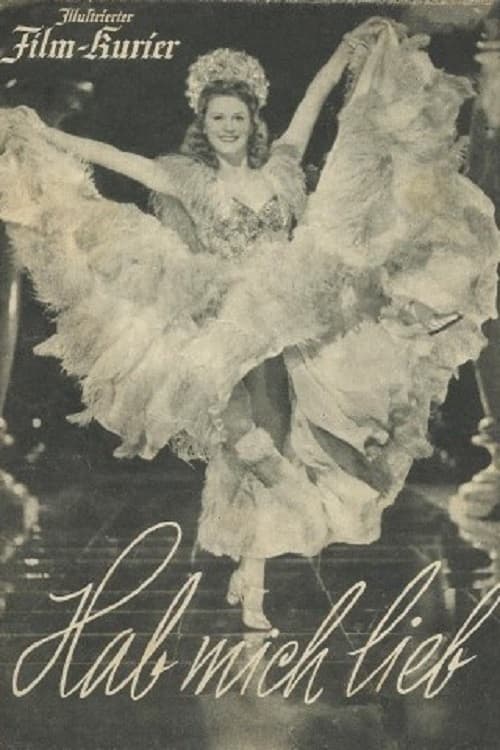
Blonde goddess Marika Rökk plays Julia Koster, a ravishing red-headed musical revue star and her opening number, "At Night It Isn't Right To Be Alone", playing to a packed theater, is both an eye-popper and a jaw-dropper.
A showgirl aspiring to greater things endeavours to sort out her financial and romantic problems.
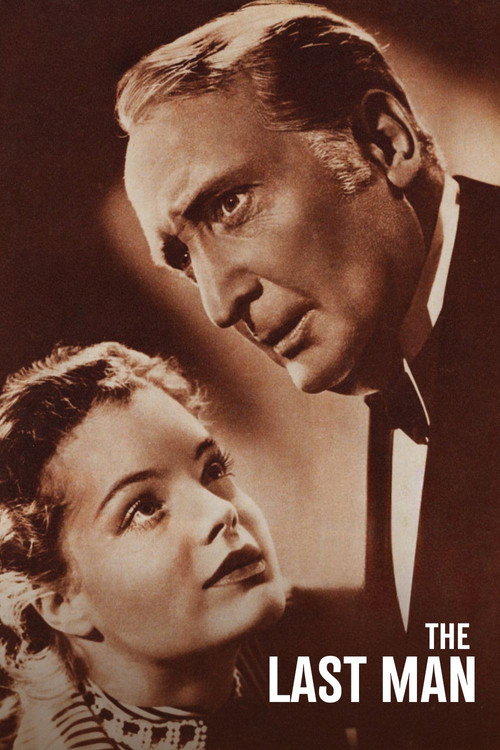
Old Karl Knesebeck has long been head waiter and rules his waiters with an iron fist at the hotel. When the business passes into the hands of the heirs after the owner's death, he's in a difficult position. The unscrupulous Alwin makes advances toward Niddy, the owner's daughter, whose well-being Knesebeck watches over like a father. Alwin demotes the old man to toilet attendant – a tragedy that Knesebeck tries to salvage, especially since Niddy is about to marry Alwin and another man would actually be better for her...
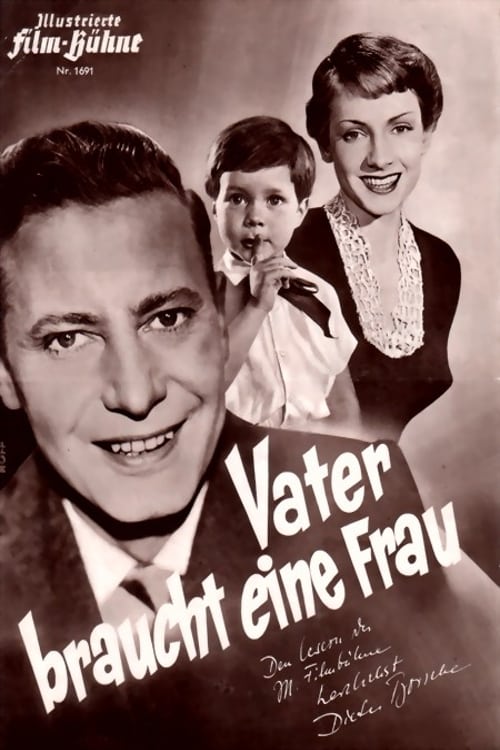
A widowed father advertises for a new maid, but his children secretly seek a woman to be his new wife.
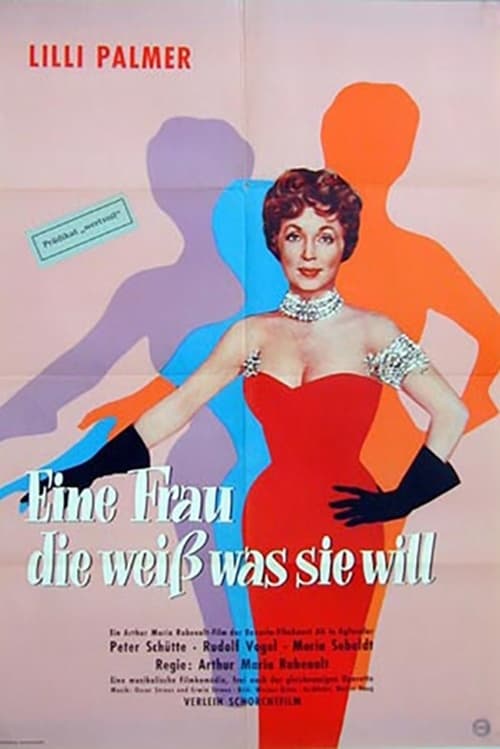
A demure teacher temporarily steps into the shoes of her late grandmother, a celebrated revue singer and socialite from the turn of the century, but ultimately chooses a quiet, domestic life.