Acting
Tatort is a long-running German/Austrian/Swiss crime television series set in various parts of these countries. The show is broadcast on the channels of ARD in Germany, ORF in Austria and SF1 in Switzerland.
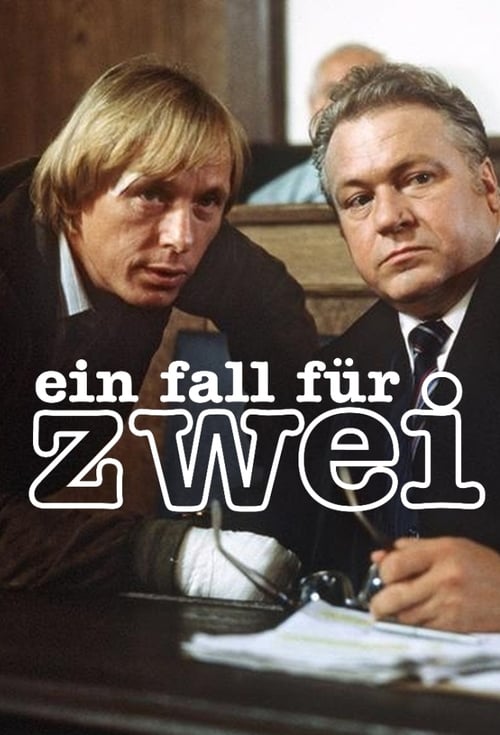
Ein Fall für zwei is a German television series, which premiered on September 11, 1981 on ZDF. The series, located in Frankfurt am Main, features two main characters who solve crimes: a defense attorney and a private investigator. Josef Matula, a former German police officer, has gone into private business. His method of investigation is very effective and direct, and he sometimes even resorts to dirty tricks. Claus Theo Gärtner has portrayed the role since the start of the series.
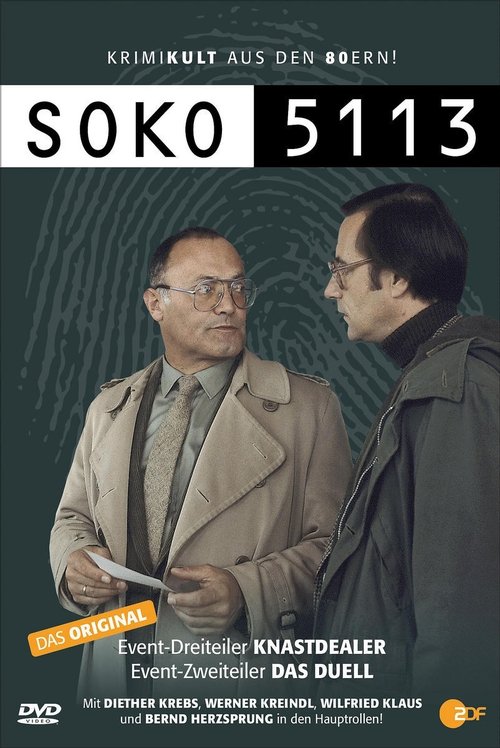
SOKO 5113 is a long-running German police procedural television series. It was first aired in 1978 on 2 January. SOKO is an abbreviation of the term "Sonderkommission" in German.
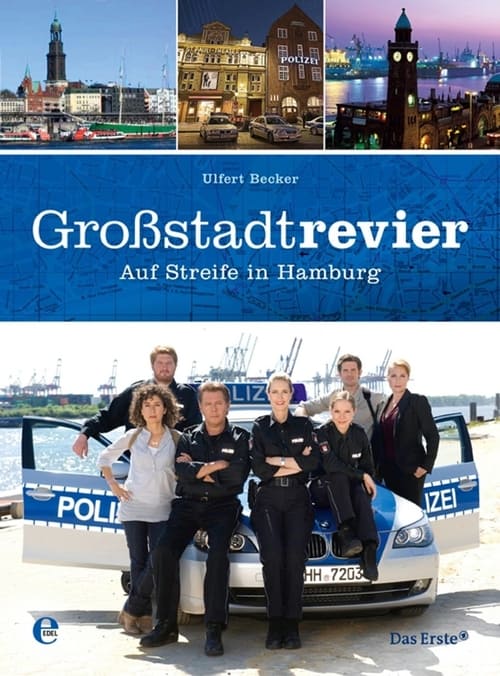
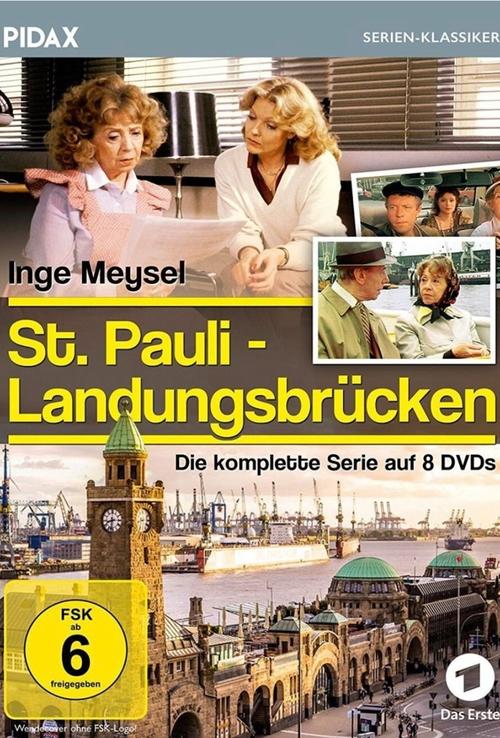
Follow the everyday work of a fictional police station on the Kiez of Hamburg.
Die Pfefferkörner is a German television series produced by Der Kinderkanal. The peppercorns are five friends from Hamburg: Jana Holstein Coutre, Natasha "Tascha" Jaonzäns, Philip "Fiete" Overbeck, Cem Gülec and Vivien "Vivi" Overbeck, Fiete's eight year old sister. After school, the young detectives meet at a high level of a spice warehouse of the company Overbeck & Associates, which belongs to Fiete and Vivi's parents in the first part, but is later given to Fiete and Vivi to look after. Here, in the historic warehouse district, the five friends have their headquarters. With smarts, combined delivery and support of the Internet, they find their cases here. The detectives convict polluters, animal dealers and drug smugglers. They also help each other with personal problems they encounter. Cem has lost his parents in a car accident and sometimes feels sad and lonely. Jana lives with her divorcee mother, a lawyer who is rarely at home. Natasha comes from Latvia. Her parents initially have very strict rules in terms of her education, that make Natasha unhappy. Fiete has problems showing his feelings and hides them behind grumpiness and hostility towards girls, until he falls in love with Natasha. Vivi is suffering from her role of the youngest member of the group. She believes that she must constantly struggle for recognition.
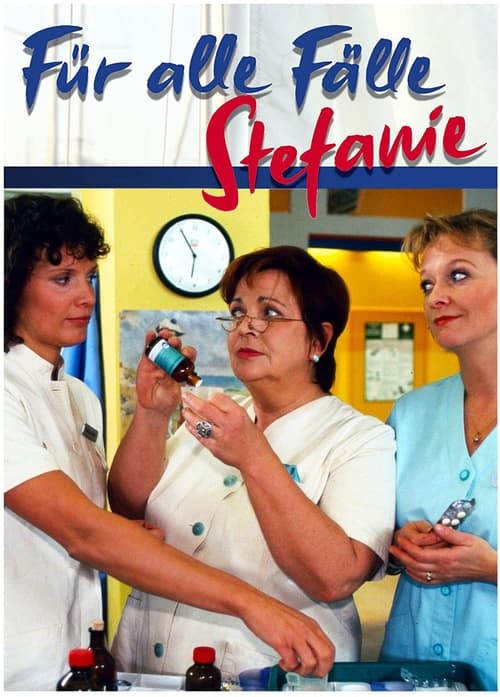
Für alle Fälle Stefanie is an German medical drama television series created by Werner Krämer that aired on Sat.1 from May 15, 2005 to August 29, 2005. It was produced by Novafilm Fernsehproduktion. Für alle Fälle Stefanie follows the professional and personal life of nurse Stefanie Engel, then Stephanie Wilde and for a short time Fanny 'Stephanie' Stephan. The show was a giant success for the network and had around seven, in later years, five million viewers on a weekly basis. It won the Goldene Kamera award in 1997 and the Bavarian TV Award in 1996.
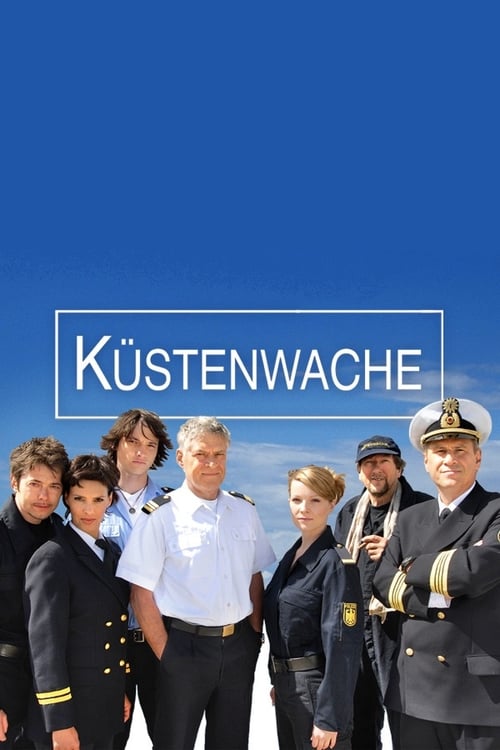
Küstenwache is a German television series that tells the fictionalized adventures of a unit of Federal Coast Guard officers off the German coast of the Baltic Sea.
No description available.
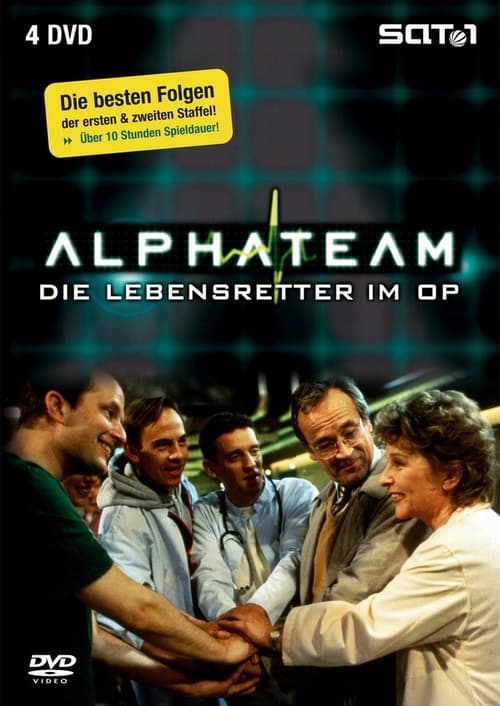
Alphateam – Die Lebensretter im OP was a German hospital drama television series which aired on Sat.1 between 1996 and 2005. The series covered the work of a team of doctors, nurses and caregivers in the fictional Hamburg Hansa Clinic, located in the Altona district.
Dr. Sommerfeld – Neues vom Bülowbogen is a German television series.
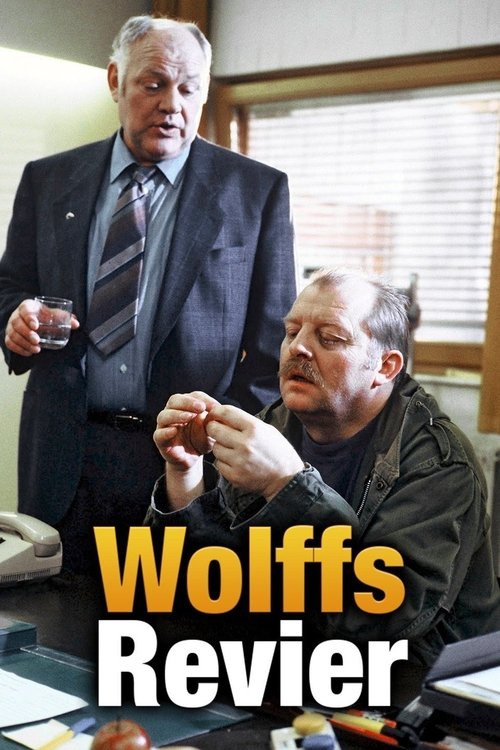
Wolffs Revier is a German television series.
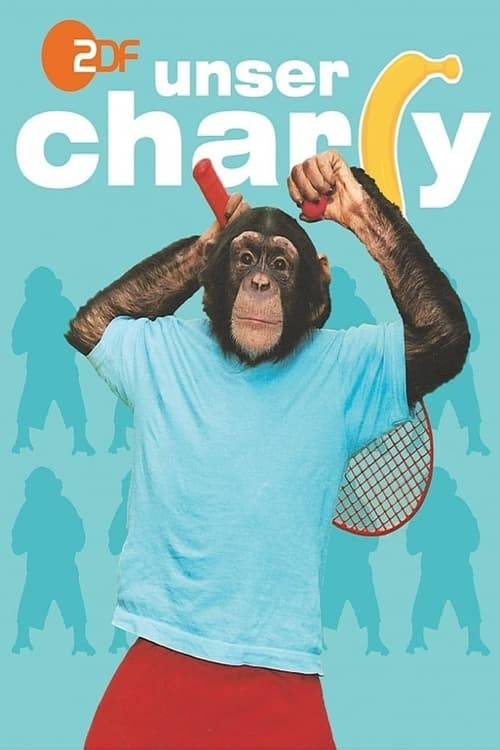
The exciting stories about the cheeky chimpanzee Charly, who finds a new home with a Berlin vet family.
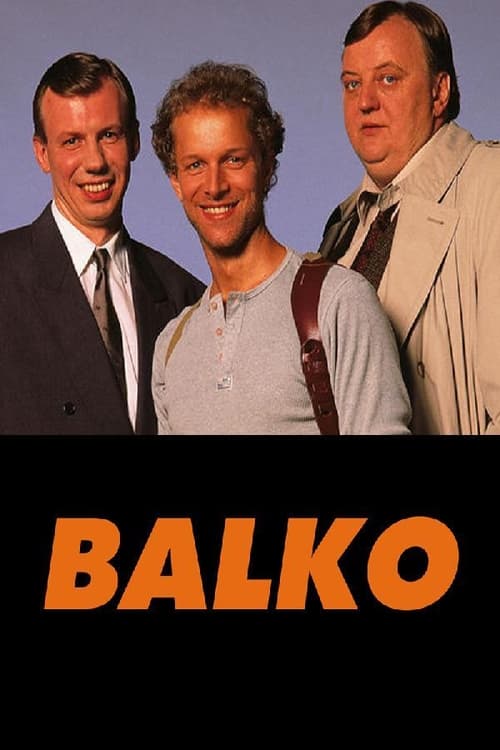
Balko is a German prime time television series broadcast on the private TV channel RTL. It is a police detective story with comical twists featuring two inspectors of the Dortmund police, Balko and his colleague Klaus Krapp. Balko's main characteristics are his coolness and his consistently laid-back appearance, whereas “Krappi” is a typical mama’s boy and very clumsy. The series started in 1995 and has won several television awards.
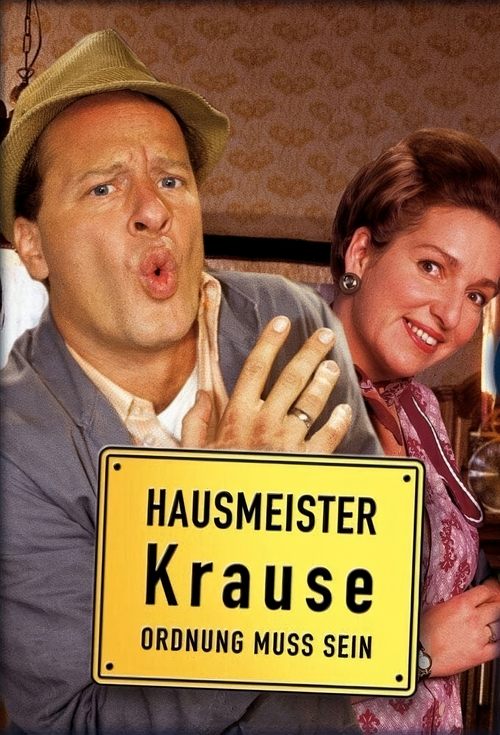
Hausmeister Krause – Ordnung muss sein is a German sitcom with Tom Gerhardt in the title role, shown from 1999 through 2010 on Sat.1. The series parodies typical German "squareness". Half-day janitor Dieter Krause is the embodiment of the German "square"; he is pernickety, blindly follows order, denounces others, is nosy, consistently puts his own interests above all else, acts subservient to his superiors and is brutish and unjust to those he deemes below him. Many plot elements — mishaps, misunderstandings, and frequent cases of mistaken identity — originate from Boulevard theatre. The characters in the series borrow heavily from those in Tom Gerhardt's film Voll normaaal, in many cases sharing names. In Voll normaaal, Tom Gerhardt played the roles of both Dieter and Tommie Krause; in Hausmeister Krause, Tommie was played by Axel Stein. Daughter Carmen is played by Janine Kunze. Other characters from Voll normaaal, such as Tommie's friend Mario, are relegated to the status of background characters. The scope of action also changed.