Acting
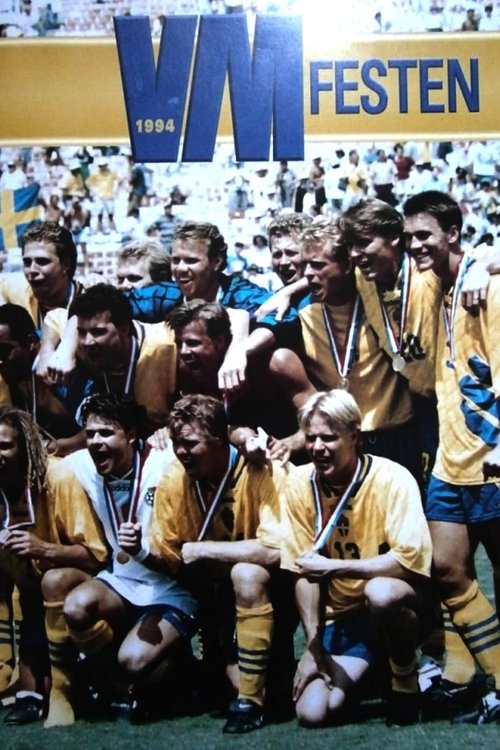
The summer of 1994, with the World Cup in the USA, became an enchanted Swedish football summer. Brolin, Dahlin, Ravelli and all the other bronze heroes created football fever throughout the country, and were celebrated at their homecoming by 50,000 people in Rålambshovsparken.
Pablo Escobar was the richest, most powerful drug kingpin in the world, ruling the Medellin Cartel with an iron fist. Andres Escobar was the biggest soccer star in Colombia. The two were not related, but their fates were inextricably-and fatally-intertwined. Pablo's drug money had turned Andres' national team into South American champions, favored to win the 1994 World Cup in Los Angeles. It was there, in a game against the U.S., that Andres committed one of the most shocking mistakes in soccer history, scoring an "own goal" that eliminated his team from the competition and ultimately cost him his life. The Two Escobars is a riveting examination of the intersection of sports, crime, and politics.
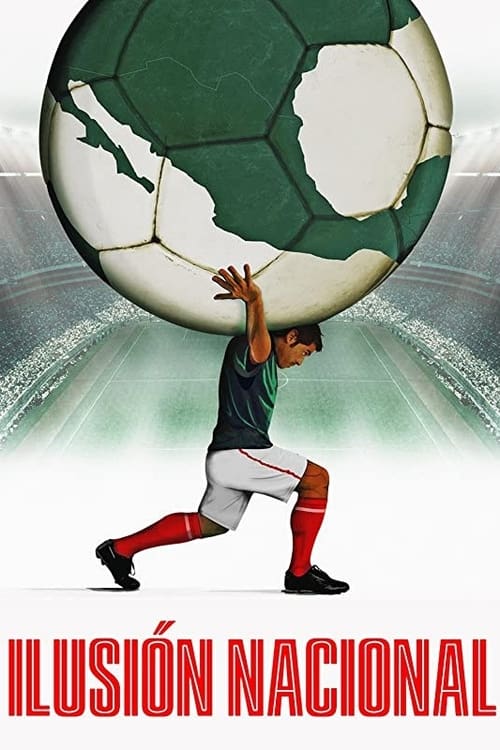
A sport like football is primarily a passionate celebration, but one that is so massive (economically, politically and socially) that it, of course, also brings many problems. Olallo Rubio's third documentary (and fourth film in total), Ilusión Nacional, is a take on how the world's most popular sport relates to Mexican society and politics.