Acting
No description available.
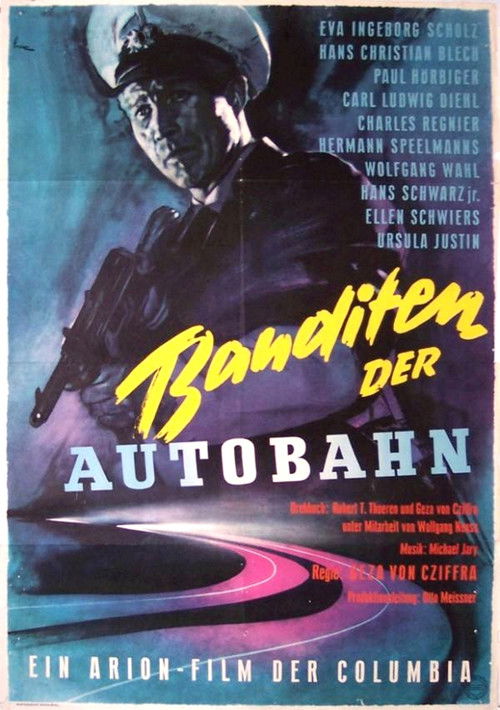
The film is based on a true story, concerning a series of robberies on the highways of Germany. At the time of the actual events, there was a controversy over whether or not highway patrolmen should be given permission to use firearms against perpetrators.
In the summer of 1946, a group of young people meet on the banks of the Weser; together they take a boat to Bremen. Their experiences and conversations reflect the mindset of a youth uprooted by war and collapse, yet lead to the realization that one should not simply drift along.
The successful writer Erich Eckberg lives with his wife Sigrid and their three children -- the twins, Knut and Michael and the daughter Gabriel -- on their estate "Sophienlund". On their sons' 21st birthday, Eckberg tells them the great family secret: Knut and Michael aren't his children (happy birthday, kids ... oh! and did I mention Santa Claus doesn't exist either?). But thankfully, the news gets better: their real mother died giving birth to them (guilt trip ... guilt trip!) and the Eckbergs decided to adopt the boys and bring them up in a proper family (no doubt so they could shatter their lives with this tale on their 21st birthday). But hey: it made everyone forget about the War going on outside the theatre, right?
A car tells its story and the story of its seven owners during the years of the Third Reich.
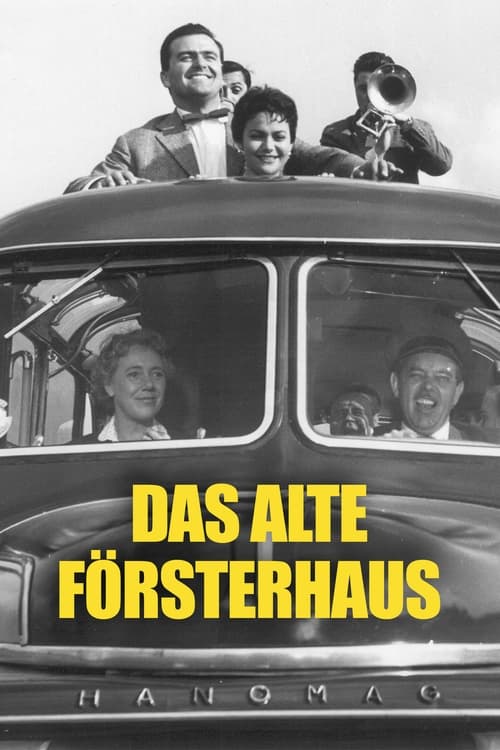
For many years, Ulrich, the hereditary forester, and Steinbach, the landowner, were the best of friends. But one day, this friendship is put to a severe test: Driven by financial need, Steinbach wants to have the forest cleared, which Ulrich condemns as brutal exploitation of nature – and therefore refuses to grant permission for the project. To clear the way for his plan, Steinbach ensures that Ulrich is dismissed as forester. When, a few days later, the dam built by Steinbach is blown up and the floodwaters inundate Steinbach's sawmill, suspicion immediately falls on Ulrich. The hereditary forester is ostracized, threatened, and even fears for his life.
The friends Jochen and Gerd both work at the fashion boutique "Saxonia", which has only recently designed a new collection. Therefore, Jochen and Gerd are shocked when they meet two young ladies during their well-deserved holiday who are already dressed in two of the new pieces. And as if that was not enough, they pass the creations off as their own, even though they are employed at the competing company "Berolina". Naturally, the two men refuse to let the matter rest, although they do not actually want to raise a quarrel with the pretty ladies. After some turbulent entanglements they become aware of the foolishness of their squabbling and, eventually, the four of them present the disputed designs as a co-production at the fashion fair in Leipzig.
"Kidnapper wanted – minimum age 45. Beauty not required!" – so reads the less-than-flattering text of an advertisement on which brothers Achim, Gerd, and Rolf Terbrügge are pinning all their hopes. The three bachelors have a nephew named Till whom they need to look after. It wasn't that the five-year-old had scared off all the previous girls who had looked after him – the problem lay more in the nature of the three brothers themselves! As soon as one of the young women arrived, she was usually very pretty and immediately sparked rivalry among the unmarried men. This couldn't end well. But now they've found a suitable candidate: her name is Luise Mehlhorn, and she certainly doesn't fit the conventional definition of beauty. The Terbrügges immediately accept her offer. But then there's a problem: Luise is in bed with mumps and a high fever and can't start the position right away.
Otto Friedrich Dennert is a celebrated veteran of the Essen police force. While investigating a series of killings of women he reaches retirement age. The case is taken over by a new team, including Dennert's son Harry. Convinced that they have arrested the wrong person, Dennert begins investigating by himself with assistance from the criminal underworld.
This is the directorial debut of Artur Pohl and tells the story of war refugees as they try to settle in a small town in Germany.
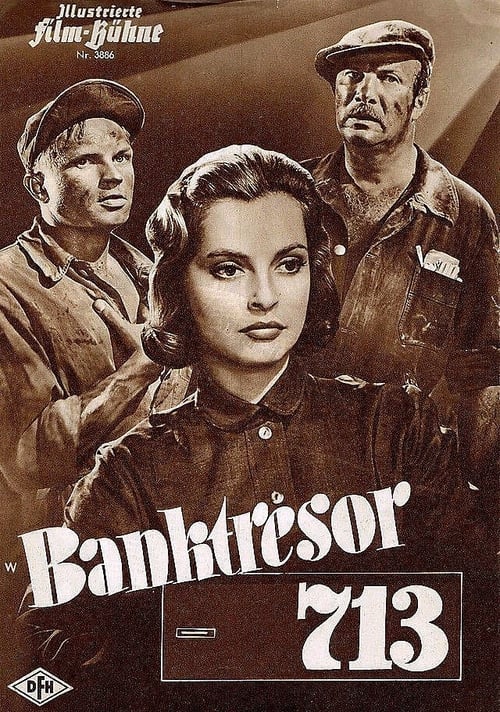
A man is unable to find a job. In his desperation, he plans to rob a bank together with a friend who works in a petrol station and feels tempted by the possibility of getting rich. Two different motivations drive these two good men into an immoral situation.
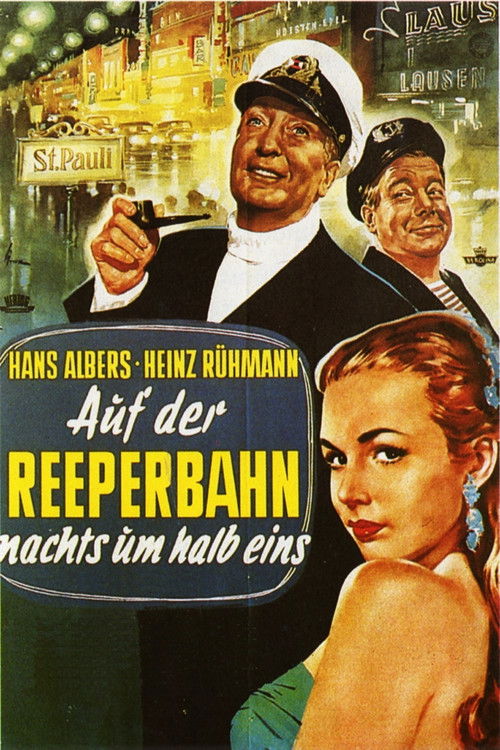
After many years on the oceans, sailor Hannes Wedderkamp has finally returned to Hamburg. On St. Pauli, Hannes sings songs from the sea in the hippodrome of his best friend Pitter Breuer on the Reeperbahn with the "Quetschkommode" songs and cares for the audience.
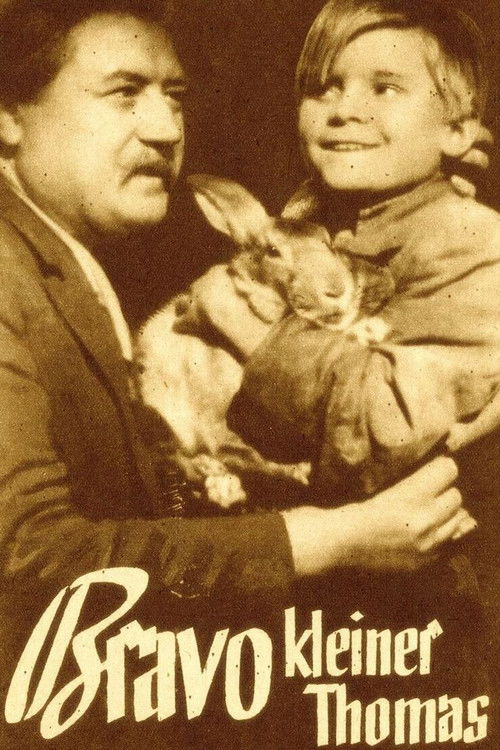
Thomas always seems to have bad luck until he is celebrated as a hero after rescuing little Monika from drowning. After the fanfare subsides, he immediately falls back into his old role as a constantly unlucky person.
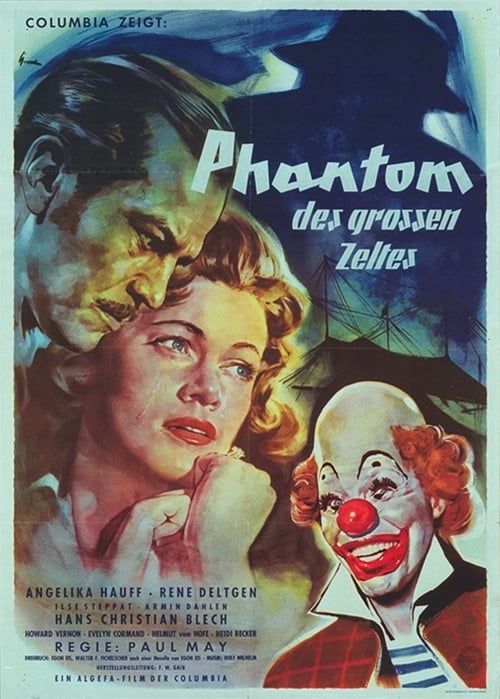
Mr. Rossi and Mr. Capelli, co-owners of a successful traveling circus, have a rivalry over the affections of the lovely Dolores. That's all settled after Rossi is mauled to death by a lion. Years later a series of accidents, attacks and mysterious deaths plague the circus.
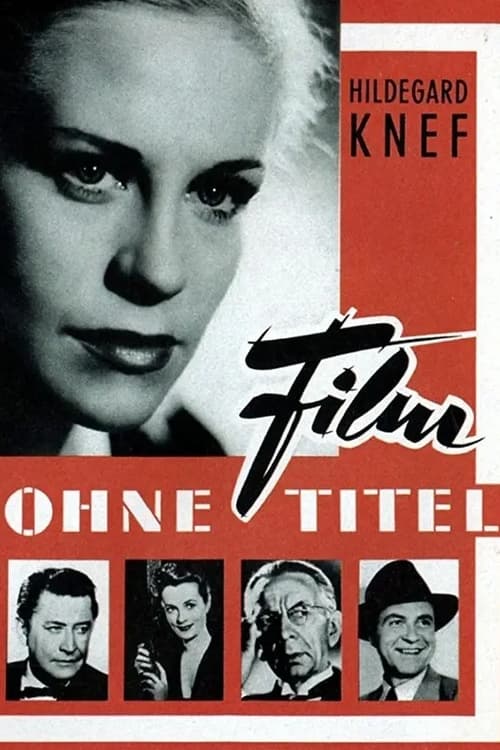
A screenwriter comes up with a story about an affair between a maid and her employer.