Acting
Tatort is a long-running German/Austrian/Swiss crime television series set in various parts of these countries. The show is broadcast on the channels of ARD in Germany, ORF in Austria and SF1 in Switzerland.
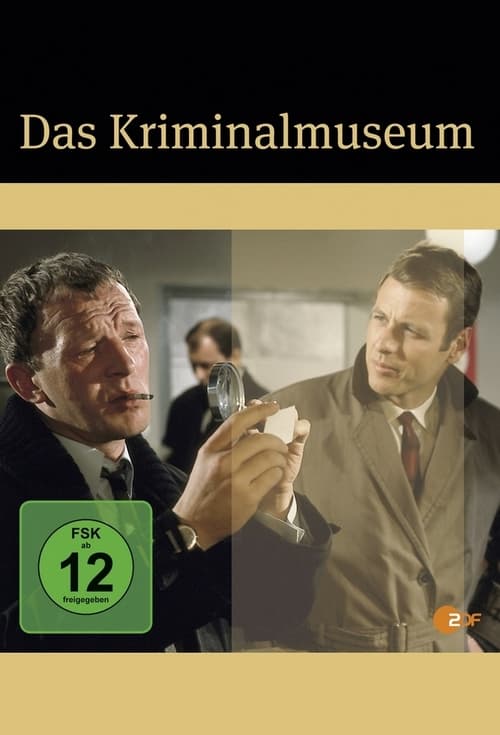
Das Kriminalmuseum was a German television series. It ran from 1963 to 1970 on ZDF and was one of its first programs. Each episode began with a tracking shot through an unspecified crime museum, stopping at one of the displays, whose story was then told. Each episode was between 60 and 75 minutes long and featured different actors as the criminal commissioner. The best known was Erik Ode, who in 1969 moved to Der Kommissar, appearing in 97 episodes. The theme music of the series was written by German composer Martin Böttcher, who also composed the complete scores for five episodes.
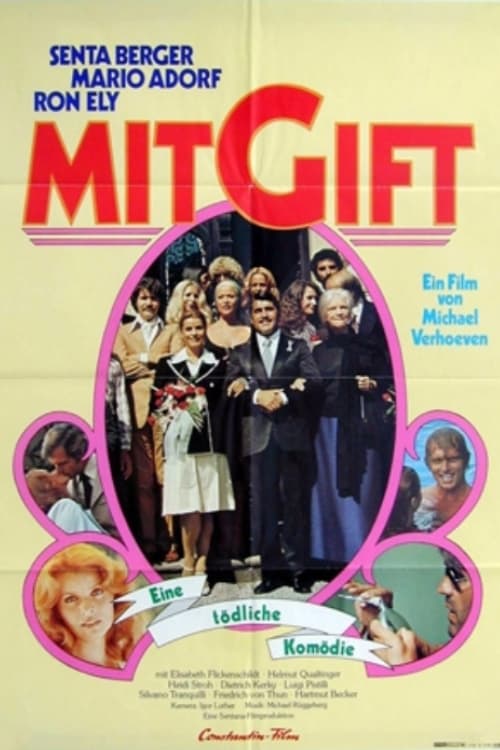
Edgar Burgman, after collaborating to assassinate the elder senator husband of Alice Young, the wife remarried. The woman, after a short period, doubts of love Edgar and convinces more and more that, having married out of interest, now wants to eliminate the possession of his great assets.
Early Austrian avant-garde film about a triangle relationship between a passionate artist, a repressive artistic manager and the woman in both of their lives.
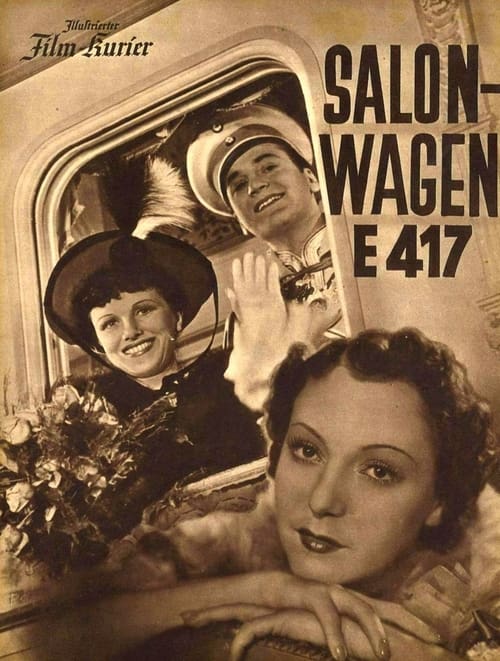
In a transport museum, the items on display begin to tell their stories. Most interesting is the history of the Pullman car. In the beginning, it served as transport for a princely family; then became the headquarters car for the military high command; and then, most adventurous of all, it ended up with a circus. Converted to a bar, it finally had its day and was supposed to serve as a placard carrier. Luckily, the museum saved it from this sad fate.
No description available.
An adaptation of the play by August Strindberg. An egocentric artillery Captain and his venomous wife battle on their isolated island fortress. Alice, a former actress, reveals their marriage’s hell on their 25th anniversary. Edgar, an aging schizophrenic, struggles with his illness and arrogance. Fearing Alice and her cousin Kurt may ally against him, he retaliates. Alice lures Kurt into a plot to destroy Edgar.
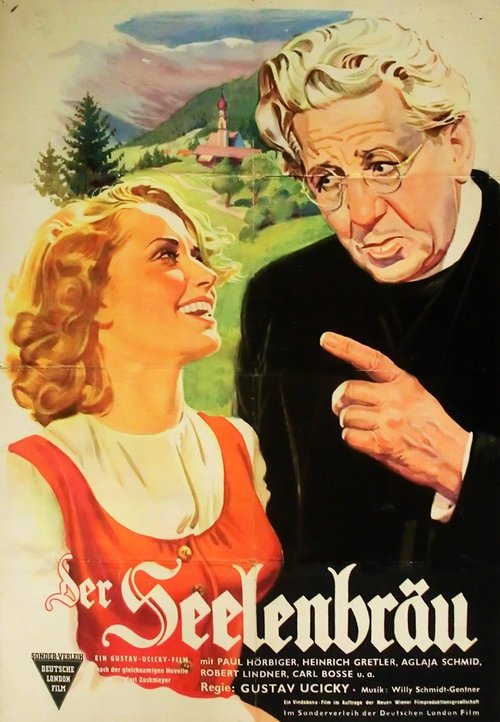
In Alt-Köstendorf in the Salzburg region, the dean, known as Seelenbräu, and the brewer Hochleithner, known in the village as Leibesbräu, are fighting for supremacy. As their nicknames suggest, Leibesbräu is primarily concerned with the physical well-being of the villagers, while Seelenbräu cares deeply about the faith of his congregation. This leads to repeated clashes between the two men, who could perhaps be described as stubborn. When Hochleitner's niece Clementine leaves the convent and wants to stay at home, a new dispute flares up between Seelenbräu and Leibesbräu.
"Kidnapper wanted – minimum age 45. Beauty not required!" – so reads the less-than-flattering text of an advertisement on which brothers Achim, Gerd, and Rolf Terbrügge are pinning all their hopes. The three bachelors have a nephew named Till whom they need to look after. It wasn't that the five-year-old had scared off all the previous girls who had looked after him – the problem lay more in the nature of the three brothers themselves! As soon as one of the young women arrived, she was usually very pretty and immediately sparked rivalry among the unmarried men. This couldn't end well. But now they've found a suitable candidate: her name is Luise Mehlhorn, and she certainly doesn't fit the conventional definition of beauty. The Terbrügges immediately accept her offer. But then there's a problem: Luise is in bed with mumps and a high fever and can't start the position right away.
After many years away, development aid worker Peter Kessel returns to his home town of Gutenbach in 1982. He is astonished to discover that a lot has changed there. Cashless payments are used everywhere and facilities such as screen journals and video telephones have become a matter of course. Kessel tries to adapt to the changed circumstances and encounters difficulties in the process.
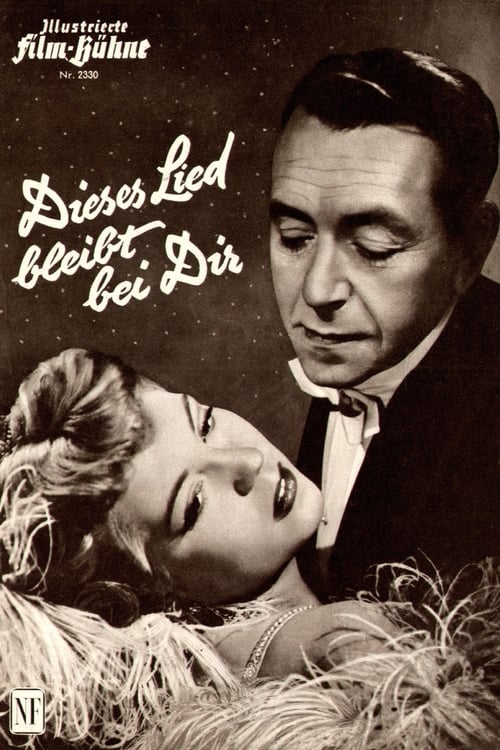
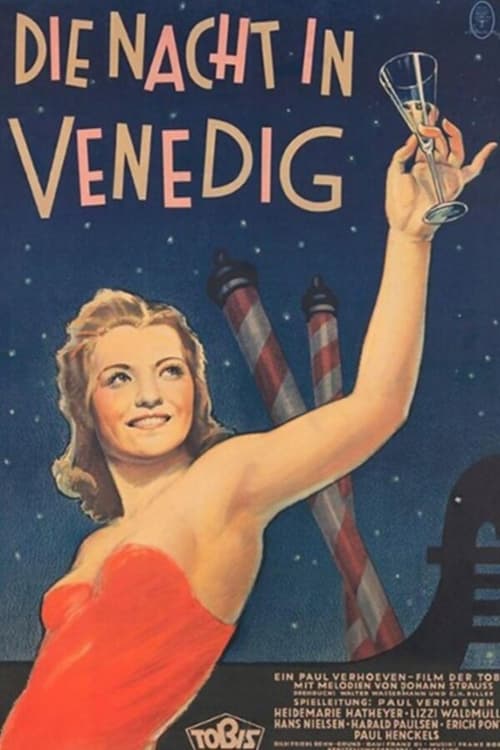
The marriage of the celebrated operetta diva Vilma and the chamber singer Peter has come to an end. Peter, however, is intent on winning back his now ex-wife. So he’s come up with the idea of a guest performance in Venice, where the two will both appear. Vilma, however, has already found a new man – Niki. He’s a salesman and she wants to marry him. With the help of Annemarie, a friend, who has won a trip to Venice, Peter succeeds in diverting Niki, for he falls in love with Annemarie. Now the way is free for Peter to win back the ex-wife, who couldn’t care if he lived in a hole six feet underground.
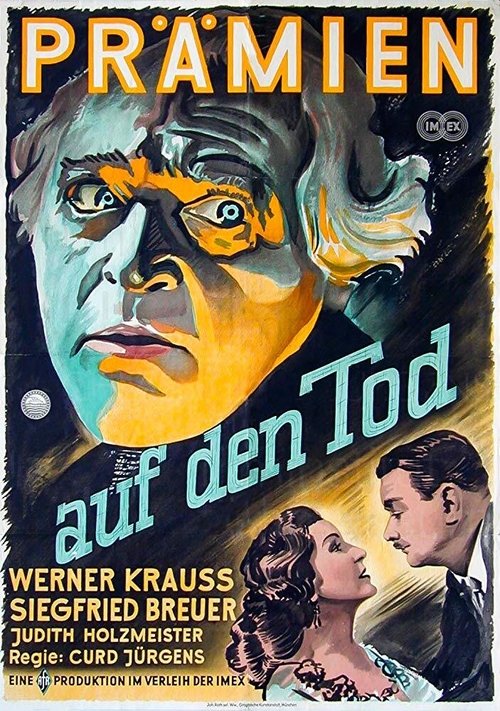
In order to impress a socially superior woman with money, an unsuccessful insurance agent commits sophisticated fraud: he concludes contracts with fictitious people and collects the insurance sums after their "death". However, his first fictional persona is his downfall.
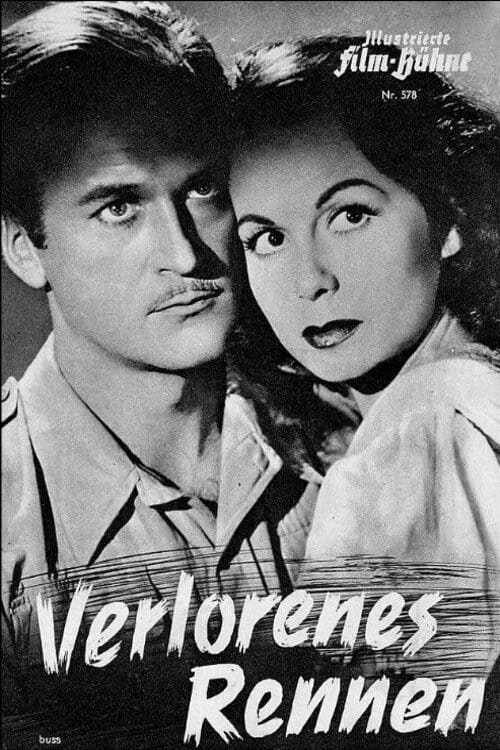
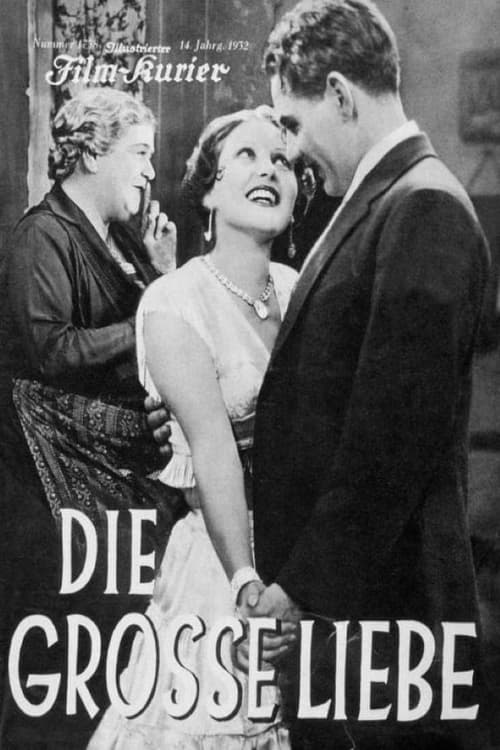
Ten years after the end of World War I, Austrian soldier Franz leaves Russia and returns to his village, where he is reunited with Frieda, a woman who believes he is her long-lost son. She seeks him out and greets him with such loving joy, that Franz doesn't have the heart to tell her the truth. He stays with her and when he gets to know his new girlfriend Annie, he begs her to hide his true identity from Annie. Annie, for her part, has seen through this charade already, but chooses to say nothing and to continue to care for Franz.
Penniless Peter Schild looks for work when arrived in Germany. Working as a private eye he has to observe a young lady who is willing to marry an unemployed actor against the will of her parents.
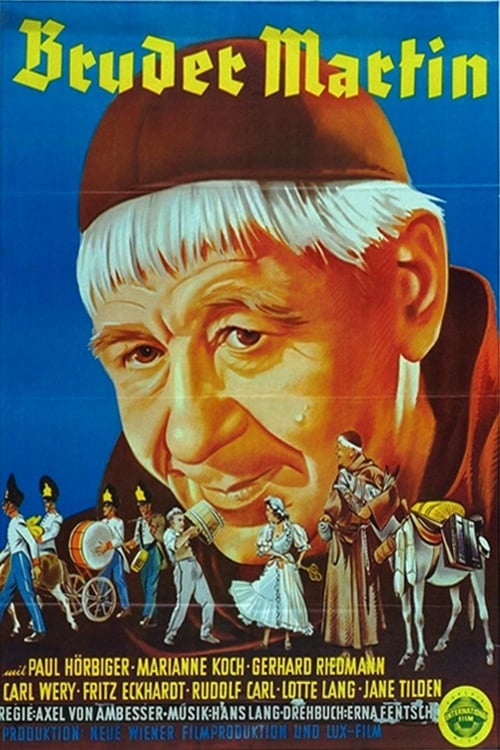
Brother Martin is a creative, unusual, and understanding member of the order. He loves using unusual methods to raise money for the poor. But not everyone likes this. Finally, his opponents manage to have him placed under house arrest, but that's precisely when everyone needs his help. He tries to escape in order to offer advice and support to little Lena, the pretty Rosl, and the tailor Würmerl. But escaping isn't so easy, as he's trying to make two marriages and mend one...