Camera
Tatort is a long-running German/Austrian/Swiss crime television series set in various parts of these countries. The show is broadcast on the channels of ARD in Germany, ORF in Austria and SF1 in Switzerland.
No description available.
Polizeiruf 110 is a long-running German language detective television series. The first episode was broadcast 27 June 1971 in the German Democratic Republic, and after the dissolution of Fernsehen der DDR the series was picked up by ARD. It was originally created as a counterpart to the West German series Tatort, and quickly became a public favorite.
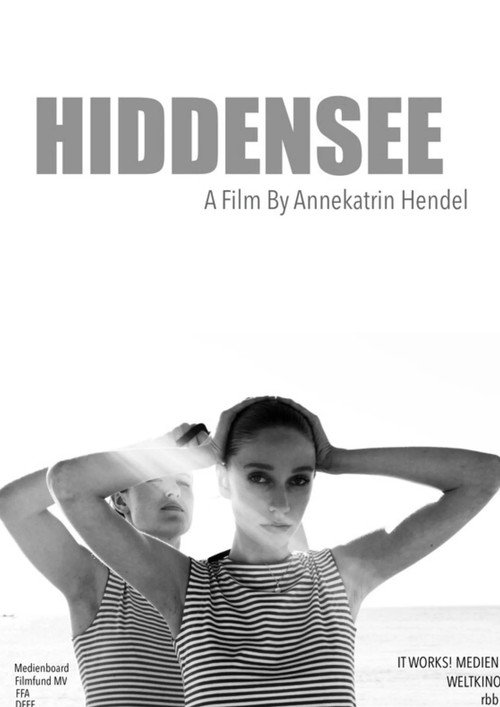
Hiddensee in the Baltic Sea has always been a place where people have sought freedom. This film takes us on a journey through an entire century, starting in the golden 1920s, as it assembles the island’s scenery, history, and personal stories into a fascinating portrait. Then as now, the political upheavals that have swept across Germany have left their mark.
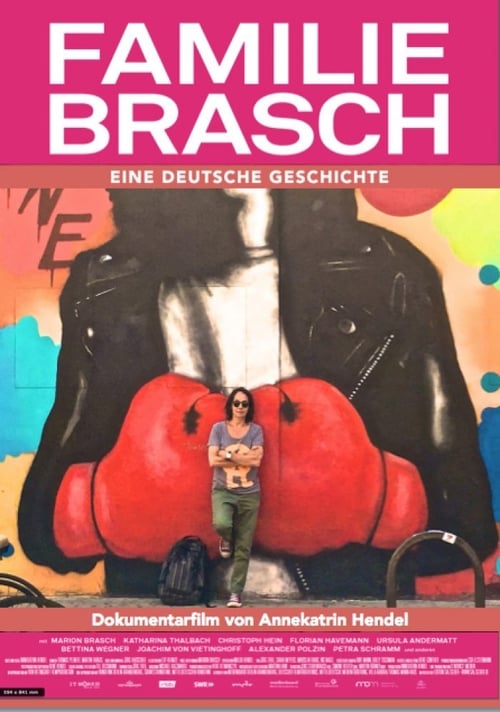
Director Annekatrin Hendel delivers a portrait of three generations of Brasches as a microcosm of societal tensions being carried out on a large scale — between East and West, art and politics, communism and religion, love and betrayal, utopia and self-destruction.
Sven Marquardt might be the most famous bouncer worldwide. But beside standing in front of the legendary techno club Berghain in Berlin, he is also a well-known and skilled photographer. Long before the Berlin Wall came down, Marquardt portrayed the subcultural East-Berlin scene. His black and white photography illustrates it as voluptuous, laid-back, dirty and existential. Even if shot by daylight, his work is permeated by darkness, ecstasy and night.
Katharina and Hektor who used to be married ten years ago meet again after their daughter Lilith is suspected of serial burglary.
A collage of memories, fictional stories, biographies, dreams and missed opportunities, which in their entirety represent the idea of Munich.
The leitmotif for this film portrait is Oliver Storz’s autobiographical novel Die Freibadclique, which tells the story of a group of friends drafted into the army as fifteen-year-olds just before the end of the Second World War. Again and again, Dominik Graf reads passages from this account and, by juxtaposing them with clips from Storz’s films, reveals the echoes of the past they contain. Whether in his more experimental television plays or his Willy Brandt film "Im Schatten der Macht", Storz always provided new perspectives on the war and on Germany itself. Via a series of personal interviews Graf held with the journalist, director and producer shortly before the latter’s death in summer 2011, we are introduced to an analytical, unconventional man who witnessed the course of history. Graf takes up Storz’s reflections in his commentary, throwing light on an unexpected history of German television.
Marianne and Günter, a married couple in their seventies, have completely forgotten why they once fell in love with each other. On their wedding day, they want to get their memories back using a supposed "miracle pill" against forgetfulness.
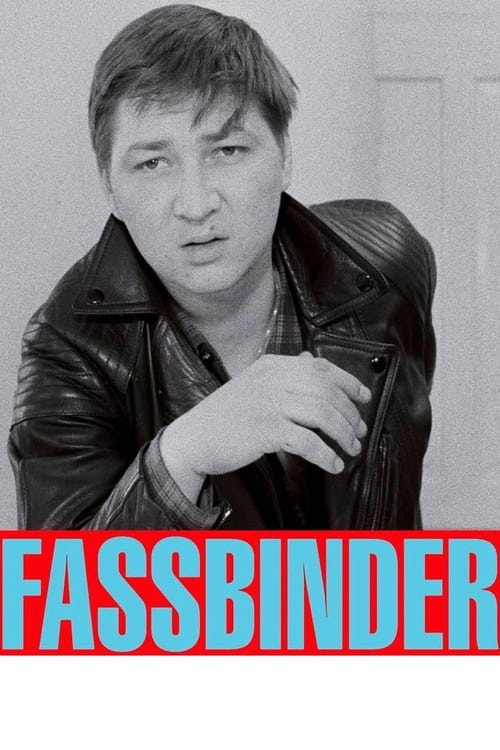
A film portrait of the influential Bavarian actor, director, and screenwriter who publicly confessed his homosexuality, which chronologically covers all the important stages from Action-Theater to the director's early death, supplemented with anecdotes.
After an argument with her parents, Sophie gets involved in an affair with her neighbor Max. When her mother meets Max during a reconciliation visit, the lives of everyone involved take a dramatic turn...
It's his last chance to get back on his feet. And so Philipp Keyser knows no scruples as he approaches the young painter Alma, to find a lost painting, which is in the possession of a mysterious old man. Too late, Philip is clear that he expires more and more the young woman. In the main roles of Dominik Graf's film "In the evening of all days" Friedrich Mücke and the great theater actor and narrator Ernst Jacobi are to be experienced.
A behind the scenes look into the making of resident evil where the cast and crew breaks down the process.
Comedy tells the story of an Afro-German punk who starts working as a presenter on a teleshopping channel in order to save the trailer park where she lives with her community.
She is the grande dame of German and international cinema, always a bit of a rocker chick, freedom-loving, adventurous and willing to take risks. This portrait unfolds Iris Berben's career, which has spanned more than five decades - between the art of film and television, between rock 'n' roll and political commitment.
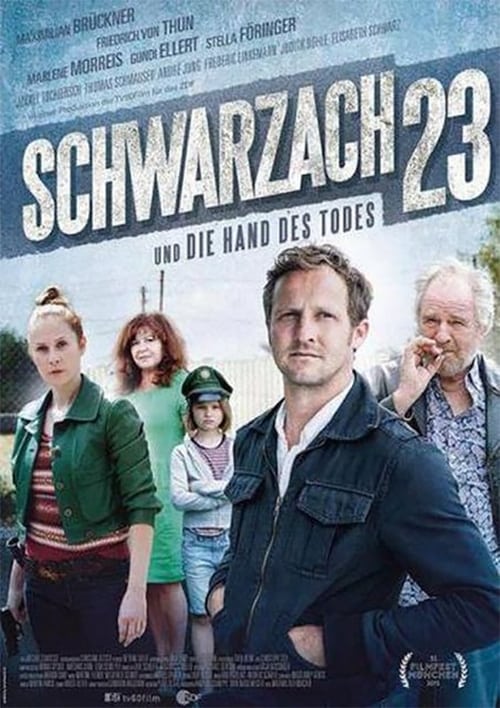
As a junk dealer Anton is found dead, a case develops in which each of the Germingers is involved: the law-abiding Commissioner Franz Junior, his rebellious sister Anna, ex-policeman Franz Germinger senior and his wife Erika. Who could have wanted Anton? Commissioner Franz Germinger Junior first taps in the dark. His sister Anna is sometimes ahead of him in some situations, which may be because she likes to exceed her competencies. Even more annoying the junior but his father Franz Germinger senior, who can not refrain from finding.
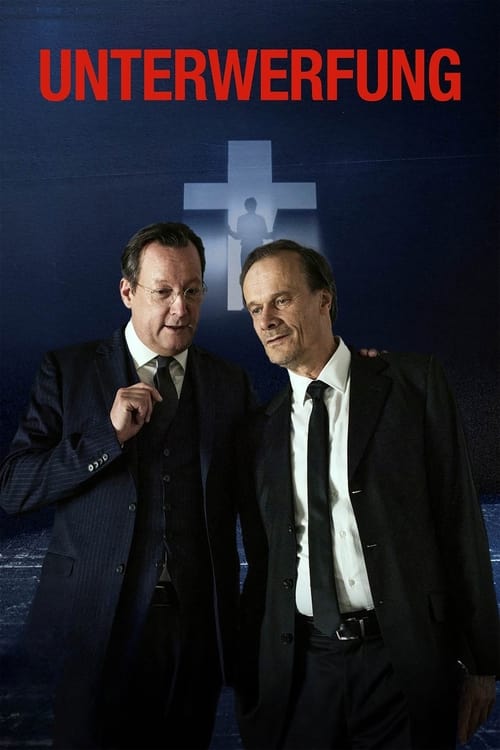
François is a literary scholar and drinker. His relationships with women are limited to one year, his life is sufficiently happy. Until the day when charismatic Muslim politician Mohamed Ben Abbes becomes president in France, introduces patriarchy and polygamy and loses his job. In his growing loneliness, Rector Rediger's offer to resume his teaching at the Sorbonne reaches him on one condition: he must convert to Islam.
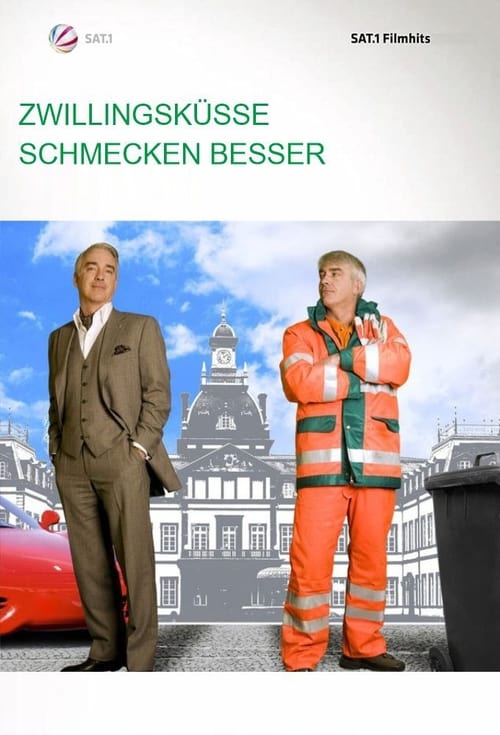
By pure coincidence, the millionaire Maximilian met a doppelganger who a little later turned out to be his twin brother Lukas.