Acting
Tatort is a long-running German/Austrian/Swiss crime television series set in various parts of these countries. The show is broadcast on the channels of ARD in Germany, ORF in Austria and SF1 in Switzerland.
Polizeiruf 110 is a long-running German language detective television series. The first episode was broadcast 27 June 1971 in the German Democratic Republic, and after the dissolution of Fernsehen der DDR the series was picked up by ARD. It was originally created as a counterpart to the West German series Tatort, and quickly became a public favorite.
No description available.
Annual awarding of the Grimme Awards.
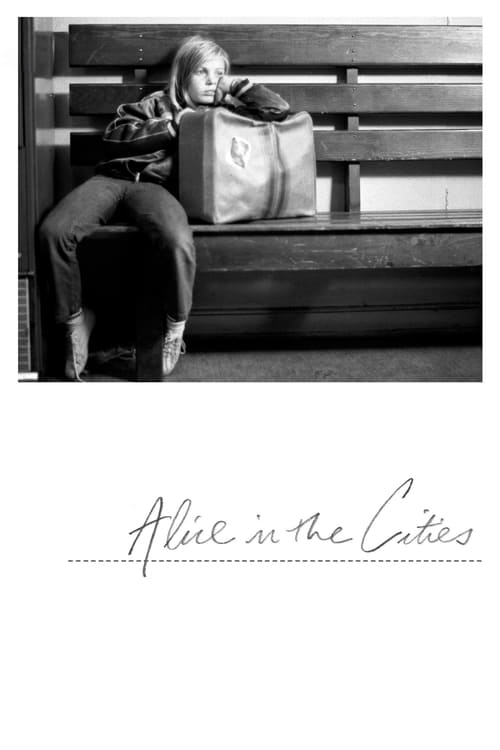
German journalist Philip Winter has a case of writer’s block when trying to write an article about the United States. He decides to return to Germany, and while trying to book a flight, encounters a German woman and her nine year old daughter Alice doing the same. The three become friends (almost out of necessity) and while the mother asks Winter to mind Alice temporarily, it quickly becomes apparent that Alice will be his responsibility for longer than he expected.
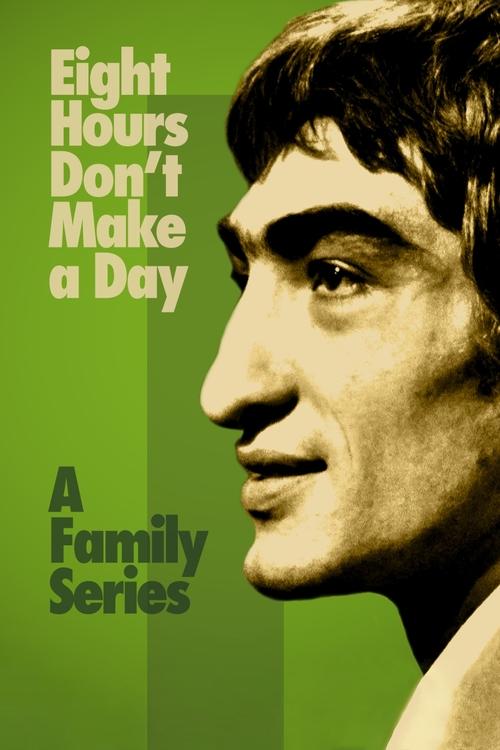
The sprawling story of the everyday triumphs and travails of the young toolmaker Jochen and many of the people populating his world, including the woman he loves, his eccentric family, and his colleagues, with whom he bands together to improve conditions on the factory floor.
Es muss nicht immer Kaviar sein is a TV adaption of a novel of the same name by Austrian author Johannes Mario Simmel. Directed by Thomas Engel Siegfried Rauch walks in the footsteps of O. W. Fischer who played the protagonist "Thomas Lieven" already in 1961, just one year after the bestseller had been released. The series is unique for providing a little cooking show at the end of each episode. The book also includes recipes because "Thomas Lieven" is an accomplished amateur cook.
A group of young slackers spend most of their time hanging out in front of a Munich apartment building. When a Greek immigrant named Jorgos moves in, however, their aimless lives are shaken up. Soon, new tensions arise both within the group and with Jorgos.
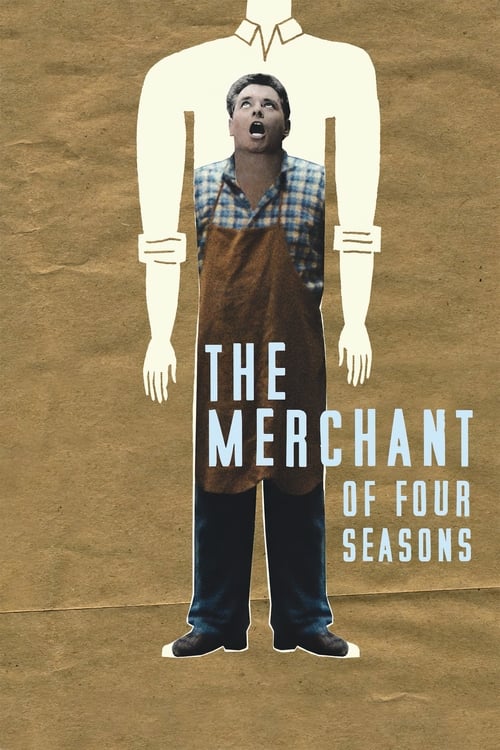
Hans is a street fruit peddler and born loser. His choice of career upsets his bourgeois family, causing him to turn to drinking and violence. After recovering from a debilitating heart attack, his business finally begins to take off. However, the more he becomes a credit to his family, the more depressed he becomes.
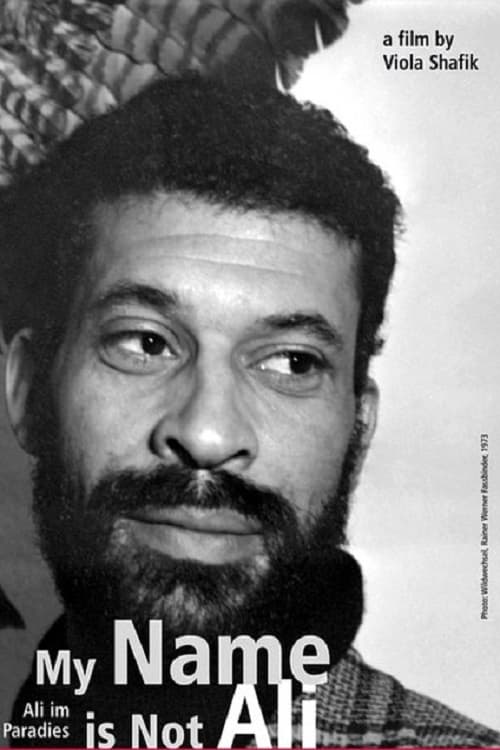
Travelling between Germany, France, and Tunisia, Viola Shafik reconstructs and deconstructs the unknown life story of El Hedi Ben Salem through interviews with his companions and family members as well as archival material. With openness and slight naivety, the interviewees explain how “Ali” became an oriental object of projection for the Fassbinder group, while El Hedi Ben Salem, the human being, was overlooked in order to establish the foreigner as “other.” A no-frills examination of a piece of German and Munich film history.
Small-time pimp Franz is torn between his mistress and Bruno, the gangster sent after him by a shady crime syndicate he has refused to join.
People meet and chat at Ridolfo's Coffeehouse; the conversations are mostly about money, but also about feelings, ideals, friendship, love, fidelity and respectability.
A German serial killer preys on boys and young men during the so-called years of crisis between the wars. Based on the true story of Fritz Haarmann, aka the Butcher of Hanover and the Vampire of Hanover.
Documentary about the making of Rainer Werner Fassbinder's 1972 German television series EIGHT HOURS DON'T MAKE A DAY, featuring interviews with actors Hanna Schygulla, Irm Hermann, Wolfgang Schenck, and Hans Hirschmüller.
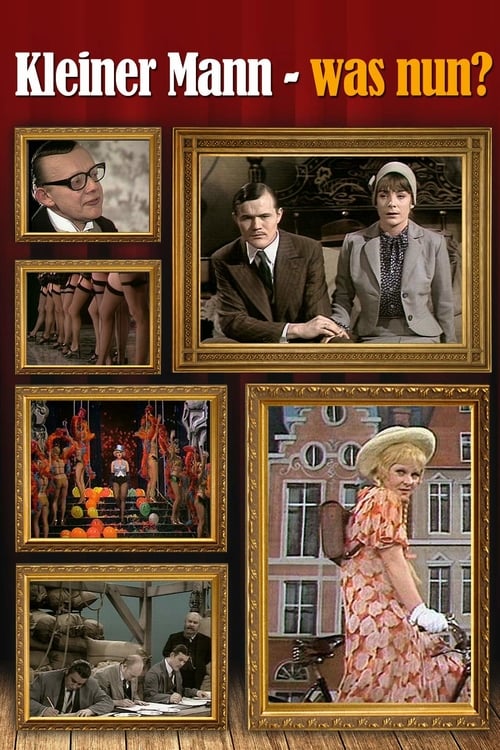
Emma Morschel, known as Lämmchen, is expecting a child. So she marries her boyfriend, Johannes Pinneberg. The young marriage gets off to a rocky start: Lämmchen's parents, class-conscious workers, are opposed to their daughter marrying the lowly clerk.
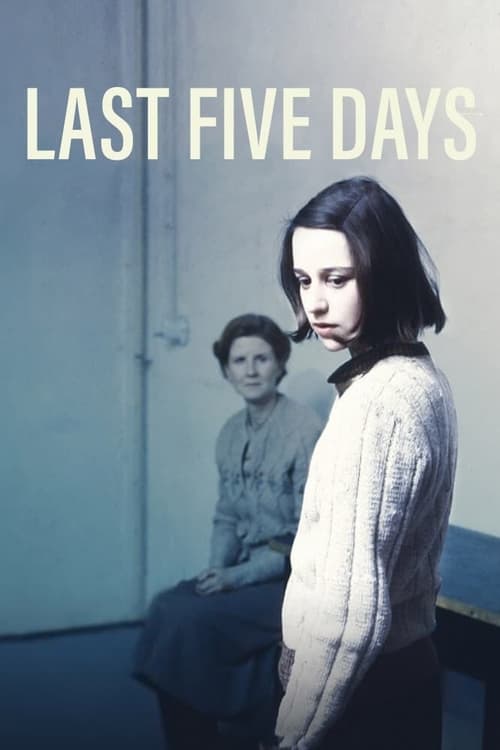
At Gestapo head quarters a young woman establishes a relationship with another inmate. This young woman is Sophie Scholl who tells the story of her life and of her resistance movement′s courageous fight against Hitler′s Nazi regime.
A pregnant woman suffers severe head trauma in a car accident. The doctors are unable to help her, but at the request of her fiancé, they decide to keep her body functioning artificially in order to save the unborn child. The ethical issues involved in the case trigger fierce public controversy.
Theo Gromberg is a bon vivant, apparently with built-in guarantee to failure. Faithful to his side is his friend Enno, an Italian guest workers. Both have a dream: to which they want to get into the trucking business its own trucks.