Acting
Tatort is a long-running German/Austrian/Swiss crime television series set in various parts of these countries. The show is broadcast on the channels of ARD in Germany, ORF in Austria and SF1 in Switzerland.
A police department, lead by an older, experienced detective solve crimes together.
The Harald Schmidt Show is a German late night talk show hosted on Sky Deutschland by comedian Harald Schmidt. The show first aired from 5 December 1995 to 23 December 2003 on Sat.1. Schmidt then moved his show to Das Erste as Harald Schmidt and Schmidt & Pocher, but he returned to Sat.1 on 13 September 2011. After cancellation on Sat.1, the show continued on Sky Deutschland in September 2012.
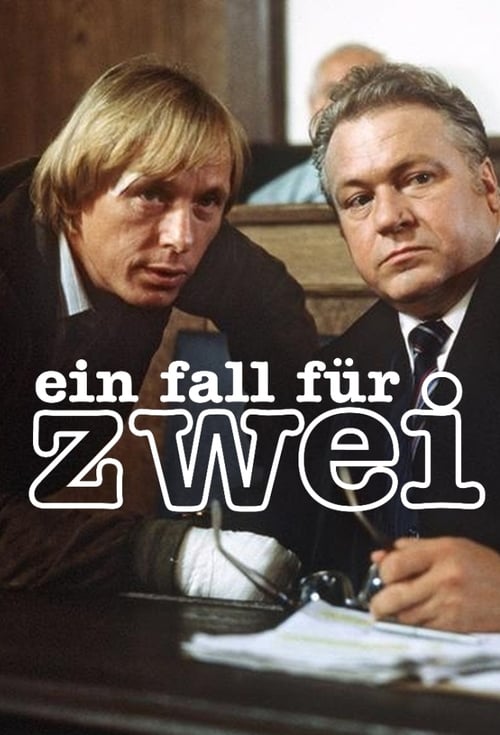
Ein Fall für zwei is a German television series, which premiered on September 11, 1981 on ZDF. The series, located in Frankfurt am Main, features two main characters who solve crimes: a defense attorney and a private investigator. Josef Matula, a former German police officer, has gone into private business. His method of investigation is very effective and direct, and he sometimes even resorts to dirty tricks. Claus Theo Gärtner has portrayed the role since the start of the series.
No description available.
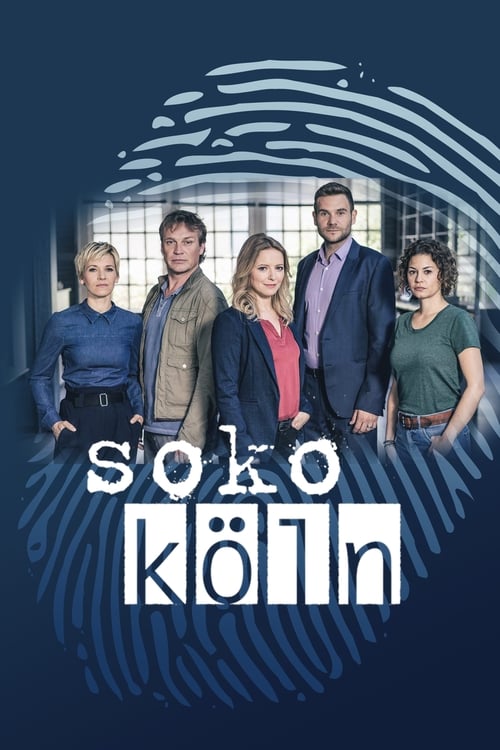
The SOKO Köln investigates the cathedral city with humor and often with hard work. Their cases take them into a variety of environments, from the Cologne clique to the terraced housing estates on the outskirts of the city.
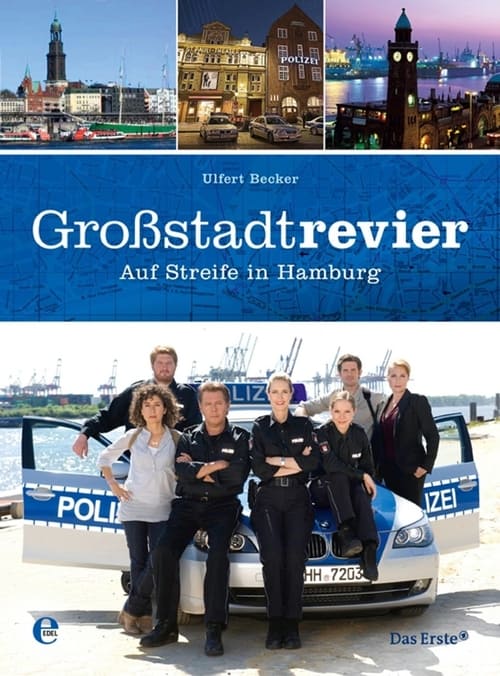
Follow the everyday work of a fictional police station on the Kiez of Hamburg.
Derrick was a German TV series produced by Telenova Film und Fernsehproduktion in association with ZDF, ORF and SRG between 1974 and 1998 about Detective Chief Inspector Stephan Derrick and his loyal assistant Inspector Harry Klein, who solve murder cases in Munich and surroundings.
Die Pfefferkörner is a German television series produced by Der Kinderkanal. The peppercorns are five friends from Hamburg: Jana Holstein Coutre, Natasha "Tascha" Jaonzäns, Philip "Fiete" Overbeck, Cem Gülec and Vivien "Vivi" Overbeck, Fiete's eight year old sister. After school, the young detectives meet at a high level of a spice warehouse of the company Overbeck & Associates, which belongs to Fiete and Vivi's parents in the first part, but is later given to Fiete and Vivi to look after. Here, in the historic warehouse district, the five friends have their headquarters. With smarts, combined delivery and support of the Internet, they find their cases here. The detectives convict polluters, animal dealers and drug smugglers. They also help each other with personal problems they encounter. Cem has lost his parents in a car accident and sometimes feels sad and lonely. Jana lives with her divorcee mother, a lawyer who is rarely at home. Natasha comes from Latvia. Her parents initially have very strict rules in terms of her education, that make Natasha unhappy. Fiete has problems showing his feelings and hides them behind grumpiness and hostility towards girls, until he falls in love with Natasha. Vivi is suffering from her role of the youngest member of the group. She believes that she must constantly struggle for recognition.
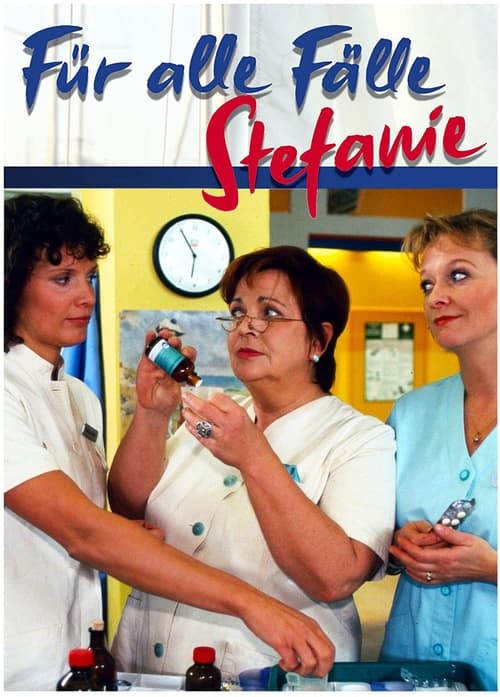
Für alle Fälle Stefanie is an German medical drama television series created by Werner Krämer that aired on Sat.1 from May 15, 2005 to August 29, 2005. It was produced by Novafilm Fernsehproduktion. Für alle Fälle Stefanie follows the professional and personal life of nurse Stefanie Engel, then Stephanie Wilde and for a short time Fanny 'Stephanie' Stephan. The show was a giant success for the network and had around seven, in later years, five million viewers on a weekly basis. It won the Goldene Kamera award in 1997 and the Bavarian TV Award in 1996.
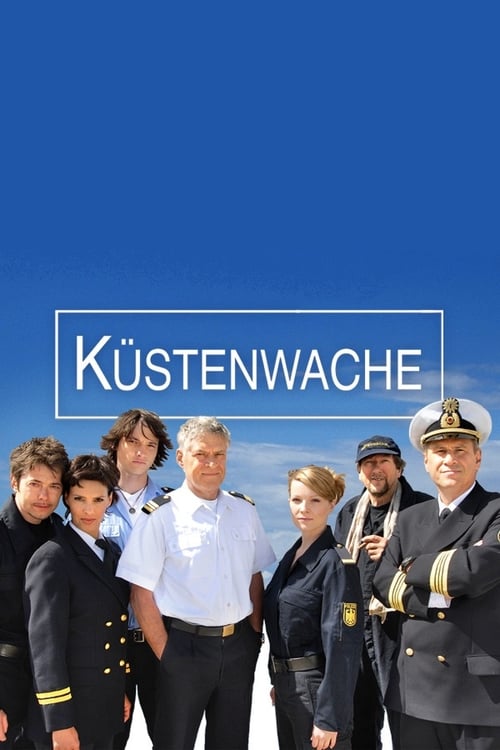
Küstenwache is a German television series that tells the fictionalized adventures of a unit of Federal Coast Guard officers off the German coast of the Baltic Sea.
The series is about a cruise ship that travels to places around the world.
The Bambi, often called the Bambi Award and stylised as BAMBI, is a German award presented annually by Hubert Burda Media to recognize excellence in international media and television to personalities in the media, arts, culture, sports, and other fields "with vision and creativity who affected and inspired the German public that year", both domestic and foreign. First held in 1948, it is the oldest media award in Germany. The trophy is named after Felix Salten's book Bambi, A Life in the Woods and its statuettes are in the shape of the novel's titular fawn character. They were originally made of porcelain until 1958, when the organizers switched to using gold, with the casting done by the art casting workshop of Ernst Strassacker in Süßen.