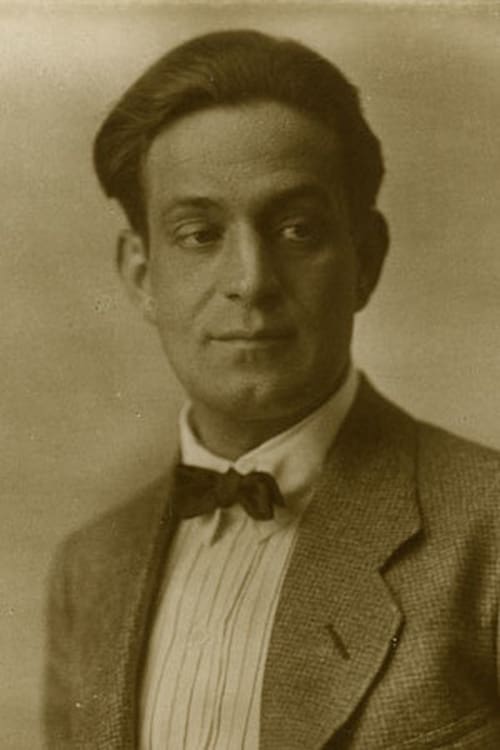
Erich Kaiser-Titz
Acting
Biography
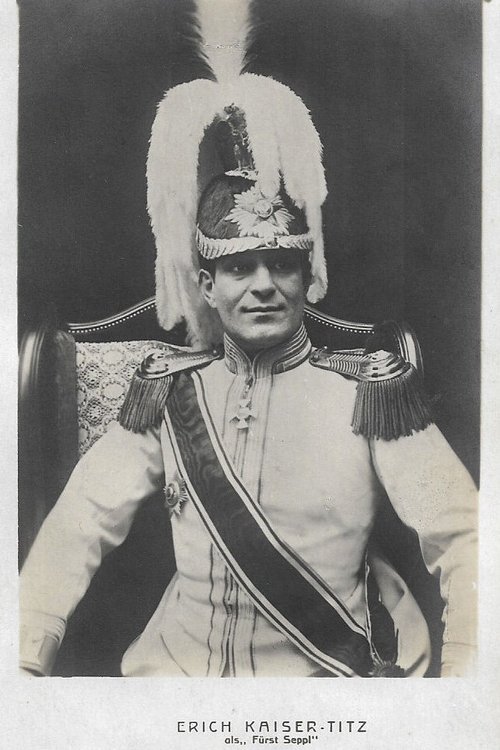
Erich Kaiser-Titz was a German theater and film actor. He made his first film appearances in 1911, but had already been active in theater before that.
Known For
No description available.
Claire

No description available.
Ferdinand Lassalle

The life of Marie Antoinette, Queen of France, during the years leading up to and during the French Revolution in which she was executed.
Marie Antoinette - Das Leben einer Königin

No description available.
Die Kreutzersonate

A young woman in Berlin is offered a job at a night club in Budapest. There she is abducted and brought to a brothel in Athens.
Fighting the White Slave Traffic

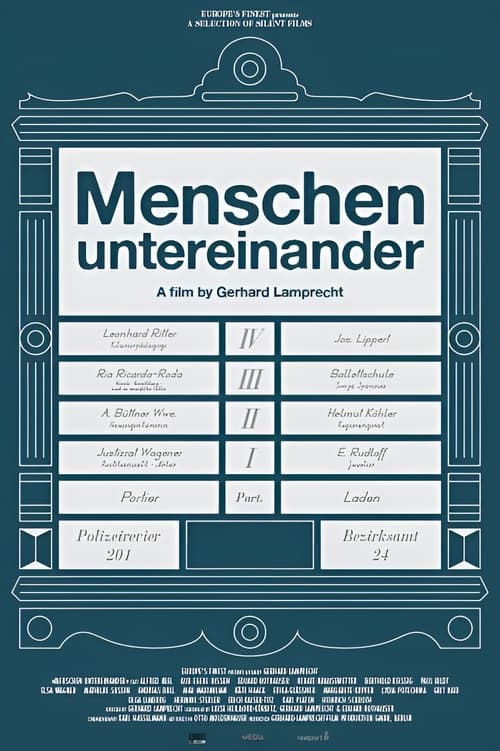
Gerhard Lamprecht sketches a cross-section of Germany's new post-war society, with its winners, social climbers, and losers, represented by the social microcosm of an apartment building. The gossip-mad Frau Mierig from the rear building gives the newly-arrived Frau Kaminski, the janitor's wife, a lively initiation into the tenants and their peculiarities.
People Among Us
An engineer develops a device that will disarm any electrically power device, in an attempt to prevent armed conflicts.
Die Welt ohne Waffen

William Tell (German: Wilhelm Tell) is a 1923 German silent adventure film directed by Rudolf Dworsky and Rudolf Walther-Fein and starring Hans Marr, Conrad Veidt and Erich Kaiser-Titz. The film portrays the story of the legendary Swiss national hero William Tell.
Wilhelm Tell

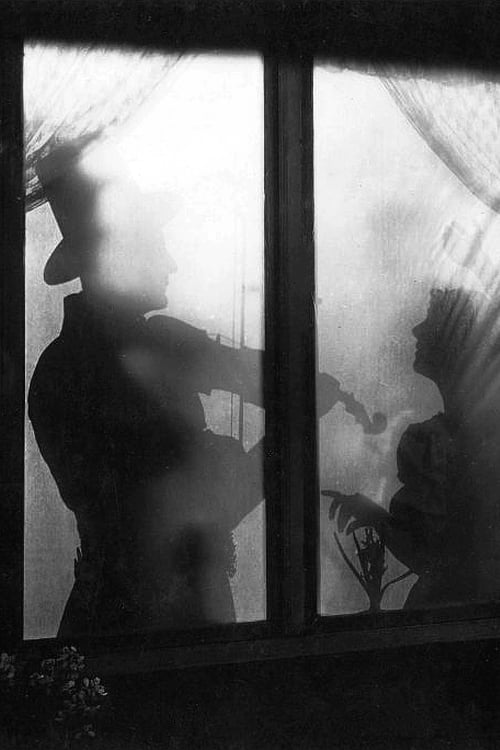
On the plains of Hungary, Franz, a Hussard lieutenant, broods about his future; Born into an aristocratic family, his father drank away the family fortune and marriage seems an unlikely prospect. Impoverished Franz's love for effervescent and upright country girl Marika coincides with the tragic tale of lovelorn violinist Josef, all but ignored by royal beauty Camilla.
Hungarian Rhapsody
No description available.
Das Gift der Medici

No description available.
Malva

This movie, directed by Richard Oswald, is based on the operetta "Les contes de Hoffmann" by Jacques Offenbach (1819-1880), which is a genial musical potpourri from various short stories and novels by the Prussian writer, composer, painter, lawyer and judge E.T.A. Hoffmann (1776-1822). While Hoffmann's literary work was longtime considered to be merely fantastical, it was finally researched, in the last years, according to its metaphysical background. Characteristic for Hoffmann's work is his life-long fight against rationalism and for the revelation of nature morte, culminating mostly in carnival-like scenes anticipating literary techniques only described in the works of Bachtin and Bachelard.
Tales of Hoffmann
No description available.
Kain
No description available.
Königsliebchen

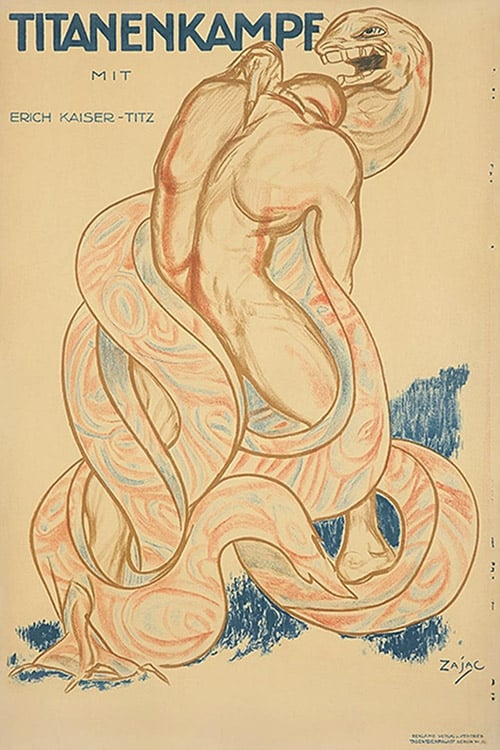
Titanenkampf is a 1916 German silent science-fiction film written and directed by Joseph Delmont.
Clash of the Titans

No description available.
Die Geliebte des Königs

Leben um Leben is the sequel to the 1915 murder mystery Das Tagebuch Collins (Collin’s Diary). Leben um Leben resumes the story with the honeymoon of Peter Tomson and Ellen, who earlier had played the key role in discovering Collin’s diary and clearing the name of her future husband. During their stay, they again cross paths with Carmen Metschersky, who has managed to survive her suicide attempt and was acquitted of the murder charge due to lack of sufficient evidence. Her accomplice Peppo Pastia was convicted, but later released thanks to her help. When Carmen learns that she will inherit nothing from her deceased husband’s estate, she and Peppo (posing as her uncle Pedro Costa) hatch an elaborate scheme to seduce and murder Tomson’s business partner, Kurt Frederich. However, Ellen Tomson manages to foil their machinations yet again, and the villainous pair suffer a chilling end (in the truest sense).
Life Upon Life
No description available.
Der Millionendieb
No description available.
Gelbe Bestien
No description available.