Acting
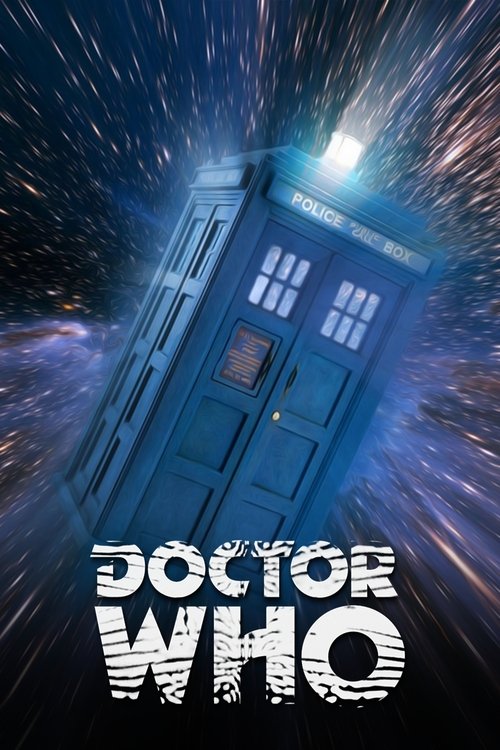
The adventures of The Doctor, a time-traveling humanoid alien known as a Time Lord. He explores the universe in his TARDIS, a sentient time-traveling spaceship. Its exterior appears as a blue British police box, which was a common sight in Britain in 1963 when the series first aired. Along with a succession of companions, The Doctor faces a variety of foes while working to save civilizations, help ordinary people, and right many wrongs.
Theatre 625 is a British television drama anthology series, produced by the BBC and transmitted on BBC2 from 1964 to 1968. It was one of the first regular programmes in the line-up of the channel, and the title referred to its production and transmission being in the higher-definition 625-line format, which only BBC2 used at the time.
After his death, Fred Mumford wants a second chance at achieving the success that eluded him in life. Coming back to Earth as a spirit, he recruits a Victorian gent and a medieval jester to set up 'Rentaghost', a supernatural service for wanted hauntings.
Shine on Harvey Moon! is a British comedy-drama series made by Central Television for ITV from 8 January 1982 to 23 August 1985 and briefly revived in 1995 by Meridian. This generally light-hearted series was created by comedy writers Laurence Marks and Maurice Gran. The series is set in the East End of London shortly after the Second World War. Upon being demobbed RAF serviceman Harvey Moon, played by Kenneth Cranham, returns home and finds his family involved in various troubles. His wife Rita, played by Maggie Steed, is not interested in resuming their relationship, and works in a seedy nightclub frequented by American servicemen. He becomes involved with the Labour Party and the union movement. The name of the series is a wordplay on the title of the popular 1908 song 'Shine On, Harvest Moon'. The first series was commissioned and recorded by ATV at their Elstree studios with the remaining series filmed at newly constructed facilities in Nottingham.
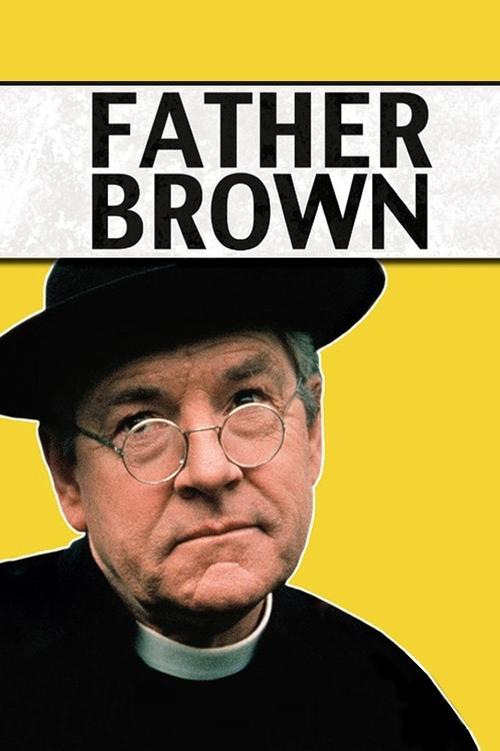
Based on the short stories by G. K. Chesterton, Father Brown is a Roman Catholic priest and amateur detective.
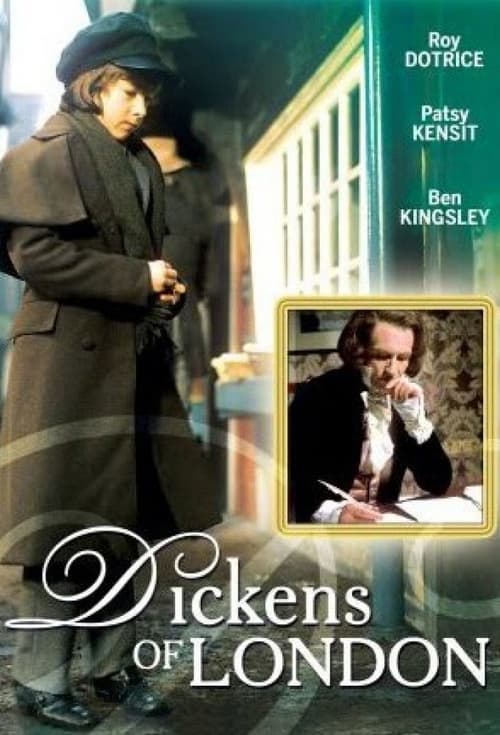
A 13-episode miniseries from Yorkshire Television, about Charles Dickens, by now an internationally renowned novelist, during an 1869 tour of America, looking back over his life.
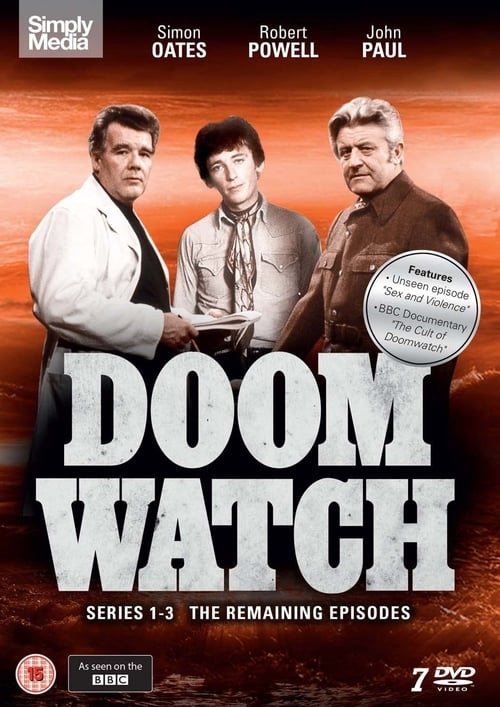
Doomwatch is a British science fiction television programme produced by the BBC, which ran on BBC 1 between 1970 and 1972. The series was set in the then present-day, and dealt with a scientific government agency led by Doctor Spencer Quist, responsible for investigating and combating various ecological and technological dangers. The series was followed by a film adaptation produced by Tigon British Film Productions and released in 1972, and a revival TV film was broadcast on Channel 5 in 1999.
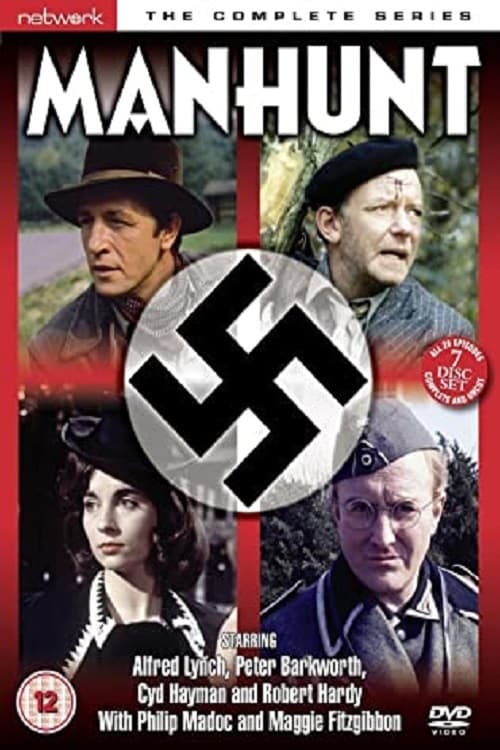
Manhunt is a World War II drama series consisting of 26 episodes, produced by London Weekend Television in 1969 and broadcast nationwide.
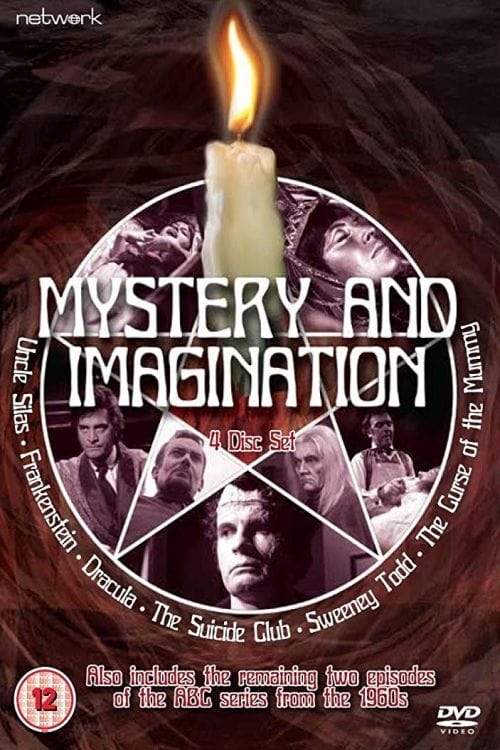
Mystery and Imagination is a British television anthology of classic horror and supernatural dramas. Five series were broadcast from 1966 to 1970 on ITV and produced by ABC and Thames Television.
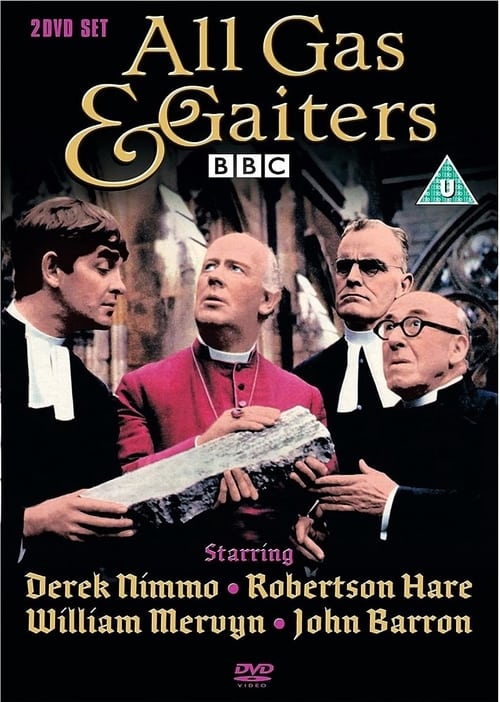
All Gas and Gaiters is a British television ecclesiastical sitcom which aired on BBC1 from 1966 to 1971. It was written by Pauline Devaney and Edwin Apps, a husband-and-wife team who used the pseudonym of "John Wraith" when writing the pilot. At St Oggs Cathedral is a carefree bishop, an old tippling archdeacon, and an accident-prone chaplain, who all wish to live a quiet bachelor life, but this is continually threatened by the dean, who tries to bring by-the-book rule to the cathedral.
An anthology series of BBC television dramas on sexual themes. The same cast are featured in each production.
Television adaptations of six books by well-known romantic novelists.
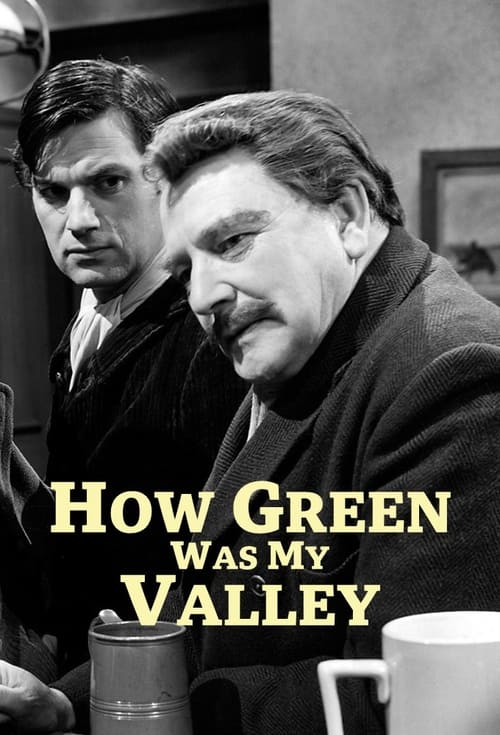
How Green Was My Valley is a six-part television miniseries adapted by Elaine Morgan, based on Richard Llewellyn's eponymous 1939 novel. The serial is produced by the BBC and 20th Century Fox Television for BBC Two—the latter's involvement is due to their ownership of the rights to the novel and its subsequent Oscar-winning 1941 film. Huw Morgan, the academically inclined youngest son in a proud family of Welsh coal miners, witnesses the tumultuous events of his young life during a period of rapid social change. At the dawn of the 20th-century, a miners' strike divides the Morgans: the sons demand improvements, and the father doesn't want to rock the boat.
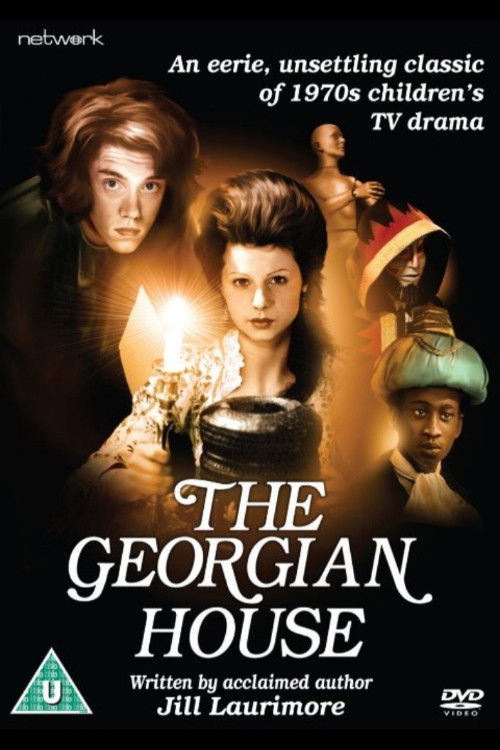
Two children travel back in time and attempt to help a Black slave boy who possesses strange powers.
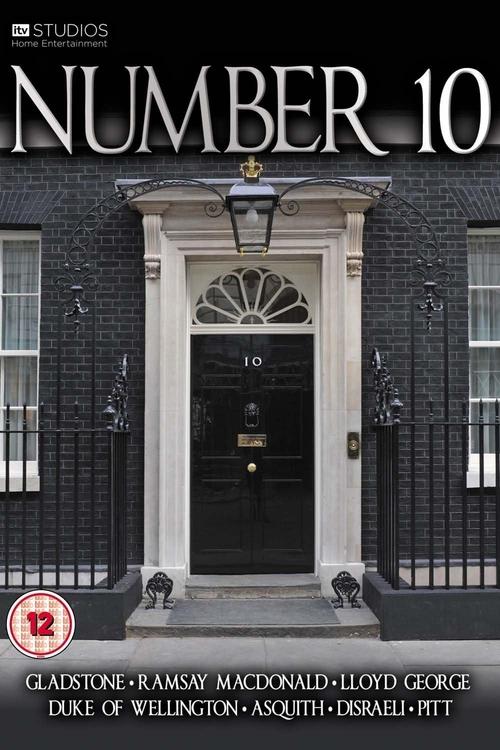
Follows the private lives of seven British PMs who lived at Number 10 Downing Street between the 1780s and the 1920s: William Pitt the Younger, the Duke of Wellington (Arthur Wellesley), Benjamin Disraeli, William Ewart Gladstone, David Lloyd-George, Herbert Henry Asquith and James Ramsay MacDonald.
Anthology series of plays where various disparate characters meet in the city of London.
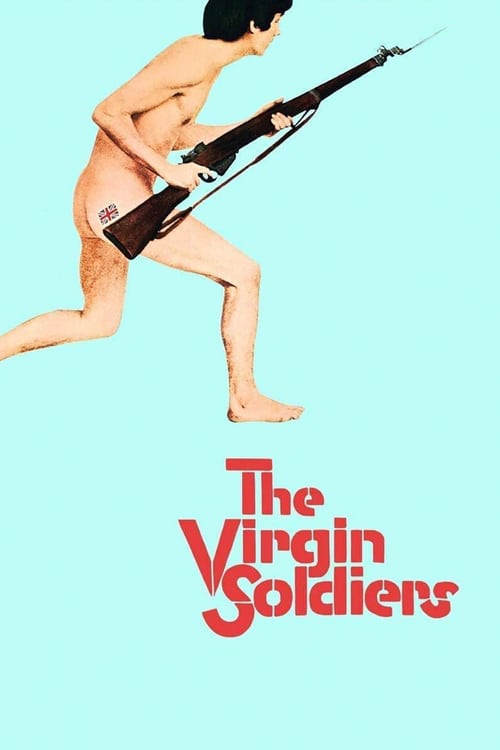
The core of the plot is the romantic triangle formed by the protagonist, a conscripted soldier named Private Brigg, a worldly professional soldier named Sergeant Driscoll, and Phillipa Raskin, the daughter of the Regimental Sergeant Major. The location is a British army base in Singapore during the Malayan Emergency.
Drama following the turbulent career of Labour politician Nye Bevan, founder of the National Health Service.
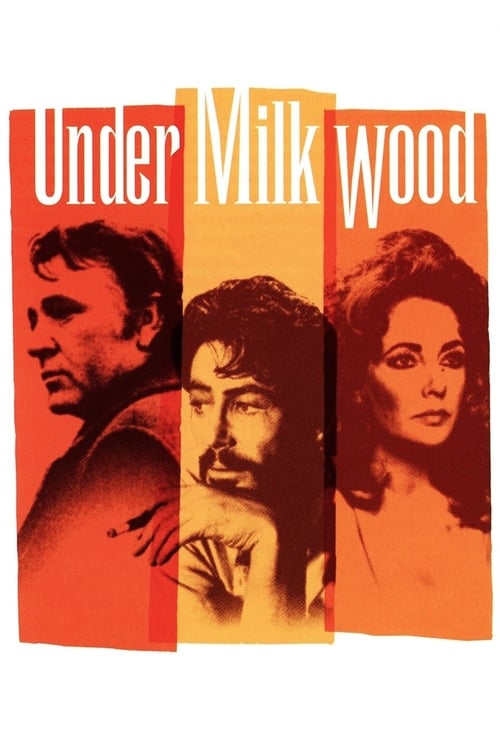
The delightful if peculiar story of a day in the life of a small, Welsh fishing village called "Llareggub" in which we meet a host of curious characters (and ghosts) through the 'eyes' of Blind Captain Cat.
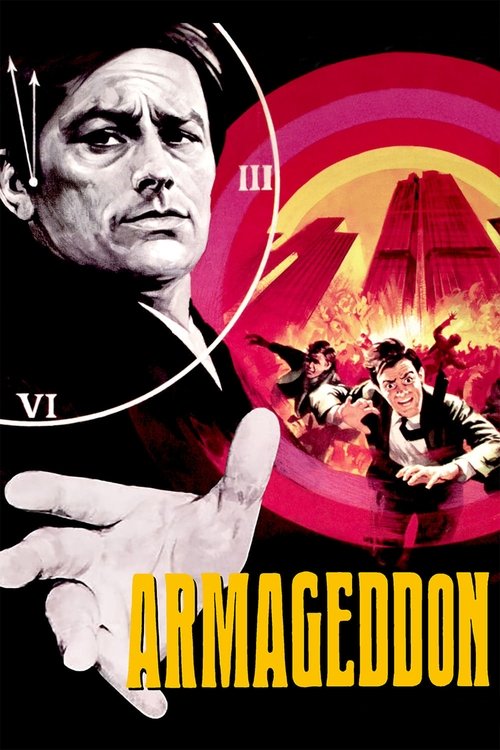
After years of poverty, Carrier, a repairman, inherits a large sum of money upon his brother's death in an accident. Now rich, he decides it is time to make his mark and be known at any cost. Becoming more and more mentally unstable, he begins to threaten police and the government signing his tracts, "Armaguedon". A detective from Interpol heads the investigation and prepares a trap at an international conference of world leaders in Paris.