Production
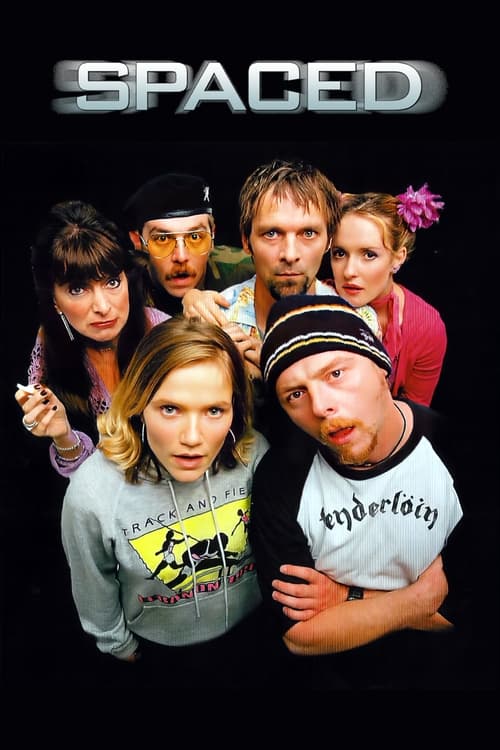
Spaced: the anti-Friends, in that it examines the lives of common 20 somethings, but in a way that is more down to earth and realistic. Here we have Daisy and Tim; two 'young' adults with big dreams just trying to get by in this crazy world. They are thrown together in a common pursuit of tenancy, which they find by posing as a couple. The house has a landlady and an oddball artist living there. The series explores the ins and outs of London living.
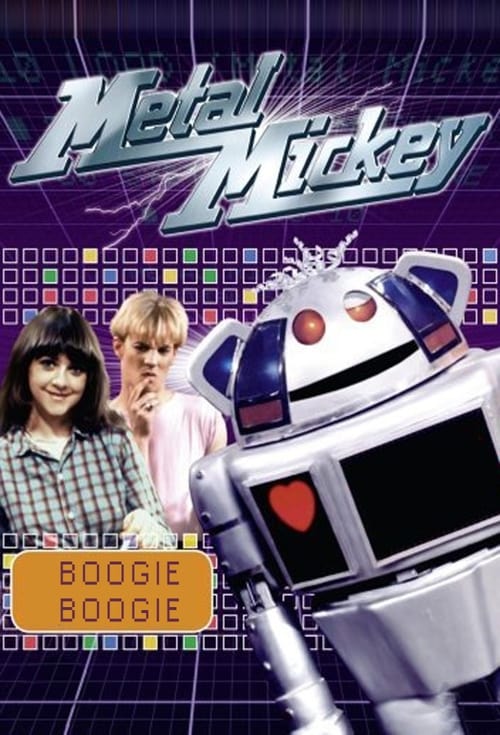
Scientific whizkid Ken Wilberforce thought a robot would be a help around the house, so he built Metal Mickey. But someone interferes - and deep within Mickey's electronic innards, something stirs...
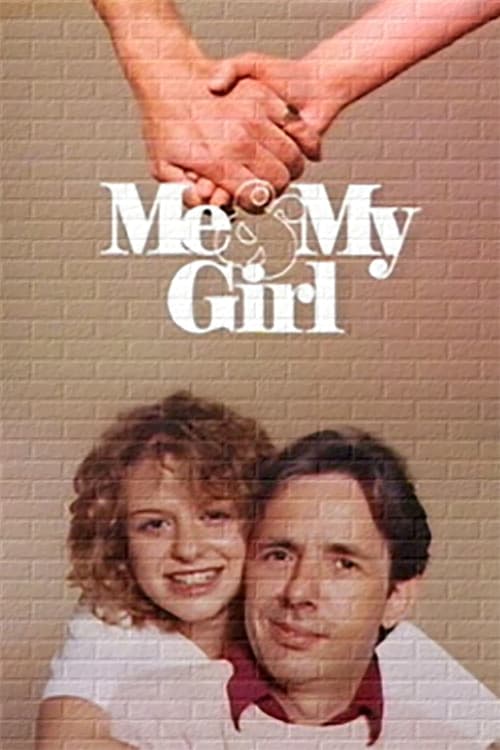
While running the advertising agency Eyecatchers, Simon Harrap explores his relationships with his daughter Samantha, his business partner Derek Yates, and a string of romantic liaisons. His mother-in-law, Nell, often interferes in his attempts to raise Samantha on his own, but usually haa her granddaughter's best interests at heart.
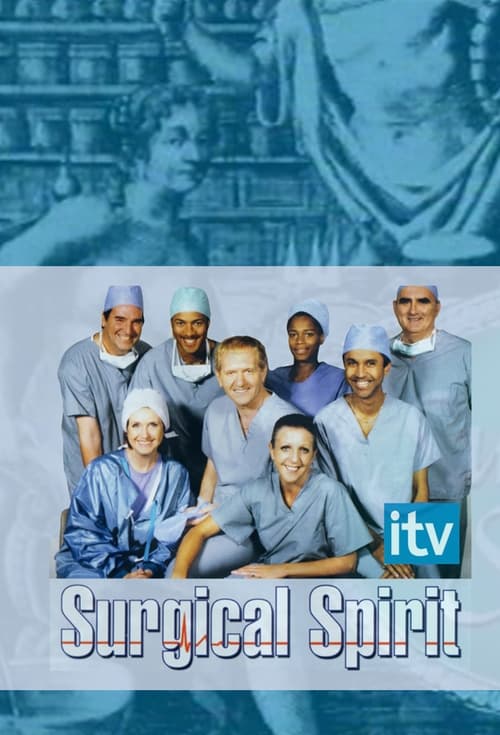
Surgical spirit is a British situation-comedy television series starring Nichola McAuliffe and Duncan Preston that was broadcast from 14 April 1989 through to 7 July 1995. It was written by Annie Bruce, Raymond Dixon, Graeme Garden, Peter Learmouth, Paul McKenzie and Annie Wood. It was made for the ITV network by Humphrey Barclay Productions for Granada Television.
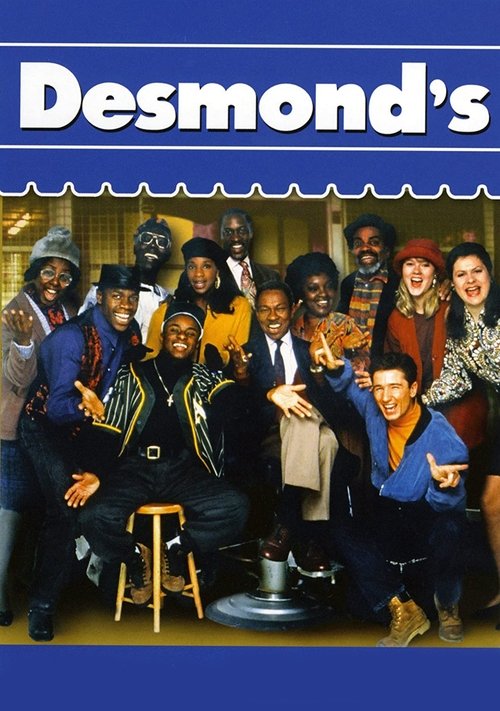
Desmond's was a British television situation comedy broadcast by Channel 4 from 1989 to 1994. With 71 episodes, Desmond's became Channel 4's longest-running sitcom. The first series was shot in 1988, with the first episode broadcast in January 1989. The show was made in and set in Peckham, London, England and featured a predominantly Black British Guyanese cast. Conceived and co-written by Trix Worrell, and produced by Charlie Hanson and Humphrey Barclay, this series starred Norman Beaton as barber Desmond Ambrose. Desmond's shop was a gathering place for an assortment of local characters.
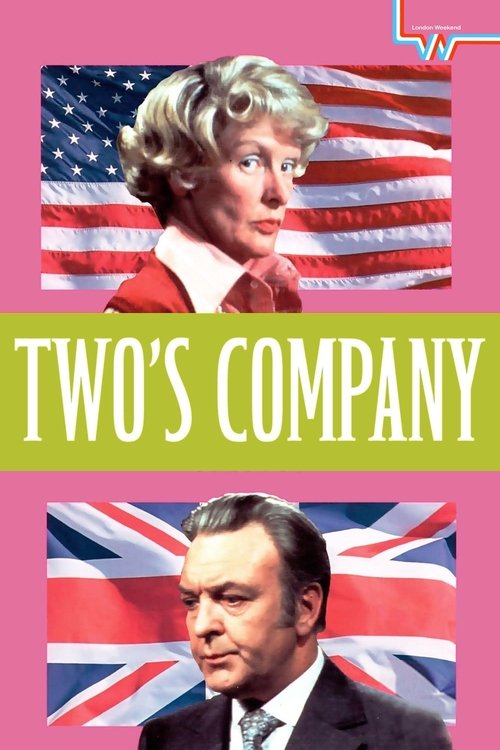
Two's Company is a British television situation comedy series that ran from 1975-79. Produced by London Weekend Television for the ITV Network, the programme starred Elaine Stritch and Donald Sinden.
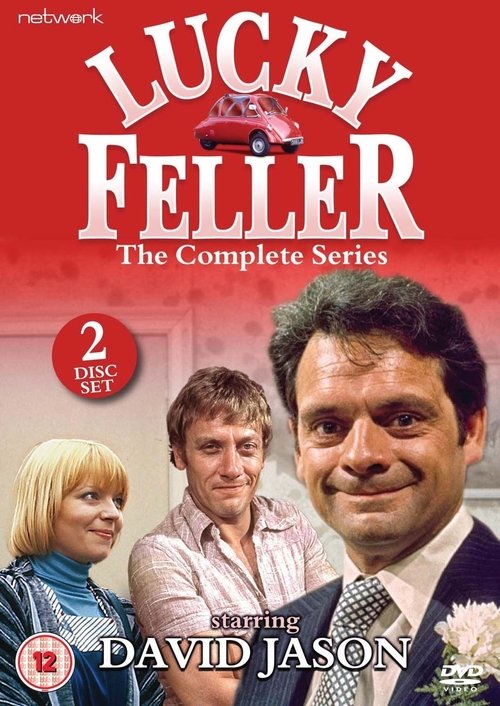
Lucky Feller is a 1976 ITV sitcom written by Terence Frisby and produced by Humphrey Barclay with London Weekend Television for ITV. It follows two brothers in Southeast London, the basic set-up can be seen as a dry run for Only Fools and Horses, except with David Jason playing the nerdy "Rodders" part, Shorty Mepstead. The other brother, Randolph Mepstead, was played by Peter Armitage.
Porkpie was a British sitcom on Channel 4 television starring Ram John Holder as Augustus "Porkpie" Grant. It was a spinoff from Desmond's. Porkpie kept several key characters from Desmond's and in the first episode Grant was seen standing outside the barbershop Desmond used to run, saying: "Desmond, since you died it hasn't stopped raining. I know how much you used to say it can rain in England, and it's true. Must be one of two things: either a thousand angels weeping for you, or you having a good drink up in heaven and you spilling it all over the place."
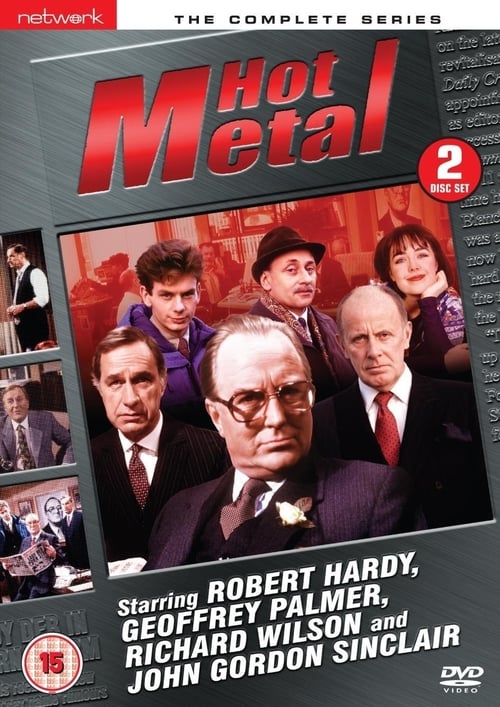
Hot metal is a London Weekend Television sitcom about the British Newspaper industry broadcast between 1986 and 1988. The daily crucible, the dullest newspaper in Fleet Street, is suddenly taken over by media magnate Terence "Twiggy" Rathbone. Its editor Harry Stringer is 'promoted' to managing editor, and is replaced in his old job by Russell Spam. Spam then takes the paper shooting downmarket and turns the crucible into a sensation seeking scandal rag, very much in the style of the British tabloids of the 1980s. He is helped along by his ace gutter journalist, Greg Kettle, who intimidates his tabloid victims by claiming to be "a representative of Her Majesty's press" and produces stories such as accusing a vicar of being a werewolf. Throughout the first series, a running plot involved cub reporter Bill Tytla gradually uncovering an actual newsworthy story that went to the very heart of government. Written by David Renwick and Andrew Marshall, it is very much a continuation in style from their previous sitcom Whoops Apocalypse!. It was produced by Humphrey Barclay.
Whoops Apocalypse is a six-part 1982 British sitcom by Andrew Marshall and David Renwick, made by London Weekend Television for ITV. Marshall and Renwick later reworked the concept as a 1986 film of the same name from ITC Entertainment, with almost completely different characters and plot, although one or two of the original actors returned in different roles. As the Apocalypse nears, US President Johnny Cyclops tries to run a reelection campaign whilst also dealing with the Russians, a deposed Shah needing to be hidden, and a new weapon called a 'quark' bomb.
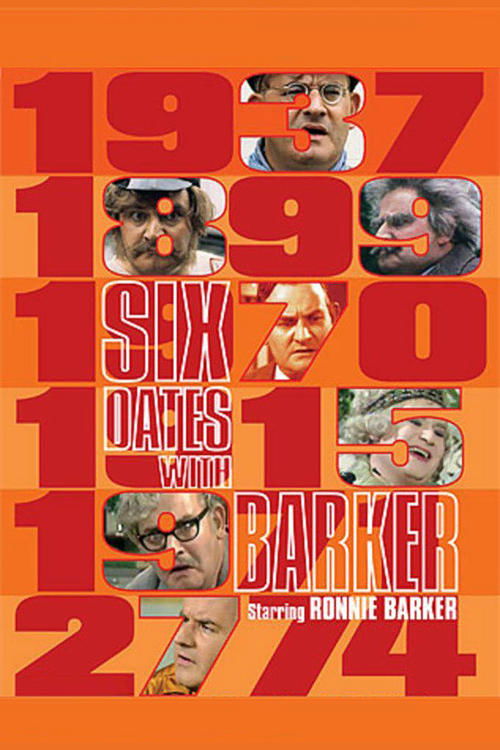
Six Dates with Barker is a 1971 ITV series of six one-off, half-hour situation comedies showcasing the talents of Ronnie Barker. Three of the stories were further developed: The Phantom Raspberry Blower of Old London Town was made into a serial as part of the 1976 sketch comedy programme The Two Ronnies; The Odd Job Man was adapted as a feature film, titled The Odd Job; and The Removals Person became Barker's final programme Clarence.
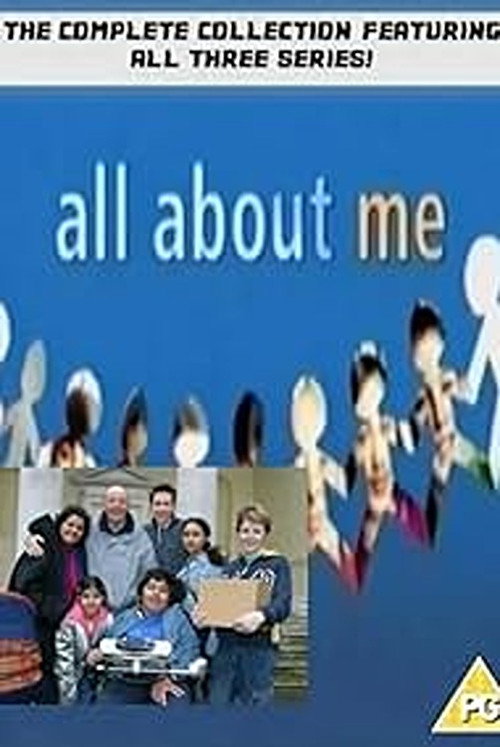
All About Me is a British television sitcom starring Jasper Carrott about a multicultural family living in Birmingham. It was broadcast on BBC One from 2002 to 2004. All About Me was created by Steve Knight, who also wrote many of the early episodes.
Peter Cook & Co. is a one-off sketch show special starring Peter Cook, with guest appearances from fellow comedians.
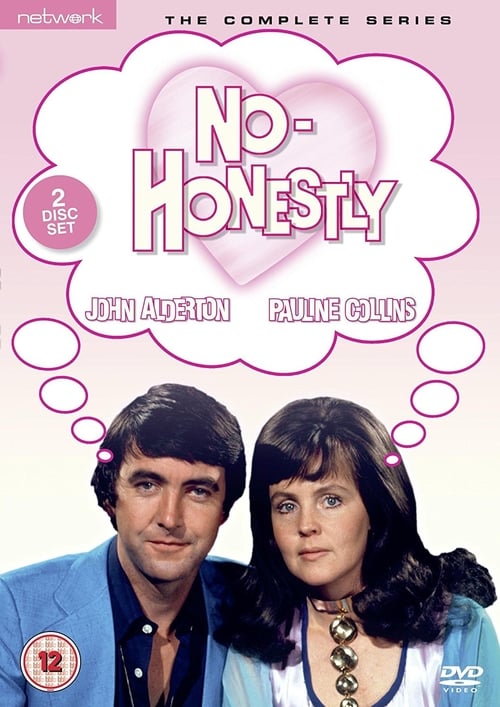
No, Honestly is a British sitcom that was originally produced in 1974. No, Honestly featured the real-life married couple of Pauline Collins and John Alderton respectively as Clara and Charles Danby, a newlywed couple living in London. The character of Clara was a ditzy dreamer who hoped to write books for children. Charles Danby by contrast was a struggling actor with a more serious streak. At the start of each episode, the couple appeared in front of an audience telling stories about their first meeting, courtship and life as newlyweds. The entire programme, therefore, was a series of flashbacks as the couple recounted the earlier days of their romance. Filled with witty and sparkling banter, the episodes featured comic situations ranging from problems with mistaken identity to decorating and makeover mishaps. In homage to George Burns and Gracie Allen, CD would end each episode with the phrase "Say goodnight, Clara." The series is based on the novels Coronet Among the Weeds and Coronet Among the Grass written by Charlotte Bingham, who was co-creator of the TV series with her husband Terence Brady. The theme song for No, Honestly was written and performed by Lynsey De Paul. It peaked on the UK charts at number 7.
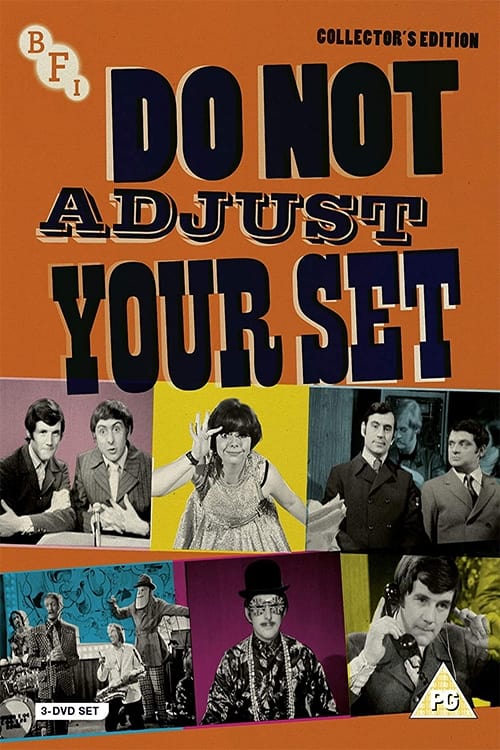
Innovative and influential, and originally envisaged as children’s show, Do Not Adjust Your Set was a madcap early-evening comedy sketch show that quickly acquired a cult following with Swinging Sixties adults, who rushed home from work to see it. Written by and starring Michael Palin, Terry Jones, Eric Idle, with great performances and additional material by David Jason and Denise Coffey, it also provided an early showcase for the hilarious animations of Terry Gilliam, and the brilliantly bizarre musical antics of the legendary Bonzo Dog Doo Dah Band.
That's love! is a British television sitcom about the domestic problems of a young married couple, lawyer Donald and designer Patsy.
Sitcom about the rivalry between window blinds salesmen.
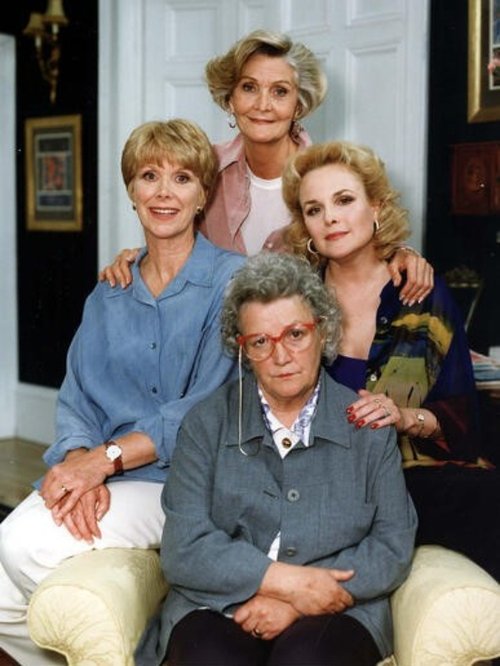
On her husband's demise, attractive Bridget suddenly finds she can't meet the financial demand of her Sussex country house in Brighton without his income. Her solution: take in lodgers. Two other "belles" answer her offer. Annie, also a widow, is a dim but friendly, likable farmer's daughter from a small village; Frances is a sardonic, sarcastic teacher whose husband Gilbert left her for a younger woman, taking the house. Later, Frances' tactless, overprotective mother Josephine moves in as well, to hover over and generally annoy her daughter. The women bond and Bridget shows her seductive side and she searches for a new mate.
Family man contemplates selling childhood home spanning WWII years. Episodes shift between present and boyhood memories of parents, siblings coping during war's difficulties, making it hard to let go of beloved home.
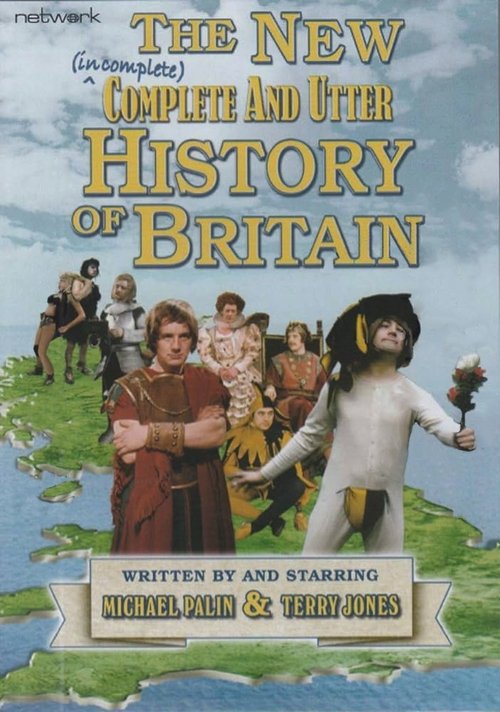
The Complete And Utter History Of Britain was a 1969 television comedy sketch show. It was created and written by Michael Palin and Terry Jones between the two series of Do Not Adjust Your Set. It was produced for and broadcast by London Weekend Television but was not shown in other ITV regions. The idea was to replay history as if television had been around at the time. Sketches included interviews with the vital characters in the dressing-room after the Battle of Hastings, Samuel Pepys presenting a TV chat-show and an estate agent trying to sell Stonehenge to a young couple looking for their first home. Seven programmes were written and produced, but LWT amalgamated the first two episodes into a single "stronger" episode, resulting in a six-part series. For many years the entire series was believed to have been wiped. However, copies of the first two episodes have now been found, as have the complete first two episodes as produced. As of June 2008, none are known to have been repeated on television or released on DVD. Terry Jones has expressed dissatisfaction with the show, complaining after a showing of surviving episodes that the pacing was off and the soundtrack all wrong.