Directing
Tatort is a long-running German/Austrian/Swiss crime television series set in various parts of these countries. The show is broadcast on the channels of ARD in Germany, ORF in Austria and SF1 in Switzerland.
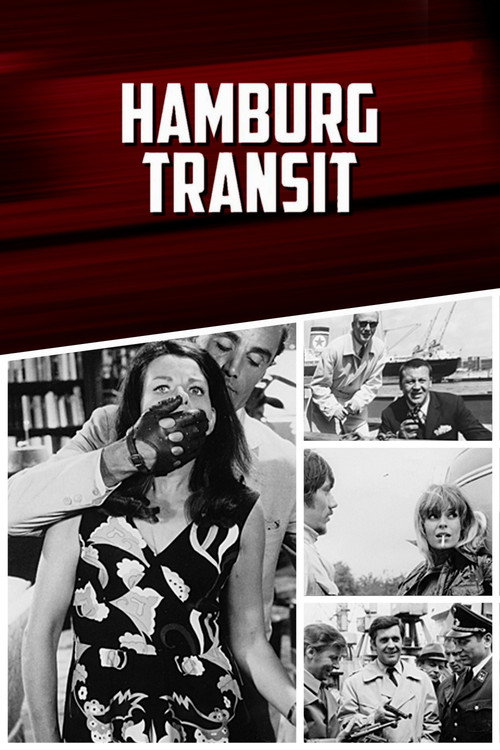
Hamburg Transit was a German crime television series that first aired in 1970. It ran for 52 episodes over four series until 1974. It depicts the officers of the Hamburg CID. It was a successor to the show Polizeifunk ruft which ran between 1966 and 1970.
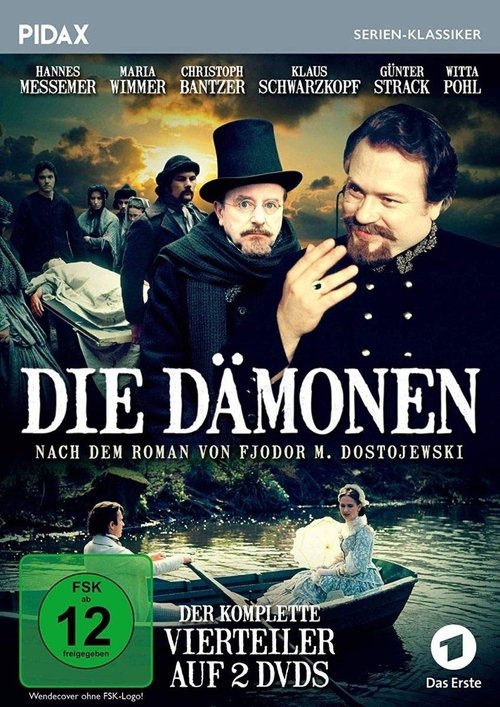
In the mid-1870s, landowner Varvara Stavrogina and Professor Stepan Verkhovensky are the center of society. Stavrogina's son Nikolai and Verkhovensky's son Pyotr are staying in Geneva. There, Nikolai becomes engaged to the lovely Lisa Tushina. However, he is already to be married to another.
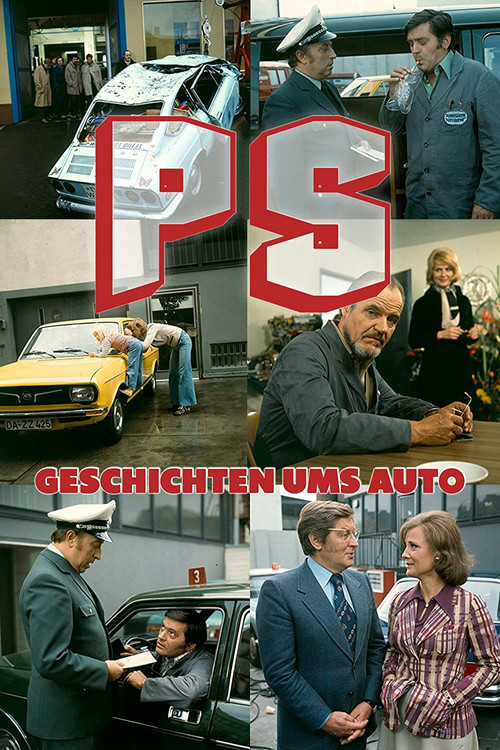
PS is a German television series.
Der Fall von nebenan is a German television series.
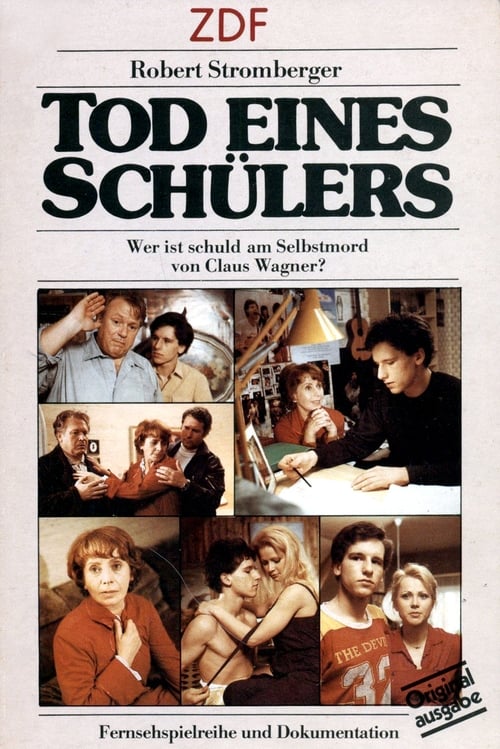
"Tod eines Schülers" is a German television series directed by Claus Peter Witt, based on a script by Robert Stromberger. The six part TV mini series is about the fictional suicide by train of student Claus Wagner. Each episode begins with Wagner's death, looking into the subject from different points of view.
No description available.
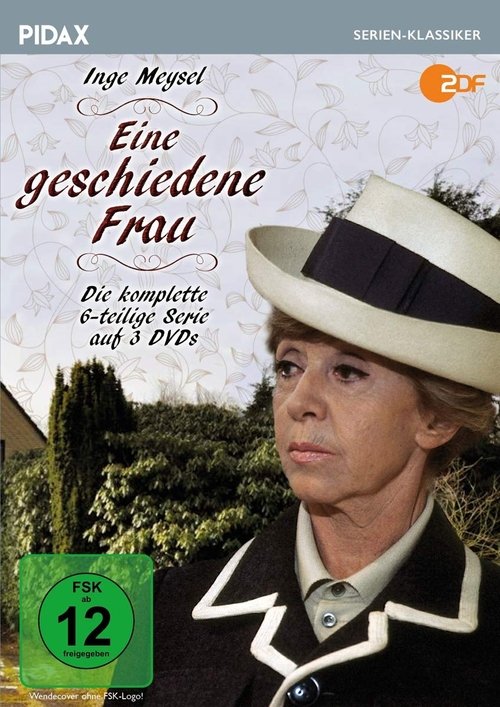
Erika Seipold is getting divorced after more than 30 years of marriage. The six-part series very successfully depicts the fate of a woman well over 50 who has been "dumped" from the perspective of the early 1970s, when it was still normal for wives not to have a career and, after a divorce, not only fell into an emotional hole but also had to endure existential fears. Her selfish children and largely unsympathetic environment offer little help; everywhere the protagonist encounters the stigma of being an older, single, supposedly useless member of society – a foreshadowing of the dark side of the cult of youth.
This critically acclaimed drama focuses on the Drombuschs, an average German family living in Darmstadt near Frankfurt.
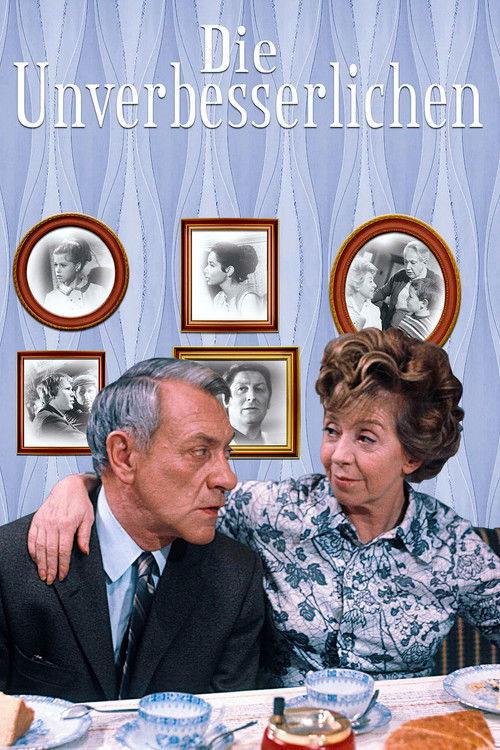
Die Unverbesserlichen is a German television series.
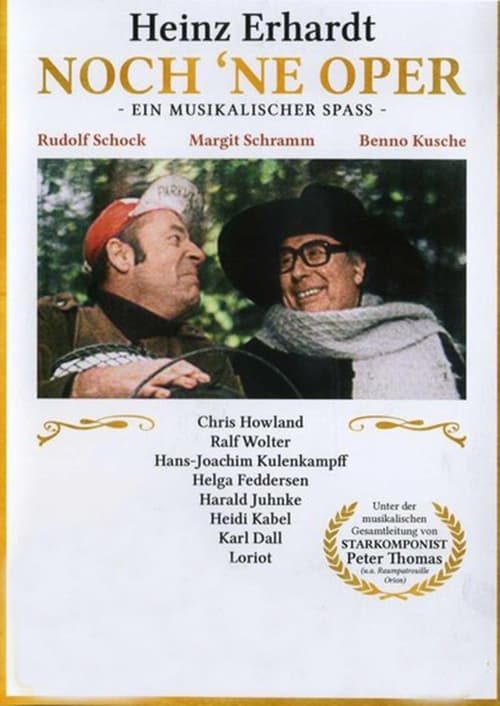
In this hilarious opera parody, Loriot delivers a comedic take on the pretentiousness of the operatic world. The plot revolves around a fictional opera production that spirals into absurdity as egos clash, misunderstandings abound, and everything goes hilariously wrong. Through a series of farcical and exaggerated situations, Loriot brilliantly mocks the pomp and circumstance of opera while showcasing his signature dry humor and love for absurdity. Noch 'ne Oper is a sharp and witty satire of high culture’s often ridiculous nature.
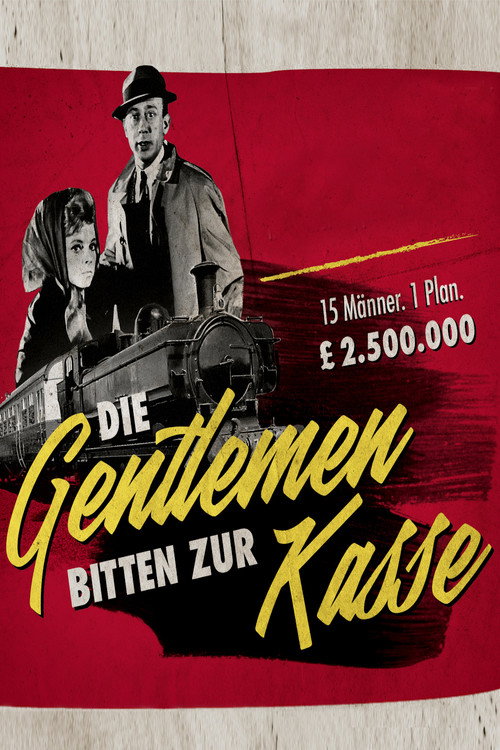
A story of the famous British train robbery from the 1960s, told from the view of the robbers.