David Susskind
Production
Biography
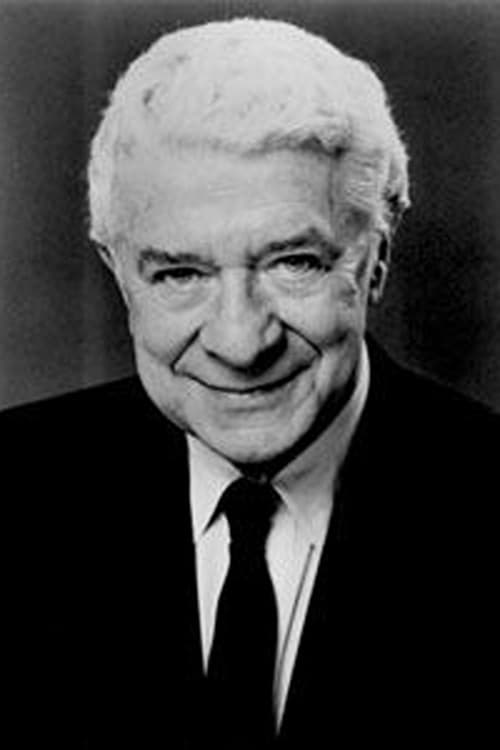
David Howard Susskind (December 19, 1920 – February 22, 1987) was an American producer of TV, movies, and stage plays and also a TV talk show host. His talk shows were innovative in the genre and addressed timely, controversial topics beyond the scope of others of the day. His first job after the war was as a press agent for Warner Brothers. Next, he was a talent agent for Century Artists, ultimately ending up in the Music Corporation of America's newly minted television programming department, managing Dinah Shore, Jerry Lewis, and others. In New York, Susskind formed Talent Associates, representing creators of material rather than performers. In 1954, Susskind became a producer of the NBC legal drama Justice, based on case files of the Legal Aid Society of New York. His program Open End began in 1958 on New York City's commercial independent station WNTA-TV and was so titled because the program continued until Susskind or his guests were too tired to continue. In 1961, Open End was constrained to two hours and went into national syndication. The show was retitled The David Susskind Show for its telecast on Sunday night, October 2, 1966. In the 1960s it was the first nationally broadcast television talk show to feature people speaking out against American involvement in the Vietnam War. In the 1970s it was the first nationally broadcast television talk show to feature people speaking out for gay rights. The show continued until its New York outlet canceled it in 1986. During his close to three-decade run, Susskind covered many controversial topics of the day, such as race relations, transsexualism, and the Vietnam War. His interview with Soviet Premier Nikita Khrushchev, which aired in October 1960, during the height of the Cold War, generated national attention. It is one of the very few talk show telecasts from the era that was preserved and can be viewed today. In a now notorious interview with then 25-year-old Muhammad Ali during a recently-unearthed 1968 appearance on the British program The Eamonn Andrews Show, Susskind displayed an intense antipathy and vitriol towards the famous boxer, whom he excoriated with withering criticism for refusing to be conscripted into the U.S. military for the Vietnam War. Some commentators have described this as a racist attack. Susskind was also a noted producer, with scores of movies, plays, and TV programs to his credit. His legacy is that of a producer of intelligent material at a time when TV had left its golden years behind and had firmly planted its feet in programming which had wide appeal, whether or not it was worth watching.
Known For

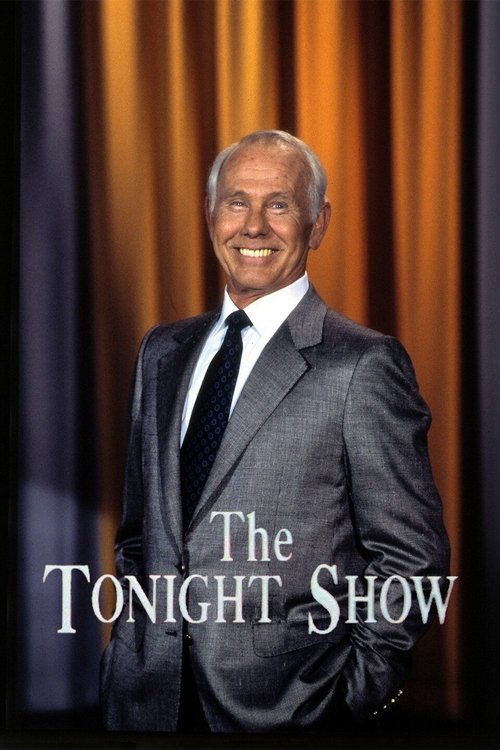
The Tonight Show Starring Johnny Carson is a talk show hosted by Johnny Carson under The Tonight Show franchise from 1962 to 1992. It originally aired during late-night. For its first ten years, Carson's Tonight Show was based in New York City with occasional trips to Burbank, California; in May 1972, the show moved permanently to Burbank, California. In 2002, The Tonight Show Starring Johnny Carson was ranked #12 on TV Guide's 50 Greatest TV Shows of All Time.
The Tonight Show Starring Johnny Carson

A late-night live television sketch comedy and variety show created by Lorne Michaels. The show's comedy sketches, which parody contemporary culture and politics, are performed by a large and varying cast of repertory and newer cast members. Each episode is hosted by a celebrity guest, who usually delivers an opening monologue and performs in sketches with the cast, and features performances by a musical guest.
Saturday Night Live

The Mike Douglas Show is an American daytime television talk show hosted by Mike Douglas that originally aired only in the Cleveland area during much of its first two years on the air. It then went into syndication in 1963 and remained on television until 1982. It was distributed by Westinghouse Broadcasting and for much of its run, originated from studios of two of the company's TV stations in Cleveland and Philadelphia.
The Mike Douglas Show

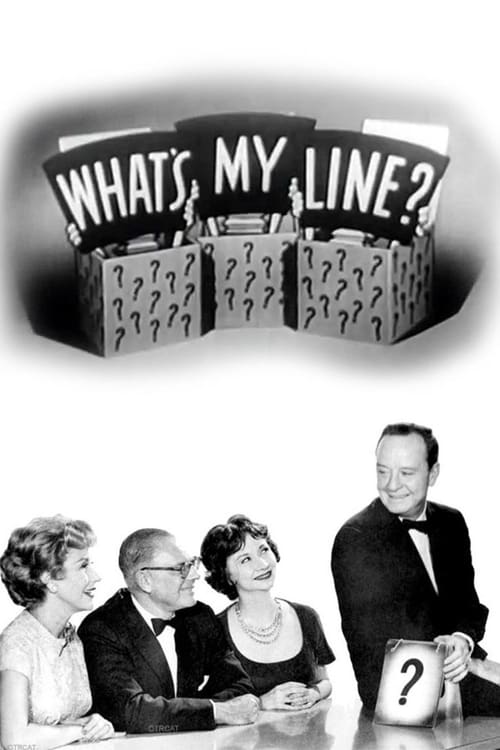
Four panelists must determine guests' occupations - and, in the case of famous guests, while blindfolded, their identity - by asking only "yes" or "no" questions.
What's My Line?

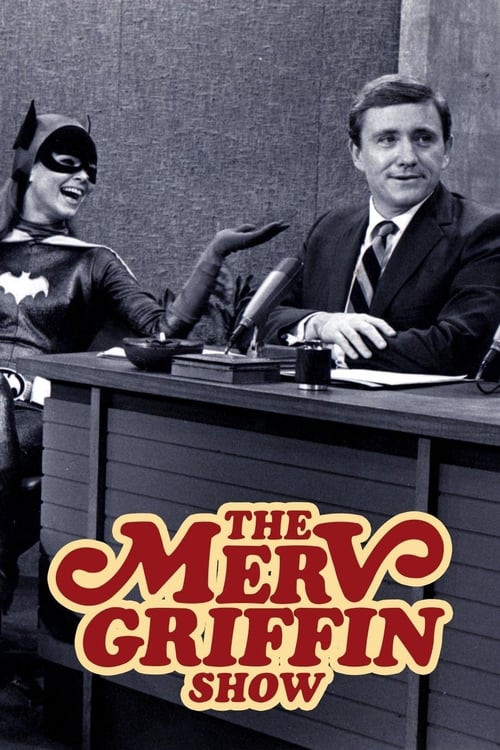
No description available.
The Merv Griffin Show

The Dick Cavett Show has been the title of several talk shows hosted by Dick Cavett on various television networks.
The Dick Cavett Show

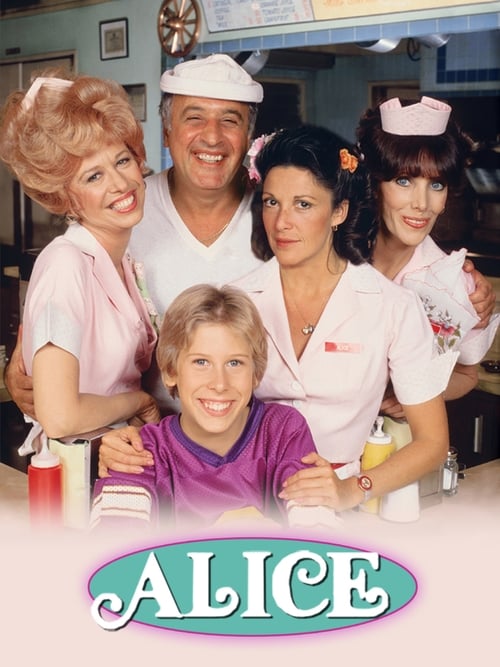
Alice is an American sitcom television series that ran from August 31, 1976 to March 19, 1985 on CBS. The series is based on the 1974 film Alice Doesn't Live Here Anymore. The show stars Linda Lavin in the title role, a widow who moves with her young son to start her life over again, and finds a job working at a roadside diner on the outskirts of Phoenix, Arizona. Most of the episodes revolve around events at Mel's Diner.
Alice

Armstrong Circle Theatre is an American anthology drama television series which ran from 1950 to 1957 on NBC, and then until 1963 on CBS. It alternated weekly with The U.S. Steel Hour.
Armstrong Circle Theatre
CBS Playhouse is an American anthology drama series that aired on CBS from 1967 to 1970. Airing twelve plays over the course of its run, the series was nominated for a number of awards and featured many noteworthy actors and playwrights.
CBS Playhouse

DuPont Show of the Month is an acclaimed 90-minute television anthology series that aired monthly on CBS from 1957 to 1961. The DuPont Company also sponsored a weekly half-hour anthology drama series hosted by June Allyson, The DuPont Show with June Allyson. During the Golden Age of Television, DuPont Show of the Month was one of numerous anthology series telecast between 1949 and 1962. Superficially, it resembled Playhouse 90 and other anthologies, but DuPont Show of the Month focused less on contemporary dramas and more on adaptations of literary classics, including Oliver Twist, The Prince and the Pauper, Billy Budd, The Prisoner of Zenda, A Tale of Two Cities and The Count of Monte Cristo.
DuPont Show of the Month

No description available.
N.Y.P.D.

No description available.
Jackie Gleason and His American Scene Magazine

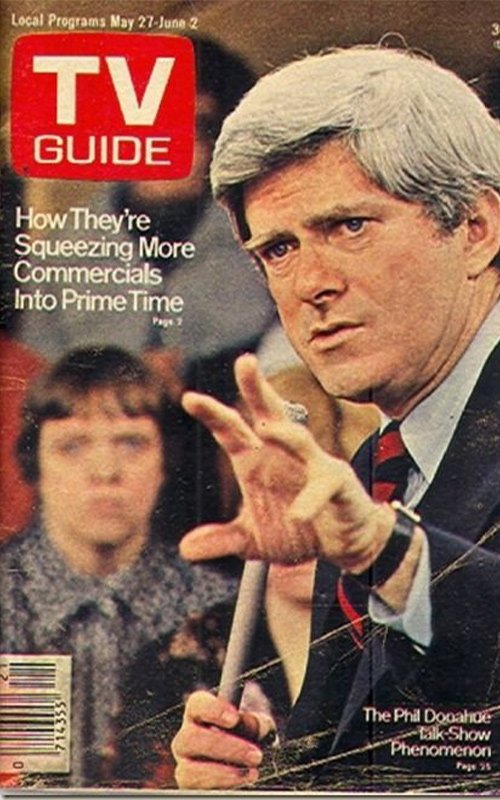
The Donahue Show, also known as Donahue, was an American television talk show hosted by Phil Donahue that ran for 26 years on national television. Its run was preceded by three years of local broadcast in Dayton, Ohio, and it was broadcast nationwide between 1970 and 1996. In 2002, Donahue was ranked twenty-ninth on TV Guide magazine's list of the fifty greatest television shows of all-time.
The Phil Donahue Show

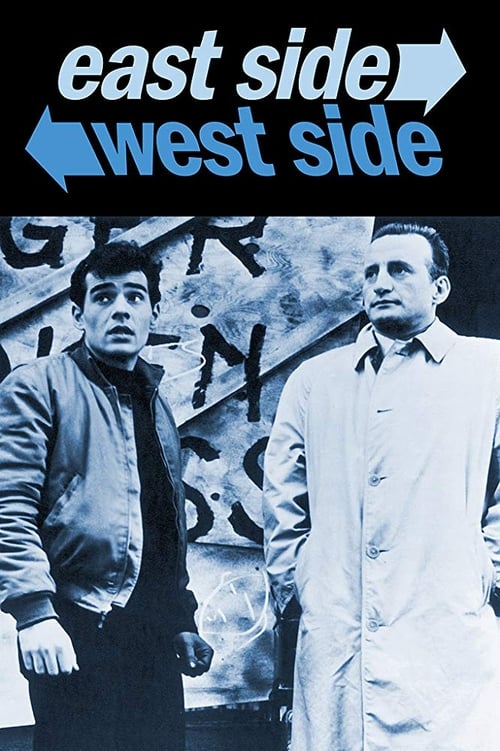
East Side/West Side is an American drama series starring George C. Scott, Elizabeth Wilson, Cicely Tyson, and later on, Linden Chiles. The series aired for only one season and was shown Monday nights on CBS. TV Guide ranked it #6 on their 2013 list of 60 shows that were "Cancelled Too Soon".
East Side/West Side

Long-running anthology program sponsored by Hallmark Cards. Beginning in 1951 and continuing into 2019, the series received 80 Emmy Awards, 24 Christopher Awards, 11 Peabody Awards, 9 Golden Globes, and 4 Humanitas Prizes. Early seasons were a weekly live drama, eventually transitioning to videotaped and then filmed productions broadcast as occasional specials.
Hallmark Hall of Fame

When veteran anchorman Howard Beale is forced to retire his 25-year post because of his age, he announces to viewers that he will kill himself during his farewell broadcast. Network executives rethink their decision when his fanatical tirade results in a spike in ratings.
Network

This syndicated anthology series staged a different play every week covering all genres, dramas, comedies, musicals, fantasies, mysteries, et al, utilizing some of the best talent appearing on Broadway.
Play of the Week

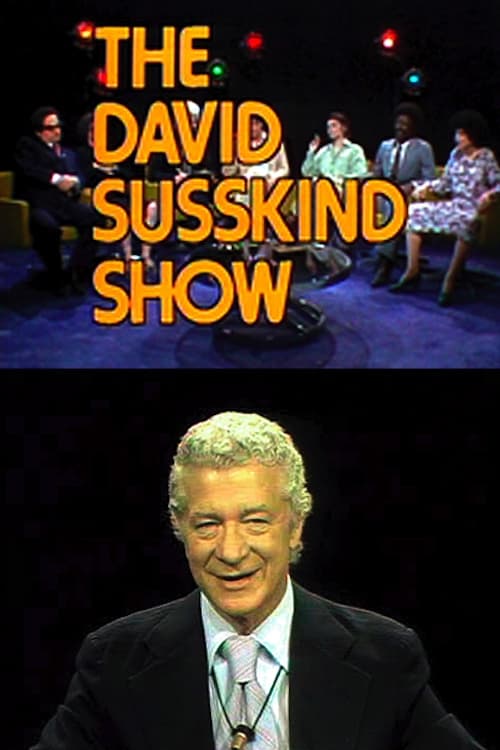
The David Susskind Show is an American television talk show hosted by David Susskind. The program began its existence in 1958 as Open End, and was broadcast by WNTA-TV in New York City. The title referred to the fact that the program continued until Susskind or his guests were too tired to continue late on a Sunday night.
The David Susskind Show

The Watergate crisis as viewed by John Dean and his wife Maureen, based on their personal accounts -- his best-seller, her book on how it affected their marriage -- and distilled into an eight-hour drama with all of the political figures of the day parading by as Dean relates his story to his attorney when his world, based on blind ambition, begins crashing down on him.
Blind Ambition

After her husband dies, Alice and her son, Tommy, leave their small New Mexico town for California, where Alice hopes to make a new life for herself as a singer. Money problems force them to settle in Arizona instead, where Alice takes a job as waitress in a small diner.