Géza von Cziffra
Directing
Biography
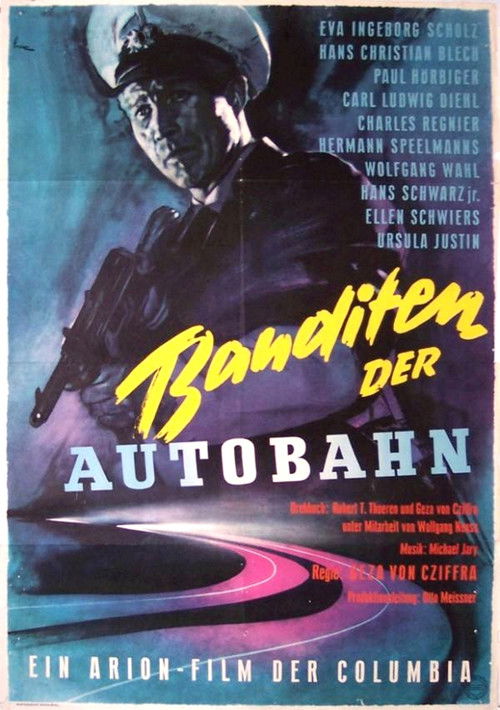
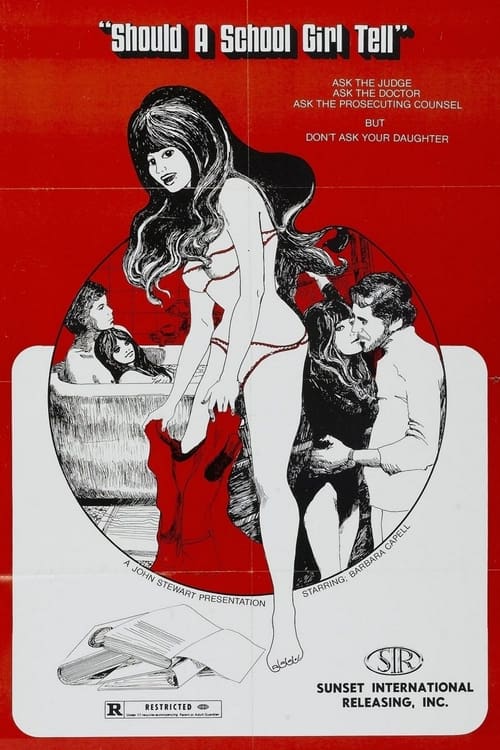
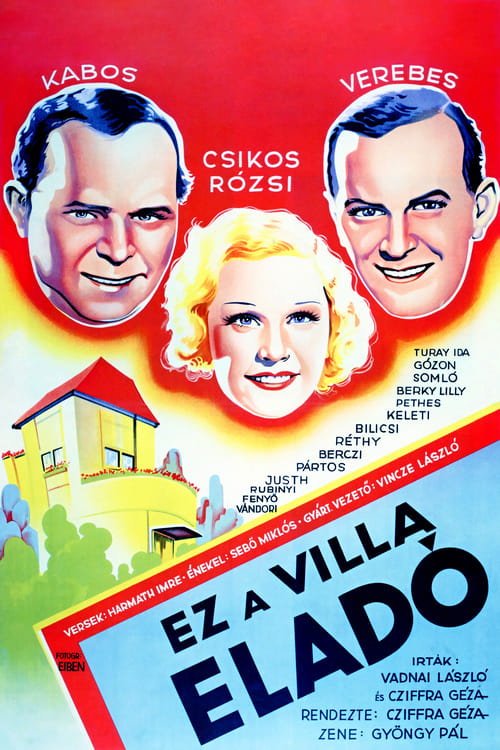
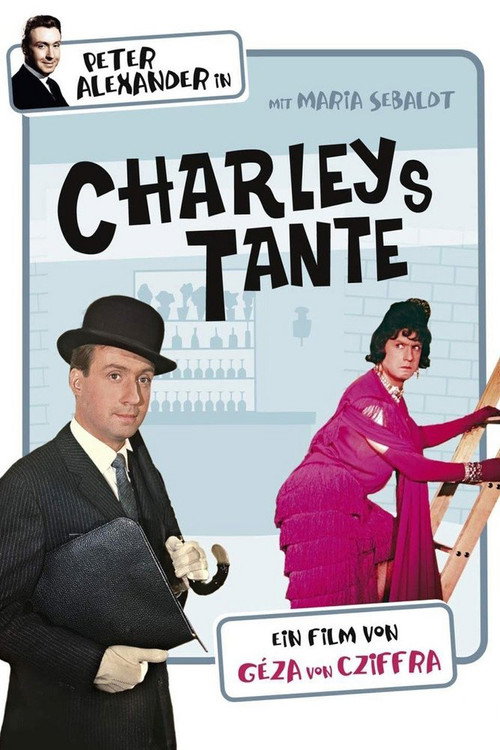
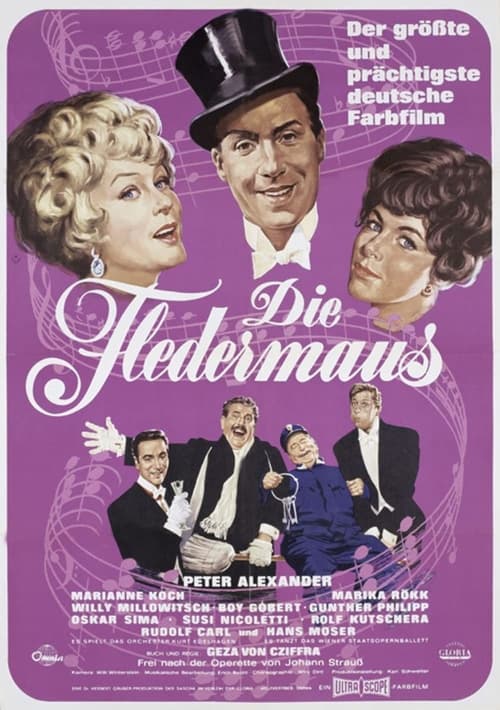
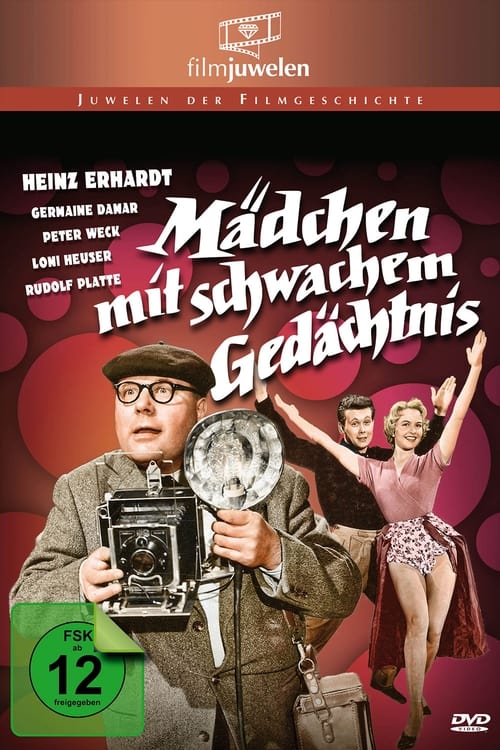
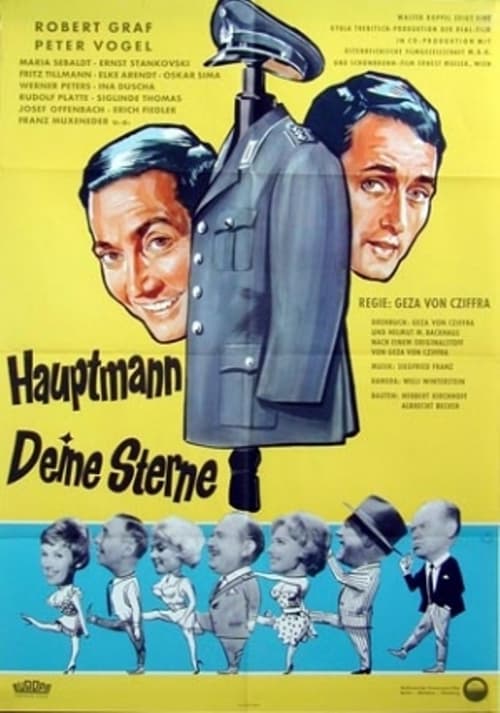
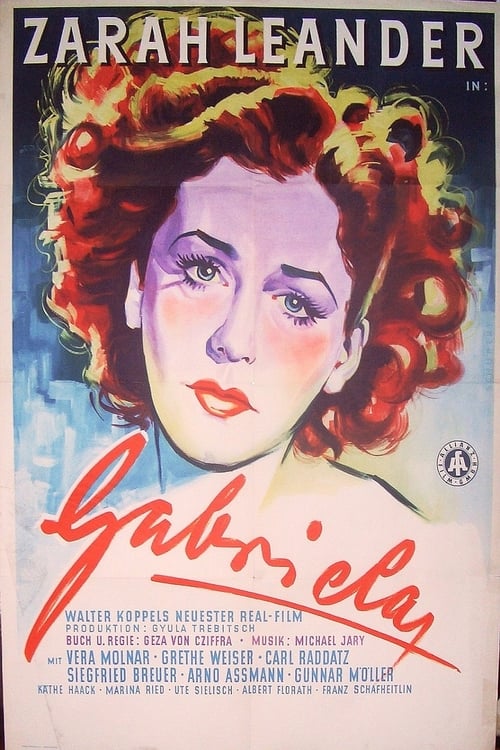
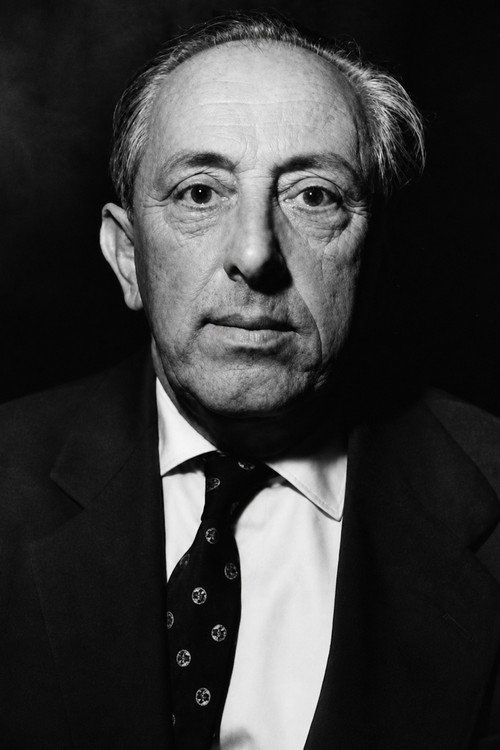
Géza von Cziffra (19 December 1900 – 28 April 1989) was a Hungarian and Austrian film director and screenwriter. Cziffra was a Banat German in origin, born in 1900 in Arad in the Banat region, at that date in the Kingdom of Hungary, now in Romania. Cziffra made films from the 1930s onwards, at first in Hungary, and from 1936 in Germany as well, where he was initially more active as a screenwriter. In 1945, in Prague, then occupied by the Germans, he made the film Leuchtende Schatten ("Glowing Shadows"). As adviser for the criminal police, he was assigned SS-Sturmbannführer Eweler, a member of the SD and brother of the actress Ruth Eweler. After some time, Cziffra banned Eweler from the studios for excessive and obstructive criticism. Shortly afterwards, he was arrested and taken to the Prague Gestapo Headquarters in the Pecec Palace, where he was accused of having eaten several times in the Czech restaurant "Neumann" without using ration stamps. He was eventually dispatched to Pankrác Prison, the remand and interrogation prison of Prague, and sentenced to six months' imprisonment, beginning on 12 February. He was released from detention on 19 April, shortly before the end of the war. In 1945, in Vienna, Cziffra founded the first post-war Austrian film production company: Cziffra-Film. Principally, and for preference, he made light entertainment and musical films, with well-known German and Austrian actors such as Peter Alexander, Rudolf Platte, Senta Berger and Hubert von Meyerinck. Through the input of musicians like Bill Ramsey or Bully Buhlan, the films mostly progressed to being musical revues with a local Austrian slant and flavour (Heimatfilme). Cziffra also worked as an actor himself, and later in his life published a number of books. He was married to the actress Ursula Justin, who starred in six of his films in the 1950s. He died on 28 April 1989 in Diessen am Ammersee in Bavaria. His remains are interred in the crematorium in the Ostfriedhof, Munich.